
Introduction to the Great Desert Artery
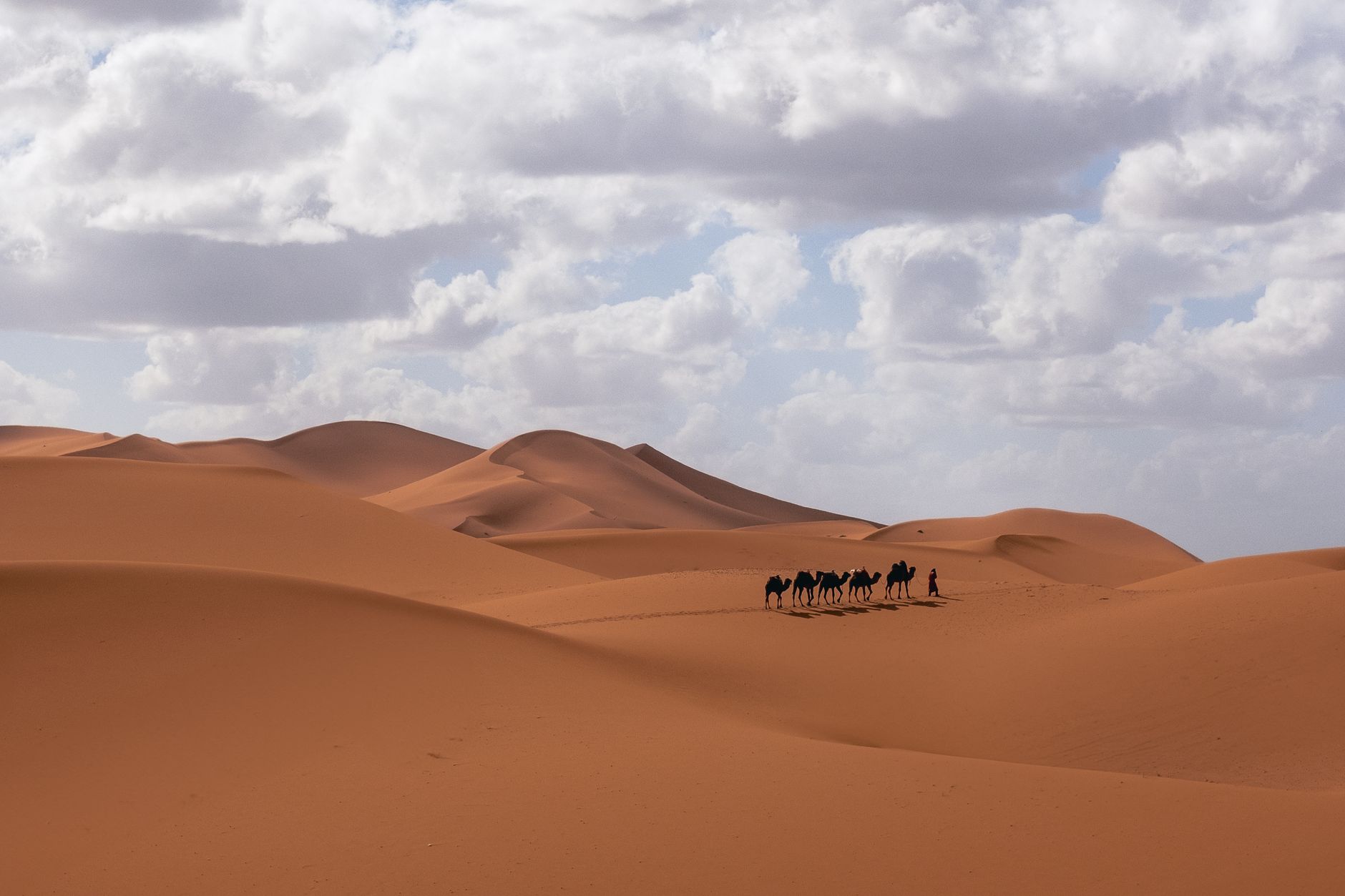
The Sahara, historically perceived as an impassable barrier of sand, rock, and extreme vastness, is once again at the center of Africa’s geopolitical and economic strategy. For centuries, camel caravans traversed these ancient routes carrying salt, gold, and spices, linking sub-Saharan Africa with Mediterranean ports. Today, contemporary ambition seeks to replace those slow journeys with heavy transport infrastructure, betting on railway and road corridors capable of defying the harshest conditions on the planet. The Trans-Saharan Railway project and its associated initiatives are not mere civil engineering works; they represent the backbone of a new paradigm of continental integration that promises to redefine trade, human mobility, and regional development.
In a global context where logistical efficiency determines national competitiveness, the lack of reliable overland connections between sub-Saharan Africa and North Africa has been a historical bottleneck. Goods typically rely on costly maritime routes circumnavigating the entire continent or air links with limited cargo capacity. The revival of plans to stitch the desert together with high-performance rail lines responds to the urgent need to connect mining and agricultural production centers with international markets. However, the technical, financial, and environmental challenge is monumental, demanding innovative solutions against desertification, sandstorms, and water scarcity.
Historical Background and the Colonial Vision
The idea of a railway line crossing the Sahara is not new. Its origins date back to the late 19th and early 20th centuries, during the height of European colonialism in Africa. Powers such as France conceived ambitious plans to unite their possessions in French West Africa with the north of the continent, seeking to consolidate a continuous empire and secure the supply of raw materials to the metropolises. Projects like the French Transsaharien were the subject of intense debates in European parliaments, driven by engineers fascinated by continental scale and the promise of unprecedented territorial dominion.
However, those early attempts collided with the harsh reality of the terrain and with insurmountable technological limitations for the era. The lack of potable water along routes thousands of kilometers long, the severity of the climate for forced labor, and above all, short-term economic unviability relegated the blueprints to state archives. With African independences in the mid-20th century, national priorities shifted, and emerging states focused their efforts on consolidating borders and developing internal transport networks. The idea of a great trans-Saharan axis lay dormant for decades, eclipsed by commercial aviation and road transport.
The 21st-Century Strategic Resurgence
The 21st century has brought a radical shift in African geopolitical perspective. The adoption of the African Continental Free Trade Area (AfCFTA) has highlighted an undeniable truth: for intra-African trade to grow, efficient cross-border transport infrastructure is essential. North African countries, such as Algeria and Morocco, seek to consolidate their position as gateways to the continent, while Sahelian and West African nations need fast, secure outlets to the sea and European markets.
In this scenario, the development of integrated logistics corridors combining rail, high-capacity roads, and pipelines has gained renewed political momentum. African governments and multilateral organizations have resumed feasibility studies, adapting them to current technological demands. The premise is no longer colonial resource extraction, but the creation of local value, industrialization, and the facilitation of human mobility in one of the world’s fastest-growing demographic regions.
Extreme Engineering Against Climatic Hostility
Building and maintaining a railway line across the Sahara desert means confronting one of the most hostile environments in the world. Summer temperatures can exceed fifty degrees Celsius, causing extreme expansion of steel rails and accelerated wear on rolling stock. Added to this are sandstorms capable of burying kilometers of tracks in a matter of hours, and the absolute scarcity of water resources necessary for both construction and the operational maintenance of stations.
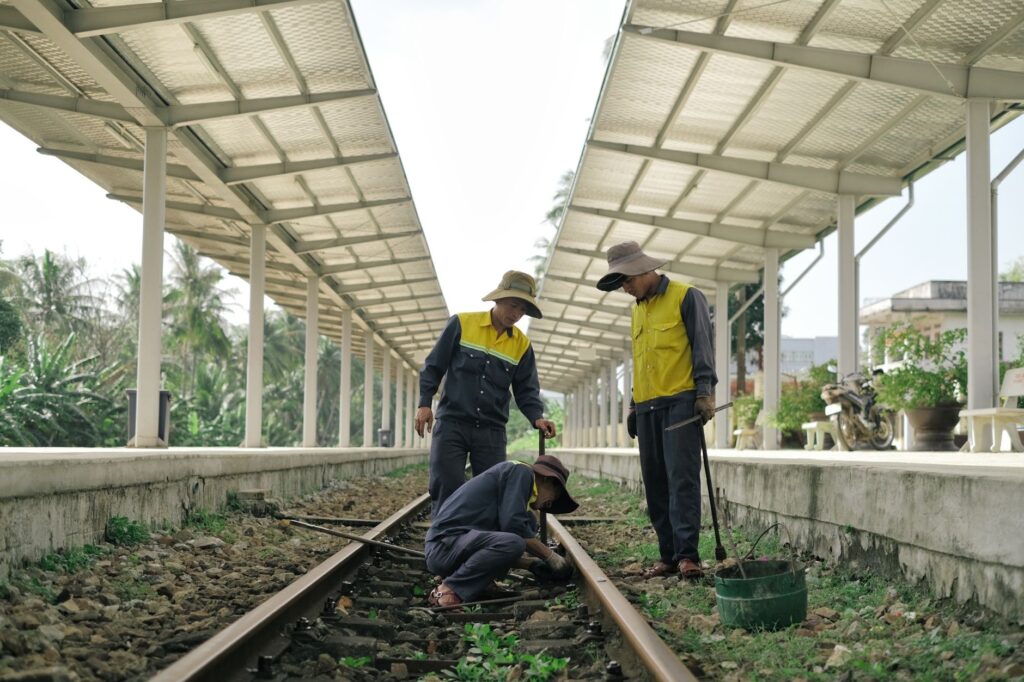
Desert sand is not a static obstacle; it is an abrasive fluid that defies every parameter of traditional railway engineering and demands advanced biomechanical solutions.
To mitigate these problems, modern engineers turn to cutting-edge satellite monitoring technologies, mechanical and vegetative barriers against moving dunes, and special metallic alloys resistant to corrosion and extreme heat. Furthermore, the transition to state-of-the-art diesel-electric traction locomotives or hybrid systems optimizes fuel consumption on stretches where refueling is extremely complex. Water management is solved through complex logistical supply systems and the use of desalination technologies at the coastal ends of the project.
Socioeconomic Impact on Local Communities
Beyond macroeconomic figures and projected cargo volumes, the true proving ground for any trans-Saharan infrastructure lies in its impact on local populations. The Sahara is not a demographic void; it is home to millions of people, ranging from traditional nomadic communities to thriving oasis cities that depend on trade and adventure tourism. A high-capacity transport line can radically transform the economy of these areas, opening markets for local agriculture and facilitating access to health care and education.
However, there are also significant risks that planners must rigorously manage. The fragmentation of territory by large physical barriers, such as fenced railway tracks, can alter traditional pastoral routes and protected wildlife. Likewise, there is the challenge of ensuring that the economic benefits of the infrastructure are not exclusively concentrated in large port cities, but permeate inland regions, generating local employment and fostering the transfer of technical knowledge.
Multimodal Connectivity: Integrating Rail, Road, and Air
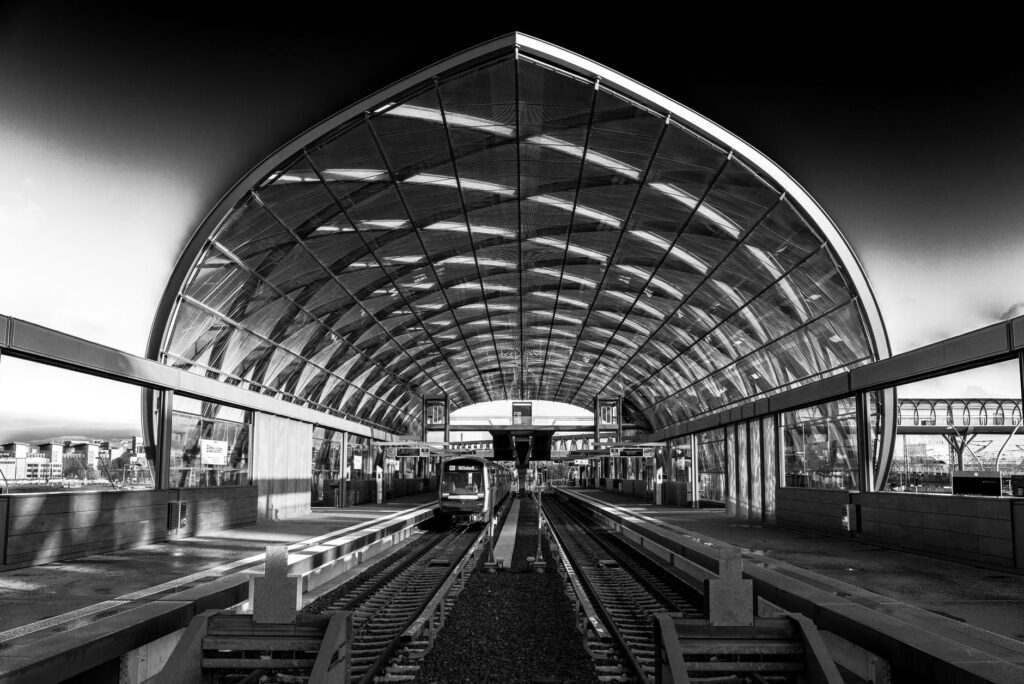
The future of transport in the Sahara does not depend on a single technological solution, but on the intelligent integration of multiple modes of transport. Rail emerges as the ideal medium for mass transport of heavy goods—such as minerals, phosphates, and standardized containers—and for connecting high-capacity logistics hubs. However, its rigidity must be complemented by secondary and tertiary road networks acting as feeders, allowing perishable goods and passengers to reach main stations from remote areas.
- Main railway corridors designed for heavy freight and high freight speeds.
- Complementary road networks for the integration of rural communities and regional tourism.
- Modular logistics hubs located at strategic crossing points and oasis cities.
- Unified traffic control systems via digital technologies and satellite geolocation.
This multimodal network drastically reduces transit times and operating costs, which have historically penalized the region’s economic competitiveness. The digitalization of customs processes and the creation of single windows along borders are elements just as critical as the rail steel itself to guarantee system fluidity.
Financing, Governance, and International Cooperation
The viability of projects of this magnitude far exceeds the national budgets of the countries involved, requiring complex international financing schemes. Regional development banks, sovereign wealth funds, and public-private partnerships (PPPs) have become indispensable actors in structuring multi-million-dollar investments. Attracting private capital demands stable regulatory frameworks, guaranteed legal security, and rigorous transparency in the award and management of construction and operation contracts.

Likewise, diplomatic cooperation between North African and sub-Saharan states is an unavoidable prerequisite. Regional geopolitical tensions have historically hindered the materialization of major cross-border infrastructure projects. Overcoming these political barriers through multilateral dialogue and the pursuit of shared benefits is the true engine driving the renaissance of Saharan connectivity today.
Tourism and Human Mobility in the New Era
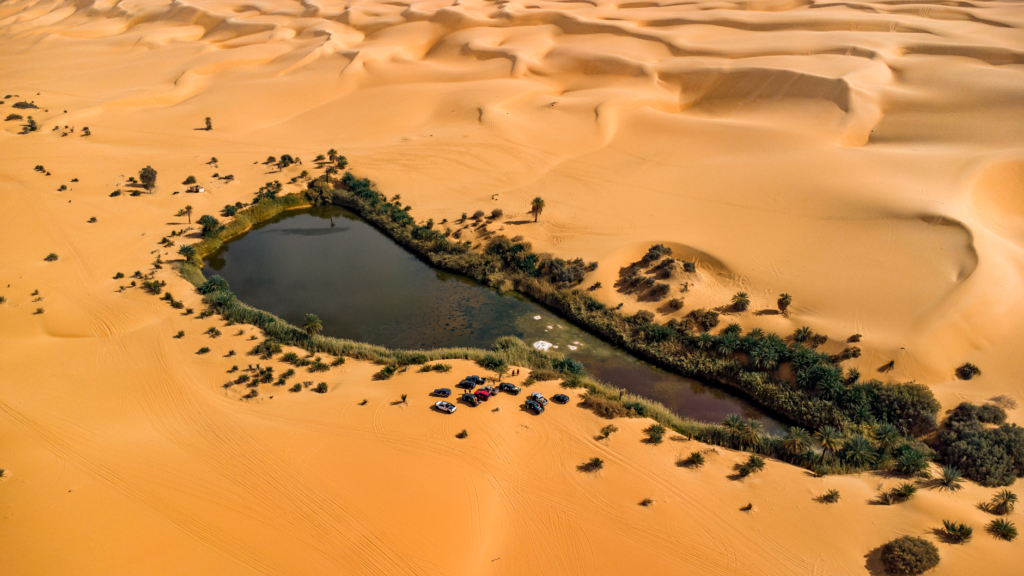
While the primary focus of investment falls on cargo and raw material transport, the opening of new land and rail transport routes has profound implications for human mobility and tourism. The Sahara possesses extraordinary landscape and cultural heritage, ranging from the rock art of the Tassili n’Ajjer to the earth architecture of ancient ksour. Historically, tourism in these regions has been limited by extreme logistical difficulty and security risks.
Facilitating safe travel across the desert through modern infrastructure can transform the Sahara into a world-class ecotourism and cultural adventure destination.
A regulated and predictable transport system not only benefits international travelers seeking authentic experiences, but also facilitates the safe movement of local populations, reinforcing social and cultural cohesion between the north and south of the continent. Integrating passenger services into new railway lines will allow travelers to experience the immensity of the desert with levels of comfort and safety hitherto unattainable.
Practical Information for the Traveler and Logistics Analyst
For professionals and researchers interested in tracking the evolution of transport infrastructure in North and Central Africa, consulting primary institutional sources is essential. African Union Commission reports on Agenda 2063 offer the official strategic framework for the development of continental corridors. Likewise, technical publications from the International Union of Railways (UIC) provide detailed data on interoperability standards and track gauge applied in African projects.

Operationally, logistics companies operating in the region must adhere to customs protocols stipulated by current regional conventions, paying special attention to safety regulations in remote desert areas. It is strongly recommended to verify visa requirements and special movement permits issued by the interior ministries of transit countries, as well as to have contingency plans for satellite communications in areas without conventional mobile network coverage.
Conclusions and Future Prospects
The renaissance of rail and logistics transport in the Sahara marks a turning point in contemporary African history. Leaving behind the notion of the desert as an insurmountable frontier to transform it into a space of fluid and sustainable transit is a milestone that demands political vision, excellence in engineering, and a firm commitment to human development. The financial, technical, and geopolitical challenges are immense, but the potential dividends in terms of economic integration, job creation, and shared prosperity justify the titanic effort.
As trans-Saharan corridor projects advance from feasibility studies to physical execution on the ground, Africa will once again demonstrate its ability to overcome geographical adversity through innovation and cooperation. The future of mobility on the continent is being written today on the rails and routes that patiently reunite what nature separated, opening an unprecedented horizon of opportunities for generations to come.