


Introduction to the New European Rail Map
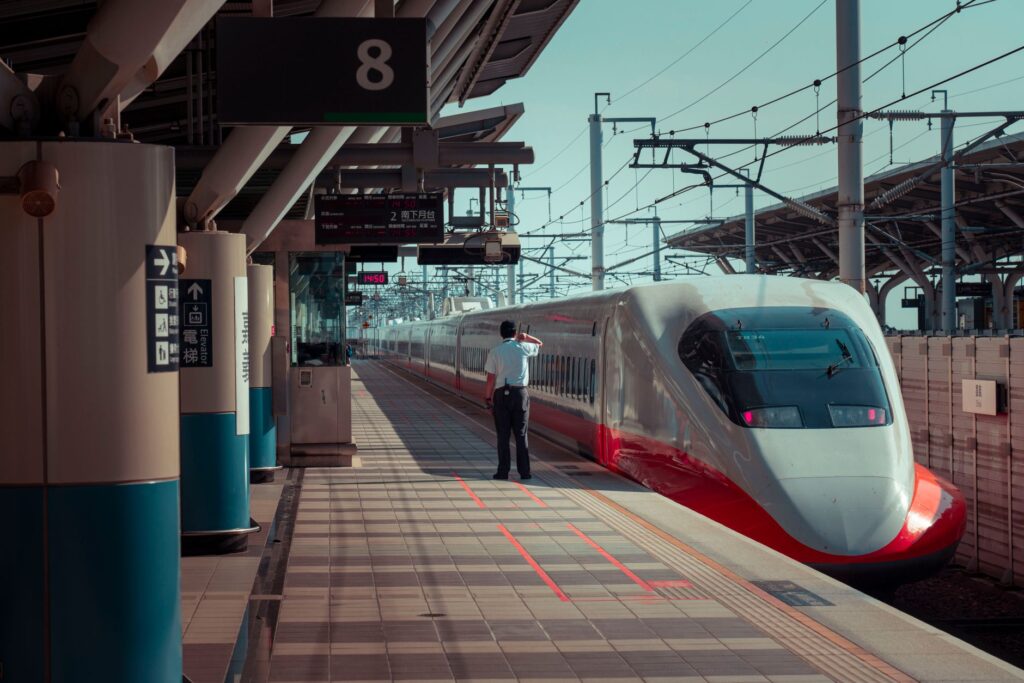
The European continent is undergoing a quiet yet profound transformation in how it perceives distances. Where aviation dominance once prevailed for medium-haul journeys, a dense network of high-speed rail is emerging to reconfigure the territory. This phenomenon is not merely a technical modernization, but a profound cultural and ecological shift. Governments and railway operators, both public and private, are fiercely competing to offer a viable alternative to air travel, deploying trains capable of exceeding 300 kilometers per hour and connecting major capitals in mere hours.
However, this rail renaissance is not immune to structural and financial hurdles. The history of engineering in Europe demonstrates that uniting nations via high-speed tracks requires unwavering political will and staggering budgets. Despite delays and cost overruns, the vision of a unified continent on rails is gaining momentum, fueled by the urgent necessity to reduce greenhouse gas emissions linked to intracontinental air transportation.
Historical Evolution and the Pioneer Model
To understand the current state of high-speed rail in Europe, one must look to the south and center of the continent. France, with the launch of the pioneering TGV between Paris and Lyon in 1981, laid the foundations for a revolution later replicated by Spain, Italy, and, more fragmentarily, Germany. Spain today boasts the most extensive high-speed network in Europe and the second largest globally, surpassed only by China, connecting the Iberian Peninsula from north to south and east to west within highly competitive timeframes.

This early development was not without initial criticism regarding the high costs of construction and maintenance for specialized infrastructure. Nonetheless, time has proven that these investments act as economic catalysts for mid-sized cities integrated into the corridors. The arrival of high-speed lines disincentivizes private vehicle usage and redistributes tourism flows, decentralizing major metropolises and revitalizing traditionally isolated local economies.
High-speed rail is not merely a matter of peak speed, but of the capacity to weave stable, reliable human networks that bridge distant geographical realities.
The Cross-Border Challenge: Overcoming National Barriers
Despite the success of domestic networks, the true Achilles’ heel of European rail remains border crossings. Historically, each nation developed its own signaling systems, track gauges, and safety regulations, creating authentic railway archipelagos incompatible with one another. Traveling by train between Spain and France, or coordinating schedules between Germany and Poland, has long been an exercise in patience for travelers and a logistical headache for operators.
Currently, the European Union is championing the ERTMS (European Rail Traffic Management System), a common signaling standard designed to harmonize cross-border routes. Despite its undeniable necessity, its deployment progresses unevenly. Countries like Switzerland and Austria have invested massively in colossal base tunnels, such as the Gotthard or Brenner tunnels, facilitating the trans-Alpine transit of freight and passengers, while other regions suffer chronic bottlenecks due to a lack of coordinated investment.
Impact on Cultural Tourism and Decentralization
The rise of fast trains is profoundly altering heritage tourism flows. Mid-sized cities that were previously excluded from international circuits due to airport isolation are now experiencing a cultural renaissance. Destinations boasting rich historical, architectural, or gastronomic heritage now receive weekend visitors arriving directly from capitals in under three hours, entirely bypassing the hassles associated with airport security checks.
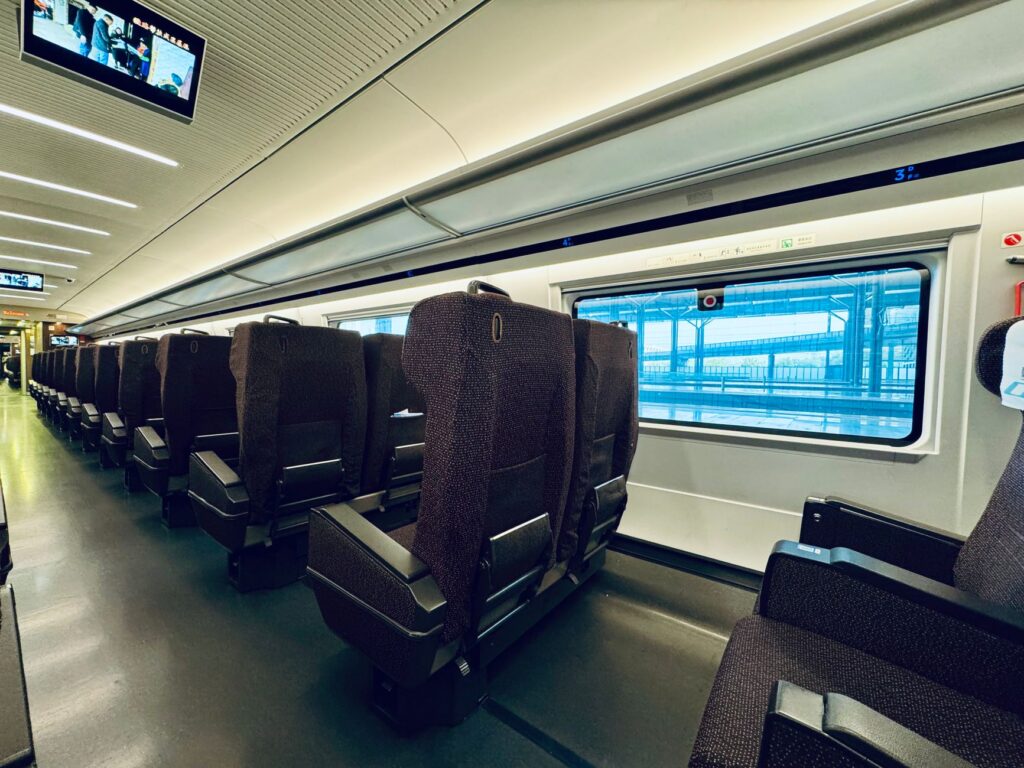
This model fosters calmer, more structured tourism, far removed from the destructive dynamics of over-tourism fueled by low-cost aviation. Travelers can explore university towns, medieval monumental complexes, or wine regions with an infinitely smaller carbon footprint. The journey ceases to be a tedious formality and becomes a natural extension of the travel experience, allowing passengers to contemplate landscape transformations through panoramic windows.
Competition, Liberalization, and Tariff Accessibility
The opening of the rail market to private competition, driven by European Union directives, has triggered a historic shock in countries like Spain and Italy, and to a lesser extent in France and Germany. The arrival of new operators such as Iryo or Ouigo onto tracks traditionally monopolized by state-owned companies has led to a generalized drop in ticket prices and a remarkable increase in available frequencies.
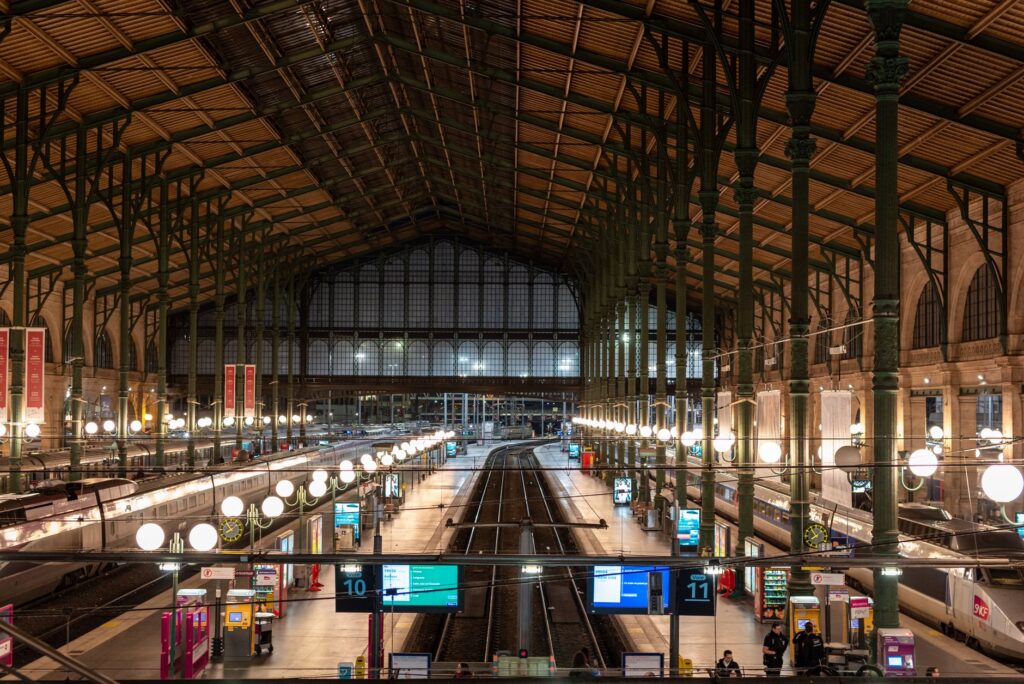
This democratization of access to high-speed rail has transformed the demographic profile of the passenger. Young people, families, and commuting professionals who previously considered the train an inaccessible luxury now use it regularly. Nevertheless, this sudden growth introduces new management challenges in principal stations, which must expand their spaces and optimize security controls to absorb the daily influx of travelers without overwhelming services.
The Strategic Role of Stations as New Urban Hubs
High-speed terminals are no longer mere functional infrastructures; they have evolved into the new architectural and economic hearts of contemporary cities. Stations like Madrid Atocha, Paris Gare de Lyon, or Berlin Hauptbahnhof exemplify this metamorphosis: open-plan spaces integrated into the urban fabric, combining transport services, commercial offerings, cultural spaces, and multimodal connections with local public transit.
These urban interventions revalue entire neighborhoods and enhance sustainable urban mobility. By concentrating arrival flows at strategic points well-connected by metro, tramway, and bicycle networks, the reliance on cars within historic city centers is drastically reduced. Modern railway architecture prioritizes luminosity, energy efficiency, and maximum fluidity in pedestrian traffic.
Investing in a city’s central station is redesigning its future, transforming mobility into the backbone of modern urban life.
Environmental and Maintenance Challenges in the Climate Era
While high-speed rail is championed as the ultimate green solution against commercial aviation, its deployment and maintenance entail environmental impacts that cannot be ignored. The construction of new high-speed alignments requires occupying vast extensions of land, fragmenting natural ecosystems and altering traditional wildlife corridors. Consequently, current regulations demand rigorous environmental impact studies and the installation of corrective measures, such as wildlife crossings and acoustic barriers.
Furthermore, the energy consumption of these convoys traveling at speeds exceeding 300 kilometers per hour is substantial, forcing operators to ensure that electricity is sourced exclusively from renewable generation. Added to this is the aging infrastructure of certain segments inaugurated in the 1990s, which require constant maintenance of ballast, overhead catenaries, and track systems to prevent technical incidents that undermine service reliability.
Travel Planning and Practical Advice for Passengers
Making the most of the European high-speed network requires planning and an understanding of the operational particularities of each country. Although electronic ticketing has vastly simplified the purchasing process, substantial differences remain among operators regarding luggage policies, cancellations, and seat selection. It is advisable to book journeys several weeks in advance to secure the most advantageous promotional fares, especially during peak holiday periods.

- Book in advance: Prices tend to rise exponentially as the departure date approaches.
- Check luggage conditions: Unlike airlines, many trains do not strictly limit weight, but they do regulate the number of bulky items.
- Pay attention to transfers: Allow sufficient connection time between international trains, especially when crossing borders with additional security checks.
- Download official apps: They facilitate real-time ticket management and notify passengers of potential disruptions or platform changes.
Future Outlook: Towards a Truly Integrated European Network
The European rail horizon points towards the consolidation of a single transport space where national borders lose operational relevance. Long-term projects, such as the trans-European freight and passenger corridors, aim to connect North Sea ports with the Mediterranean and Western Europe with the East through high-capacity routes. The European Union has set ambitious targets to double high-speed rail traffic by 2030 and triple it by 2050.
However, achieving these goals will depend on the budgetary stability of member states and their ability to transcend political localism. High-speed rail has proven to be an unbeatable tool for territorial cohesion and ecological transition; the true challenge now lies in completing the cross-border mesh and ensuring that no region is left behind in this revolution on rails.

