The Origins of an Enlightened Ambition in the Plana
At the beginning of the 18th century, the Spanish Crown and noble elites understood that the country’s industrial backwardness was not merely a matter of natural resources, but of method, science, and design. In this context of Bourbon renewal and enlightened spirit, the Count of Aranda, Don Buenaventura Abarca de Bolea y Fernández de Híjar, conceived an unprecedented industrial project in the Iberian Peninsula: the foundation of the Royal Earthenware and Porcelain Factory of Alcora in 1727. Strategically located in the province of Castellón, the factory was not intended to be a conventional artisan workshop, but a modern manufacturing enterprise aimed at competing with Europe’s great glass and ceramic powers, such as Meissen in Saxony and Sèvres in France.
The choice of Alcora was no coincidence. The region possessed the ideal geological conditions: high-quality clay deposits, an abundance of water from the Mijares and Rambla de la Viuda rivers, and sufficient forest biomass to fuel the ceramic kilns that needed to burn continuously. The Count of Aranda understood that elevating the aesthetic quality of local production required importing foreign talent. Thus, the first master turners, painters, and ceramic chemists arrived from France, Flanders, and northern Italy, introducing advanced firing and decoration techniques that would radically transform the industrial and cultural landscape of the Valencian Community.
Science at the Service of Glaze and Relief
The true qualitative leap of the Royal Factory of Alcora lay in the systematic integration of chemistry and botany into manufacturing processes. While traditional pottery production was limited to domestic earthenware with standardized glazes, Alcora’s technical directors constantly experimented with frit formulas, metal oxides, and firing temperatures. The goal was to achieve a finer, whiter, and more resistant body capable of supporting polychrome painting without chromatic distortion during high-temperature firing.
The factory’s historical archives meticulously document trials with cobalt for intense blues, antimony for yellows, and manganese for brown and violet tones. The factory’s technical demands elevated the potter’s craft to the rank of a scientific and artistic discipline. Local workers, trained in the factory’s own workshops, learned to master the art of biscuit—unglazed porcelain with a marble-like texture—and sculptural relief, precisely imitating the canons of European Rococo and, later, the geometric sobriety of Neoclassicism.
Painters, Engravers, and the Refuge of Rococo Aesthetics
During the central decades of the 18th century, Alcora’s production reached its aesthetic zenith thanks to the inclusion of painters and designers trained in the continent’s leading art academies. The factory’s decorative series were divided into several typologies clearly recognized by art historians: the chinoiserie series, inspired by oriental imports that fascinated the court; naturalistic floral garlands and motifs; and mythological and landscape representations influenced by French engravings of the period.
The artists did not merely copy printed sheets; they reinterpreted compositions, adapting them to the curved surfaces of tureens, plates, jugs, and decorative plaques. The collaboration between the turner who shaped the clay and the painter who applied the mineral pigments required millimeter precision, as a brushstroke error on the raw glaze could ruin days of lathe work. This demanding standard turned Alcora’s workforce into one of the most highly skilled working-class aristocracies of 18th-century Spain.
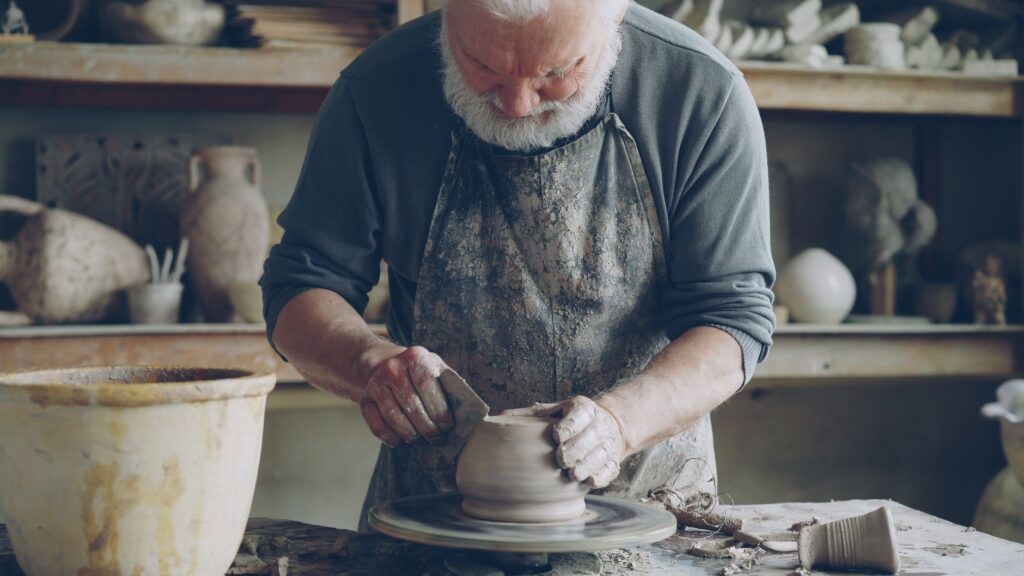
Alcora ceramics are not merely a testimony to an industrial past; they are the mirror in which the Spanish Enlightenment attempted to project its desire for modernity through fire and design.
The Transition Toward Neoclassicism and Industrial Aesthetics
With the arrival of the last third of the 18th century, aesthetic tastes across Europe experienced a Copernican shift. The ornamental excess of Rococo gave way to the archaeological sobriety of Neoclassicism, driven by the discoveries of the ruins of Pompeii and Herculaneum. The Royal Factory of Alcora successfully interpreted this paradigm shift under the direction of new technicians and designers who simplified shapes, introducing purer profiles, miniature classical columns, and monochrome decorations in sepia or green tones on a white background.
This neoclassical stage demonstrated the productive flexibility of the Castellón factory. It was no longer just about providing luxury tableware for the court aristocracy, but about consolidating a diversified catalog ranging from architectural tilework for churches and palaces to small utilitarian pieces for the emerging bourgeoisie. Alcora’s production thus became an early benchmark for industrial design, where the standardization of molds coexisted with personalized pictorial finishes.
Crisis, Decline, and the Fragmentation of the Craft
Like many major enterprises driven by noble and state patronage, the Royal Factory of Alcora was not immune to the political and economic turbulence of the late 18th and early 19th centuries. The Napoleonic Wars, the scarcity of essential raw materials, the rising cost of firewood, and the political transformations of liberalism put an end to the institution’s monopoly and splendor.

Throughout the 19th century, the original factory underwent various processes of leasing, privatization, and corporate fragmentation. The atomization of the large factory into small family workshops scattered across the region marked the end of a golden era, yet it simultaneously planted the seed for Castellón’s current ceramic cluster. The masters trained in Alcora transferred their knowledge to neighboring towns such as Onda, Villarreal, and the provincial capital itself, ensuring the secular survival of the ceramic trade in the region.
Recovered Heritage: The Alcora Ceramic Museum
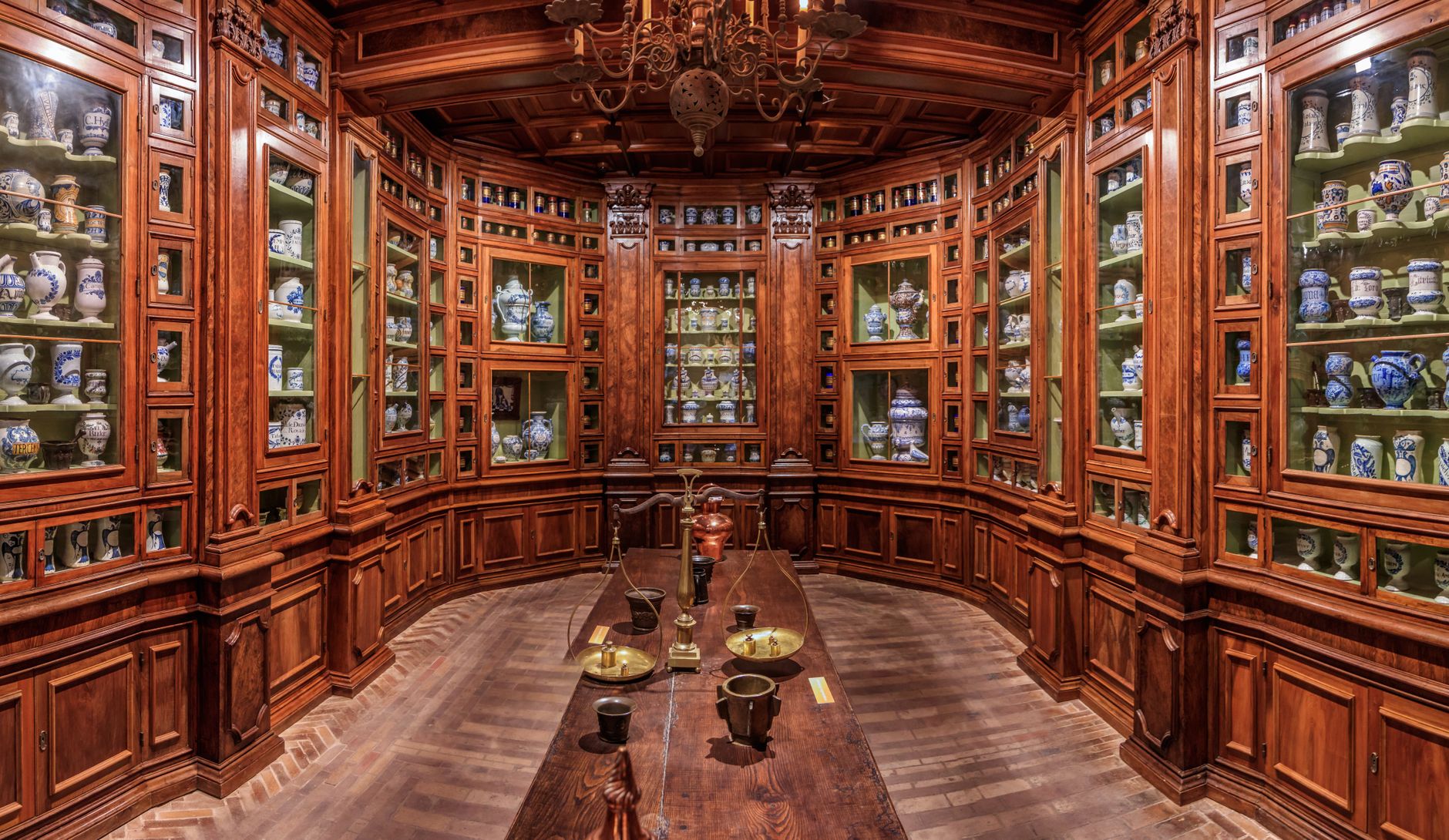
Today, the material and intellectual memory of that enlightened adventure is preserved and studied at the Museu de Ceràmica d’Alcora (MCA), a fundamental institution for understanding the history of ceramic design and technology in Spain. The museum houses an exceptional collection exceeding thousands of pieces, ranging from delicate polychrome earthenwares of the 18th century to neoclassical series and architectural tilework.

The exhibition itinerary goes beyond the mere aesthetic contemplation of objects; it contextualizes the manufacturing process through the display of original molds, turner’s tools, historical pigments, and archival documentation that reconstruct daily life within the factory. The museum functions as an active center for research and outreach, connecting the artisan past with contemporary avant-gardes in industrial design and international ceramic art through its prestigious International Ceramics Competition (CICA).
Industrial Architecture and Landscape in the Plana of Castellón
Visiting Alcora today requires a careful look at the landscape surrounding the municipality, where it is still possible to trace the footprints of industrial archaeology. Although the original buildings of the Royal Factory underwent modifications and demolitions throughout the 19th and 20th centuries, the urban layout and hydraulic infrastructure associated with the harnessing of river water keep the memory of its productive vocation alive.
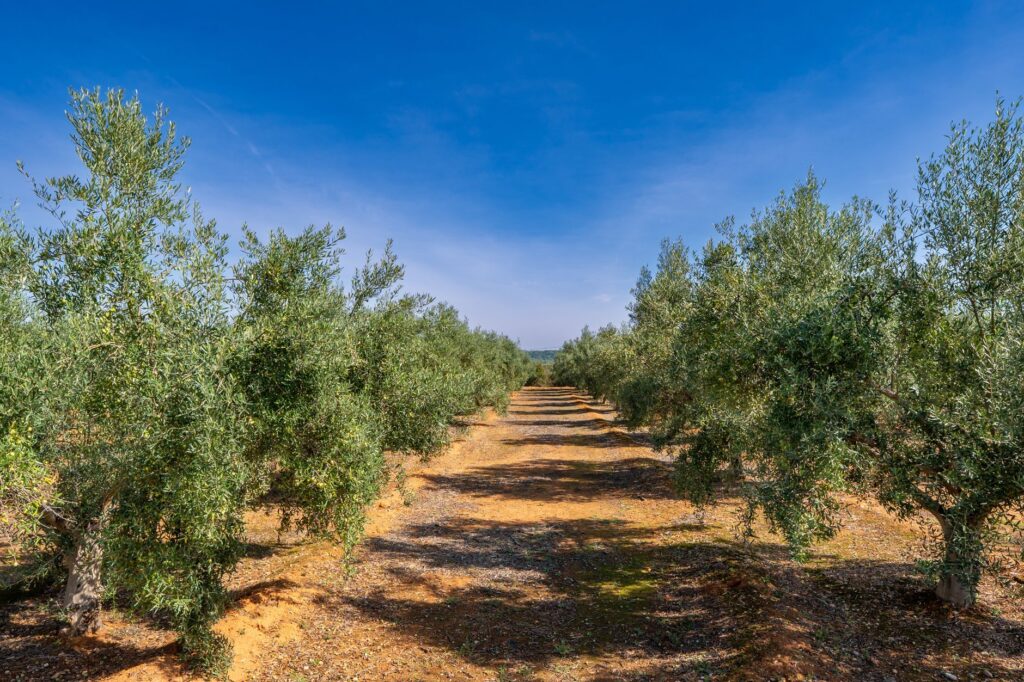
The natural surroundings of the l’Alcalatén region, dominated by ravines, olive terraces, and Mediterranean pine forests, contrast with the intense industrial activity that currently characterizes Castellón’s ceramic axis. Strolling through the streets of Alcora’s old town reveals historical kilns preserved in private plots, facades decorated with traditional ceramic panels, and the proximity of the Mijares River, whose basin served as a vital artery for transporting raw materials and operating the flour mills and fulling mills that complemented the local economy.
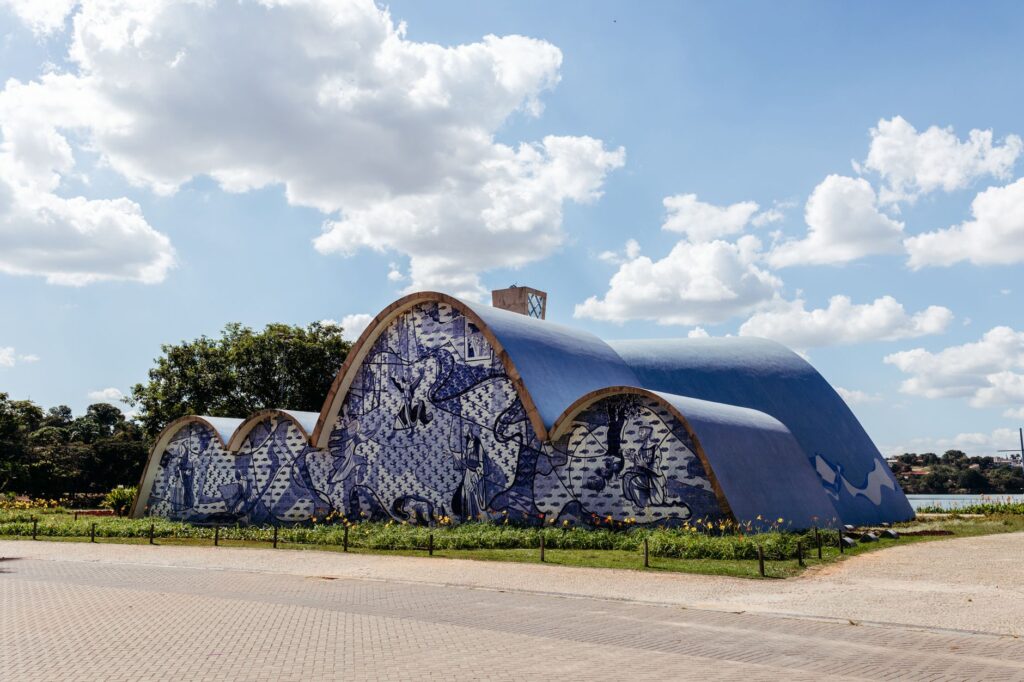
The landscape of the Plana cannot be understood without clay: every clayey hill and every watercourse holds the geological memory that made Alcora’s industrial miracle possible.
Practical Information for the Cultural Traveler
For those wishing to delve into the legacy of the Royal Factory of Alcora, the journey requires a leisurely plan combining institutional visits with exploration of the territory. The Alcora Ceramic Museum is located in the center of the town and is open from Tuesday to Sunday, offering guided tours by prior reservation for its permanent collections and temporary exhibitions. It is recommended to dedicate at least a full morning to exploring its rooms with the attention warranted by one of the most important decorative arts collections in the Valencian Community.
Access to Alcora is convenient from Castellón de la Plana via the CV-16 road, a drive of approximately twenty-five minutes by private vehicle. Regular bus lines also connect the provincial capital with the l’Alcalatén region. To complete the cultural experience, it is advisable to combine the museum visit with a walking route through the natural landscapes near the Mijares River and a stop at local contemporary ceramic workshops, where modern artisans continue to experiment with glazing techniques inherited from the enlightened tradition.
Epilogue: The Relevance of Ceramic Design
The study of the Royal Factory of Alcora transcends the strictly local or regional sphere; it represents a key chapter in the economic and aesthetic history of Europe. At a time when mass production often sacrifices durability and material identity, the technical rigor and artistic ambition of 18th-century ceramists in Castellón offer an enduring lesson on the alliance between science, design, and territory. Alcora remains, by its own right, an indispensable beacon for understanding how clay and fire can transform the culture of an entire people.