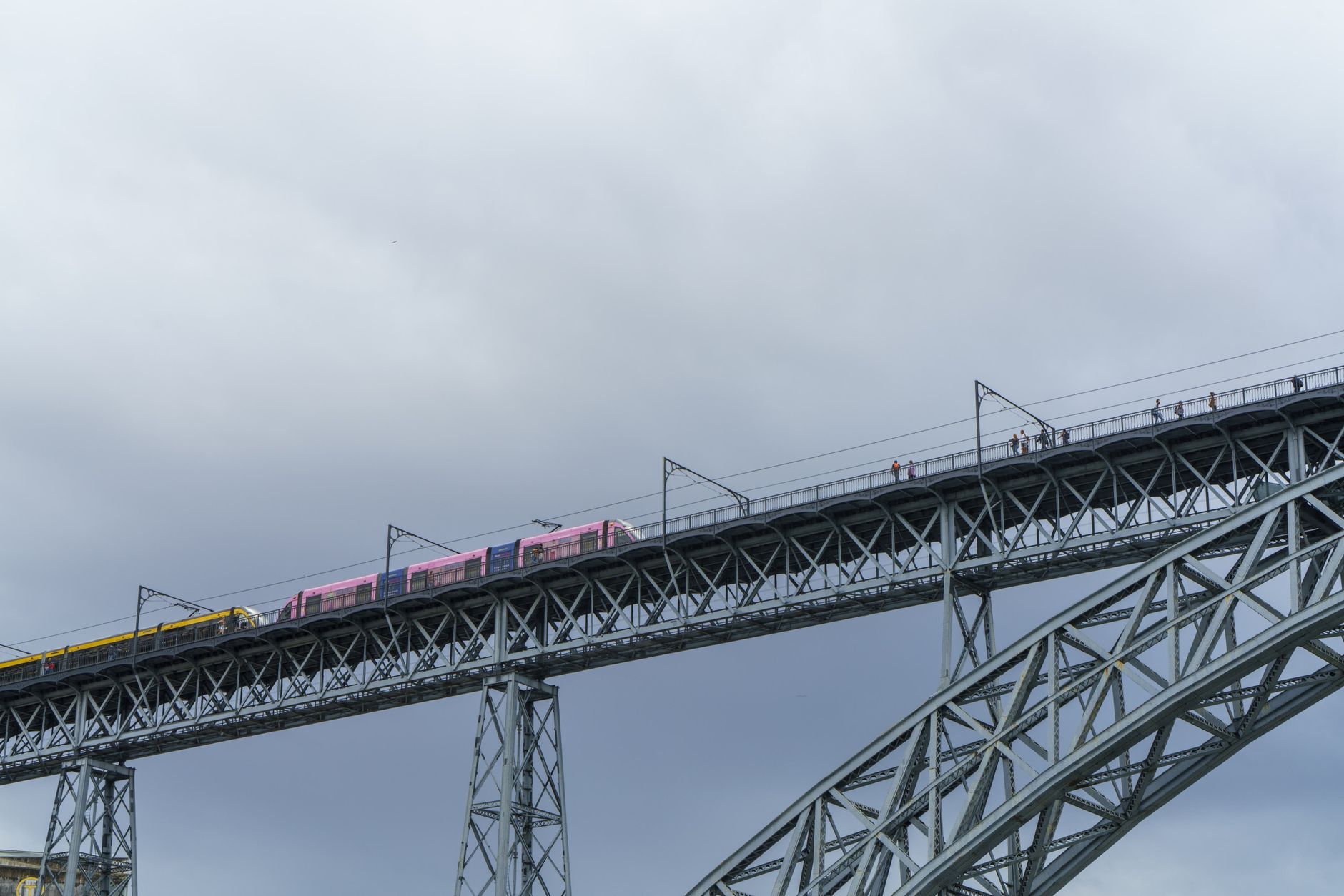

A New Paradigm for Everyday Mobility
For decades, European railway planning has been obsessed with high-speed trunk corridors. Bullet trains connecting capital cities in record time have monopolized budgets, front-page news, and political attention. However, on the periphery of major financial flows—in areas where national borders divide valleys, industrial basins, and shared metropolitan areas—the true revolution of sustainable mobility is taking place at conventional rail speeds. Long forgotten or strangled by interstate bureaucracy, regional and cross-border commuter lines are experiencing a quiet yet profound renaissance.
This resurgence is not a whimsical trend, but an urgent necessity: the imperative to decarbonize daily commutes in regions where reliance on the private car remained the only viable option. The true success of sustainable mobility is not measured by how fast two major capitals connect each morning, but by how easily citizens living on both sides of an artificial border can travel every day. In this context, regional rail emerges as the ultimate tool to stitch local economies back together, reduce emissions, and foster genuine territorial cohesion.
The Administrative Labyrinth of Shared Tracks
Restoring or upgrading a cross-border railway line is rarely just a matter of laying tracks and rolling out trains. The primary hurdle these projects face has never been civil engineering, but rather bureaucratic and legal red tape. Historically, each European nation developed its own signaling systems, safety regulations, electrification voltages, and labor agreements for train drivers. Crossing an international border by rail used to mean—until very recently—stopping trains for hours to switch locomotives or crews.

Fortunately, initiatives driven by the European Union and regional cooperation agencies are streamlining these processes. The homologation of dual-voltage rolling stock and the gradual deployment of the European Rail Traffic Management System (ERTMS) are finally dismantling the technical barriers that turned 20th-century borders into dead ends for public transit. Nevertheless, the process remains slow and demands unwavering political will capable of transcending local and national electoral cycles.
Case Studies: When Borders Stop Being Barriers
A paradigmatic example of this renaissance can be found in the Tri-National Eurodistrict of Basel, where the commuter rail networks of Switzerland, France, and Germany (the tri-national S-Bahn network) increasingly operate as a unified system. Passengers can travel from Mulhouse to Basel or Lörrach using a single app and a single transport ticket, completely ignoring the national borders that once demanded strict passport and customs controls. This level of integration proves that cross-border cooperation is entirely viable when there is a shared metropolitan vision.
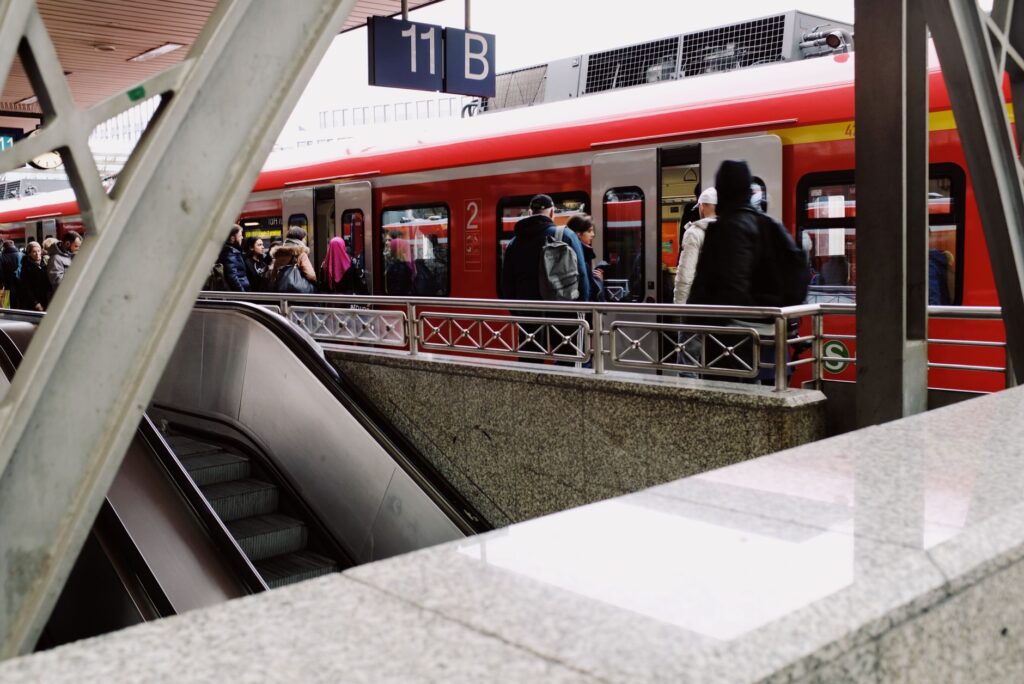
Another notable case is the corridor linking the French region of Lorraine with Germany’s Saarland and Luxembourg. Faced with a massive influx of cross-border workers clogging highways every morning, local authorities coordinated timetables, unified fare structures, and acquired high-capacity trains capable of operating across both networks without interruption. Cross-border rail integration transforms a zone of geopolitical friction into a dynamic, cohesive labor market. This approach not only relieves road congestion but drastically reduces the per capita carbon footprint of these industrial regions.
The Technological Revolution of Rolling Stock
The viability of these secondary and cross-border lines has also changed radically thanks to technological innovation in regional trains. Traditionally, many secondary routes lacked electrification, forcing operators to rely on polluting diesel locomotives or massive investments to install overhead catenary wires across hundreds of kilometers of low-density tracks. Today, the advent of battery-powered multiple units and hydrogen fuel cell trains is completely changing the game.
These new trains can operate on non-electrified segments without directly emitting greenhouse gases into the atmosphere. Furthermore, their acceleration capacity and modular design perfectly match the demands of frequent stops and intermittent passenger flows typical of commuter lines. Railway administrations can thus modernize entire fleets without undertaking mammoth civil engineering works, reducing capital costs and accelerating deployment timelines.

Fare Integration and Digitalization: The Single Ticket
Modern trains and optimized tracks are useless if passengers face an incomprehensible tariff maze. For decades, traveling by train between neighboring countries meant checking different websites, dealing with multiple currencies, and buying separate tickets that offered zero protection in case of delays or missed connections. The true digital transformation of cross-border commuting relies on the interoperability of ticketing systems.
Today, regional transport agencies are embracing Mobility-as-a-Service (MaaS) platforms that allow travelers to plan, book, and pay for complex cross-border journeys directly from their smartphones. Simplicity in accessing public transport is the most decisive factor in convincing users to abandon their private cars. When physical tickets vanish and are replaced by a unified digital gateway, the border ceases to be a mental obstacle and becomes an invisible administrative detail.
Socioeconomic Impact on Local Communities
The strengthening of these railway connections has repercussions that extend far beyond mere mobility statistics or emission reductions. Revitalizing a cross-border commuter line means rebalancing territories demographically. Many small rural towns located near borders suffered from constant depopulation due to their functional isolation from major employment and service hubs situated just across the dividing line.

By improving frequencies and cutting travel times, young people and families can afford to live in rural areas with more accessible housing costs while keeping their jobs in neighboring urban centers—even if those centers belong to another country. Similarly, proximity tourism benefits immensely: hikers and visitors from one country can easily access natural parks, walking trails, and cultural heritage across the border without relying on automobiles.
Outstanding Challenges: Funding and Maintenance
Despite widespread enthusiasm, the path toward a fully integrated cross-border commuter rail network is fraught with financial pitfalls. Maintaining railway infrastructure is costly and requires stable multi-year budgets. Unlike major high-speed lines, which often secure direct state funding or high-visibility European grants, regional and cross-border lines frequently depend on fragile collaborations among local, regional, and national administrations from different countries.

When governments change or public budgets tighten, these secondary lines are usually the first to suffer service cuts or delays in renewal investments. Securing a sustainable, long-term cross-border financing model remains the greatest pending challenge for European legislators. Without guaranteed budgetary commitments, the risk of these networks falling back into obsolescence is real.
Practical Information for Travelers and Planners
For those interested in utilizing or studying these cross-border commuter networks, several fundamental tools and guidelines facilitate the experience:
- Route Planning: Use official regional apps (such as SBB in Switzerland, SNCF in France, or DB in Germany) that integrate cross-border segments rather than relying solely on generic global search engines.
- Passes and Flat Rates: Check for special regional transit passes (such as Germany’s Deutschlandticket, which under specific bilateral agreements often extends to border stations in neighboring countries).
- Bikes Onboard: The vast majority of new cross-border regional trains accommodate bicycles free of charge or for a minimal fee, ideal for combining train travel and cycling in border regions.
- Passenger Rights: Remember that cross-border commuter journeys are governed by specific inter-operator cooperation frameworks; always check the particular compensation terms for delays on the operating companies’ websites.
Final Reflection: Towards a Seamless Territory
The renaissance of regional and cross-border commuter rail represents much more than a mere upgrade in public transport offerings. It is the physical realization of a seamless Europe, where national borders lose their power to fragment citizens’ daily lives. By prioritizing everyday, sustainable mobility at a human scale, regions prove that the future of transport does not necessarily lie in the supersonic speed of mega-projects, but in the reliability, accessibility, and intelligence of a networked web that connects people where they actually live, work, and coexist.