
Introduction to the Sea of Giants
The Mediterranean Sea, often perceived by the casual traveler as a tranquil and sun-drenched expanse ideal for summer leisure, actually conceals an extraordinary ecological dynamic. In its northwestern sector, bordered by the coasts of Tuscany, Liguria, the Principality of Monaco, southeastern France, and northern Corsica, lies the Pelagos Sanctuary, one of the most unique marine protected areas on the planet. Rather than a closed reserve restricting human activity, it is a pioneering international agreement conceived for the protection of marine mammals. Here, abrupt bathymetry, underwater canyons, and nutrient upwellings driven by local winds generate a highly productive ecosystem that attracts stable populations of fin whales, sperm whales, and various dolphin species year after year. Understanding this space requires looking beyond the surface and delving into the intersection of oceanography, commercial navigation, and scientific ecotourism.
Geography and Oceanography of the Cetacean Corridor
The perimeter of Pelagos encompasses approximately 87,500 square kilometers of open sea and territorial waters, forming an imaginary triangle between the Giens Peninsula in France, the Gulf of Fos, Cape Falcone in Sardinia, and the Gulf of Fosco on the Tuscan coast. What makes this sector of the Mediterranean a privileged refuge for marine megafauna is its complex underwater morphology. Just a few kilometers offshore, the seabed drops steeply through deep submarine canyons, such as the Genoa and Corsica canyons. These geological formations act as natural funnels that channel upwelling currents rich in mineral and organic nutrients. This oceanographic phenomenon, known as upwelling, stimulates an intense proliferation of phytoplankton, which in turn sustains dense populations of Mediterranean krill (Meganyctiphanes norvegica), the fundamental food source for the fin whale (Balaenoptera physalus), the second-largest animal on Earth.

The Fin Whale and the Residents of Pelagos
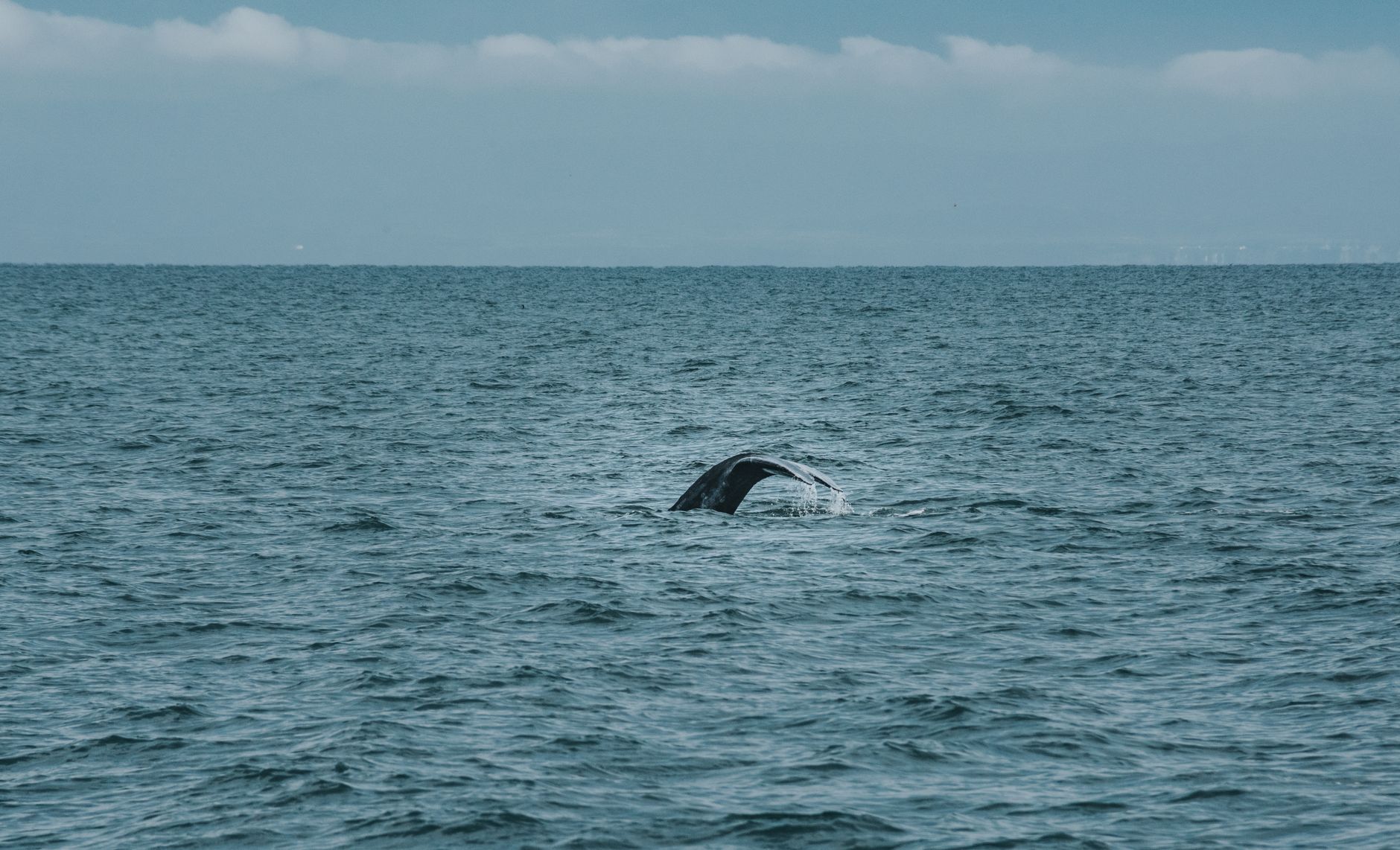
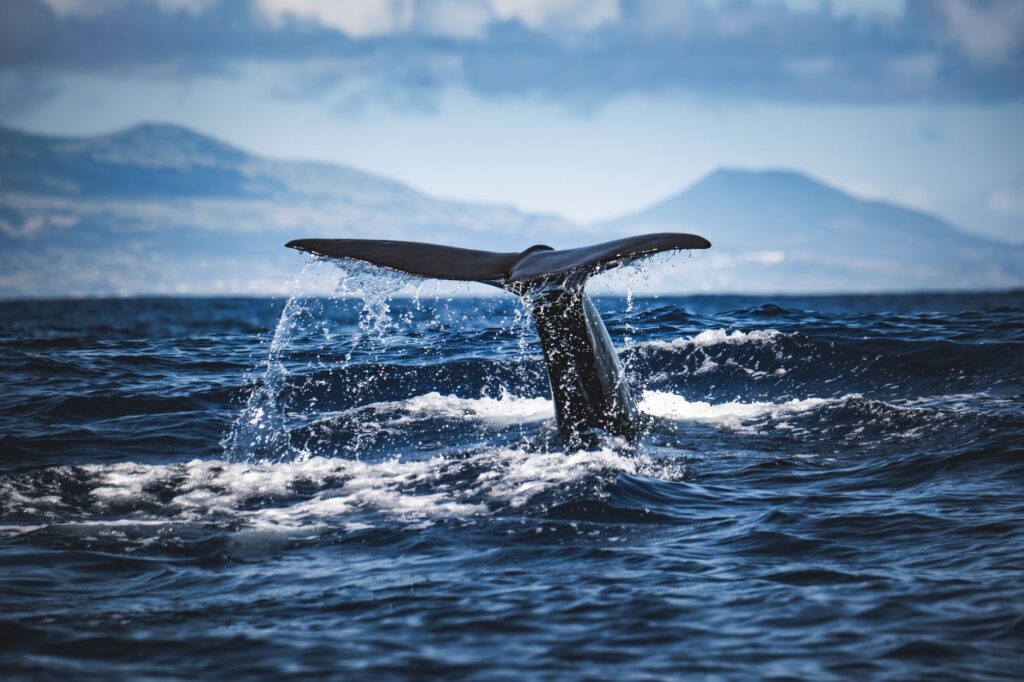
The most emblematic inhabitant of this sanctuary is undoubtedly the fin whale. Reaching lengths that can exceed twenty meters, these marine giants use Pelagos primarily as a feeding ground during the summer months before migrating toward more open or southern waters. Unlike their oceanic counterparts, Mediterranean populations exhibit unique genetic and behavioral traits adapted to the semi-enclosed characteristics of this sea. Alongside them, the sperm whale (Physeter macrocephalus) finds the ideal habitat in the submarine canyons of Pelagos to dive to great depths in search of the giant and deep-water squid that make up its diet. The dives of these cetaceans can last for over forty hours, after which they surface to recover through intense breaths visible from a great distance. The mosaic of pelagic biodiversity is completed by bottlenose dolphins, striped dolphins, and common dolphins, alongside the occasional presence of Cuvier’s beaked whales and killer whales.
Anthropogenic Threats and the International Framework
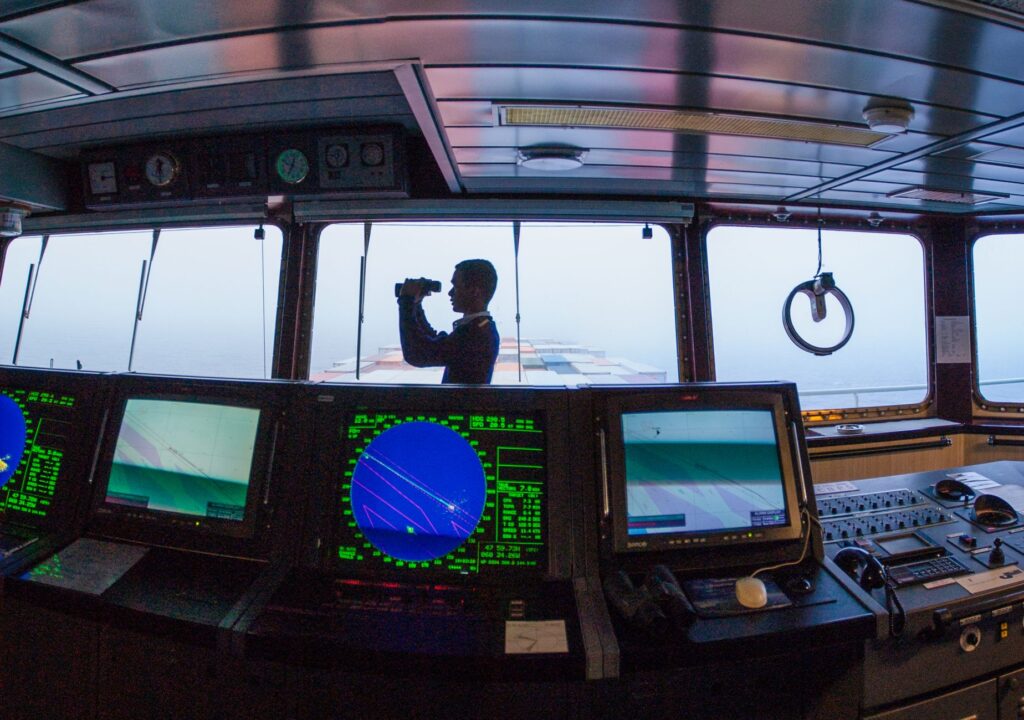
Despite its protected status, the Pelagos Sanctuary faces unprecedented anthropogenic pressure. This marine region supports one of the highest densities of maritime traffic in the world, flanked by major commercial ports, high-speed ferry routes, and intense recreational boating activity during the summer. The most direct consequence of this congestion is the high incidence of collisions between vessels and cetaceans, a phenomenon that constitutes one of the primary causes of non-natural mortality for the fin whale in the Mediterranean. Added to this is underwater acoustic pollution generated by engines and military sonars, which disrupts the communication and echolocation channels of the animals. To mitigate these issues, the governments of France, Italy, and Monaco signed the constituent agreement of the sanctuary in 1999, formally ratified in 2002, establishing common guidelines for scientific research, navigation regulation, and public awareness.
Scientific Tourism and Responsible Observation
Over the past two decades, the development of marine ecotourism in Pelagos has undergone a profound transformation, shifting from simple commercial whale-watching excursions toward scientific tourism models where travelers assume an active role. Various non-governmental organizations and marine-biological research institutes operate from ports along the Italian Riviera and the French Côte d’Azur, embarking citizen volunteers on short- and medium-term scientific expeditions. During these voyages, participants assist in recording sightings, photo-identifying the dorsal fins of sperm whales and dolphins, and collecting acoustic samples. This mode of travel not only generates vital economic resources to fund independent conservation programs but also fosters deep environmental awareness among visitors, who learn to interpret animal behavior under strict codes of conduct that prohibit intrusive approaches, swimming with cetaceans, and navigating at inappropriate speeds in sensitive areas.
The sea is not a static postcard backdrop, but a complex living fabric where every vessel and every traveler directly influences the survival of the giants that inhabit it.
The Key Role of Base Ports and Land-Based Research
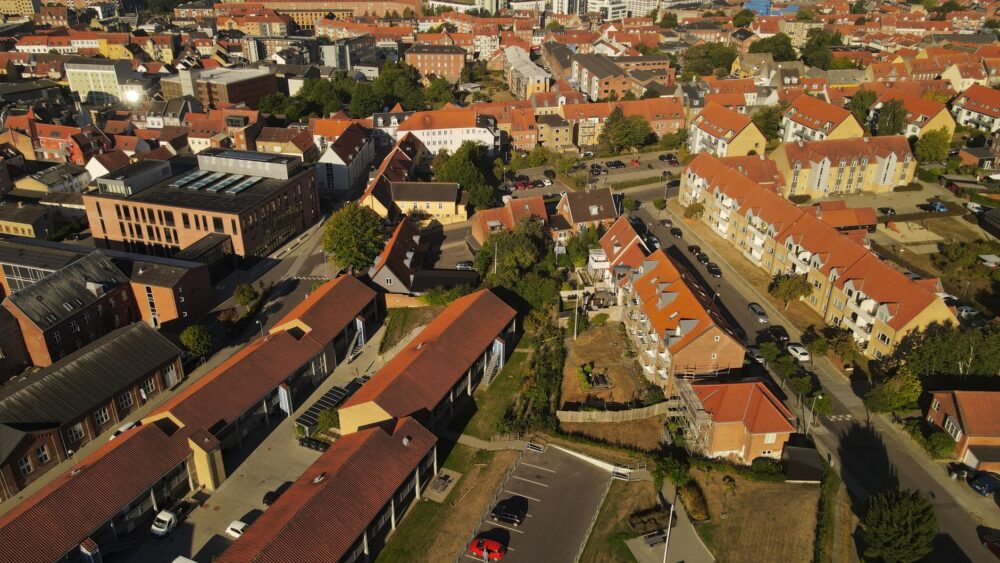
Managing the Pelagos Sanctuary requires robust logistical infrastructure distributed along continental and insular coasts. Ports such as Imperia, Sanremo, and Genoa in Italy, or Nice, Antibes, and Toulon in France, function as nerve centers from which both environmental patrol vessels and oceanographic research boats set sail. On land, laboratories and marine interpretation centers continuously analyze data collected at sea. Among the most advanced tools is the use of remote hydrophones anchored at strategic points on the seabed, capable of recording cetacean vocalizations in real time and correlating them with merchant ship trajectories. These systems allow for early warnings to be issued to large vessel captains to reduce speed when fin whales are detected along commercial routes, a preventive measure that has proven to dramatically reduce fatal collision rates.
Legislation, Governance, and Future Challenges
Governing a protected marine area spanning international waters and the jurisdictions of three sovereign countries presents complex bureaucratic and operational challenges. The Pelagos Agreement Permanent Committee meets periodically to coordinate national conservation policies, harmonize regulations on fishing and maritime traffic, and evaluate the conservation status of marine mammal populations. However, experts point out that the main challenge lies in the effective enforcement of existing laws and the allocation of adequate budgets for surveillance. The expansion of floating offshore wind energy projects in the western Mediterranean and the projected increase in international maritime transport require constant vigilance and adaptation of management plans to prevent industrial pressure from saturating the ecological carrying capacity of this marine corridor.

Trip Planning: How to Visit Pelagos Sustainably
For travelers interested in exploring the Pelagos Sanctuary from a respectful and rigorous perspective, planning requires meticulous selection of local operators. It is recommended to prioritize companies and expeditions that work in direct collaboration with biological research institutes or hold best-practice certification issued by the sanctuary authorities. The optimal season for cetacean observation and study spans from late May to September, coinciding with the period of greatest meteorological stability and seasonal food concentration. The most accessible starting points are located in the Italian Liguria and the French Maritime Alps ports. It is essential to remember that wildlife sightings are never guaranteed and are part of the inherent unpredictability of the wild, meaning the primary value of the experience lies in on-site learning and direct contribution to citizen science.

Practical Information for Travelers and Scientists
- Getting There: The international airports of Nice (France) and Genoa (Italy) offer direct rail and road connections to most sanctuary base ports.
- Optimal Season: From June to September, when sea conditions are most favorable and fin whale and sperm whale populations reach their peak summer concentration.
- Recommended Operators: Look for agencies and associations that include marine biologists on board and limit passenger numbers per departure to prevent acoustic stress on the animals.
- Necessary Equipment: Windproof waterproof clothing, non-slip footwear, stabilized binoculars, biodegradable sunscreen, and cameras with mid-range telephoto lenses for identification photography.
- Approach Regulations: Strictly respect the minimum safety distance of one hundred meters, avoiding crossing the animals’ travel path or encircling them with the vessel.
Responsible marine ecotourism transforms the passive spectator into an active defender of the aquatic environment, proving that economy and conservation can coexist in harmony.
Final Reflections on Marine Balance
The Pelagos Sanctuary represents a pioneering yet unfinished model in regional ocean protection. Its very existence demonstrates that international cooperation is possible even in marine basins heavily strained by human activity and industrial development. However, the long-term survival of fin whales, sperm whales, and dolphins in this inland sea depends as much on high-level political decisions as on the maturity and sensitivity of every traveler who chooses to navigate its waters. Embracing scientific tourism, devoid of artifice and centered on informational rigor, is the only viable path to ensuring the Mediterranean Sea retains not only its scenic beauty, but also the deep, ancestral heartbeat of its rightful giants.