
Introduction to the Iberian Refuge
The northwestern region of the Iberian Peninsula harbors one of Europe’s best-kept natural secrets: a territory where the Iberian wolf (Canis lupus signatus) has managed to withstand the onslaught of modern history. The Sierra de Culebra, located in the province of Zamora, is not an alpine postcard or an impenetrable jungle; it is a landscape of rolling low mountains dominated by cistus shrublands, oak woods, and pine plantations, concealing one of the highest wolf densities in Western Europe. Here, the apex predator is neither a children’s storybook legend nor a conservationist abstraction, but a daily ecological actor that shapes the behavior of deer, roe deer, and wild boars.
For decades, the relationship between this canid and human communities was marked by open conflict. However, in recent years, the area has witnessed a paradigm shift driven by science, legal protection, and a new understanding of nature tourism. This feature examines how the Sierra de Culebra has become a living laboratory of coexistence, where the challenge is no longer merely preventing the extinction of the species, but learning to live alongside it in an aging and profoundly transformed rural environment.
Biology and Territory of Canis Lupus Signatus
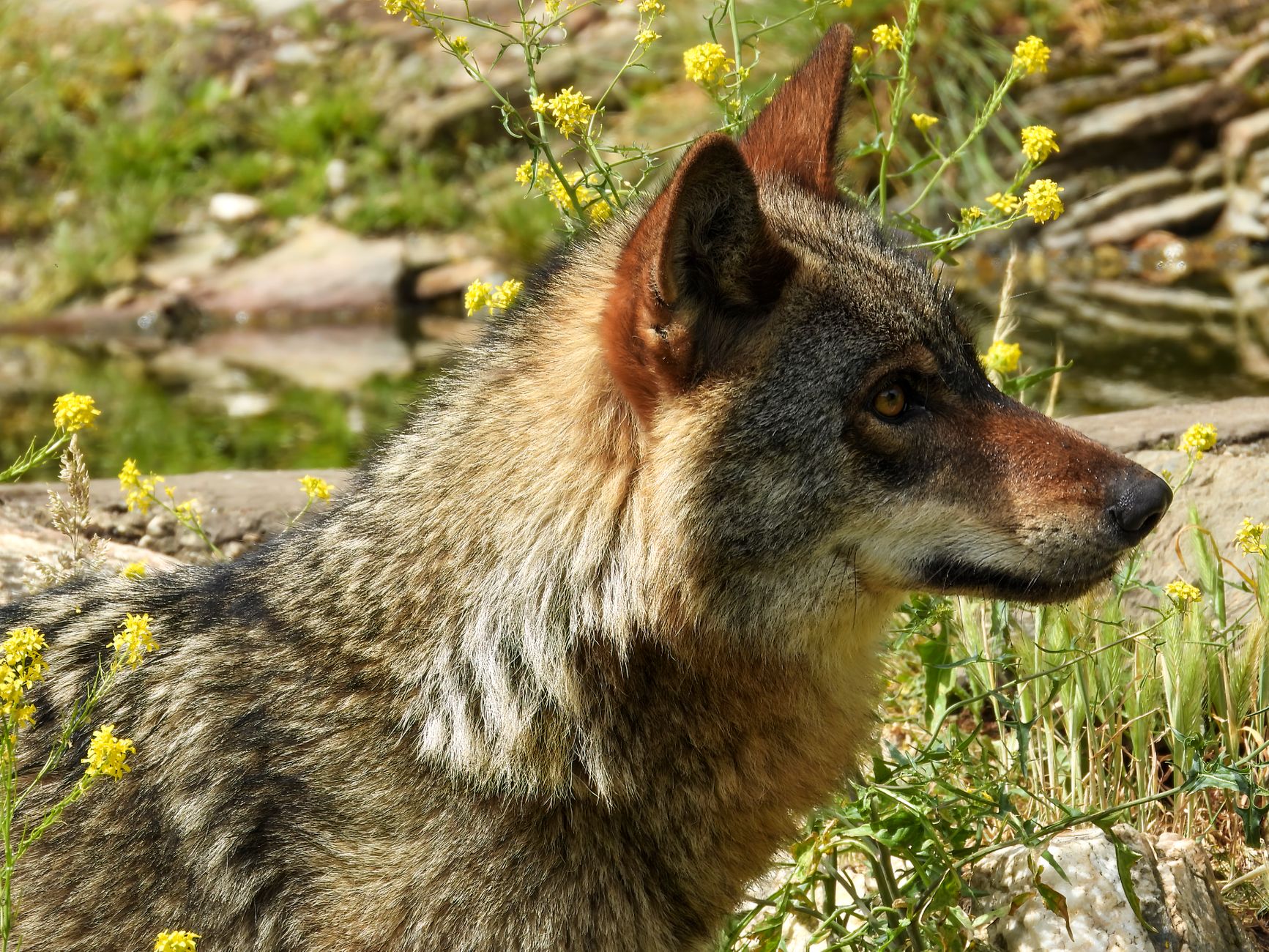
The Iberian wolf differs from its European and Asian relatives through a series of unique morphological adaptations. It is slightly smaller, featuring warmer coat tones and distinctive dark markings on the front legs and snout that resemble a signature, hence its taxonomic epithet signatus. These characteristics are the result of millennia of peninsular isolation, during which the species developed hunting and survival strategies perfectly suited to Mediterranean and Atlantic scrublands.
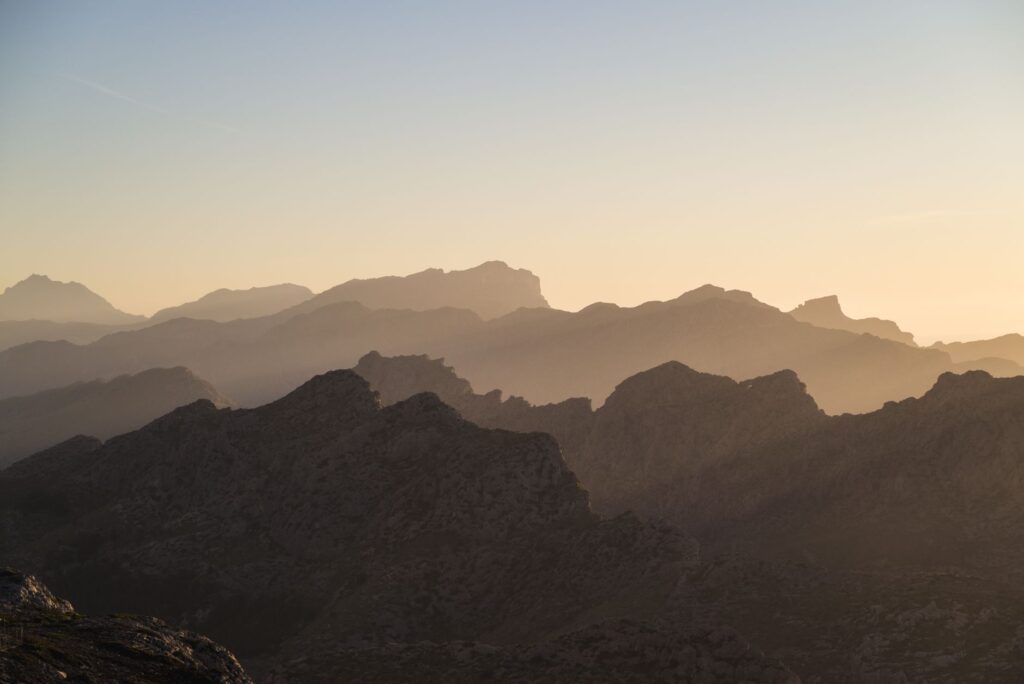
In the Sierra de Culebra, wolves find an ideal habitat due to the abundance of wild ungulates. The population of red deer and roe deer, recovered over the second half of the 20th century, provides the primary sustenance for the stable packs roaming the Zamoranian valleys and slopes. Each pack defends a clearly demarcated territory, a vital space spanning dozens of square kilometers constantly patrolled to keep competitors away and secure breeding resources.
The presence of the wolf is not a geographical accident, but the pulse that keeps the balance of Iberian woodlands alive.
The Ecological Role as a Keystone Species
Contemporary ecology recognizes the wolf as a keystone species. Its influence on the ecosystem extends far beyond the number of individuals composing the packs. By preying on herbivores such as deer and roe deer, the wolf induces what biologists term the ecology of fear: it modifies the movement and foraging patterns of its prey. Ungulates can no longer graze indefinitely in vulnerable riparian zones or forest clearings, allowing the natural regeneration of riverside vegetation and young tree shoots.

This cascading effect benefits a multitude of organisms, from forest birds to saproxylic insects and small mammals finding refuge in recovering vegetation. Furthermore, the remains of prey brought down by wolves sustain a rich community of scavengers, including endangered species such as the cinereous vulture and Egyptian vulture, which depend on these trophic inputs to complete their life cycles under optimal conditions.
History of Persecution and Legal Protection
The modern history of the wolf in Spain is a tale of extreme survival. Throughout much of the 20th century, the species was systematically persecuted through official drives, poisonings, and economic bounties. By the early 1970s, the Iberian population was on the brink of collapse, reduced to isolated strongholds in the northwestern peninsula. It was thanks to the pioneering work of naturalists like Félix Rodríguez de la Fuente that Spanish society began to perceive the wolf not as vermin to be exterminated, but as an irreplaceable symbol of wilderness.
The legal turning point arrived with the inclusion of the wolf in the List of Wild Species under Special Protection Regime (LESPRE) in September 2021, banning hunting across the national territory. This measure, while celebrated by conservationist groups, sparked intense controversy with the livestock sector and regional administrations north of the Duero, traditionally accustomed to managing the species through hunting quotas. The current debate reflects the tension between state biodiversity protection legislation and the demands of a rural world demanding immediate solutions to economic damages.
Observation Tourism: Economics and Ethics
Parallel to the debate over its legal status, the Sierra de Culebra established itself as Europe’s epicenter for wolf-watching tourism. Naturalists, photographers, and wildlife enthusiasts flock each year to authorized viewpoints, equipped with spotting scopes, hoping to catch a glimpse of a specimen crossing a firebreak or resting on an opposite slope at dawn.
This activity has generated an alternative source of income for rural lodgings, local guides, and service companies, proving that a live wolf can provide more economic value to the region than a harvested one. However, experts warn of the need to strictly regulate the activity. Overcrowding, the imprudent use of acoustic lures, or getting too close to breeding areas can alter the natural behavior of the animals and generate additional resentment among local inhabitants.
The Conflict with Extensive Livestock Farming
It is impossible to address wolf conservation without examining the reality of extensive livestock farming, the sector most affected by its presence. In the Zamoranian region, sheep and goat herds traditionally graze under semi-extensive regimes. Despite prevention systems, wolf attacks still occur, causing economic losses and deep emotional strain among rural professionals.
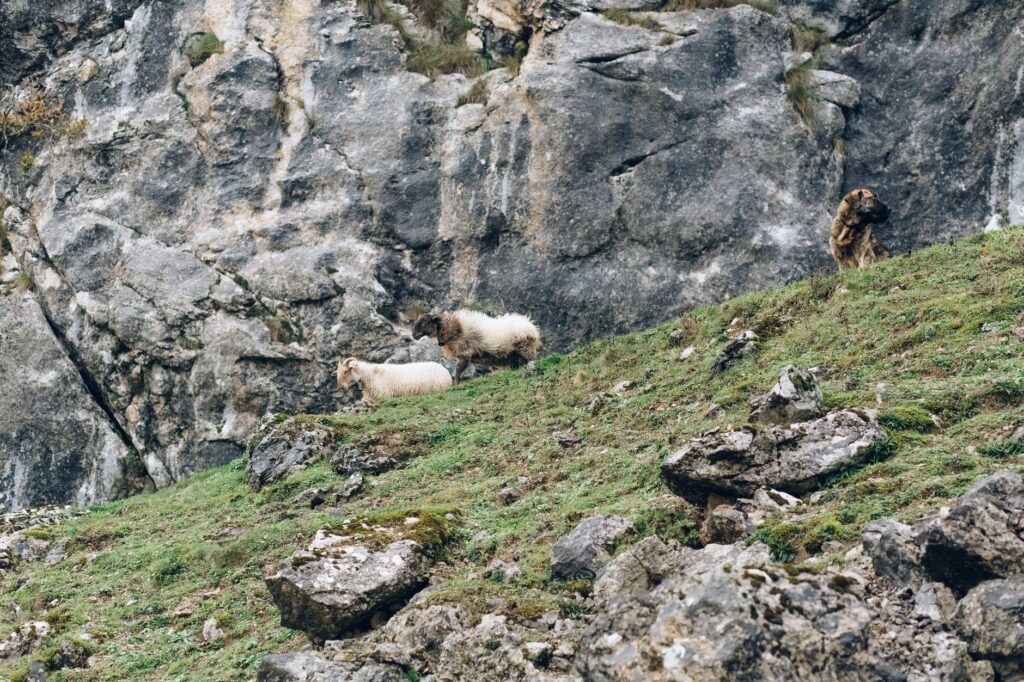
Mitigation measures are essential to reduce conflict. The use of properly selected and socialized livestock guardian dogs (mastiffs), nocturnal enclosure in secure corrals, and the establishment of agile compensation lines for damages are indispensable tools. Nevertheless, farmers frequently report that administrative aid arrives with excessive delay and that bureaucracy stifles generational turnover in the countryside.
The true success of conservation is measured not only by the wolf census, but by the economic and social viability of those who inhabit its territory.
Scientific Management and Population Monitoring
Rigorous monitoring of wolf populations is a complex task combining traditional methods and advanced technologies. Biologists and environmental agents employ camera trapping, genetic analysis of scats, and GPS telemetry tracking collars to estimate pack sizes, reproductive rates, and annual mortality.

These scientific data are fundamental for designing adaptive management plans. However, disparities between autonomous communities and the central state have historically hindered the implementation of a unified strategy. Science insists that any decision regarding the species must rely on updated, transparent censuses, free from political polarization and centered on long-term genetic viability.
Practical Information for the Responsible Traveler
For those interested in exploring the Sierra de Culebra environment from a respectful, low-impact perspective, certain operational guidelines must be observed. The best season for wildlife observation comprises autumn and spring, when temperatures are mild and vegetation does not hinder visibility on slopes.
- Access: The region is primarily accessible by road from Zamora city via the N-631 highway, which serves as the backbone of the Regional Hunting Reserve territory.
- Accommodation: Numerous rural tourism establishments adhere to environmental best practice codes and support the local economy.
- Local Guides: Hiring authorized professional guides who know protected area regulations and guarantee a safe distance without disturbing wildlife is strongly recommended.
- Equipment: Quality binoculars, a spotting scope, appropriate mountain footwear, and neutral-toned clothing to blend into the environment are essential.
- Ethical Rules: Visitors must never leave authorized trails, feed wildlife, or attempt to approach animals during their active periods.
Final Reflection on the Future of the Predator
The renaissance of the Iberian wolf in the Sierra de Culebra is a testament to the resilience of nature and the tenacious effort of generations of conservationists. However, the long-term survival of the species depends not only on administrative decrees, but on building bridges of understanding between biodiversity conservation and the well-being of rural populations. The wolf will continue to howl in the Zamoranian mountains to the extent that society proves capable of valuing both the cost and the privilege of sharing territory with a wild predator.