Introduction to an Alpine Sanctuary of Centuries-Old Peaks
The Gran Paradiso National Park, Italy’s oldest national park, stretches majestically across the territories of Piedmont and the Aosta Valley. Crowned by its namesake 4,061-meter summit, this formidable mass of rock and ice represents much more than a mere geographical landmark: it stands as a living testament to modern conservation in Europe. Unlike other heavily commercialized Alpine massifs dominated by mass tourism and vast ski resorts, Gran Paradiso has preserved an untamed profile, where the silence of glacial valleys and the sheer verticality of its ridges dictate the rules of the land.
The history of this territory is inextricably linked to the Italian monarchy. In 1856, King Victor Emmanuel II declared the region a royal hunting reserve to protect the vulnerable population of Alpine ibex (Capra ibex), which stood on the brink of extinction across the entire Alpine arc. This initial royal decree laid the groundwork for the Crown to cede the land to the Italian state in 1922, establishing the country’s first national park. Today, hiking along its trails means stepping into a natural laboratory where territorial management constantly seeks equilibrium between biodiversity and human presence.
Geology and Glacial Evolution in the Gran Paradiso Valleys
The geological architecture of the massif is the result of millions of years of tectonic collision between the African and European plates, a process that thrust up the Alps and exposed complex layers of metamorphic rocks, primarily gneiss and schists. During Quaternary glaciations, massive tongues of ice carved out the Valsavarenche, Cogne, and Soana valleys, shaping characteristic U-shaped profiles and leaving lateral moraines that today serve as open-air textbooks for geologists and mountaineers.
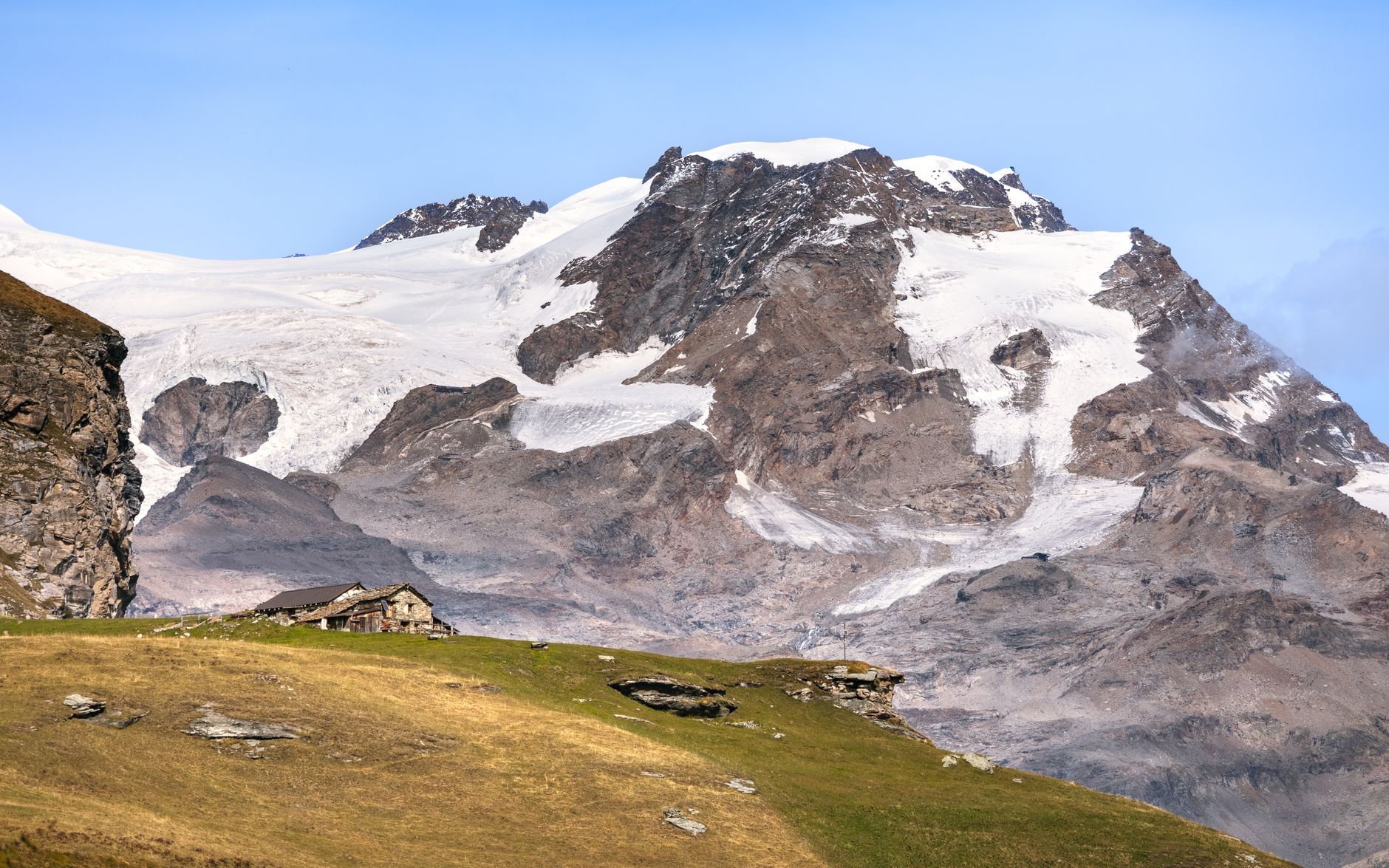
The ongoing retreat of glaciers, meticulously documented by researchers from the University of Turin and the Italian Glaciological Committee, poses one of the park’s most pressing challenges. Historic glaciers such as Gran Etret and Tribulaun are experiencing accelerated shrinkage, altering the hydrological regime of Alpine torrents and affecting slope stability. Permafrost thawing in higher elevations triggers unpredictable rockfalls, forcing park managers and local mountain guides to continuously reassess and adjust historic high-altitude routes.
The Recovery of the Alpine Ibex and Iconic Wildlife
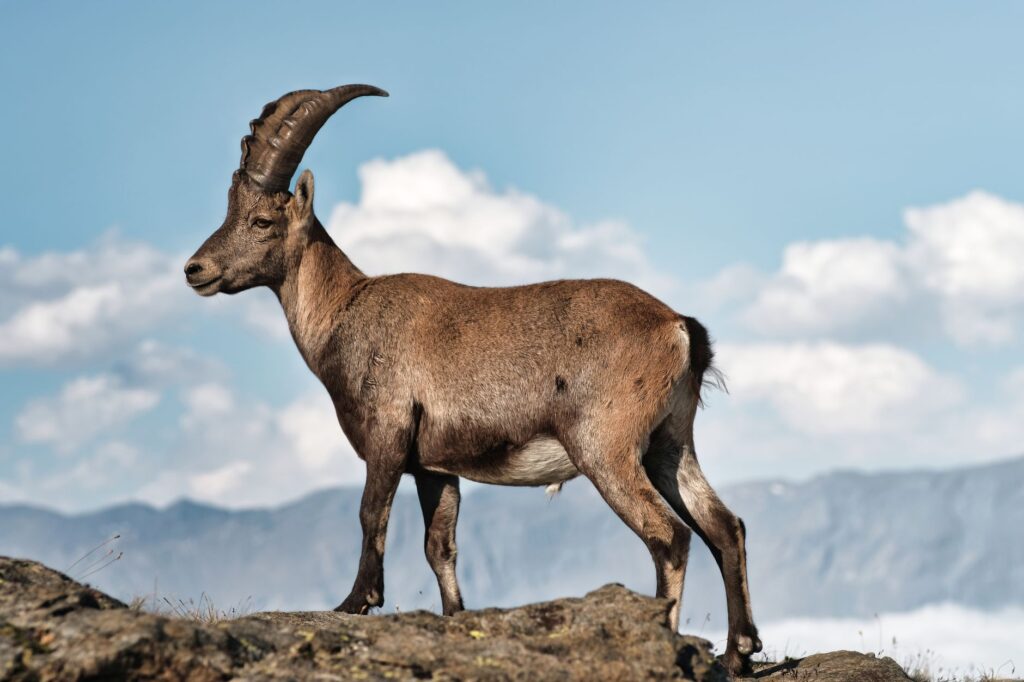
If there is one single symbol that defines Gran Paradiso, it is the Alpine ibex. At the dawn of the 19th century, rampant poaching and the belief in the medicinal properties of its horns reduced the entire Alpine population to barely a hundred individuals, all confined to the rugged cliffs of the present-day park. Thanks to the strict vigilance of royal game wardens, known as *guardaparco*, the species was not only saved from extinction but served as the breeding stock to successfully repopulate the rest of the European Alps throughout the 20th century.
Walking across high-altitude meadows or boulder fields in the early morning hours offers the chance to spot groups of females with their young or impressive mature males with ringed horns exceeding one meter in length. Yet the park’s fauna extends far beyond the ibex. Chamois inhabit the steep crags, while golden eagles rule the skies from their nests on sheer rock faces. In recent decades, the spontaneous return of the wolf (*Canis lupus*) has added a new link to the trophic chain, rekindling ongoing discussions regarding coexistence between wildlife and traditional extensive livestock farming still practiced in the valleys.
The Historic Refuge Network and Long-Distance Hiking
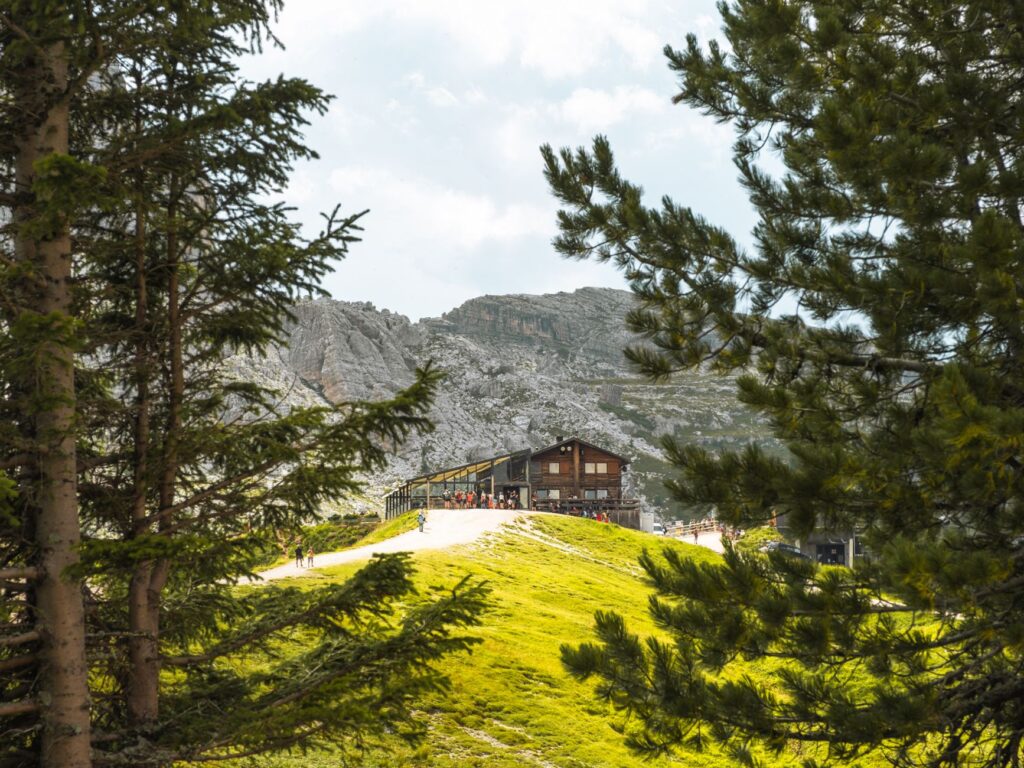
Mountaineering in Gran Paradiso boasts a rich tradition dating back to the mid-19th century, when British and Piedmontese naturalists and alpinists began exploring its demanding ridges. Today, the accommodation infrastructure relies on a network of sentinel mountain refuges that ensure safety and rest along major long-distance routes, most notably the celebrated Gran Paradiso Trekking circuit.
Iconic mountain huts such as Vittorio Emanuele II and Federico Chabod act as base camps for summit attempts on the highest peak, while more modest facilities in lateral valleys allow hikers to complete multi-day circular routes. The management of these high-altitude refuges represents a model of applied sustainability, featuring wastewater treatment systems, solar power integration, and supply transport via lightweight cable cars or scheduled helicopter flights designed to minimize acoustic disturbance to local wildlife.
The high-mountain refuge is not a luxury hotel on a peak, but rather an outpost of Alpine solidarity where weather conditions and respect for the environment dictate the rules of coexistence.
Flora and Bioclimatic Zones: From Larch Forests to Alpine Tundra
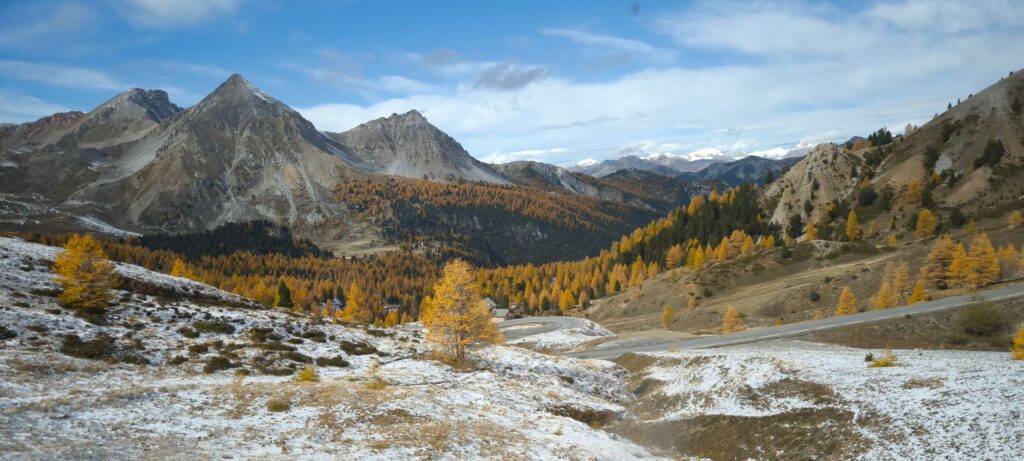
The botanical diversity of the park is defined by sharp altitudinal gradients that create distinct bioclimatic zones over short horizontal distances. Valley floors, situated between 800 and 1,500 meters above sea level, are dominated by mixed forests of Norway spruce, Scots pine, and deciduous trees such as beech and sycamore. As elevation increases, the landscape transitions into almost exclusive domains of the European larch (*Larix decidua*), the continent’s only coniferous tree that sheds its needles in autumn, turning hillsides into brilliant gold before the arrival of winter snows.
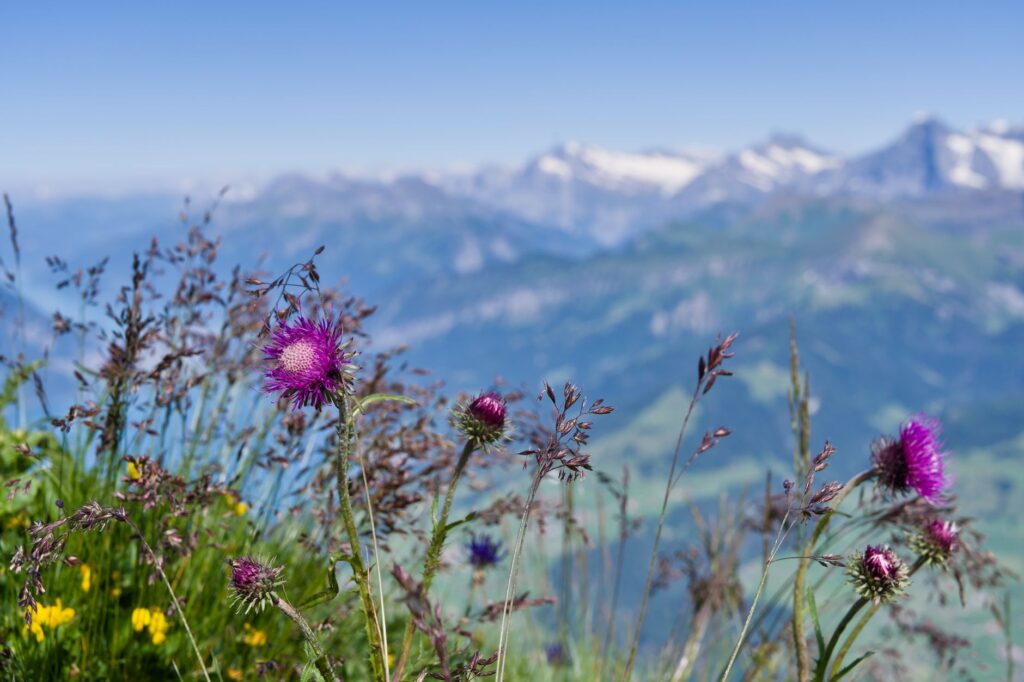
Above 2,000 to 2,200 meters lies the Alpine zone, characterized by short-grass meadows and a fascinating community of endemic plants adapted to intense ultraviolet radiation and severe cold. Here, species such as the Alpine gentian, glacier star, and various saxifrages burst into bloom during the short summer window. The foraging or harvesting of any plant species is strictly prohibited throughout the park, ensuring the preservation of fragile habitats that take decades to recover from a single footprint off the designated trail.
The Crucial Role of Guardaparco and Scientific Research
The *guardaparco* corps of Gran Paradiso is one of Europe’s oldest conservation enforcement institutions. Their work combines anti-poaching patrols and behavioral oversight with technical assistance for mountaineers and direct collaboration with scientific research institutes. These forest rangers, intimately familiar with every fold of the terrain, spend months patrolling on foot under extreme winter conditions, gathering demographic data on ungulates, monitoring glacier health, and assessing ecosystem stability.
Research within the park encompasses telemetry projects to track ungulate movements, genetic analyses of wolf populations, and botanical studies examining the impact of climate change on the tree line. This continuous scientific framework ensures that management decisions are grounded in empirical data rather than subjective impressions, establishing the park as an international benchmark in high-mountain protected area management.
Ecotourism and Sustainable Development in Surrounding Valleys
Tourism within the Gran Paradiso National Park is deliberately channeled toward low-impact ecotourism and respectful active travel. The municipalities surrounding the protected area—such as Cogne, Valsavarenche, Rhêmes-Notre-Dame, and Locana in Piedmont—have invested heavily in infrastructure prioritizing sustainable mobility, local gastronomy featuring certified regional produce, and the preservation of traditional stone-and-timber rural architecture.
During the summer season, electric shuttle bus services are deployed to reduce vehicular traffic in heavily visited valley floors like Cogne. Additionally, park visitor centers promote environmental education programs directed at both domestic and international visitors, emphasizing the importance of minimizing waste, avoiding noise pollution, and maintaining a safe and respectful distance from wildlife.
Practical Guide for the Traveler: Planning, Access, and Regulations
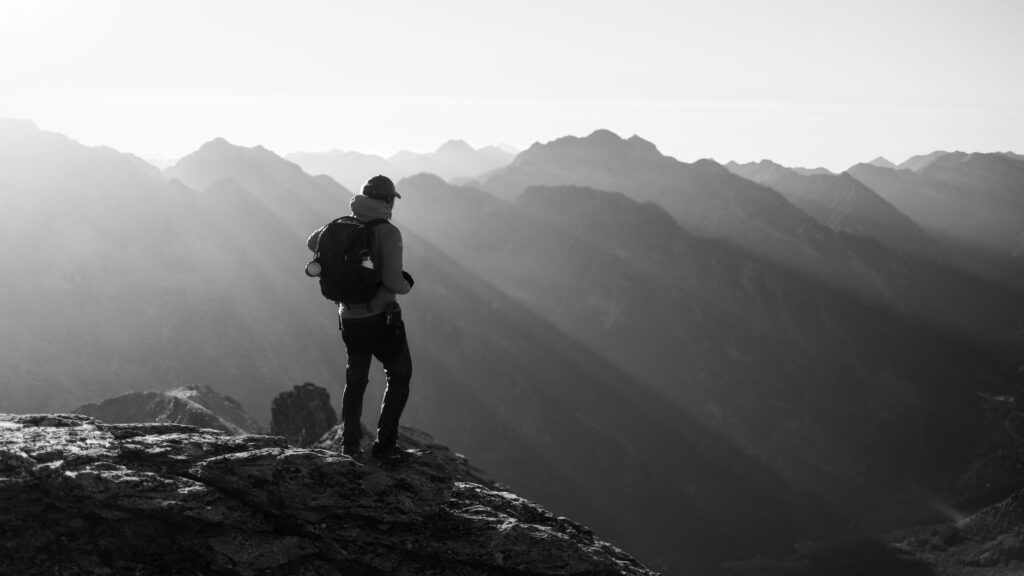
Planning a visit to the Gran Paradiso National Park requires recognizing that it is a demanding Alpine environment where weather conditions can shift dramatically within hours. The ideal window for high-mountain trekking and hut-to-hut ascents runs from late June to early September, when most winter snow has cleared from primary trails.
Main access points are reached via Turin or Aosta. By car, the A5 motorway features convenient exits toward Cogne, Saint-Pierre (for Valsavarenche), and Arvier (for Rhêmes). For travelers utilizing public transport, regional rail connections run to Aosta or Villeneuve, where local bus lines connect directly to the park’s villages. Checking trail conditions and securing advance reservations at mountain refuges is essential before embarking on multi-day journeys.
The true Alpine traveler understands that passing through the mountains leaves no physical trace and does not disturb the delicate natural balance that has taken centuries to protect.
Among the core regulations of the park is the strict prohibition of wild camping, with overnight stays permitted solely in authorized bivouacs, mountain refuges, or designated campsites in the lower valleys. Furthermore, dogs are not permitted off-leash—nor allowed on lower trails in certain restricted zones—to prevent pets from stressing wildlife or disturbing free-roaming livestock. With these basic rules and an attitude of deep respect, Gran Paradiso reveals itself as an unmatched destination for connecting with the purest essence of the Italian Alps.