Introduction to Scandinavia’s Vanguard of Mobility
At the western tip of Sweden, the port city of Gothenburg has established itself as one of the world’s most advanced urban laboratories for sustainable transport. Far from relying on long-term promises, Sweden’s second-largest city has implemented a mobility ecosystem where total electrification, green hydrogen, and traffic digitalization converge into a coherent strategy. This report examines the technical, social, and economic pillars that enable Gothenburg to lead the transition toward fossil-fuel-free cities.
The challenge was substantial. With a geography marked by canals, the Göta älv river, and a coastal archipelago, mobility in Gothenburg has always depended on a complex intermodal network. The historical pressure of freight transport originating from the Nordic region’s largest port compounded the environmental challenge. However, rather than segregating industrial traffic from urban transit, the municipality opted for radical integration supported by public-private collaboration between the municipal corporation Västtrafik, automotive giant Volvo, and research centers like Chalmers.
The River as a Clean Artery: The Revolution of Electric Ferries
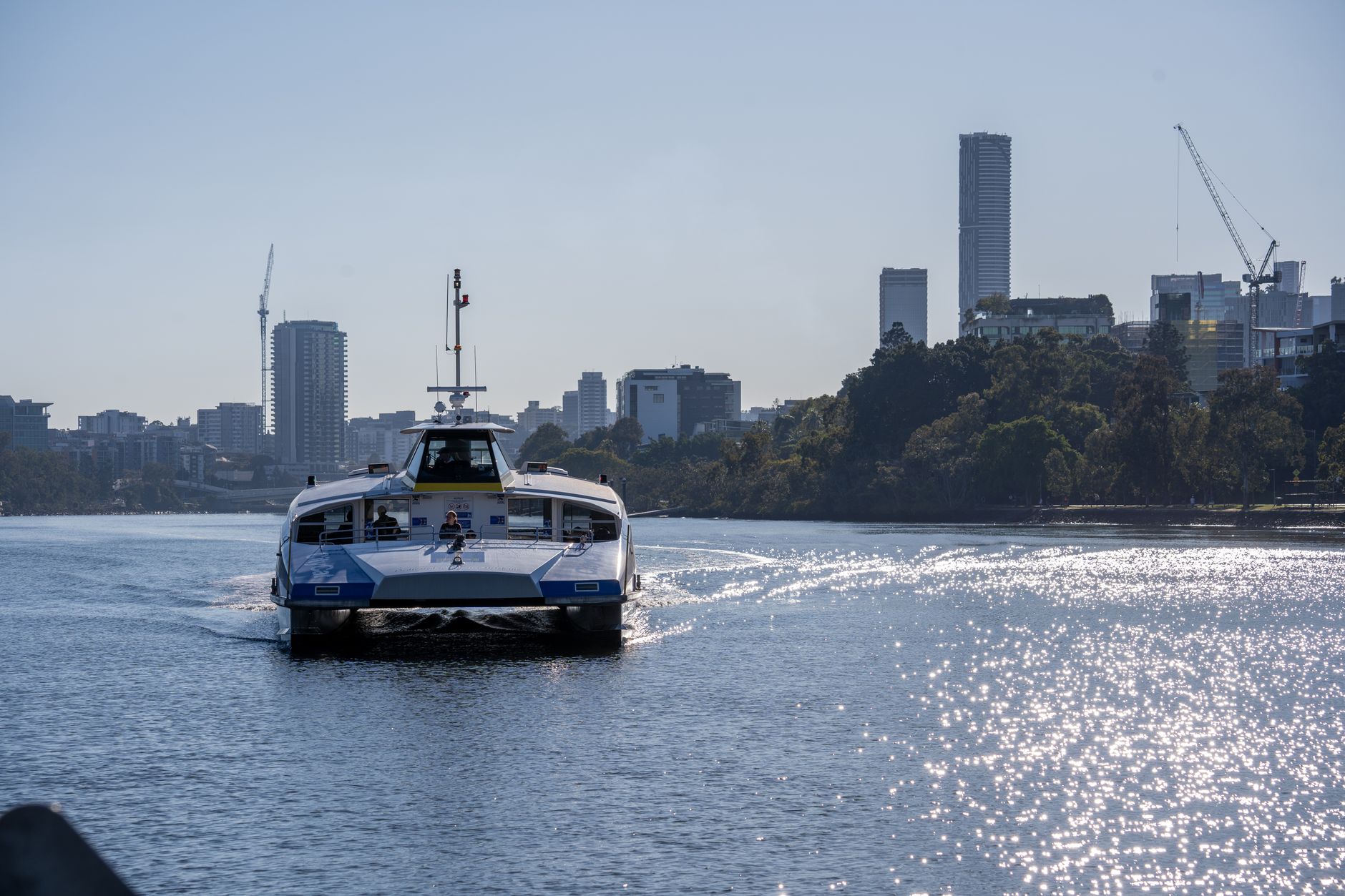
One of the most visible innovations in Gothenburg’s urban landscape is the transformation of its fluvial transport fleet. For decades, the ferries crossing the Göta älv river operated on traditional diesel engines, generating significant emissions and noise pollution in the heart of the city. The progressive introduction of 100 percent electric vessels has radically changed this paradigm.
Fluvial electrification goes far beyond swapping a combustion engine for a battery. It requires charging infrastructure at docks enabling rapid top-ups during passenger boarding and disembarking. These ferries, operated by Stena Line in cooperation with the municipal consortium, prove that urban maritime transport can be silent, clean, and highly reliable even under the harsh weather conditions typical of an Scandinavian winter.

Beyond greenhouse gas reductions, the absence of vibrations and noise has substantially improved the passenger experience. Citizens commuting daily from one bank to the other experience a journey where silence turns travel into a moment of calm within the urban routine, demonstrating that sustainability also enhances sensory well-being.
Sustainable mobility is not merely about replacing a combustion engine with an electric one, but about redesigning the relationship between citizens, public space, and the infrastructures connecting them.
The Strategic Role of Green Hydrogen in Heavy Transport
While light mobility and urban buses have found lithium-ion batteries to be an efficient solution, heavy and long-distance transport presents challenges requiring high-density energy alternatives. On this front, Gothenburg has firmly backed green hydrogen, produced via water electrolysis using exclusively renewable energy from wind and hydroelectric sources.
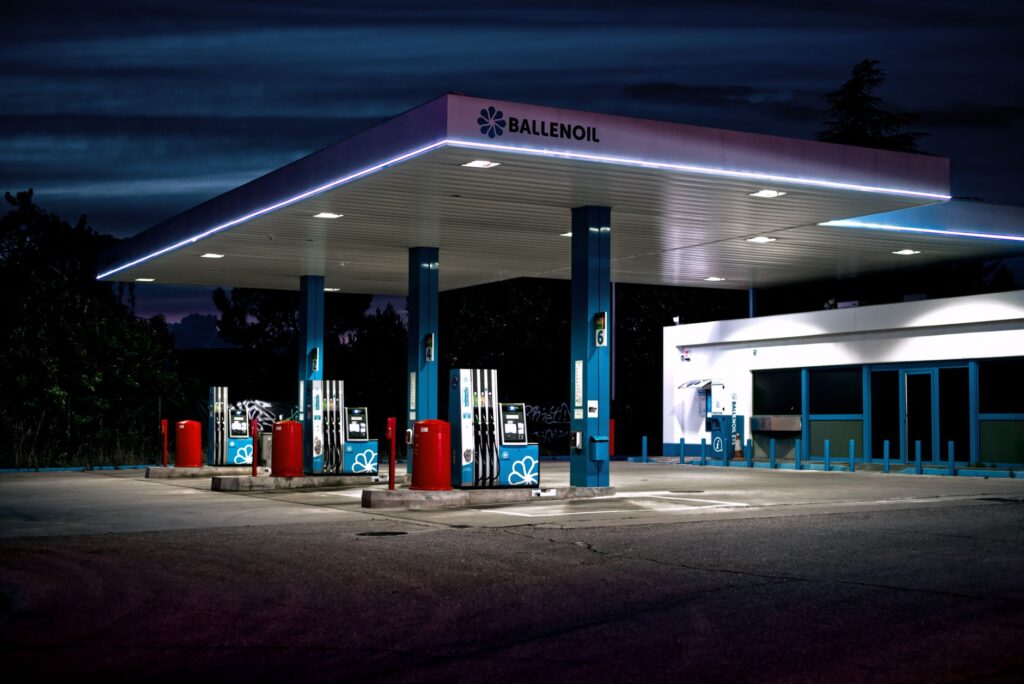
In collaboration with local energy firms, the city has installed strategically located hydrogen refueling stations serving both metropolitan long-haul buses and heavy-duty freight trucks. Green hydrogen offers a crucial advantage over traditional batteries: refueling times equivalent to fossil fuels and superior range in demanding sub-zero conditions.
The use of hydrogen fuel cells generates only water vapor as a byproduct, completely eliminating nitrogen oxides and fine particulate emissions that traditionally impacted air quality in the city’s industrial corridors. This technology demonstrates commercial viability in real operating environments, serving as a model for other industrial European metropolises.
The Rail Backbone: Trams and Electric Buses
Gothenburg’s overland public transport system revolves around its extensive tram network, one of the largest in Northern Europe. Constant modernization of the fleet and rail tracks ensures trams remain the preferred mode for citizens moving through the urban center. Powered by 100 percent renewable electricity, the tram network absorbs the bulk of daily commutes.
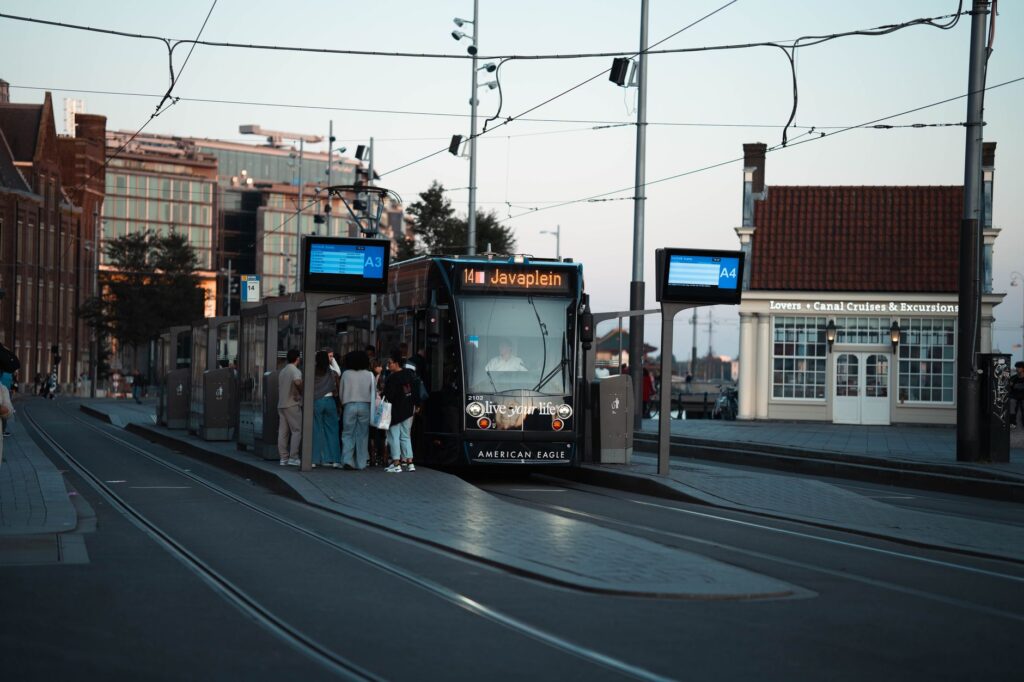
To complement tram lines in urban expansion zones and peripheral neighborhoods, Västtrafik operates massive fleets of silent electric buses. These vehicles feature opportunity-charging systems at terminals, avoiding the need for oversized, heavy batteries and optimizing the system’s overall energy efficiency.
- Complete electrification of major urban bus lines before the decade ends.
- Total tariff integration allowing users to combine trams, ferries, buses, and shared bicycle services with a single digital application.
- Traffic light priority for public transport along major circulation axes to guarantee punctuality.
Digitalization and the Concept of Mobility as a Service
Physical infrastructure alone is not enough to change population travel habits. Gothenburg understands that convenience and digital transparency are decisive factors in reducing private vehicle use. Through unified Mobility as a Service (MaaS) platforms, users can plan, book, and pay for any combination of public transport and shared private services.
Integrated digitalization removes friction barriers that traditionally hindered the combined use of different transport modes. Citizens can check real-time ferry arrivals, verify electric bike availability at the nearest station, and purchase an integrated ticket covering their entire daily journey chain.
This data-driven approach also enables urban planners to optimize frequencies based on real demand, reducing unnecessary energy consumption during off-peak hours and reinforcing service when passenger volume requires it.
Active Infrastructure: Pedestrians and Cyclists at the Center of Strategy
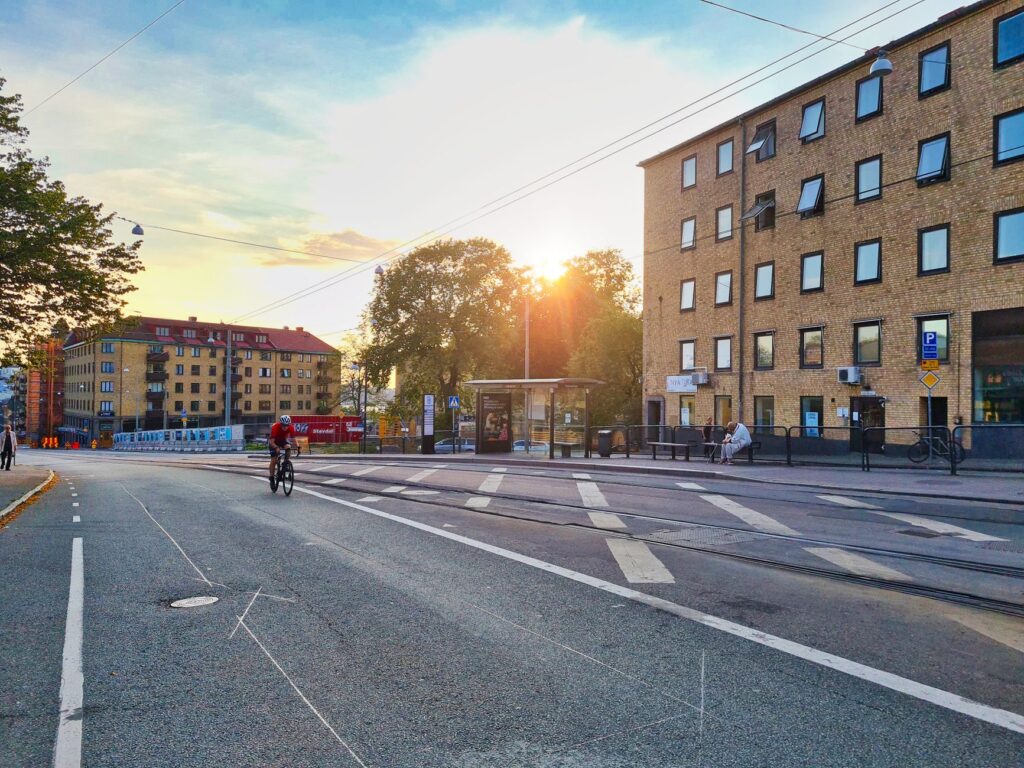
Despite heavy technological investments in electrification and hydrogen, Gothenburg’s mobility strategy maintains an unwavering principle: active transport modes, walking and cycling, must occupy the highest hierarchy in urban planning. Traffic-calming policies have transformed numerous central streets into zones where pedestrians hold absolute priority.
The expansion of protected bike lanes has grown exponentially in recent years, connecting peripheral residential neighborhoods with employment and study hubs. These lanes are designed to ensure year-round safety, including dedicated snow removal and winter maintenance services preventing drastic drops in cycling rates during colder months.
Designing cities for people rather than automobiles is the only path to long-term climate resilience and public health.
Promoting cycling not only reduces emissions and congestion but fosters a healthier, more active population, easing pressure on public health systems and improving social cohesion across neighborhoods.
Urban Planning and Decentralization: The 15-Minute City
The success of sustainable mobility in Gothenburg is closely tied to its urban development model. The city has adopted the concept of the proximity or 15-minute city, ensuring essential services—schools, healthcare centers, shops, and green spaces—remain accessible on foot or by bicycle from any residential area.
This planned decentralization reduces the need for massive commuter trips toward the city center during peak hours. Bringing jobs and services closer to neighborhoods lightens the load on public transport infrastructure and optimizes municipal resources.
New urban developments in former shipyards and decommissioned port areas are designed from inception without massive private car parking lots, compensating for this limitation with generous high-capacity public transport and secure bicycle parking.
Economic and Social Challenges of the Green Transition
No profound transformation is without challenges. The transition toward a fully decarbonized transport system in Gothenburg has required multi-million-euro public investments and a stable regulatory framework providing legal security for private operators. Balancing affordable fares for users with sustained technological innovation remains a constant debate within the city council.
Likewise, the massive electrification of the urban electrical grid demands close coordination with utility providers to prevent bottlenecks in clean energy generation and distribution capacity. Collaboration with the local industrial sector has been fundamental to ensuring additional electricity demand does not rely on fossil sources.

Socially, authorities have emphasized ensuring that mobility improvements benefit all city districts equally, preventing peripheral or lower-income areas from being left out of new clean transport connections.
Practical Information for Visitors and Mobility Professionals
For professionals, researchers, or travelers interested in studying or experiencing Gothenburg’s mobility model firsthand, logistical and operational recommendations based on official and verifiable data are detailed below:
- Getting There: Gothenburg-Landvetter Airport (GOT) features direct electric shuttle bus connections (Flygbussarna) operating to the city center every 12-15 minutes with a travel time of approximately 30 minutes. Alternatively, Gothenburg Central Station (Göteborg C) receives high-speed trains from Stockholm, Copenhagen, and Oslo operated by SJ and MTRX.
- Tickets and Public Transit: The entire tram, urban bus, and river ferry network is operated by Västtrafik. The best tool for planning and ticket purchases is the official Västtrafik To Go app. Tourist passes for 24, 48, and 72 hours offer unlimited travel across the metropolitan network.
- Shared Bicycles: The public bike-sharing system Styr & Ställ features dozens of stations distributed throughout the city. Registration is available via mobile app for single-trip rates or weekly passes.
- Best Time to Visit: May to September offers optimal weather conditions for cycling through the city and enjoying river ferries, though the transport system operates normally year-round thanks to rigorous winter maintenance plans.
Conclusion: A Replicable Model for the Urban Future
Gothenburg’s experience proves transport sustainability is not an unattainable utopia, but the result of clear political vision, robust industrial collaboration, and rigorous urban planning. By combining fluvial electrification, green hydrogen for heavy transport, a robust tram network, and absolute priority for active modes, the Swedish city offers a replicable blueprint for metropolises worldwide seeking to decarbonize mobility without sacrificing efficiency or citizen well-being.