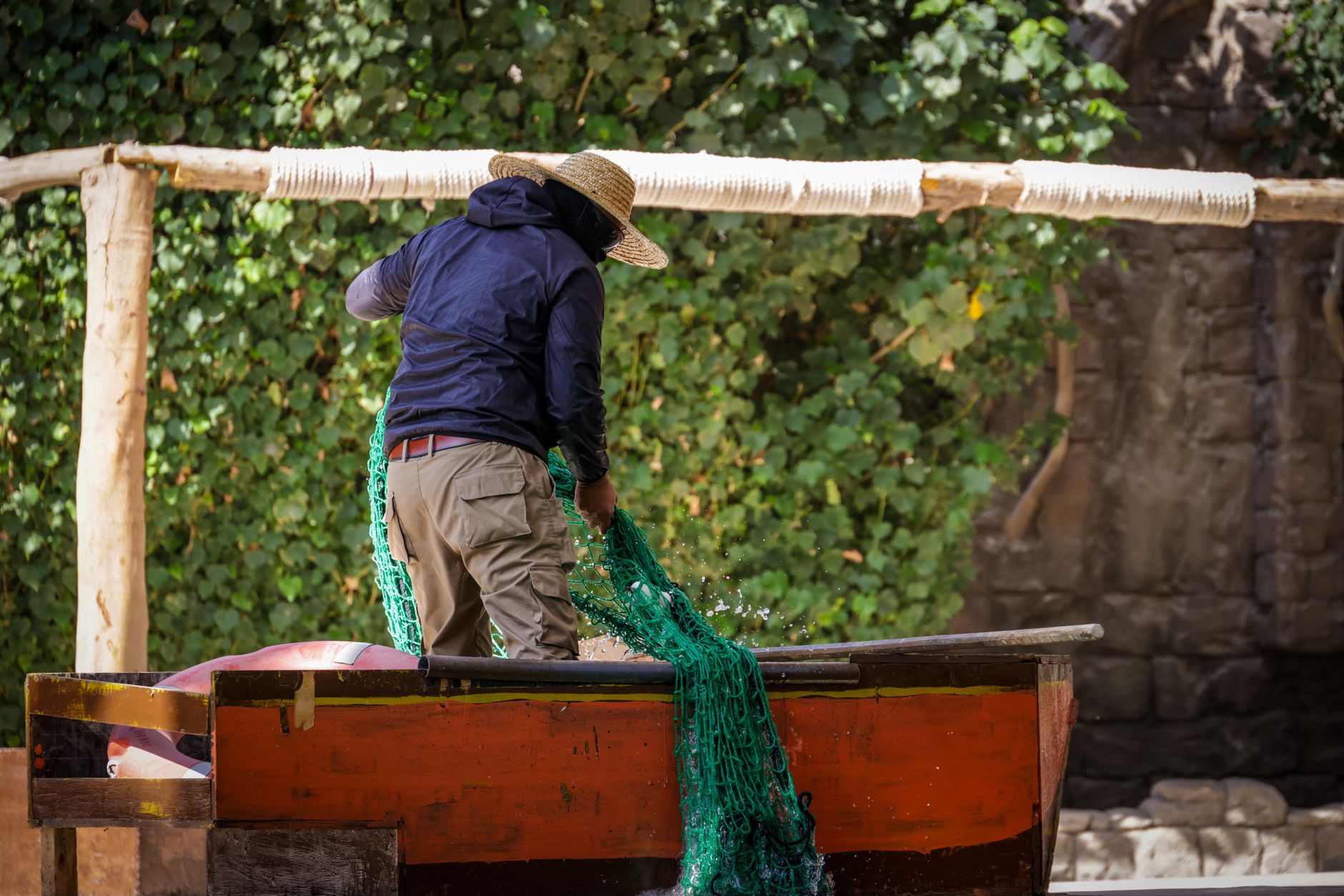

The Edge of the World and the Rhythm of the Tides
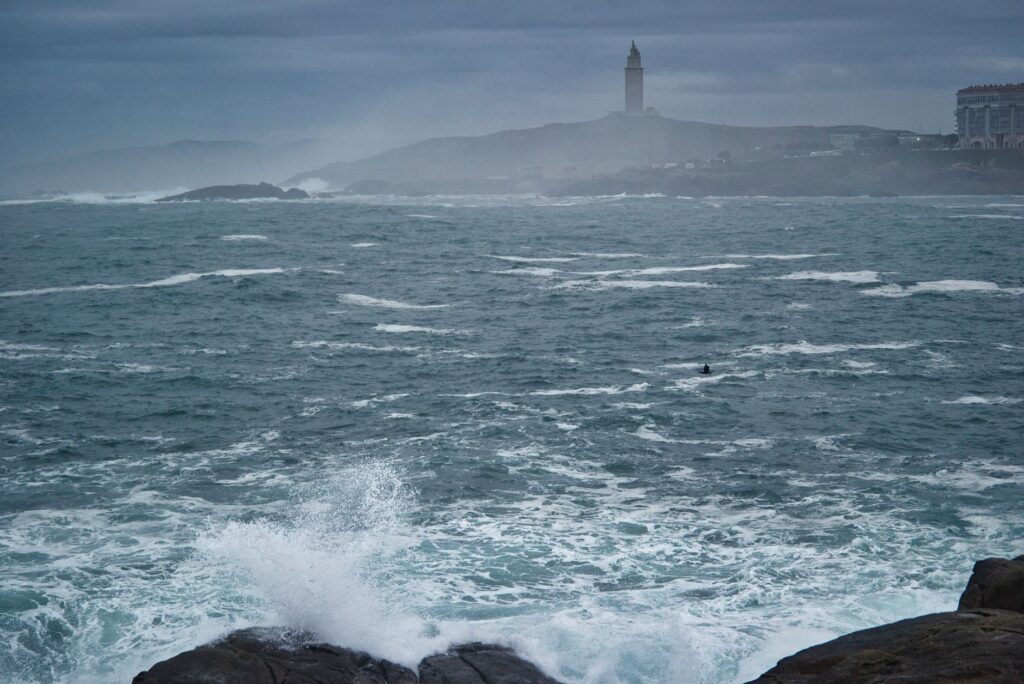
At the westernmost tip of Europe, where granite stones endure the relentless pounding of the Atlantic Ocean, gastronomy is neither a modern invention nor a laboratory whim. Above all, it is a survival response and a pact of understanding with a medium that is both harsh and generously yielding. The Costa da Morte, along the coast of A Coruña, represents one of the last bastions where the relationship between humankind and the sea retains its ancestral purity. Here, every species that reaches the table tells a story of patience, risk, and an encyclopedic knowledge of marine currents passed down through generations.
Unlike mass-marketed culinary circuits, this territory demands time for assimilation. Seafaring towns like Fisterra, Muxía, Malpica, and Laxe do not depend on seasonal fads; their calendar is dictated by spring tides, lunar cycles, and biological closures. In recent years, however, a fascinating phenomenon has taken place: the convergence between the silent wisdom of local fishing guilds and a new generation of chefs who have understood that contemporary luxury lies in the radical authenticity of wild produce and unquestionable traceability.
The Invisible Architecture of the Net-Menders
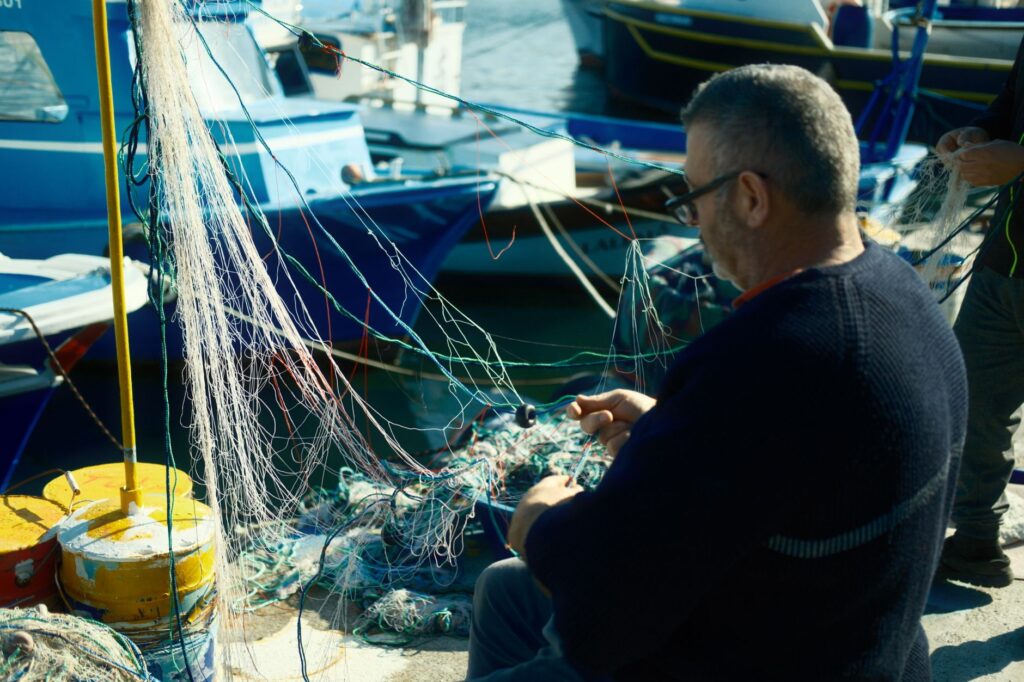
To understand what lies behind an exceptional fish served in a Michelin-starred dining room or a humble portside tavern, it is essential to look toward the docks before dawn. There, entirely removed from media spotlights, the net-menders perform a task as delicate as it is invisible. With hands weathered by sea salt and cold, they mend fishing gear meter by meter with a mathematical precision bordering on textile art. This artisanal trade, predominantly female, is the foundation upon which the entire value chain of inshore fishing rests.
Without the meticulous work of the net-menders, gillnets or longline gear could not perform their selective function. They are the guardians of a low-impact artisanal fishing system that minimizes damage to the seabed. Sustainability on the Costa da Morte is not a green marketing concept, but a physical and economic necessity to ensure the sea continues to feed the children of the fishermen. Conversing with a net-mender in the port of Malpica reveals the dignity of a profession fighting to survive against globalized industrial fishing.
The Art of the Hook Versus Intensive Fishing
The productive model of the Costa da Morte is fundamentally based on artisanal inshore fishing using hooks, creels, and selective traps. Emblematic species such as wreckfish, blackspot seabream, red seabream, or the coveted goose barnacle from Cabo Roncadoiro are not harvested through massive trawling methods, but through individualized capture that respects specimen size and ensures the fish reaches port without stress, directly impacting the firmness and flavor of its flesh.
This artisanal capture system entails a much higher human and economic cost, yet it radically distinguishes Galician gastronomy from other latitudes. Local fishermen know the underwater reefs, the crevices inhabited by shellfish, and the migratory paths of pelagic species with a precision that surpasses any modern sonar technology. Every single piece is treated with almost reverential respect from the exact moment it is brought on board, where immediate bleeding is performed to preserve the organoleptic purity of the fish.
Fish Markets and Auctions: The Pulse of Dawn
The commercial and emotional heart of these towns beats strongly within the fish markets during the early hours of the morning. The descending-price auction in facilities like those of Muros or Laxe is a choreographed ritual where buyers, local restaurateurs, and wholesalers compete with mental agility and discrete gestures. There is no room for hesitation; fresh inshore fish flies to the country’s best kitchens within a matter of hours.
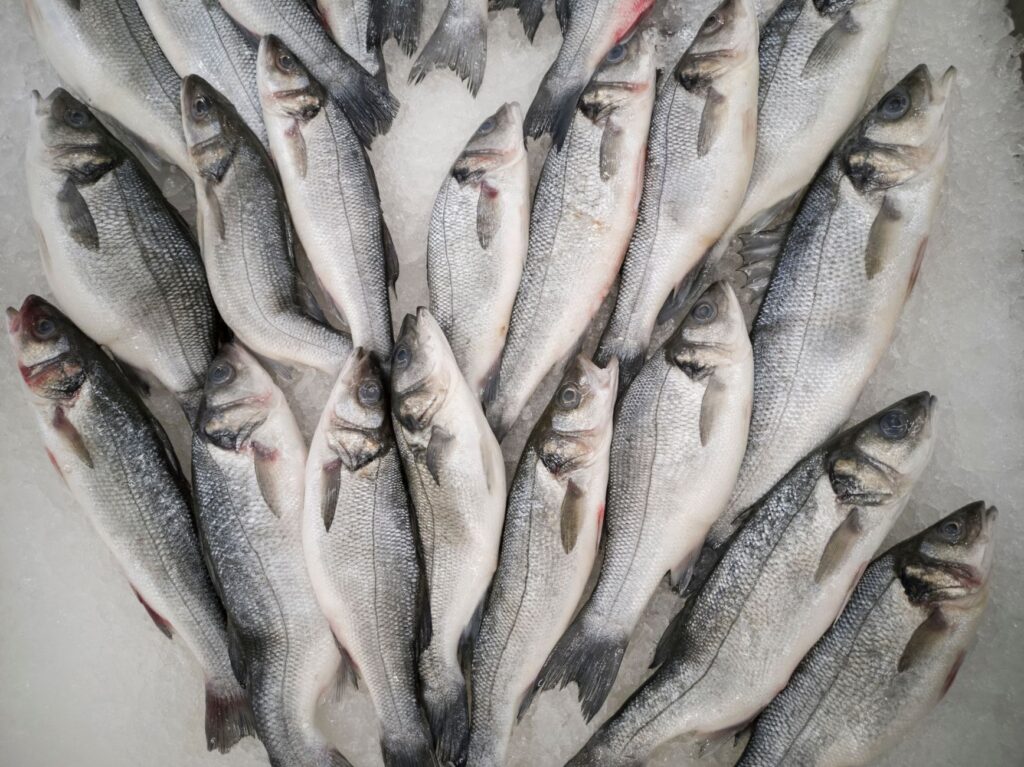
At the market, the thermometer of the sea is measured in kilograms and sizes. A good day at sea translates into boxes of wild sea bass with silver flanks and bright eyes, heavy spider crabs oozing freshness, and velvet swimming crabs with velvety shells. The most perceptive chefs come to this daily market in person to design their menus based on what the Atlantic has chosen to yield that day. «We do not command here; the weather forecast and the state of the sea do,» a veteran harbor master from the Fisterra guild frequently reminds visitors.
The Cuisine of Minimal Gesture: Absolute Respect for Produce
In the kitchens of the restaurants leading this culinary renaissance on the Costa da Morte, the instruction is clear: intervene as little as possible with the produce so as not to mask its marine identity. Kitchens have evolved from traditional heavy stews toward precise cooking techniques—such as controlled steaming, hard-chrome griddles at exact temperatures, or light stocks made from bones bled out in cold water—that enhance the iodized personality of wild fish.
A wild turbot prepared in the Galician style, with a soffritto of extra virgin olive oil, patiently browned garlic, and a touch of Albariño vinegar, becomes a masterclass in gustatory balance. There is no pursuit of sensationalist surprise or unnecessary deconstruction; the goal is for the diner to close their eyes and immediately feel the saline force of the waves crashing against the cliffs of Muxía.

Cliff Shellfish: Adrenaline and Sea Salt
No analysis of this region’s gastronomy would be complete without mentioning cliff shellfish, those that grow defying the most violent waves on inaccessible rocky ledges. The goose barnacle of the Costa da Morte is internationally considered the undisputed king of crustaceans due to the richness in nutrients and oxygen of cold, rough waters. Percebeiros risk their physical integrity during every low tide, descending slippery rock walls to wrench the shellfish away before an unexpected wave sweeps them out to sea.
Cooking this produce requires no grand artifices: clean seawater, a pinch of coarse salt, and the exact boiling time so the crustacean’s skin retains its firm texture while its interior releases a dense, marine juice. It is the ultimate expression of a wild cuisine that refuses to submit to the standards of intensive aquaculture.
Liquid Tradition: Atlantic Wines Defying the Cantabrian
The gastronomic revolution of the Costa da Morte is not limited to the plate; it finds its liquid replica in the recovery of historical vineyards and the consolidation of wines with Atlantic influence. Denominations of Origin such as Rías Baixas, with its Albariño grape, or projects recovering native varieties in granite soils close to the sea, provide the essential mineral acidity to cut through the natural fat of Atlantic oily fish.
These wines, marked by saline, citrus, and fresh herb notes, act as a liquid mirror of the coastal landscape. The symbiosis between a blue fish caught at dawn and an Atlantic white wine aged on its lees demonstrates that this territory’s larder functions as a closed ecosystem where each element complements and elevates its neighbor.
Practical Information for the Gastronomic Traveler
Planning a culinary trip to the Costa da Morte requires understanding seasonality and respect for local rhythms. The best time to visit the region and enjoy the produce at its peak comprises the autumn and spring months, when mass tourism disappears and the fishing guilds operate at full capacity. Making reservations in advance at the traditional eateries and product-focused restaurants participating in artisanal fishing routes is essential.
- How to Get There: Santiago de Compostela Airport (SCQ) is approximately a one-hour drive from the main coastal enclaves. Renting a vehicle is strongly recommended to freely navigate the secondary road network linking the various ports.
- Recommended Accommodation: Opt for small rural tourism houses managed by local families or boutique hotels integrated into rehabilitated former salting factories.
- Local Etiquette Rules: Main meals are served following Spanish peninsular schedules (lunches from 14:00 to 16:00 and dinners from 21:30 to 23:00). Checking the availability of wild fish of the day before ordering from the menu is considered good manners.
- Environmental Respect: Poaching shellfish on the rocks is strictly prohibited—an activity closely regulated and monitored by coastguards and the guilds themselves.
Toward a Future of Seafaring Resilience
The gastronomic renaissance of the Costa da Morte proves that building a model of culinary excellence based on the preservation of territorial identity and absolute respect for natural resources is entirely possible. Facing the global homogenization of flavors and the saturation of conventional tourist routes, this Atlantic edge offers an honest, raw, and deeply humane experience. Here, every dish is a tribute to the men and women who, both at sea and ashore, continue to challenge the ocean to offer the best of its depths to those who appreciate the true value of submerged memory.