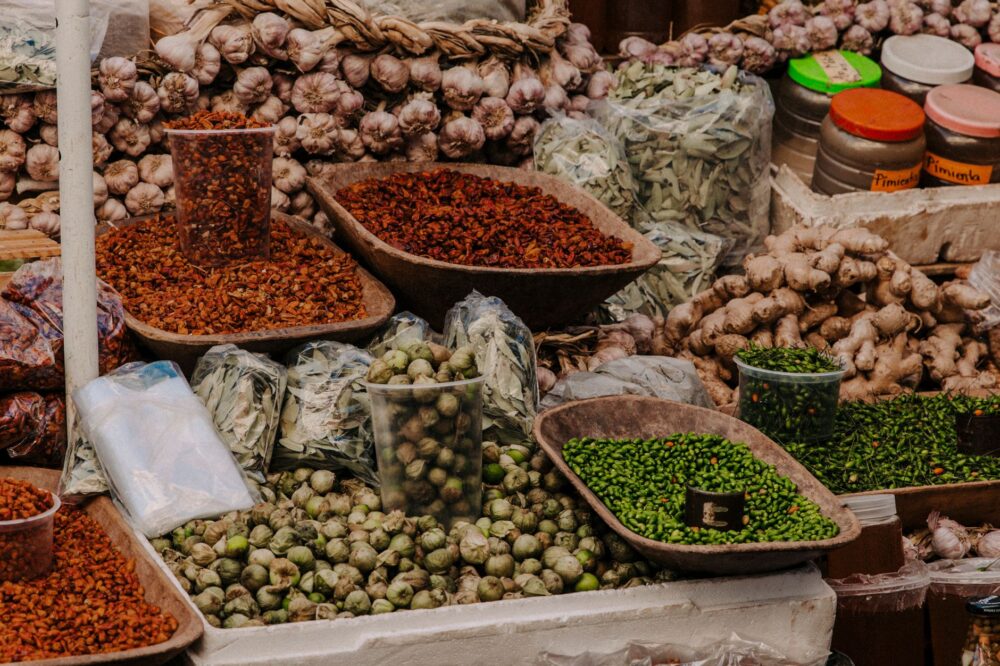
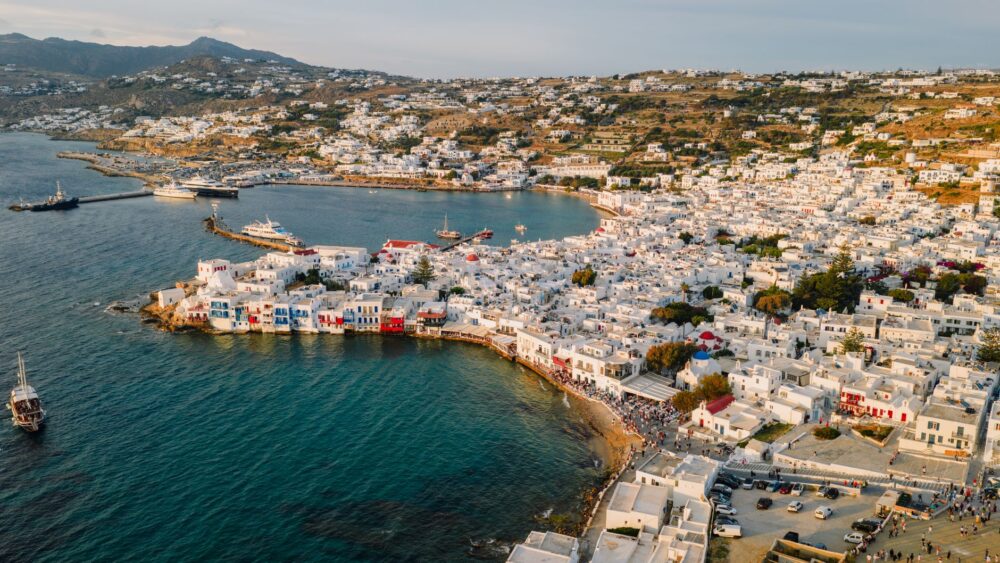
Introduction to the Atlantic edge of the Iberian Peninsula
The northwestern corner of the Iberian Peninsula harbors a visceral relationship with the ocean. In the province of Pontevedra, the city of Vigo cannot be understood without its estuary, a geographical sanctuary protected by the Cíes Islands that acts as a natural nursery and homeport for one of the world’s most significant fishing fleets. Here, gastronomy is not born in the kitchen stoves, but in the cold waters of the continental shelf and the millimetric precision of an industry that supplies the most demanding international markets.
To comprehend contemporary Galician cuisine and its undeniable influence on peninsular haute cuisine, one must trace the supply chain back to its origin. From the mussel rafts dotting the horizon to the traditional stalls of the food markets, the journey of fresh seafood and fish is an exercise in traceability, product respect, and maritime expertise accumulated over generations.
The dawn at O Berbés: the liturgy of the fish market
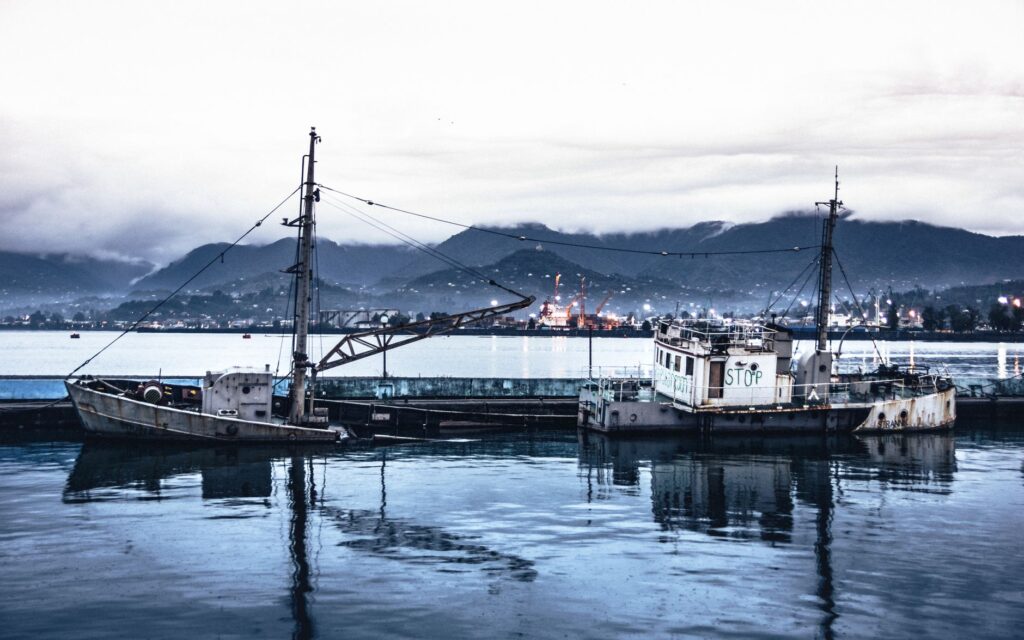
Activity in Vigo’s fishing port begins long before the sun disperses the morning mist. In the seafaring neighborhood of O Berbés, the logistical heart of the city pulses to the rhythm of trawlers and inshore vessels unloading their catches after weeks at sea or an intense night of coastal fishing. Cold storage facilities and docks transform into a beehive of workers, buyers, and shipowners.

Access to the fish market is strictly regulated, but the atmosphere permeating the exterior and designated areas reveals the immense scale of this primary market. The auction process, digitized yet guided by the expert eye of veteran buyers, determines the prices that hours later will be mirrored in food markets from Madrid to Paris. Here, lots of line-caught hake, wild sea bass, turbot, and deep-sea Norway lobsters change hands, each accompanied by a traceability tag certifying its origin and harvesting method.
The sea grants no respite; every box of fish crossing the Vigo fish market stands as testimony to the risk, science, and fatigue of artisanal and industrial fishing.
The first-sale auction system operates with precise timing. Lots parade before buyers, who assess the firmness of the flesh, the brightness of the eyes, and the rigidity of the catch at a glance. This rigor ensures that the product reaches the final consumer in optimal conditions of freshness, a standard that has established Vigo’s fish market as a global benchmark for food safety and sustainable fisheries.
Progreso Market and the architecture of provisioning
A short distance from the coast, the urban fabric organizes around municipal food markets, true temples of proximity commerce. Progreso Market, located in the nerve center of the city, represents the evolution of the traditional marketplace into a multifunctional space where centuries-old fish and vegetable stalls coexist with immediate-tasting culinary concepts.
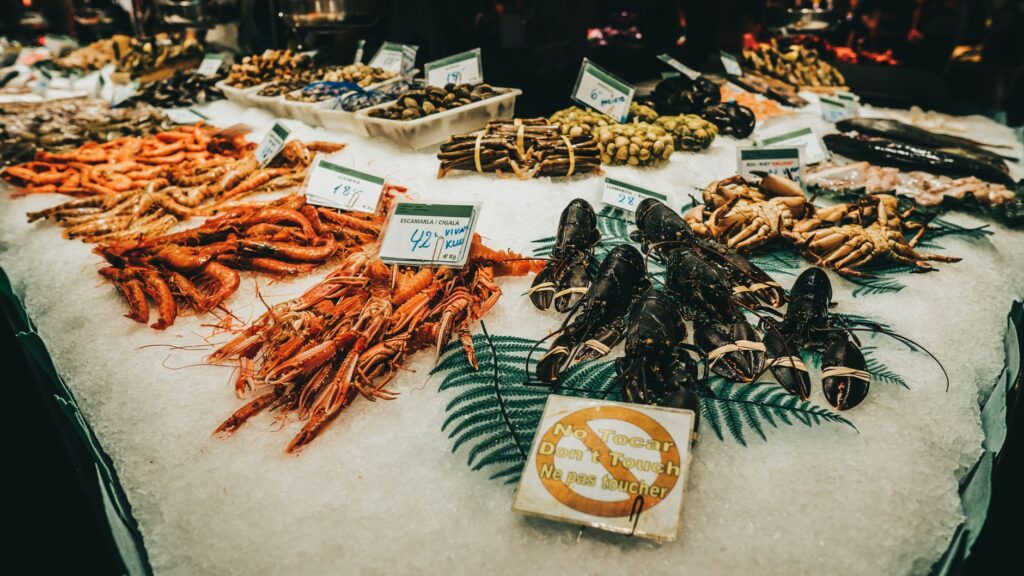
The architectural layout of these markets facilitates circulation and product display. Fishmongers traditionally occupy areas with the best natural light or advanced refrigeration systems. Wandering among Progreso’s stalls is an anthropological exercise where female vendors act as culinary advisors, guiding shoppers on the ideal cooking time for bivalves or the best preparation method according to seasonal catch.
Unlike large supermarkets, the municipal market maintains a direct human bond. Regular customers trust the judgment of vendors, who select pieces based on daily fishing campaigns and tidal rhythms. This short commercial chain reduces carbon footprint and ensures that the product retains its organoleptic qualities intact.
A Pedra and the memory of popular seafood
The surroundings of the Rías Baixas also cherish corners where commercial history intertwines with tourism and popular tradition. The area of A Pedra and its surrounding streets have historically hosted the trade of oysters and direct-consumption seafood. Although the commercial profile of the zone has transformed notably over the decades, it keeps alive the custom of consuming seafood informally, shucked on the spot and accompanied by a white wine with a protected designation of origin.
The offerings of these stalls draw directly from local estuary farms and regional fish markets. Oysters, cultivated on specific rafts, are served with a squeeze of lemon, without artifice masking the iodized flavor of the Atlantic. This direct consumption reflects Galician gastronomic philosophy: the best product is that which undergoes minimal manipulation between the water and the plate.
- Flat and cupped oysters from local cultivation.
- Spider crab and velvet crab during authorized campaign months.
- Galician mussels with protected geographical indication.
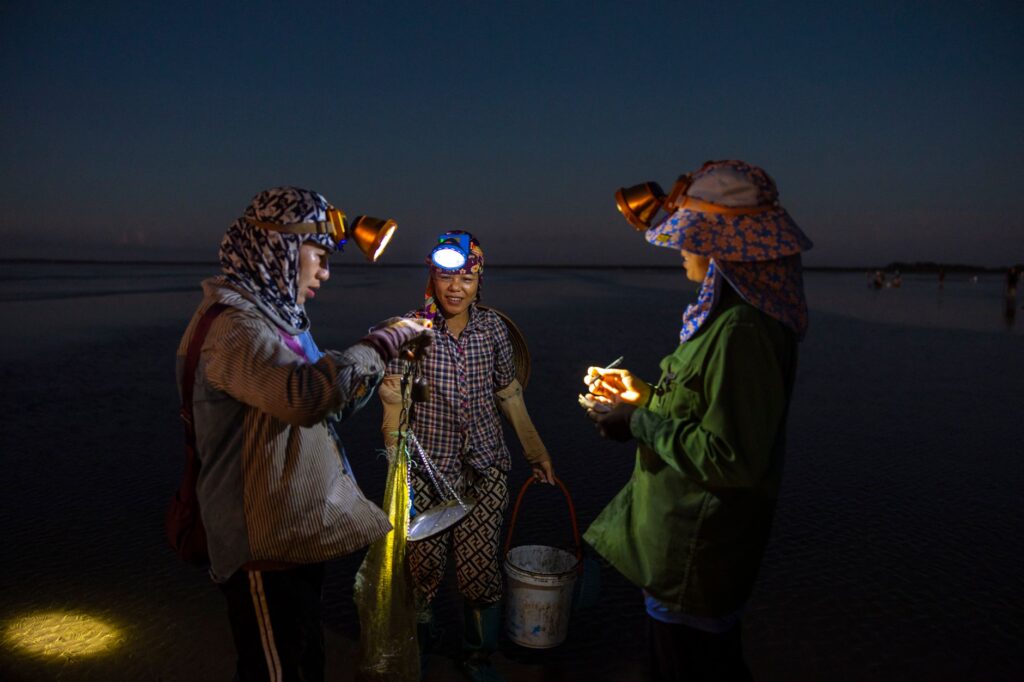
- Razor clams and cockles hand-harvested by female shellfish gatherers.
The role of female gatherers: science and sustainability ashore
No analysis of Vigo’s gastronomic ecosystem would be complete without acknowledging the foundational work of female shellfish gatherers (*mariscadoras*). This collective sustainably manages intertidal mollusk beds. Armed with rakes, short hoes, and a deep understanding of lunar cycles and currents, these gatherers extract clams, cockles, and other mollusks while respecting catch quotas and minimum sizes.
Their daily work guarantees the preservation of the estuary’s natural resources. Fishermen’s guilds and associations strictly regulate the activity, implementing closed seasons and seabed cleaning initiatives. Thanks to this collective effort, the product arriving at the markets maintains ecological and quality standards difficult to match in other European fishing basins.
From market to table: product-driven cuisine
The culmination of the value chain occurs in regional restaurants, taverns, and traditional *furanchos*. Local chefs and market cooks apply respectful techniques that prioritize raw materials over complex preparations. Cooking in seawater or with a light proportion of salt, brief grilling with extra virgin olive oil, and controlled steaming are the dominant methods.

In the vicinity of the food markets, it is common to find small establishments where fish purchased that very morning is cooked immediately. This synergy between vendor and restaurateur invigorates the local economy and offers visitors an authentic gastronomic experience, free from intermediaries and anchored in the strict temporality of the sea.
High cuisine based on the product is not a synonym for careless simplicity, but rather the result of absolute control over the origin and freshness of every ingredient.
Practical information for the culinary traveler
Planning a visit to Vigo’s markets and surrounding areas requires understanding the rhythms of maritime and commercial activity to maximize the experience.
Getting there and getting around
Vigo is served by Peinador Airport, connected to major domestic hubs. Vigo-Urzáiz railway station offers high-speed train connections (AVE/Alvia) with Madrid and other peninsular capitals. To reach ports and central markets, urban bus networks and walking are the most efficient options due to the concentration of traditional commerce in the historic center and downtown area.
Schedules and visitation recommendations
The O Berbés fish market concentrates its main activity during the early morning hours, accessible to professionals or via authorized guided tours at specific times. Conversely, municipal markets like Progreso open Monday through Saturday from 7:00 AM to 3:00 PM, with the morning stretch between 9:00 AM and 12:00 PM serving as the optimal window to observe commercial hustle in full swing.
It is advisable to check shellfish closed-season calendars before planning a culinary trip, as emblematic species like velvet crabs or octopus are subject to strict protection periods designed to ensure species regeneration in the Rías Baixas.
Visual conclusion and final reflection
At dusk, when the lights of mussel rafts begin to flicker across the dim estuary and market stalls clear away their remaining stock, Vigo recovers an apparent calm. Yet, the cycle never halts. Out at sea, vessels head back toward the Atlantic horizon, preparing their nets for the following day’s tide. Food markets and Galician fish markets are not mere spaces for commercial exchange; they are guardians of an ancient culture where the sea dictates the rules and humanity responds with respect, labor, and culinary devotion.