

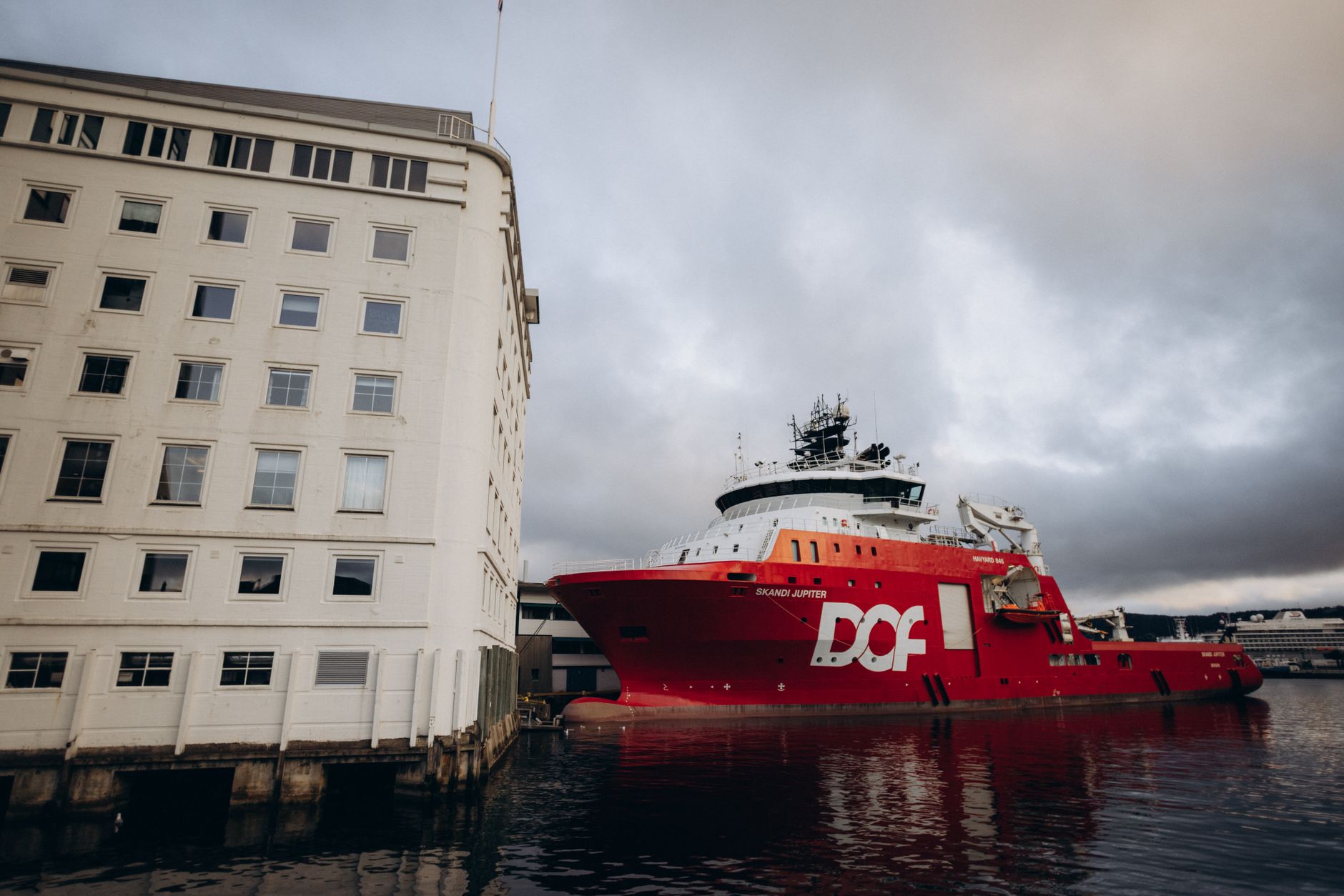
Introduction to the Maritime Labyrinth of Western Norway
The western territory of Norway is defined not merely by its rugged terrestrial geography, but by the absolute sovereignty of the sea over the rock. Here, saltwater penetrates dozens of kilometers inland, sculpting monumental fjords, vertical cliffs, and thousands of islands that form a fragmented archipelago. For centuries, the only way to connect these isolated communities was by oar, sail, and later, steam vessels. Today, the maritime transport network for passengers, vehicles, and goods remains the true circulatory system of the region, uniting points that conventional roads can only reach through complex and costly detours.
Understanding how this nautical network operates is essential for any traveler aiming to explore beyond traditional urban circuits. The western Norwegian coast does not operate under the parameters of a continental land transport network; here, distances are measured in nautical knots, arrivals are subject to the capricious weather of the North Atlantic, and punctuality coexists with an almost military synchronization between high-speed ferries, coastal vessels, and connecting buses. This report offers a detailed immersion into the mechanisms, routes, and practical keys to navigating these waters efficiently and knowingly.
The Backbone of the Coast: From Hurtigruten to Havila Voyages
Since the late 19th century, the coastal line historically known as the coastal express has fulfilled a vital function: transporting cargo, mail, and passengers between Bergen and Kirkenes, on the Russian border. Although tourism now accounts for a significant portion of their activity, these ships have never ceased to be essential public transport services. Companies like Hurtigruten and Havila Voyages operate a fleet of modern vessels equipped to navigate the harshest conditions of the Arctic winter, maintaining regular stops at remote ports where the ship’s docking remains the day’s primary event.
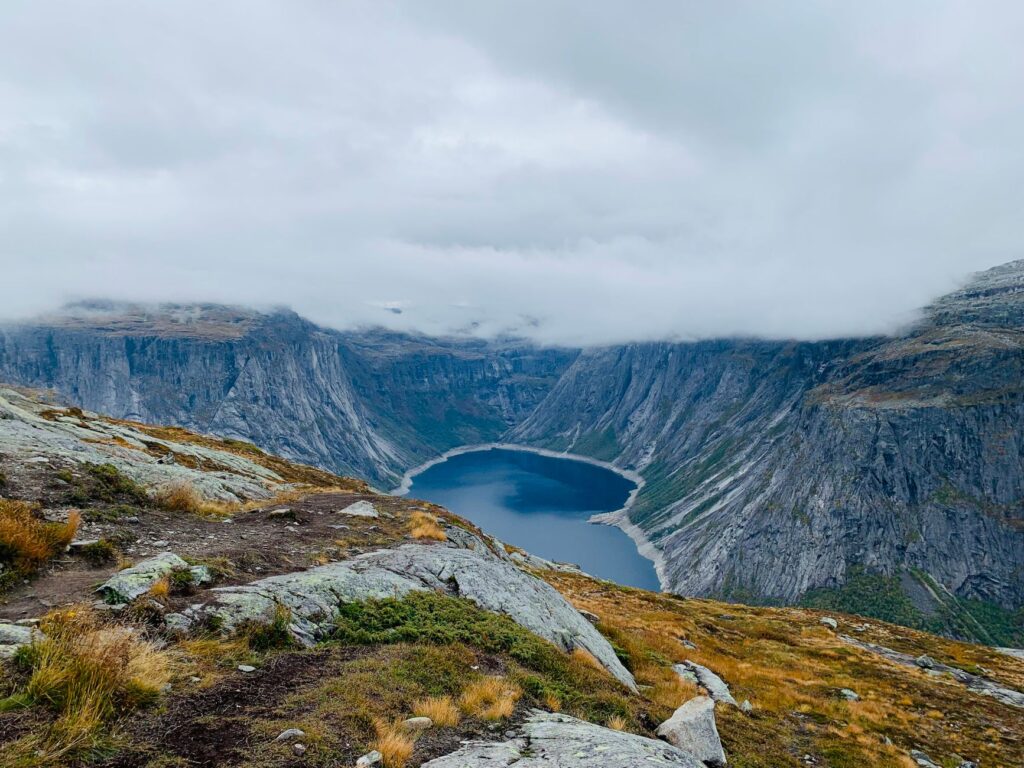
Traveling on these vessels allows one to understand the true scale of the Norwegian coast. Unlike conventional cruise ships, these vessels operate like floating local buses, where local passengers board at one port to disembark at the next fjord. The facilities combine contemporary comfort with a clearly functional vocation. For the independent traveler, purchasing a section of the coastal route represents the most authentic way to delve into the fjords without sacrificing logistical efficiency. The port calls, although sometimes brief and nocturnal, are perfectly integrated into an itinerary covering thirty-four ports along more than two thousand five hundred kilometers of coastline.
Local Ferries and Vehicle Transporters
The secondary yet equally indispensable backbone is composed of vehicle and passenger ferries, known in Norwegian as ferge. Managed by various private companies under public licenses (such as Torghatten Nord, Fjord1, or Norled), these boats connect the ends of national highways interrupted by the fjords. In recent decades, the Norwegian government has driven a radical technological transformation in this fleet, replacing traditional diesel engines with electric propulsion and hybrid systems.

For the motorized traveler, using these ferries requires careful planning. Fares are calculated based on vehicle length and the number of passengers onboard. Although frequencies are high on major routes —with departures every twenty to thirty minutes during peak hours— schedules on secondary branches may be reduced to three or four daily services. It is imperative to consult digital platforms updated in real time, as severe windstorms or heavy swells can temporarily suspend departures without prior notice. Furthermore, the gradual introduction of automated license-plate toll systems (AutoPASS) has simplified fee collection, eliminating the need to pay in cash at most terminals.
High-Speed Passenger Boats: Velocity Between Islands
When the goal is to travel between coastal cities and island communities without transporting a car, high-speed catamarans, called hurtigbåt, are the preferred option. These lightweight vessels achieve remarkable cruising speeds, cutting through waters protected by outer archipelagos and connecting, for example, Bergen with the municipalities of the Sognefjord or the islands of Sunnhordland in just a few hours.
Unlike car ferries, express boats prioritize pedestrian passenger comfort, offering spacious lounges with panoramic views, onboard cafeterias, and intermodal connections synchronized with regional buses. Punctuality on these lines is strict, as they serve as the primary means for daily commuting and educational transport for young people living on smaller islands. For visitors, these routes offer a closer perspective on the water, navigating at surface level through narrow channels where rock faces seem ready to brush against the hull.
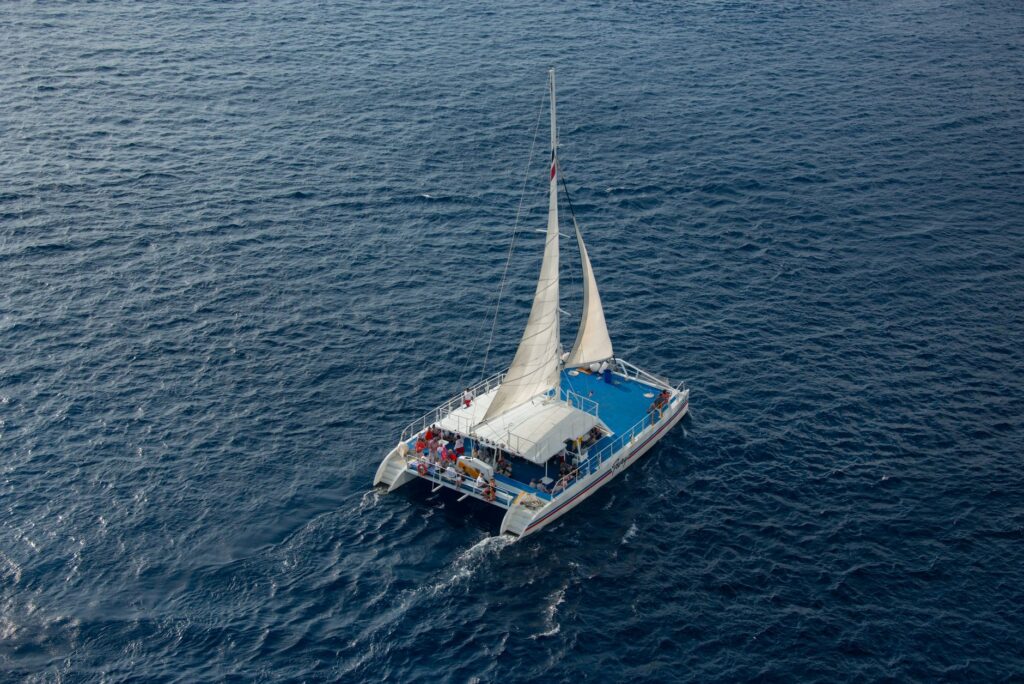
Intermodal Planning: Connecting Trains, Buses, and Boats
The true challenge for travelers in western Norway is not the movement itself, but the seamless integration between different modes of transport. One of the greatest virtues of the Norwegian system is institutional coordination under regional transport brands (such as Skyss in Vestland or Ruter in the Oslo area). This means that the arrival time of a train from the Bergen Line (Bergensbanen) at Voss station is typically calculated to allow an immediate transfer to a bus descending to the fjord, where the ferry to Gudvangen or Flåm awaits.
To structure such a journey without friction, using integrated official route planners—accessible via both mobile apps and centralized web portals like EnTur—is indispensable. These tools group together all public transport offerings in the country, including private and public operators. However, experience shows that during the summer months, characterized by high tourist influx, it is advisable to book tickets for tourist ferries and high-demand trains weeks in advance, as vessel capacity is not unlimited and spaces fill up quickly.
Maritime Safety and Regulations on the Norwegian Coast
Navigating Norwegian waters involves complying with strict safety regulations issued by the Norwegian Maritime Directorate and the International Maritime Organization. Weather conditions in the west of the country can change drastically within hours; a day of brilliant sunshine and calm seas can give way to sudden rainstorms and gale-force winds coming from the Norwegian Sea. For this reason, port captains and crews hold unquestionable authority over the departure or cancellation of voyages.
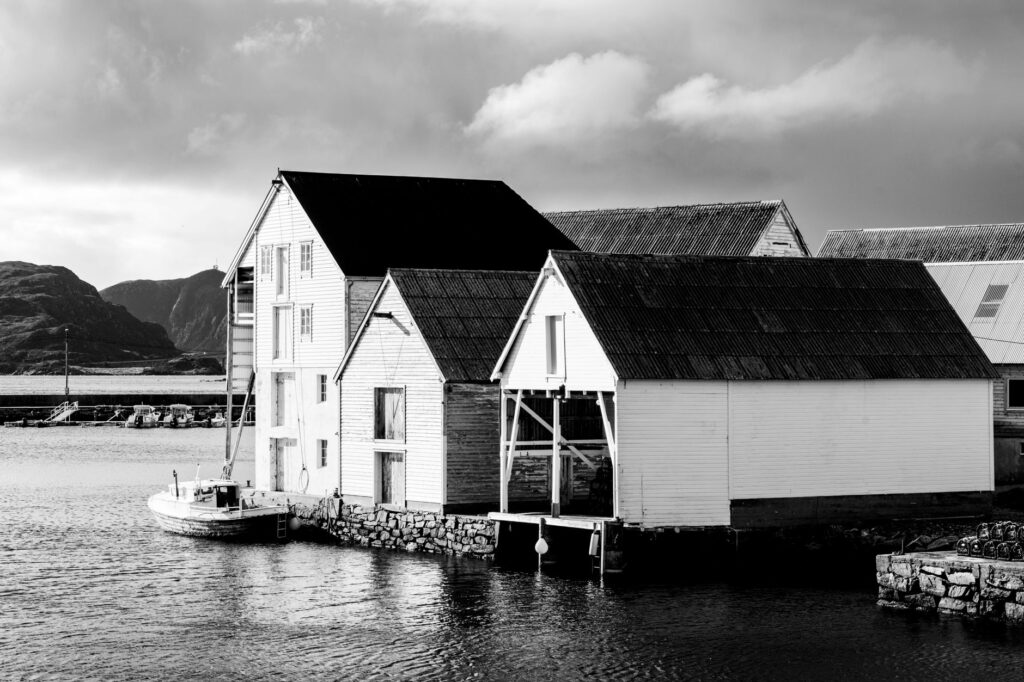
Similarly, passengers must rigorously comply with safety protocols on board, which include the absolute prohibition of smoking in unauthorized areas, respect for restricted access zones on outer decks during docking maneuvers, and the location of life-saving devices. Norwegian maritime culture deeply values order and prudence; local authorities constantly remind travelers that respect for the sea is the only guarantee for enjoying a safe and memorable journey through these extreme landscapes.
Sustainability and the Electric Future of Fjord Navigation
In recent years, Norway has become the global laboratory for the decarbonization of maritime transport. Environmental legislation requires new ferry concession contracts to prioritize zero-emission technologies. As a result, an increasing number of vessels operating in the fjords run entirely on high-capacity electric batteries, recharged in ports via onshore grids powered by hydroelectric energy.
This ecological transition not only reduces the carbon footprint of travel, but radically transforms the passenger experience. The absence of combustion engine noise and the total elimination of polluting gas emissions allow travelers to experience the fjords in near-absolute silence, respecting the fragile marine ecosystem and the tranquility of coastal communities. For the conscious traveler, choosing certified operators with clean technologies is an active way to contribute to the preservation of one of the planet’s most pristine natural environments.
Practical Information for the Nautical Traveler
- Optimal Season: Although services operate year-round, the months between May and September offer higher frequencies and better weather conditions for touristic navigation.
- Tickets and Bookings: Use the national platform Entur.no to check combined connections and purchase digital tickets in advance.
- Luggage: Limit luggage volume to the strict minimum; ferries and express boats have specific storage areas, but moving across gangways and stairs requires mobility.
- Appropriate Clothing: Windbreakers, breathable waterproof garments, and shoes with non-slip soles are essential, even in midsummer.
Visual Conclusion and Final Thoughts on Sea Travel
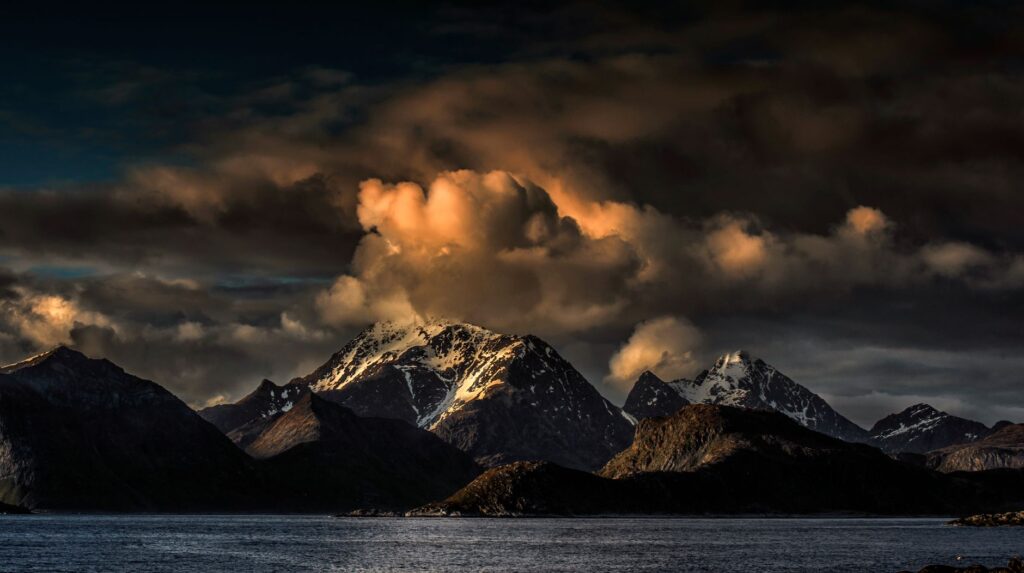
Navigating the western fjords of Norway transcends the mere notion of movement to become a profound lesson in human adaptation to an untamed nature. Through this intricate system of boats, ferries, and intermodal connections, the traveler experiences the real rhythm of a country that has made the sea its greatest historical ally. Far from overcrowded highways, the true pulse of western Norway beats on the deck of a ferry slowly crossing the dark mirror of a deep fjord.

