Introduction to the Backbone of Europe
The territory of Switzerland is not merely a sanctuary of snow-capped peaks and glacial lakes, but also one of the world’s most complex engineering and transportation laboratories. Nestled in the heart of the continent, the Swiss Confederation has had to tame an unforgiving geography to ensure seamless, safe, and sustainable connectivity for both residents and the millions of travelers who traverse it annually. Unlike other major tourism destinations where transportation is a mere logistical hurdle, in Switzerland moving from one place to another is an integral part of the cultural and territorial experience, fusing high technology with landscape preservation.
The backbone of this system is integrated public transport, a model in which trains, postal buses, steamships, and cable cars operate under a unified schedule of synchronized timetables. Understanding the Swiss Alpine network requires looking beyond the romantic postcard view; it demands analyzing a millimeter-precision system where punctuality is not a courtesy, but an operational standard backed by constant investment and a deeply rooted civic culture. This report explores the railway arteries, the logistical challenges of base tunnels, regional aviation, and practical keys for navigating this territory without compromising environmental sustainability.
History and Evolution of Alpine Railway Engineering
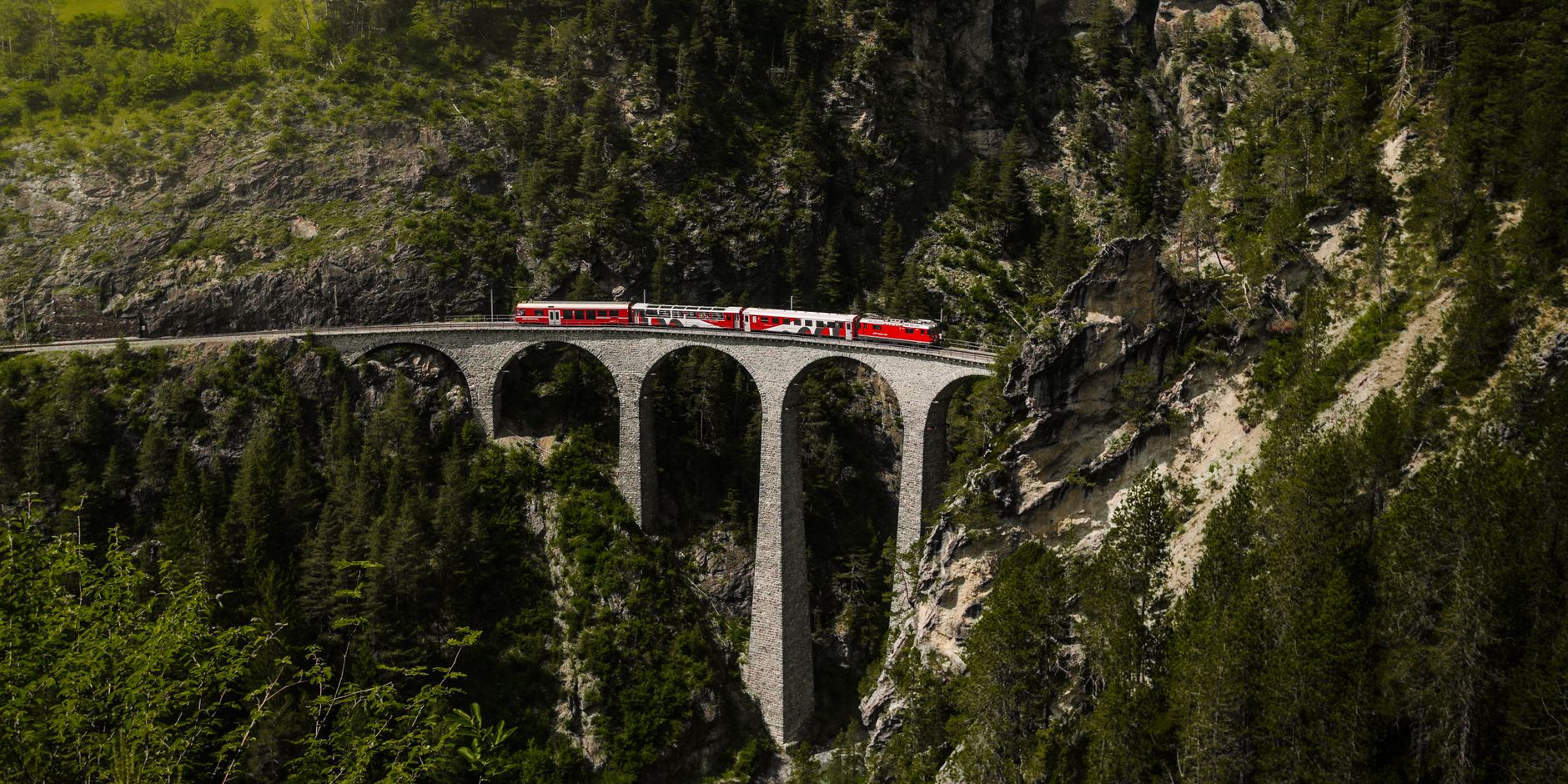
The railway conquest of the Alps began in the 19th century, an era when cutting a path through granite massifs seemed like a technical chimera. The inauguration of the Gotthard Tunnel in 1882 marked a turning point, connecting the industrialized north of Europe with the Mediterranean via a railway that demanded thousands of workers’ lives and unprecedented engineering solutions. Engineers of the period had to devise steep-gradient traction systems, dizzying bridges, and avalanche protection galleries that still astonish visitors today for their sheer solidity.

As the 20th century progressed, the electrification of lines became a national priority. Lacking domestic coal but abounding in water resources, Switzerland boldly invested in hydroelectric power to propel its trains. This decision not only secured the country’s energy independence during world conflicts but also laid the groundwork for clean electric railway transport long before climate change entered the global political agenda. Steam locomotives gave way to powerful electric units capable of handling impossible gradients with remarkable energy efficiency.
The Integrated System: Trains, Postal Buses, and Navigation
The success of the Swiss model lies in the concept of the integrated network, coordinated nationally by the Federal Office of Transport and operated primarily by Swiss Federal Railways (SBB CFF FFS) alongside numerous private and regional companies. The foundational principle is the symmetry node: trains arrive at major stations simultaneously on the hour, facilitating rapid and frictionless transfers to other trains, buses, or boats.
The iconic Postal Buses (PostAuto) are the natural extension of the train into remote valleys and mountain passes inaccessible by rail. Painted in their characteristic post-bus yellow and equipped with a three-tone horn modeled after the triad of William Tell, these vehicles connect agricultural hamlets with ski resorts and logistical hubs, ensuring that no community remains isolated regardless of winter’s severity. Likewise, lake navigation plays both a tourist and daily commuter role on lakes such as Zurich, Lucerne, Geneva, and the alpine lakes of Ticino.

Panoramic Trains and Historic Routes
Beyond commuter and long-distance networks, Switzerland is globally celebrated for its panoramic trains, which demonstrate how tourism infrastructure can be integrated respectfully into fragile natural environments. The Glacier Express, linking Zermatt and St. Moritz across 291 bridges and 91 tunnels, is the paradigm of this slow-travel philosophy. Passengers experience a journey that prioritizes geological contemplation over speed, crossing the Oberalppas pass at over two thousand meters altitude in carriages with panoramic glass roofs.
Another essential route is the Bernina Express, operated by the Rhaetian Railway and designated a UNESCO World Heritage Site. This line snakes from alpine glaciers down to the palm trees of northern Italy without using a rack railway, overcoming 7% gradients through audacious geometric solutions such as the Brusio spiral viaduct. These routes are not mere leisure attractions; they are lifelines that sustain the local economies of alpine valleys that would otherwise suffer from demographic isolation.
The Revolution of Base Tunnels: Gotthard and Ceneri
In the 21st century, the primary challenge shifted from climbing over mountains to cutting through their bellies at high speed. The AlpTransit project, popularly known as the New Rail Link through the Alps (NRLA), marked the culmination of modern subterranean engineering. With the opening of the Gotthard Base Tunnel in 2016, spanning 57 kilometers, the world’s longest and deepest railway tunnel opened, allowing passenger and freight trains to glide smoothly through the heart of the rock at low elevation.
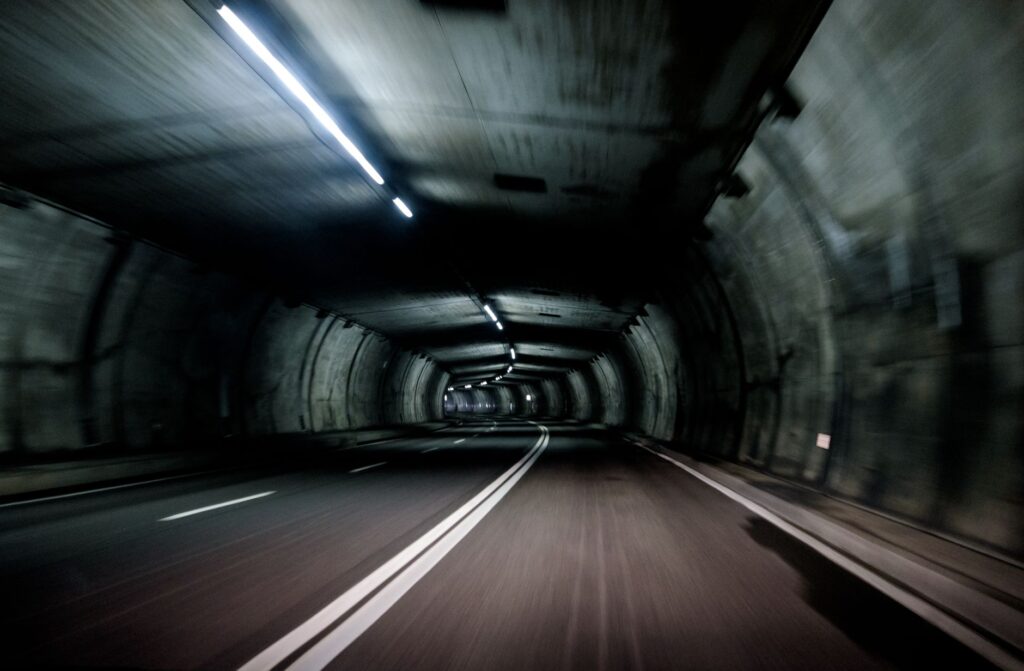
This behemoth was later complemented by the Ceneri Base Tunnel, completing a north-south axis that drastically reduces travel times between Zurich, Milan, and the rest of the Italian peninsula. This infrastructure has successfully shifted millions of tons of freight from road to rail, relieving congestion on alpine highways and fulfilling strict constitutional mandates requiring the protection of the alpine environment from heavy truck traffic.
Regional Aviation and Air Connectivity
Although terrestrial transport underpins the country, international commercial aviation plays a crucial role in Switzerland’s global economy. Zurich Airport (ZRH) and Geneva Airport (GVA) act as primary intercontinental gateways and hubs for airlines such as Swiss International Air Lines. Both airports stand out for their seamless intermodal integration: railway stations are located directly beneath the terminals, allowing passengers to transition from plane to high-speed train in a matter of minutes.
Meanwhile, regional airports like Bern-Belp and the Lugano airfield cater to specific demands for business aviation and seasonal charter flights. Swiss airport policy is closely regulated to minimize acoustic footprints in nearby residential areas and enforce strict nighttime curfews, balancing economic needs with the quality of life of local communities.

The true measure of a nation’s development is not the speed at which its citizens travel, but the equity, safety, and sustainability with which the system connects every corner of its territory.
Environmental Challenges and Sustainable Mobility
Despite possessing one of the most advanced transport infrastructures in the world, Switzerland faces considerable environmental challenges. Global warming is accelerating glacier retreat and permafrost instability, directly impacting the foundations of railway tracks, cable cars, and high-mountain roads. Engineers must constantly monitor rock slopes using telemetry sensors to prevent rockfalls and guarantee the safety of routes.
In parallel, the nation’s mobility strategy aims for total decarbonization of public transport by 2040. This entails the gradual replacement of remaining diesel buses with battery-electric or hydrogen fleets, as well as the continuous optimization of energy consumption across the rail network. Bicycles and pedestrian commuting also receive massive support in urban areas, complementing public transport via bike-sharing systems integrated directly into national ticketing apps.
Practical Information for Planning Your Trip
Planning a journey across the Swiss transport network requires understanding the particularities of its tariff system, designed to reward loyalty and the combined use of transport modes. The most versatile ticket for international visitors is the Swiss Travel Pass, which offers unlimited travel for a set number of consecutive days on trains, buses, and boats nationwide, plus substantial discounts on most mountain railways and cable cars.
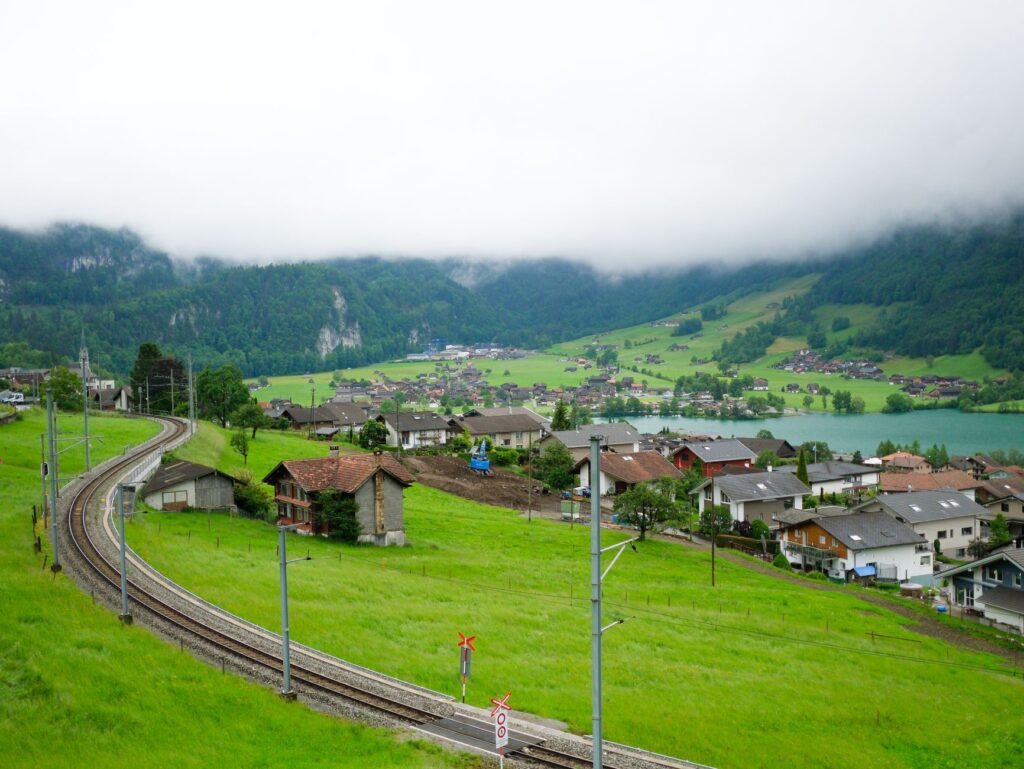
Downloading the official SBB Mobile app is indispensable; it acts as a real-time travel assistant, indicating not only schedules and transfers but also estimated carriage crowding levels and potential technical disruptions. Seat reservations are not mandatory on most regional and intercity trains, but they are strictly required on special panoramic trains like the Glacier Express and during peak winter and summer travel seasons.
Conclusion and Visual Finale
Switzerland’s transport system is much more than a sum of tracks, tunnels, and motors; it is the tangible expression of a social and territorial pact among citizens who chose to inhabit an extreme natural environment without sacrificing economic cohesion or sustainability. Navigating its valleys aboard a punctual train crossing a centuries-old viaduct or descending an alpine pass in a yellow postal bus reveals a logistical symphony where human precision dialogues in harmony with the majesty of the high mountains.
At dusk, when village lights flicker to life at the bottom of the valleys and the last electric trains silently snake along the slopes toward the base tunnels, it becomes evident that the true greatness of the alpine network lies in its invisible ability to unite distant worlds with the simplicity of a perfect gear.
A journey along Switzerland’s railways teaches us that the most advanced modernity does not consist in isolating oneself from nature, but in learning to traverse it with utmost respect and the highest engineering.