
A New Era for Mobility in the Heart of the Continent
The European transportation system stands at a critical juncture where efficiency and sustainability are no longer mere aspirations but mandatory operational requirements. Within this context, railway infrastructure has assumed a leading role, shifting passenger and freight traffic away from aviation and road transport along high-density corridors. The opening of the Gotthard Base Tunnel marked an unprecedented milestone in the history of civil engineering and in the territorial articulation of Central Europe. Spanning 57 kilometers beneath the Swiss Alps, this monumental work represents not only a technical record but a radical redefinition of the concept of distance and connectivity between the northern and southern regions of the continent.
The necessity to overcome the Alpine barrier has persisted in Europe’s economic history since the Roman era. For centuries, mountain passes and nineteenth-century tunnels severely limited cargo volumes and passenger travel speeds. The Gotthard project was conceived as the definitive solution to this historical bottleneck. Developed through complex democratic referendums in Switzerland and financed with strict fiscal discipline, the tunnel forms the core of the ambitious Swiss alpine program known as NLFA (New Rail Link through the Alps), designed to shift heavy freight traffic from roads to railways and protect fragile mountain ecosystems.
Challenging Geology: Engineering Beneath 2,000 Meters of Rock
Building the world’s longest railway tunnel demanded overcoming colossal geological and logistical challenges. Over more than a decade of continuous excavation, engineers and miners from dozens of nationalities confronted more than seventy different rock types, ranging from extremely hard granite to highly unstable, high-pressure water-saturated fault zones. To accelerate the process, multiple excavation fronts were driven simultaneously using giant mechanized boring machines, popularly known as mega-moles, capable of advancing several meters per day while installing reinforced concrete rings to secure the gallery walls.

The technical complexity lay not only in horizontal length but in vertical depth. At certain points along the route, the rock mass exceeded 2,000 meters of thickness above the trains, generating ambient temperatures surpassing 40 degrees Celsius that required massive cooling and forced ventilation systems. Likewise, structural safety was designed under the world’s most stringent standards. The system consists of two independent single-track tubes, connected every 325 meters by cross-passage emergency galleries allowing rapid passenger evacuation to the safe tube in case of contingency, alongside subterranean multifunctional stations for track switching and service train parking.
Swiss Speed and Precision: The Zurich-Milan Corridor
The operational impact of the base tunnel translates directly into travel times and freight capacity across European rail networks. Before its implementation, passenger trains linking Zurich to Milan had to meander along the winding historical mountain layout, drastically reducing speeds and limiting freight train weights. Today, high-speed convoys traverse the base of the mountain at speeds of up to 250 kilometers per hour, shortening the journey between both metropolises by approximately one hour.
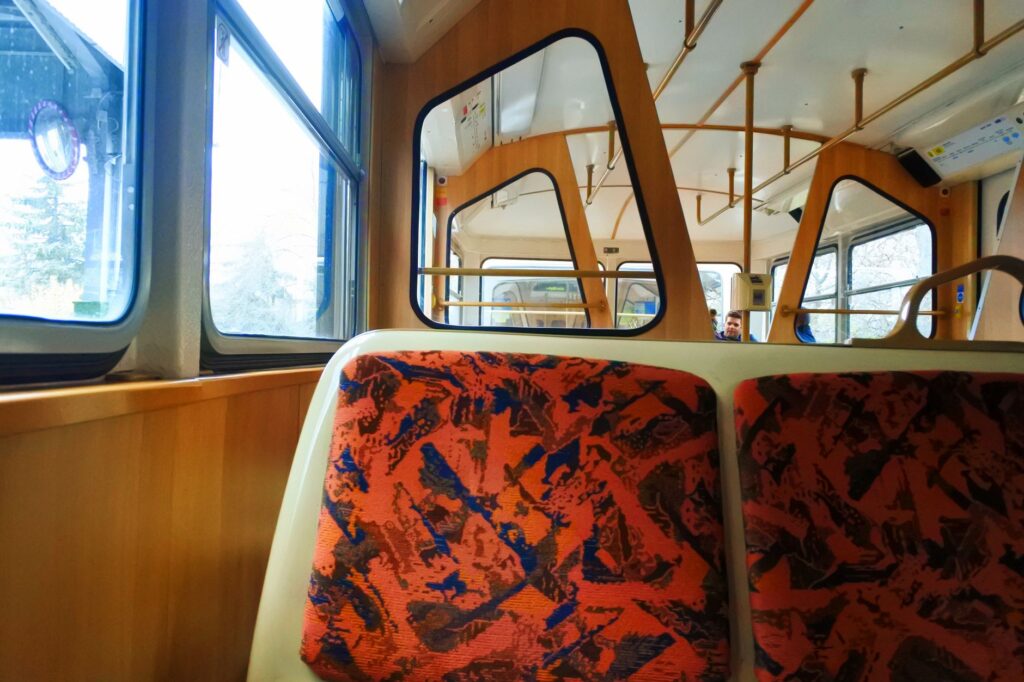
This time saving has radically transformed cross-border mobility habits, turning the train into a genuinely competitive alternative to air shuttles. Swiss punctuality and precision are embedded in every kilometer of the route, where advanced signaling systems such as the ERTMS (European Rail Traffic Management System) enable the management of high-frequency traffic with total safety. For travelers, the journey offers a seamless transition between the Swiss Plateau and the Italian Lombardy, proving that high speed can coexist with maximum operational reliability and onboard comfort.
Sustainability and Modal Shift in Freight Transport
Beyond passenger transport, the fundamental justification for the Gotthard Base Tunnel has always been ecology and heavy freight management. Europe bears unsustainable environmental pressure across its main road corridors, where thousands of trucks pollute Alpine valleys daily. Swiss legislation, firmly backed by citizens, establishes the constitutional principle of transferring as much heavy freight as possible from roads to railways. The tunnel enables freight trains up to 750 meters in length and weighing over 2,000 tons to cross the Alps flatly and at high speed.
The Gotthard Base Tunnel is not merely a subterranean railway line; it is an intergenerational ecological pact that proves the technical viability of prioritizing collective transport over the environmental degradation of Alpine valleys.
This modal shift has generated a measurable impact in reducing greenhouse gas emissions and decongesting Alpine highways. Intermodal logistics terminals situated at the northern and southern ends of the corridor act as nerve centers where containers are rapidly transferred from trucks to freight wagons, optimizing the European supply chain from North Sea ports to Mediterranean markets. This model of logistics integration serves today as a reference for other infrastructure projects across the continent.

Infrastructure and Maintenance: The Invisible Challenge
Keeping such a massive infrastructure operational requires a maintenance engineering strategy as complex as its initial construction. Subjected to extreme conditions of humidity, pressure, and continuous usage, the Gotthard Base Tunnel features highly sophisticated automated inspection protocols. Auscultation trains equipped with high-precision lasers, thermographic cameras, and ultrasonic sensors traverse the tracks during nighttime maintenance windows, detecting any minimal wear on rails, catenaries, or concrete linings before it becomes a technical incident.
The management of airflow and electrical energy constitutes another foundational pillar of daily maintenance. Powerful ventilation fans installed at the tunnel portals continuously renew the air and control atmospheric pressure generated by high-speed trains crossing paths inside. Furthermore, all energy used to propel the convoys and power the tunnel’s safety systems originates from renewable hydroelectric sources generated within the Alpine valleys themselves, closing a perfect circle of energy sustainability characteristic of the Helvetic railway network.
Practical Information for Trip Planning
Planning a journey through the Gotthard Base Tunnel is straightforward thanks to the integration of the Swiss (SBB CFF FFS) and Italian (Trenitalia) railway networks. Main passenger services are operated by modern high-speed trains connecting major Northern European cities with Milan, Venice, and other Italian destinations. It is highly advisable to book seats several weeks in advance, especially during holiday periods and high-demand tourist weekends, as demand along this international corridor remains consistently elevated.
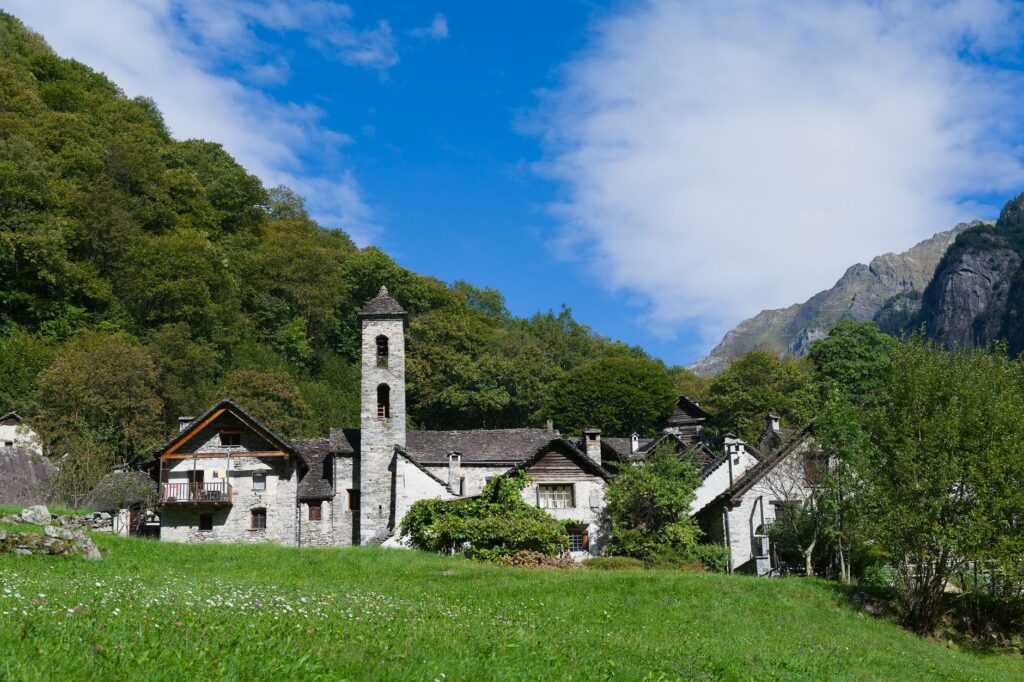
International tickets can be purchased directly through official mobile applications of railway operators or at ticket counters in major stations. For travelers wishing to explore the region at a leisurely pace, there is the option of combining the rapid base tunnel passage with panoramic route reservations along the historical mountain line (the Gotthard Panorama Express), allowing passengers to experience both the pinnacle of modern engineering and the traditional beauty of historical Alpine landscapes.
The Future of Trans-European Corridors
The operational success of the Gotthard Base Tunnel has consolidated a new paradigm in planning transport infrastructure on a continental scale. Far from being an isolated project, it forms part of the Trans-European Transport Network (TEN-T), a coordinated European Union effort to unify railway corridors from the Baltic to the Mediterranean and from the Atlantic to the Black Sea. The lessons learned during excavation and management at Gotthard are being directly applied to other colossal ongoing projects, such as the Brenner Base Tunnel between Austria and Italy or the Lyon-Turin link.

These underground arteries shape an interconnected European map where natural physical borders lose their status as insurmountable obstacles. The future of continental transport relies on this capacity to unite territories cleanly, swiftly, and securely. Gotthard demonstrates that when political will, technical investment, and environmental respect converge, it is possible to profoundly transform how citizens and goods circulate across the continent, laying foundations for truly sustainable and cohesive economic development.
Conclusion: A Monument to Sustainable Mobility
The Gotthard Base Tunnel transcends its condition as a mere public work to become a symbol of human capability to overcome geographical limits with environmental responsibility. By shrinking distances between Northern and Southern Europe, this infrastructure has redefined international railway transport standards, proving that high speed can be synonymous with territorial respect and energy efficiency.
Europe is advancing toward a decarbonized transport model where large underground engineering works act as invisible bridges guaranteeing territorial cohesion without sacrificing the natural wealth of the landscapes they traverse.
For travelers and logistics professionals, crossing the Alps via this technical marvel serves as a constant reminder of how well-directed innovation can improve quality of life and economic competitiveness across an entire continent. Gotthard’s legacy will endure for generations as testament that connecting different worlds through precision, visionary foresight, and unwavering commitment to sustainability remains entirely possible.