
A Milestone in the Global Tourism Economy
The landscape of international travel undergoes constant transformations, and within this geopolitical and economic framework, Mexico has successfully solidified a privileged position. According to information published by the newspaper El Universal, the country currently holds the fourth place worldwide in both the direct contribution of the tourism sector and the level of spending generated by leisure travel. This achievement is not merely a statistical figure in a macroeconomic report, but rather the reflection of a sustained strategy, the diversity of its territorial offerings, and the undeniable preference of millions of international travelers who choose Mexican territory for their vacations.
To understand the magnitude of this positioning, it is necessary to examine the context in which it occurs. Following the global challenges that deeply affected the travel industry earlier this decade, recovery has not been uniform across all regions of the globe. While some destinations have struggled to regain previous volumes, Mexico has demonstrated remarkable resilience, driven by continuously expanding hotel infrastructure, robust air connectivity, and a cultural and historical richness that exerts a cross-cutting appeal on diverse audiences.
The Anatomy of Leisure Tourism Spending
One of the most significant indicators revealed by the analyzed data is the level of spending on leisure travel. Traditionally, the conversation surrounding mass tourism has focused on visitor arrival volumes—a metric that, while relevant, offers an incomplete view of the activity’s true profitability. Per capita spending indicators and direct contributions to Gross Domestic Product (GDP) measure true economic impact: how much money effectively reaches local communities, supply chains, service providers, and public coffers.

The leisure traveler choosing Mexico tends to diversify consumption beyond traditional all-inclusive lodging. A growing trend is observed toward booking specialized experiences, high-end gastronomy, wellness tourism, guided archaeological routes, and the purchase of artisan goods with designations of origin. This consumption behavior substantially elevates economic output and positions the country as a destination capable of capturing high-net-worth travelers, breaking the stereotype that Mexican tourism relies exclusively on low-cost models.
Infrastructure, Connectivity, and Territorial Diversification
Mexico’s success in these global indicators cannot be explained without addressing the structural factors facilitating tourist flows. International air connectivity has played a decisive role. The country’s principal airports maintain consistent and expanded frequencies with key hubs in North America, Europe, Central and South America, as well as emerging routes to other continents. This transportation network ensures that access to diverse tourist hubs remains fluid and competitive.
Furthermore, geographic diversification has mitigated the saturation of traditional sun-and-beach destinations. While the litorals of the Mexican Caribbean and the Pacific continue to concentrate a majority share of visitor flows, central and southern regions of the country have gained unprecedented prominence. Colonial cities, magical towns, and coffee and wine regions attract a profile of travelers interested in authenticity and biocultural heritage, distributing the economic benefits of tourism more equitably across the national territory.
The Human Factor and Hospitality as Pillars
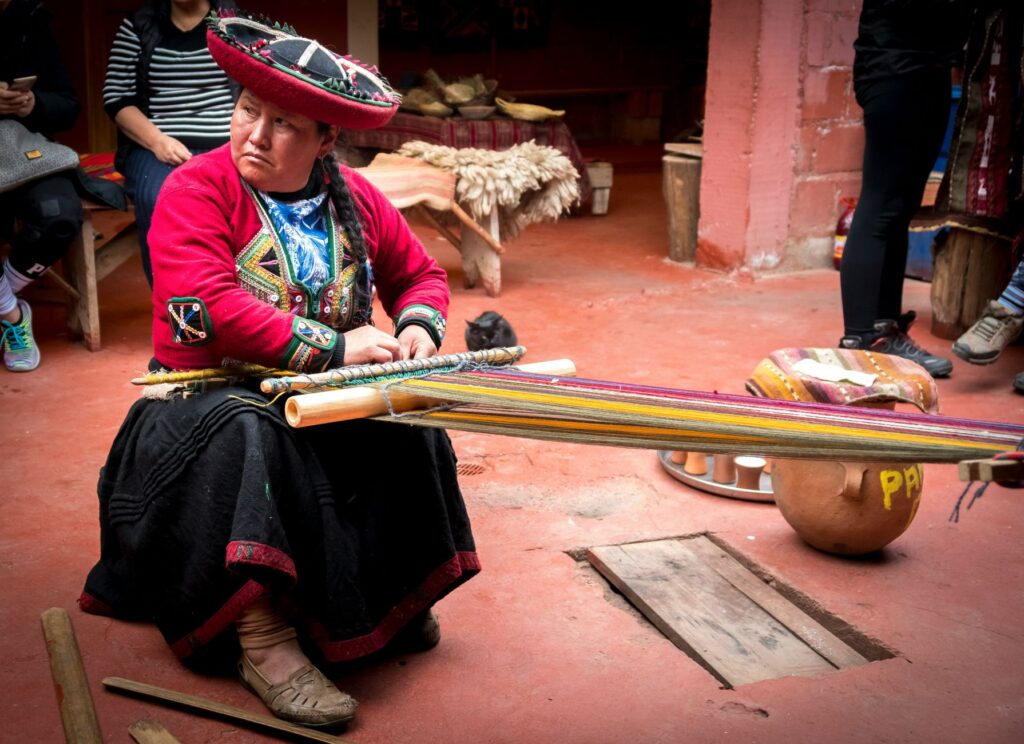
Behind every favorable economic statistic lies human capital. Mexico’s tourism industry rests upon a tradition of hospitality deeply rooted in the country’s culture. From professionals trained in high-level hotel management institutions to small community service providers, the quality of customer care is frequently highlighted in international satisfaction evaluations.
The strength of Mexican tourism lies not only in its privileged geography, but in the capacity of its people to turn tradition into an unforgettable and sustainable experience.
This human component is especially critical in the leisure tourism segment, where emotional and wellness expectations are elevated. Authenticity in interactions, combined with international service standards, generates high return rates and word-of-mouth recommendations, consolidating a base of recurring visitors who travel to the country multiple times throughout their lives.
Contemporary Challenges Amid Sustained Growth
Despite achievements placing Mexico fourth globally, the sector faces complex challenges requiring rigorous planning by authorities and the private sector. The accelerated growth of leisure tourism poses significant challenges regarding environmental sustainability, water resource management, waste treatment, and the preservation of local ecosystems, particularly in fragile zones such as coral reefs, jungles, and biosphere reserves.

Additionally, gentrification and its impact on resident communities are subjects of public debate in several of the most dynamic destinations. Ensuring that economic growth does not translate into the exclusion of local populations or the loss of cultural identity in tourist sites is an inescapable priority. The transition toward tourism management models based on strict sustainability criteria will determine the long-term viability of this global leadership.
Sustainable Tourism and Preservation Policies
In response to these challenges, various regions of the country have begun implementing policies oriented toward regenerative tourism. This approach goes beyond merely mitigating negative impacts; it seeks to ensure that tourism activity actively contributes to ecosystem restoration and the strengthening of the social and solidarity economy. Community tourism initiatives, where indigenous communities manage and directly benefit from ecotourism projects, are gaining traction and serving as models to follow.

These practices respond not only to ethical and environmental demands but also to international market requirements. The contemporary traveler, especially within higher-spending segments, values and demands transparency regarding the ecological and social credentials of visited destinations. Mexico’s ability to integrate these standards into its general offering will be crucial for maintaining competitiveness against other global tourism powers.
Future Outlook and Economic Resilience
Looking ahead, projections for Mexico’s tourism industry remain optimistic, though conditioned by the international macroeconomic environment, currency fluctuations, and global geopolitical stability. Nonetheless, consolidation in fourth place globally demonstrates that the country possesses solid foundations to weather volatility. Investment in digital infrastructure, continuous improvement in destination safety, and sector professionalization are tasks in constant evolution.
The international recognition obtained through the data published by El Universal underscores that Mexico is not merely a volume destination, but a central actor in defining leisure tourism trends on a planetary scale. The combination of heritage, infrastructure, connectivity, and human warmth ensures that the country will maintain its appeal over the long term.
Practical Traveler Information and Contextualization
For those interested in planning a leisure trip to Mexico and understanding the context of its tourism offerings, it is essential to keep the following practical guidelines in mind, based on the country’s operational reality:
- Documentation and Entry: Most international leisure travelers do not require a visa for stays under 180 days, provided they hold a valid passport and meet standard immigration requirements at air and land entry points.
- Seasonality and Climate: Mexico features great climatic variety. High season for leisure tourism generally coincides with winter months in the northern hemisphere (December through April) and the summer vacation period, although interior regions enjoy favorable microclimates year-round.
- Internal Connectivity: The country features an extensive network of domestic airlines and high-quality long-distance bus services, facilitating travel between urban centers and specialized tourist destinations.
- Gastronomy and Health Safety: Mexican cuisine is an intangible cultural heritage of humanity; consuming food in formally established venues and following standard local health guidelines is recommended.
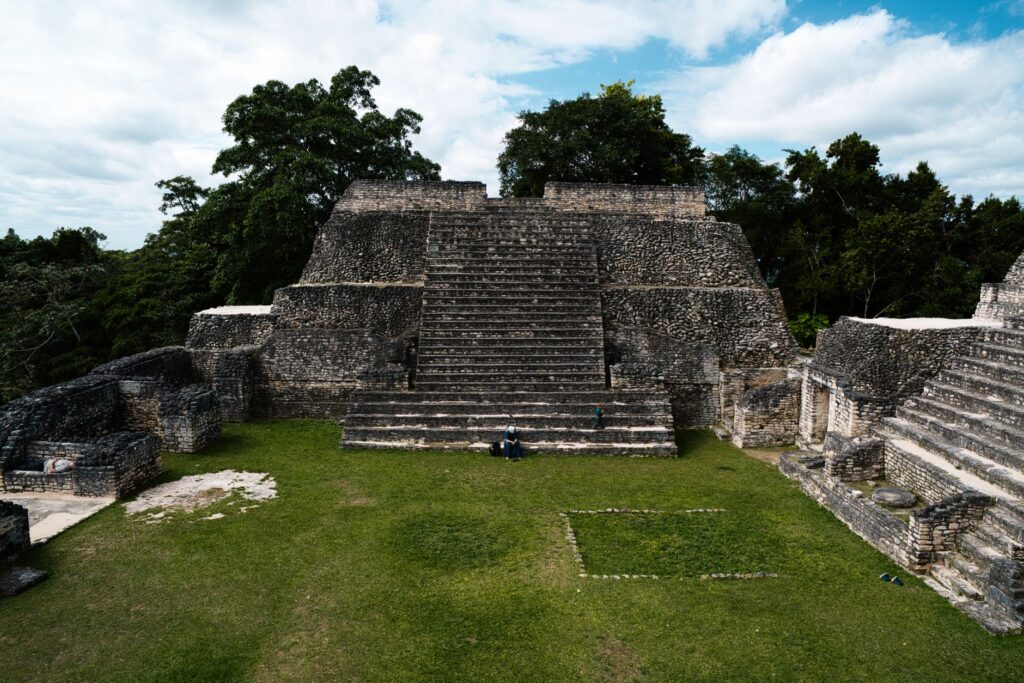
Leisure tourism in Mexico is a complex ecosystem where ancient history and modernity coexist to offer a unique experience on the international stage.
In conclusion, the fourth global place in direct contribution and tourism spending confirms the validity and appeal of Mexico. Far from being a definitive endpoint, this recognition should be understood as an incentive to deepen quality, sustainability, and equity policies ensuring that tourism continues to be an engine of balanced human and economic development for future generations.
Source in EN: El Universal