
An encounter between celluloid and haute cuisine
The bond between the seventh art and gastronomy has found a new convergence point at the prestigious San Sebastián Film Festival. On this occasion, the island of Majorca has taken on the role of demonstrating that its culinary heritage possesses a cinematic quality of its own, capable of transporting the diner to Mediterranean landscapes through taste. The initiative, driven by a collaboration with Forbes España, aims to elevate local produce to the category of media star, proving that Balearic cuisine transcends conventional seasonal tourism to establish itself as a cultural pillar of the highest order.
During the Basque film event, Majorcan cuisine did not merely occupy tables and banquets; it became the guiding thread for gatherings where chefs, producers, and cultural critics debated territorial identity. The Balearic Islands, traditionally associated with sun and beach tourism, thus reclaim a culinary sophistication rooted in farm-to-table produce, seasonality, and absolute respect for the fishing and agricultural traditions that define the insular landscape.
Local produce as the script’s protagonist
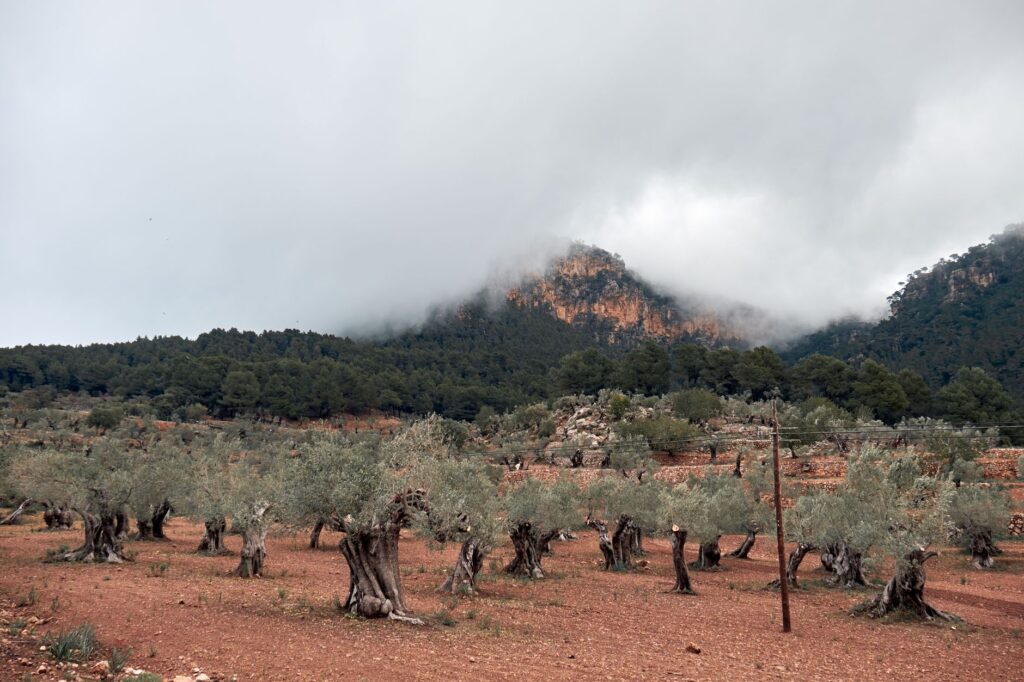
Just as a film relies on a solid script, Majorca’s culinary showcase in San Sebastián was built upon exceptional raw materials. From protected designation of origin extra virgin olive oil to artisan sobrasada, passing through rock fish and traditional garden vegetables, each ingredient acted as a necessary supporting actor to construct a coherent and honest narrative. The chefs who travelled to the Guipuzcoan capital successfully translated the essence of the island into bites that evoke the sea breeze, dry-stone terraces, and holm oak forests.
This gastronomic approach rejects artifice in favour of organoleptic purity. The challenge lay in presenting complex textures and flavours without masking the inherent nature of the produce—an exercise in restraint and elegance that directly aligns with the most demanding contemporary currents in international cuisine. Specialized critics attending the festival particularly praised this commitment to authenticity over culinary standardization.
Majorcan cuisine in San Sebastián proves that the flavor of an island can project itself with the same force as a great cinematic work.
Cinematic cuisine as a strategy for cultural projection
Majorca’s presence in an international showcase of the magnitude of the San Sebastián Festival responds to a deliberate strategy of cultural diversification. Today, gastronomy functions as a territory’s most effective ambassador, capable of attracting travellers interested in culture, heritage, and sustainability. By linking Majorcan flavours to cinematic narrative, an emotional bridge is established with diverse audiences who discover the island through its aromas and culinary traditions.
This pairing of film and gastronomy also highlights the professionalization of the Balearic agri-food sector. Producers and restaurateurs work in a coordinated manner to ensure that each dish tells a truthful story, backed by quality controls and designations of origin that protect gastronomic heritage against massification and the loss of identity markers.
Tradition and avant-garde in island kitchens
The success of Majorcan gastronomy in the festival circuit lies in its ability to transition naturally between family memory and technical innovation. Contemporary chefs reinterpret centuries-old recipes—such as tumbet, Majorcan soups, or brut rissos—by applying avant-garde techniques that lighten preparations without betraying their original soul. This duality turns the island’s cuisine into an object of anthropological study and, simultaneously, into a playful and hedonistic experience.
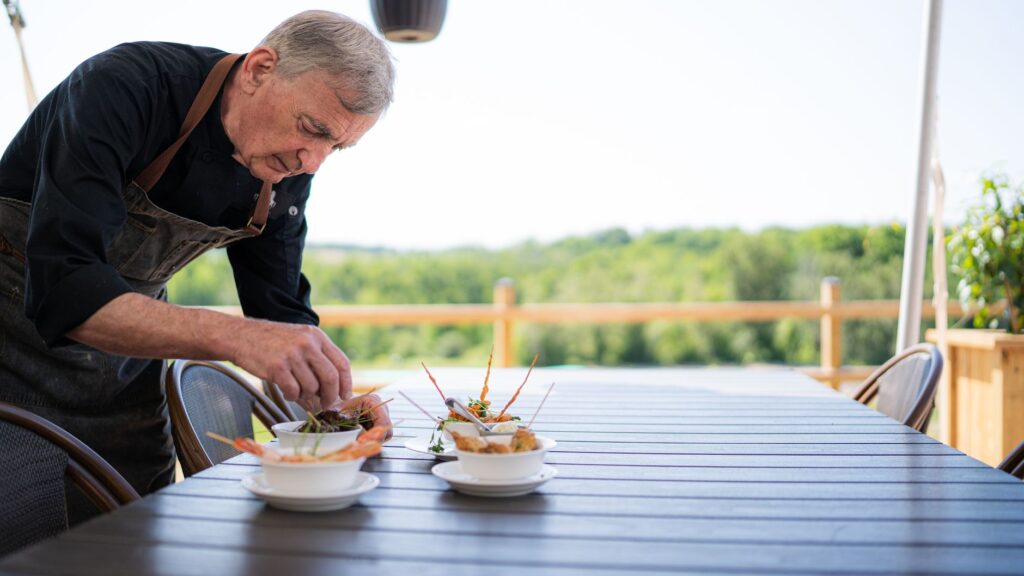
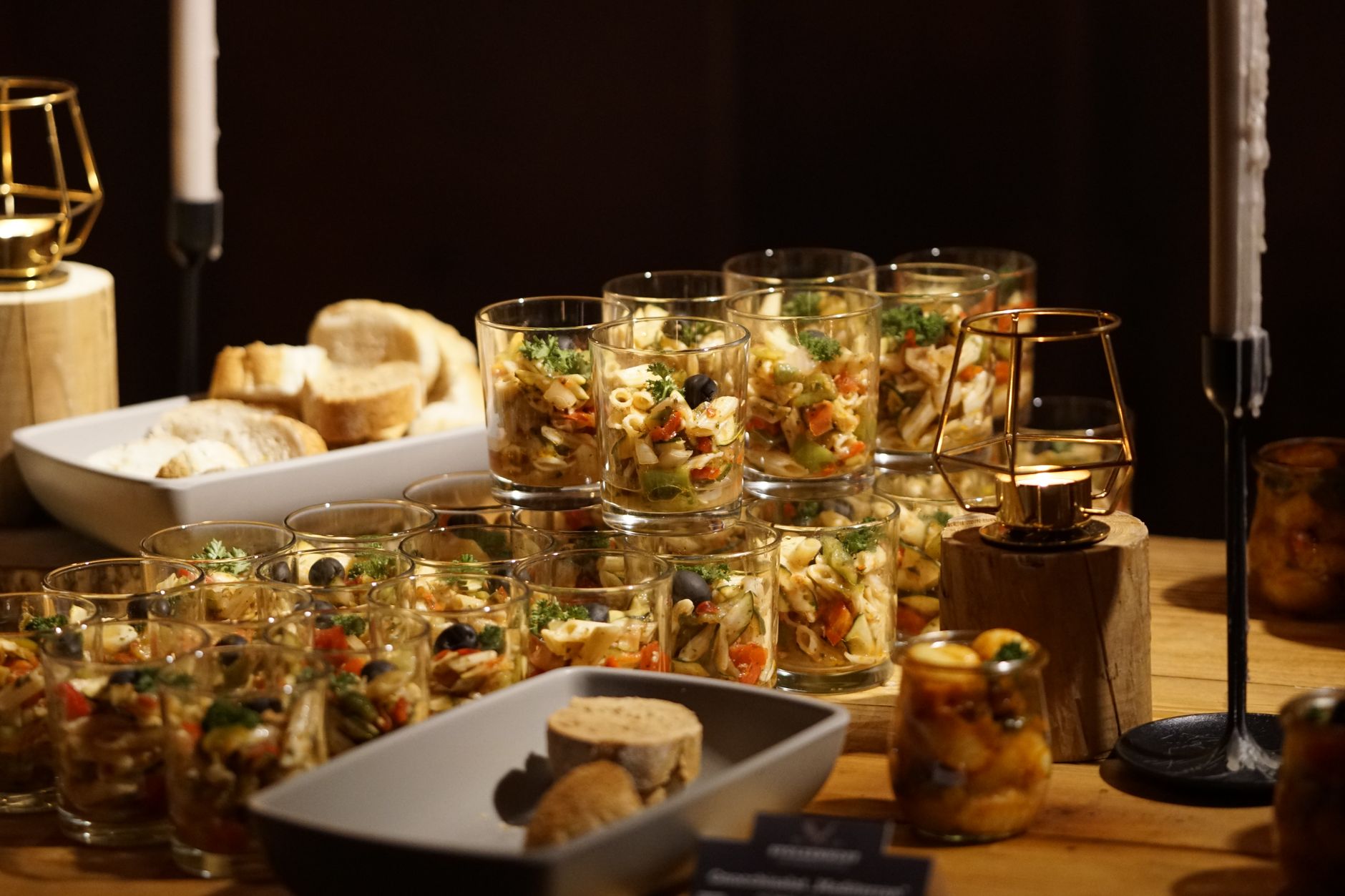
In San Sebastián, this philosophy translated into tasting menus conceived as narrative sequences. Each dish represented an act, ranging from the saline introduction of seafood to the spiced climax of cured meats and a sweet conclusion crowned by ensaimada or crespells. The response from the public and sector professionals confirmed the maturity of a proposal that now competes toe-to-toe with Europe’s most renowned culinary regions.
The role of the media in disseminating gastronomic culture
The coverage of events of this nature by specialized publications such as Forbes España is decisive in consolidating the prestige of regional cuisine. The reports and chronicles generated during the festival act as a documentary archive that transcends the ephemeral event, analysing the economic, social, and cultural impact of gastronomy on the sustainable development of local communities.
Through rigorous journalism focused on detail, the faces behind the stoves, the struggles of small producers, and the vision of cultural managers are revealed. This journalistic approach allows the reader to understand that behind every dish served at a film festival lies hours of work, research, and a profound respect for the territory.
Sustainability and the future of the Balearic agri-food sector
One of the most recurrent discursive axes during the sessions held in San Sebastián has been the urgent need to guarantee the sustainability of the Majorcan agri-food model. Climate change, urban pressure, and water scarcity pose major challenges for the island’s agriculture and livestock farming. In this context, haute cuisine acts as a privileged megaphone to raise awareness about the importance of consuming local produce and supporting the primary sector.

Majorcan chefs have established themselves as defenders of the agrarian landscape, forging direct alliances with local farmers and cooperatives to ensure the supply of native varieties facing the threat of extinction. This ecological and social commitment adds value to the gastronomic offering, turning it into a motor for transformation toward a more environmentally respectful tourism and economic model.
True contemporary haute cuisine cannot be understood without the preservation of the natural environment and unconditional support for those who cultivate it.
The international projection of Balearic flavours
The leap of Majorcan cuisine to such demanding international stages as the San Sebastián Festival opens the door to new markets and consolidates the Balearic Islands’ reputation as a world-class culinary destination. The combination of tradition, excellent produce, and creative talent generates an irresistible appeal for gourmets worldwide who seek authentic experiences far removed from mass tourism circuits.
This strategic positioning requires continuity in promotional policies and a constant effort by both the administration and the private sector to maintain quality standards. The Basque experience has demonstrated that Majorca possesses ample resources to lead Mediterranean culinary avant-garde, projecting its cultural identity through the senses.
Practical information for gourmets and travellers
For those interested in delving deeper into Majorca’s gastronomic culture beyond major events, the island offers a network of traditional markets, wineries, and restaurants committed to local produce. It is advisable to plan visits to the Santa Catalina or Olivar markets in Palma to experience firsthand the richness of Majorcan market gardens and fish markets.
Route recommendations:
- Traditional markets: Vibrant spaces to acquire fresh produce and converse with local vendors.
- Wine routes: Visits to wineries in regions such as Binissalem and Pla i Llevant to discover native varieties like Manto Negro or Callet.
- Inland gastronomy: Small restaurants in Tramuntana villages that maintain traditional mountain recipes.
- Sustainability: Prioritize establishments that certify the use of farm-to-table ingredients.
Visual closure and future prospects
The echo of Majorcan cuisine at the San Sebastián Festival will endure long after the projectors are switched off. The alliance between film and gastronomy has proven to be a fruitful format for narrating the cultural complexity of an island that knows how to reinvent itself without losing its roots. With sights set on future editions, Balearic cuisine consolidates its role as an ephemeral yet unforgettable art, capable of moving the spectator just as much as a great film.
Confirmed facts: Prominent participation of Majorcan gastronomy at the San Sebastián Film Festival in collaboration with Forbes España, focused on promoting local produce and insular culture.
Context: Integration of regional haute cuisine into international film events as a strategy for tourism and cultural diversification.
Recommendations: Support farm-to-table produce and visit traditional markets and local wineries in Majorca.
Source in EN: Forbes España via Google News