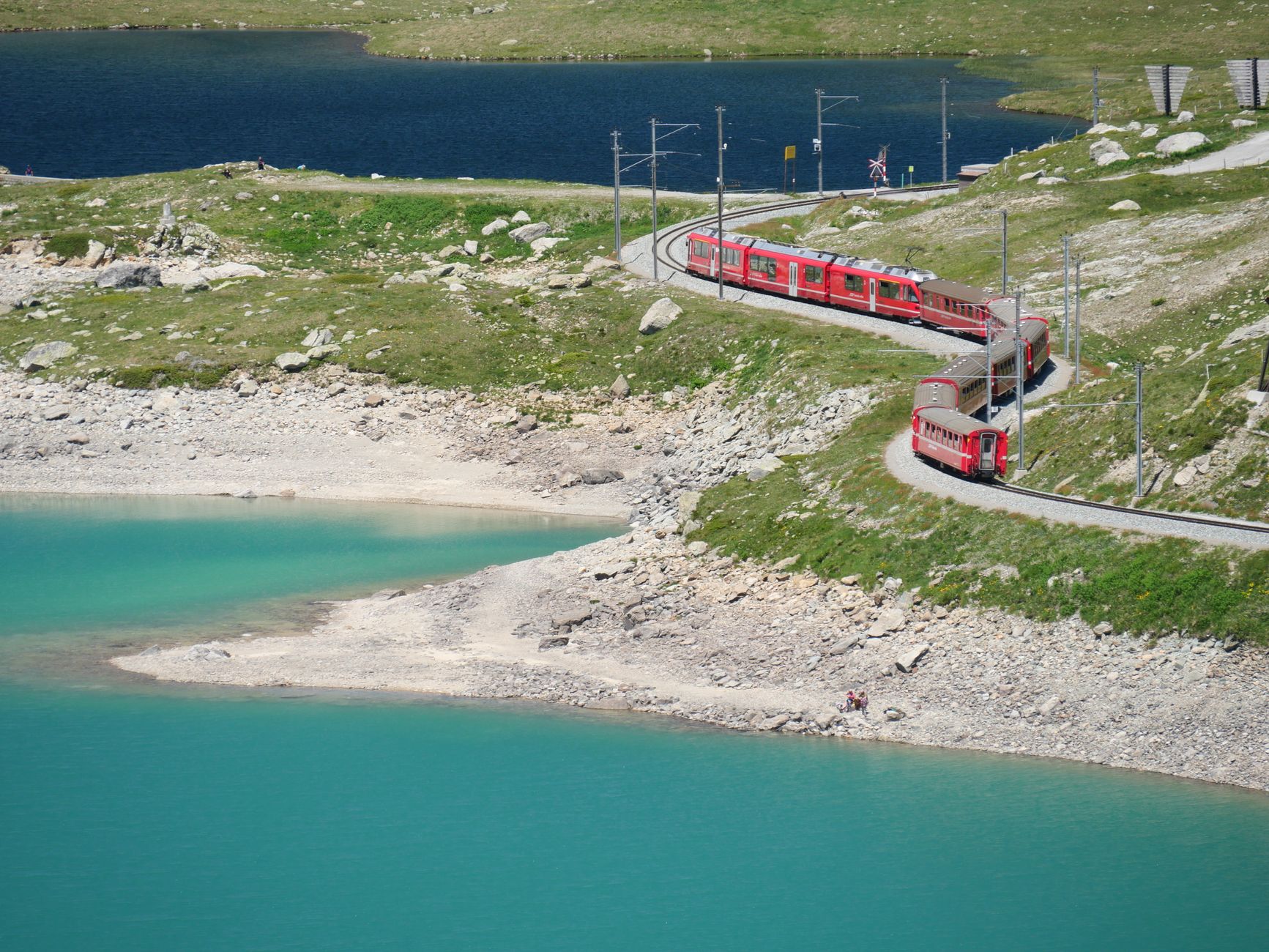

The Silent Awakening in Pyrenean Peaks
For decades, motorized access to deep mountain valleys and high-altitude resorts has relied almost exclusively on private vehicles. This automotive massification has generated not only recurring congestion on winding roads, but also unsustainable environmental pressure on alpine and pyrenean habitats of high ecological value. In this context of climate urgency, local governments and railway operators have turned their attention toward a century-old technological solution that has been radically renewed: the rack railway.
Far from being a mere nostalgic tourist attraction, this guided transport system has established itself as the backbone of a comprehensive sustainable mobility strategy. By shifting the massive flow of visitors from asphalt to metal rail, mountain communities manage to mitigate the carbon footprint associated with seasonal tourism, while preserving the purity of the air and the acoustic tranquility of protected landscapes. The transition is not simple, as it demands substantial investments in infrastructure and rigorous territorial planning, but the results demonstrate that it is a viable and necessary path.
Precision Engineering Facing Extreme Slopes
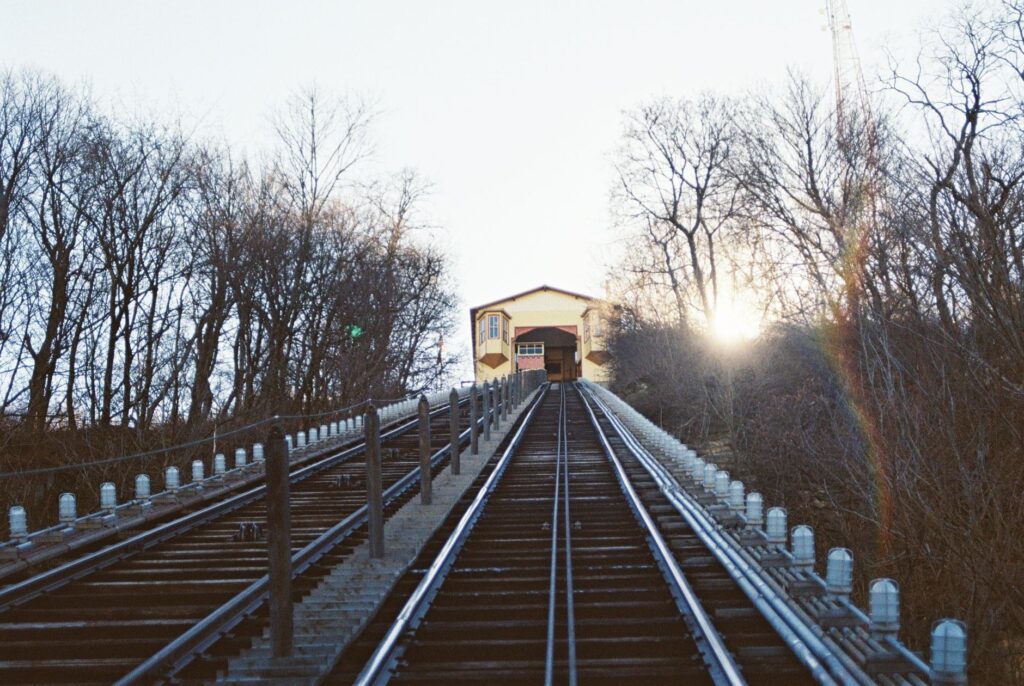
The technical principle underlying the rack railway is as ingenious as it is demanding. Unlike conventional railways, which depend exclusively on adhesion between smooth wheels and steel rails, this system incorporates a third toothed rail located in the center of the track. A pinion coupled to the driving axle of the train engages perfectly in this rack, allowing the convoy to overcome steep slopes that would be insurmountable for any other terrestrial transport medium.
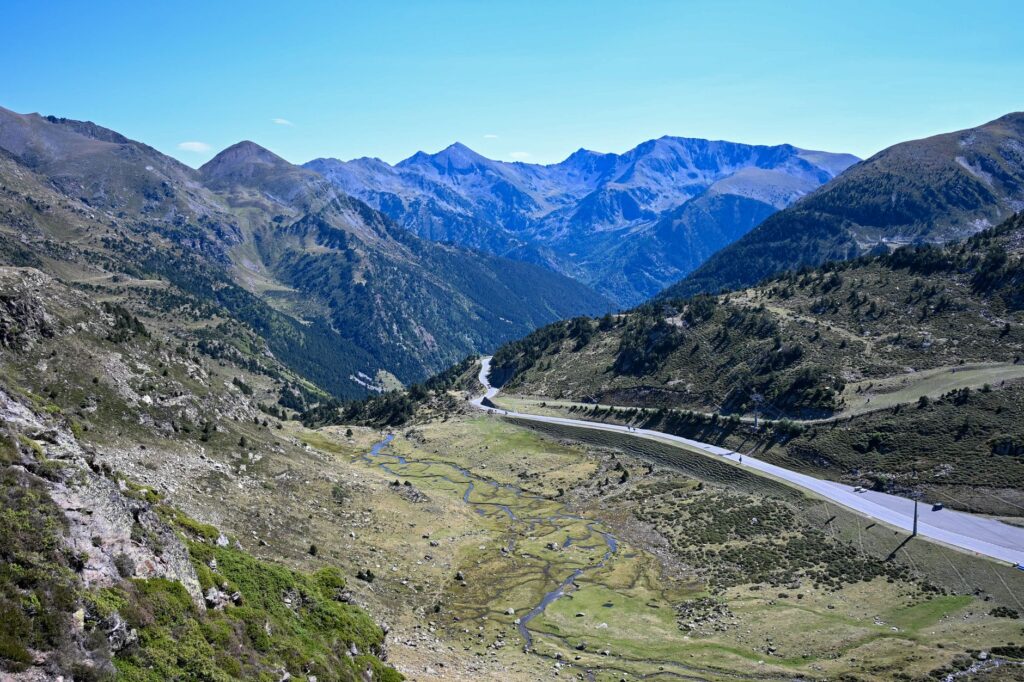
On high-mountain routes, where topography imposes extreme limitations, modern engineering has optimized these layouts using state-of-the-art hybrid and electric locomotives. These units not only consume less energy during ascent, but also recover electricity efficiently through regenerative braking on the descent. This energy harvesting drastically reduces operating costs and minimizes dependence on fossil fuels, establishing a new standard of efficiency in alpine transport infrastructure.
Mitigating Road Impact and Protecting Wildlife
One of the most significant ecological benefits of reactivating and expanding these rail lines is the dramatic reduction of road traffic on access routes to natural parks. By limiting or prohibiting private vehicles in certain critical sections, diffuse pollution and the risk of collisions with native fauna are notably reduced. Emblematic species of the region, such as the Pyrenean capercaillie or the chamois, find in the reduction of automotive noise a fundamental relief for their life and reproductive cycles.
Likewise, the strip of land occupied by the railway track is considerably narrower than that required by a two-way road with its corresponding shoulders and service areas. This limits the fragmentation of natural habitat and allows the installation of specific wildlife crossings, integrating transport infrastructure into the landscape in a much more harmonious and respectful way with traditional ecological corridors.
The Socioeconomic Fabric of Rural Valleys
True sustainability in mountain regions does not consist solely in prohibiting access, but in offering efficient transport alternatives that guarantee territorial cohesion and the well-being of those who inhabit the territory year-round.
The revitalization of these railway corridors transcends the strictly environmental sphere to become a key engine of local socioeconomic development. Historically, many small mountain municipalities have suffered processes of depopulation due to winter isolation and the lack of stable economic opportunities. The rack railway acts as a permanent and reliable link, connecting rural centers with service hubs and facilitating the steady arrival of visitors throughout the year, not just during peak tourist seasons.
This balanced flow of travelers stimulates the local economy, encouraging the opening of small shops, family-run accommodations, and restaurants committed to local produce. Unlike single-day car tourism, which leaves hardly any wealth in the territory and generates waste along ditches, the traveler who arrives by train typically stays overnight, consumes local services, and shows greater sensitivity toward the conservation of the region’s natural and cultural heritage.
Railway Architecture and Landscape Integration
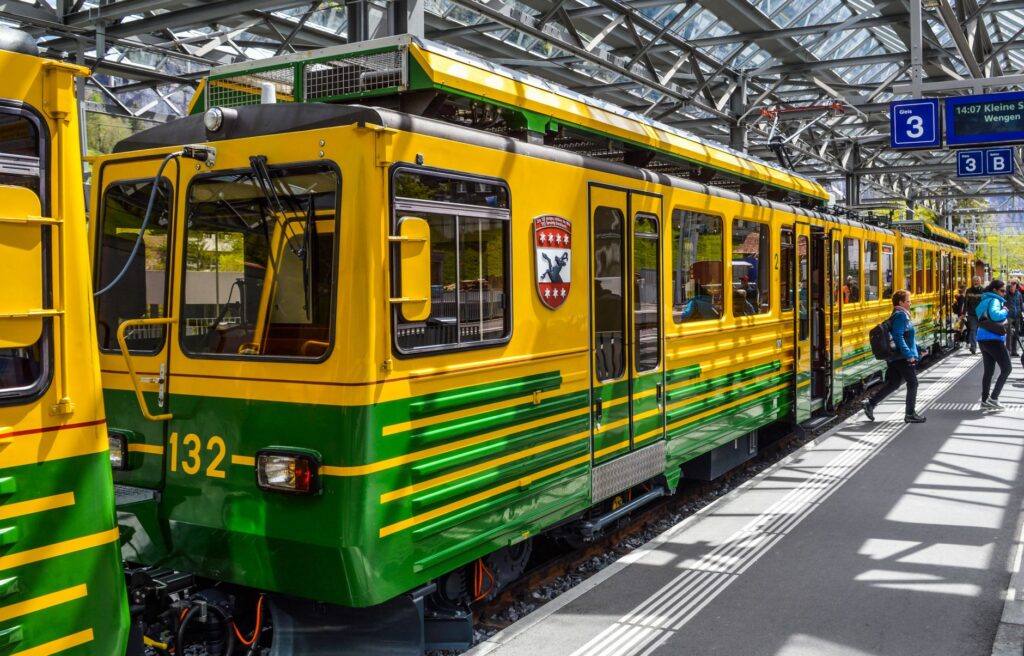
The insertion of transport infrastructure into protected natural environments demands absolute respect for the aesthetics and materiality of the landscape. Historic stations along these routes have undergone meticulous restorations that recover their traditional stone and wood architecture, adapting them at the same time to strict criteria of universal accessibility and energy efficiency through the use of solar panels and geothermal systems.
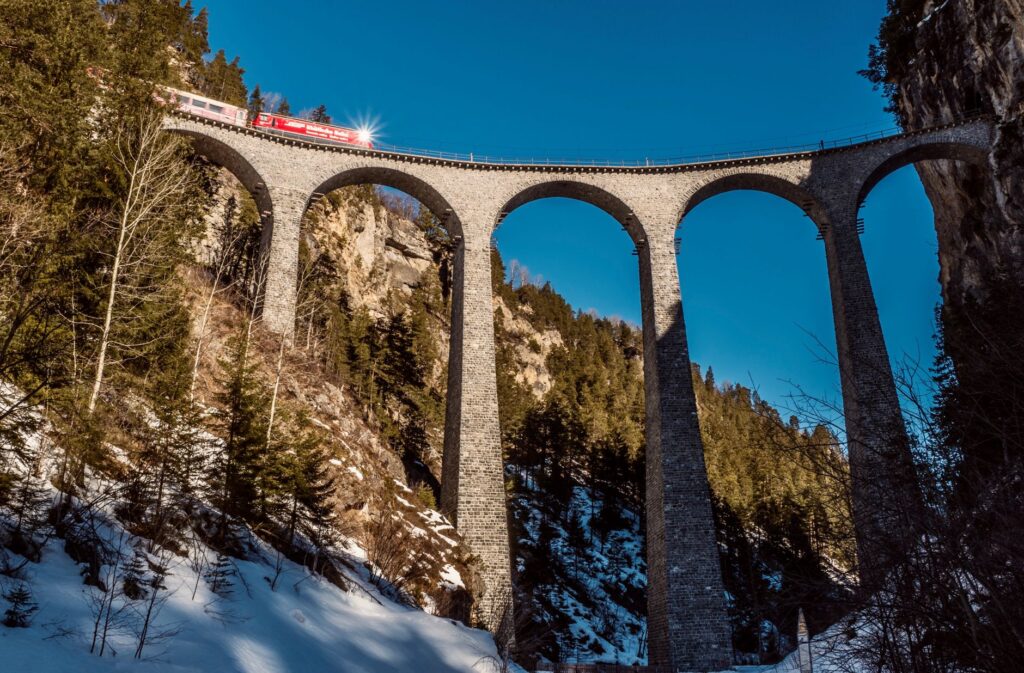
Meanwhile, bridges, tunnels, and retaining walls necessary for the track layout are designed using traditional masonry techniques that mimic local geology, avoiding the visual impact of large exposed concrete structures. This meticulous attention to detail ensures that the passage of the train does not disfigure the rugged beauty of the valleys, but rather becomes a visually coherent element with the history and geography of the place.
Energy Efficiency and the Transition Toward Zero Emissions
Railway operators’ commitment to sustainability goes beyond substituting cars for trains. Currently, most of these lines are immersed in processes of total decarbonization of their electricity supply, acquiring energy exclusively from local renewable sources, such as small-scale hydroelectric plants integrated into mountain rivers or small solar parks located in degraded areas or old dump sites.
In addition, active research is underway into the implementation of green hydrogen fuel cells for sections where catenary electrification is unviable due to visual impact or extreme terrain difficulty. These technological innovations ensure that rail transport in high-mountain areas maintains its status as the mobility alternative with the lowest emission intensity per passenger-kilometer transported.
Operational Challenges Facing Climate Change
Despite its multiple advantages, managing rack railways in high-mountain environments faces increasingly complex operational challenges derived from climate change. Rising global temperatures cause slope instability, landslides, and episodes of extreme precipitation that can compromise the safety of the railway infrastructure and force temporary service interruptions.
To cope with this vulnerability, line managers allocate a substantial part of their budgets to advanced geotechnical monitoring systems, dynamic rockfall containment barriers, and slope reforestation programs with deep-rooted native plant species. These preventive measures not only protect the railway line but also stabilize valley soils and prevent severe erosion following adverse weather events.
Practical Information for the Responsible Traveler
Planning a trip using the rack railway requires taking into account certain operational particularities to ensure a smooth and environmentally respectful experience. Seats are often limited to prevent convoy saturation and protect the carrying capacity of destination natural spaces, making advance ticket booking essential through official operator platforms.
It is recommended to check seasonal schedules, as they vary significantly between the summer period and the winter season, adapting to weather conditions and the influx of skiers or hikers. Likewise, most of these lines allow the transport of bicycles and mountain equipment, provided specific regulations of each operator are followed to avoid obstructing evacuation aisles. It is essential to remember that the train ticket often includes discounts on local museums and interpretation centers, thus fostering a more complete cultural immersion.
The Future of Inclusive Alpine Mobility
The experience accumulated in the modernization of rack railways demonstrates that traditional railway technology, adapted with contemporary ecological criteria, is the key to resolving the dilemma between tourist accessibility and environmental conservation in the planet’s most fragile natural spaces.
The horizon of sustainable mobility in mountainous regions inevitably involves consolidating and expanding these guided transport networks. Fare integration with local feeder buses and the creation of single tickets combining the train, regional public transport, and access to non-motorized ski lifts represent the next major step toward a truly seamless and decarbonized travel experience.
Ensuring that future generations can enjoy the majesty of alpine and pyrenean landscapes without contributing to their deterioration requires courageous decisions by administrations and a conscious change in traveler habits. Choosing the rack railway is not just selecting an efficient means of transport, but adopting a philosophy of deep respect for the rhythms and limits of nature.