Introduction to the Coffee Cultural Landscape and Connectivity
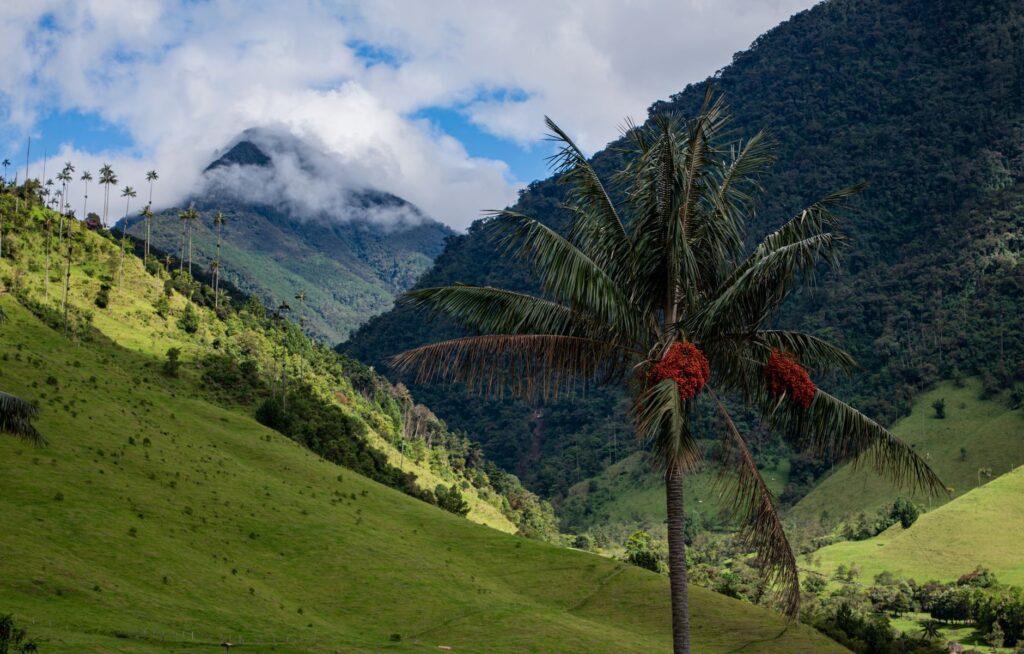
Colombia’s Coffee Cultural Landscape (PCCC), designated as a UNESCO World Heritage site, is much more than a region of lush natural beauty and agricultural tradition; it is also a complex territory whose integration into international tourism depends on a carefully orchestrated logistics network. Understanding how travelers move between Andean valleys, mountain peaks, and urban centers requires analyzing the transportation nodes that connect this region to the rest of the world.
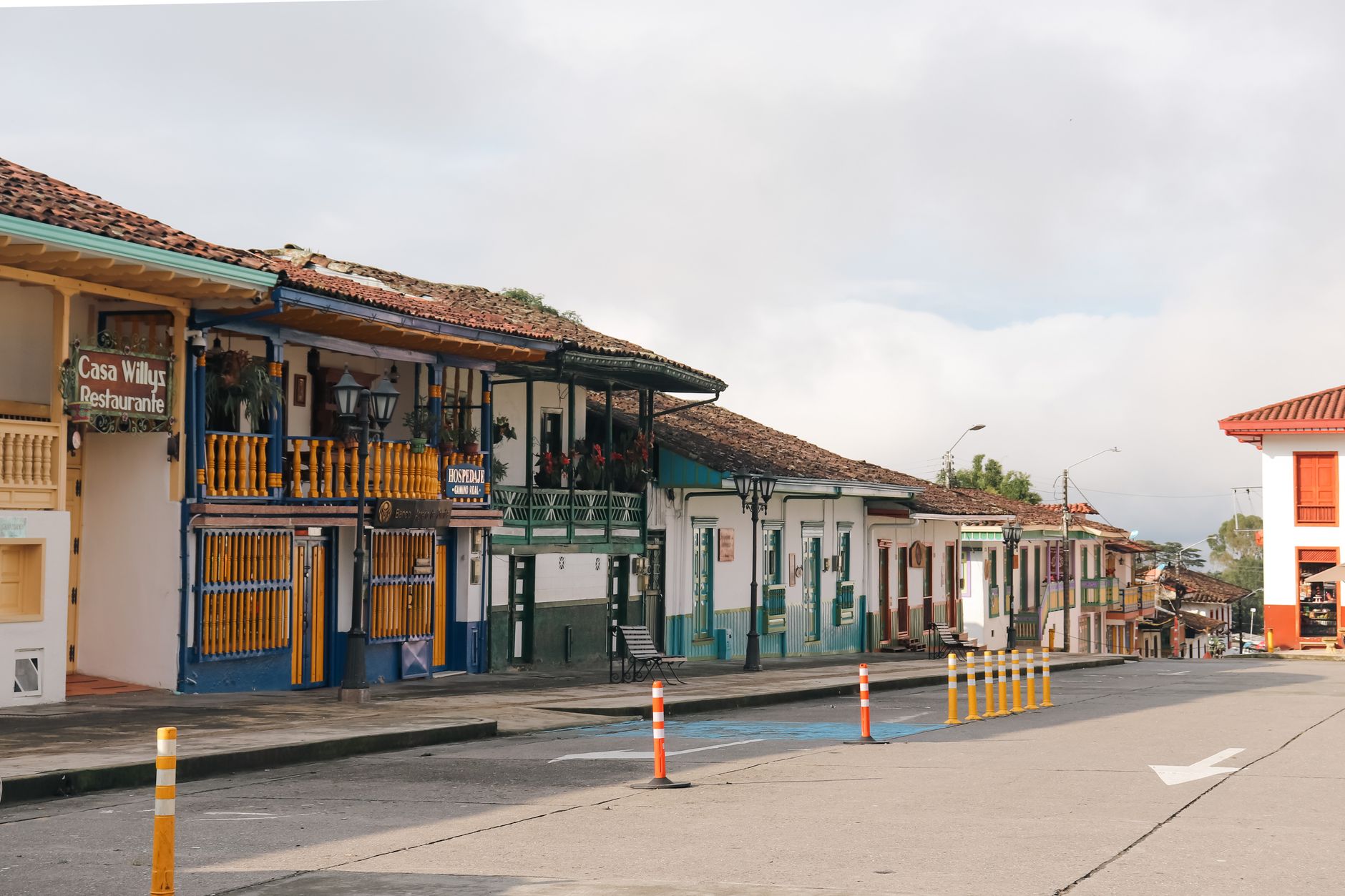
The rugged geography of the Andes mountains has historically presented a formidable challenge to road and rail engineering. However, in recent decades, the development of airport infrastructure, the modernization of intermunicipal highways, and the partial recovery of historical routes have transformed the experience of traveling through the departments of Caldas, Risaralda, Quindío, and Valle del Cauca.
This report examines with journalistic rigor the air access points, ground transportation options, route logistics planning, and essential practical data needed to structure an autonomous, safe, and deeply connected journey into the reality of the local communities inhabiting this mountainous terrain.
The Aerial Gateway: Key Airports in the Region
International air connectivity to the Coffee Triangle relies primarily on three terminals serving as fundamental logistics hubs: Matecaña International Airport (PEI) in Pereira, El Edén International Airport (AXM) in Armenia, and La Nubia Airport (MZL) in Manizales—the latter complemented by the strategic Aerocafé development project. Each of these airports offers distinct operational advantages depending on the traveler’s origin.
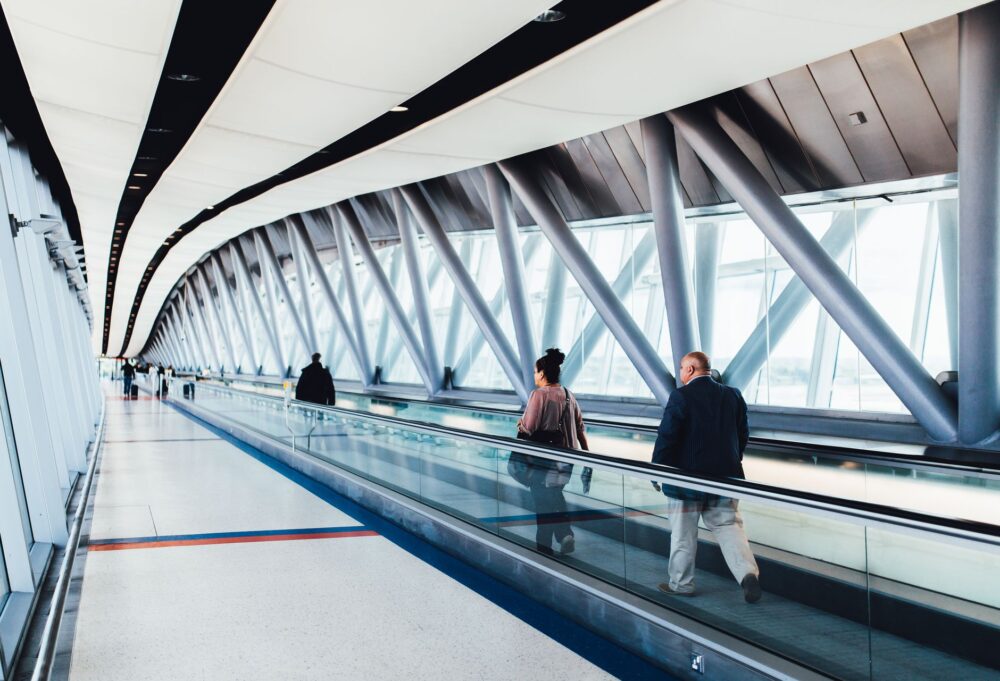
The Matecaña International Airport in Pereira operates as the region’s main hub, hosting direct connections with airlines flying from key cities such as Miami, Panama City, and New York, alongside multiple domestic frequencies from Bogotá and Medellín. Its recent modernization has optimized disembarkation times and immigration services, facilitating the arrival of foreign visitors.
Meanwhile, El Edén in Armenia handles a significant volume of charter flights and commercial low-cost routes, efficiently connecting with the geographical center of Quindío. Choosing the arrival airport largely determines the initial itinerary’s efficiency, reducing transfer times by road toward farms and heritage municipalities.
Historical Evolution of Railways and Freight Transport
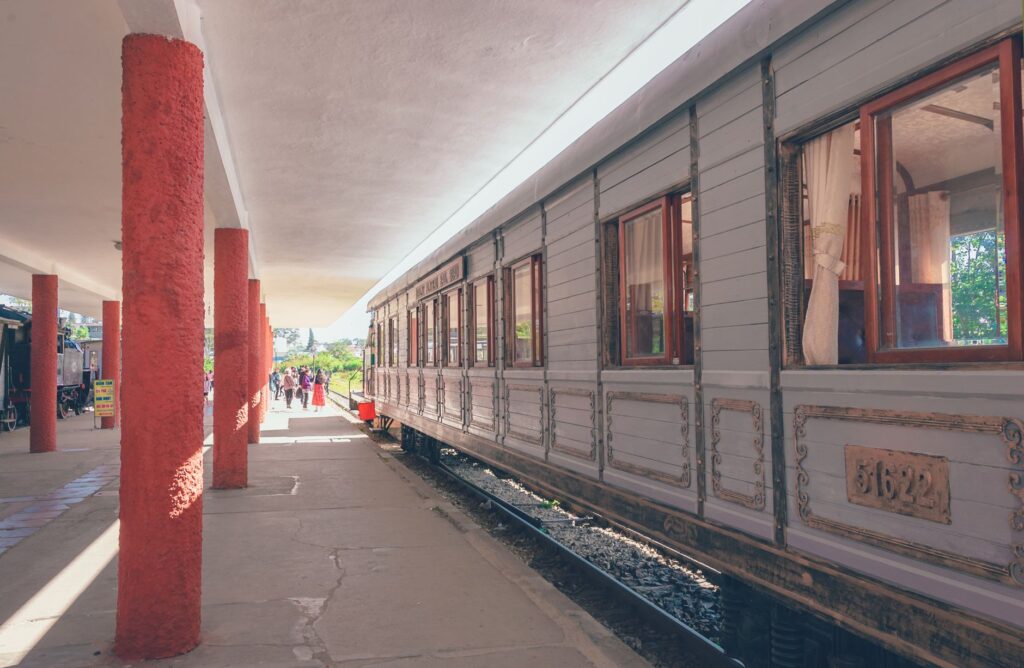
To understand the Coffee Triangle’s current infrastructure, it is imperative to review its railway past. In the late 19th and first half of the 20th centuries, the region’s economic development was inextricably linked to the Caldas Railway and the Pacific Railway. These rail lines were designed to transport coffee beans from mountain slopes down to the river ports of the Magdalena River and eventually toward the Pacific Ocean.
Narrow gauges and complex alpine topography made maintaining these lines an engineering feat of the era. Iconic stations such as those in Pereira or Manizales bore witness to the arrival of steam locomotives that energized international trade.
The railway did not merely transport sacks of coffee to export ports; it wove an invisible network of cultural exchange that defined the modern identity of the Colombian Andes.
Although the primary rail network fell into disuse by the mid-20th century due to a policy shift favoring highways and motor vehicles, tourist stretches and logistical rehabilitation projects today seek to reintegrate the rail system with the national supply chain and heritage tourism.
Road Infrastructure and the Prosperity Highway Network
In the absence of a large-scale passenger rail network in active operation, ground mobility forms the backbone of the Coffee Cultural Landscape. The so-called Prosperity Highways and fourth-generation (4G) highway projects have profoundly transformed travel times between the region’s departments.
The construction of large-scale tunnels—such as La Línea Tunnel, which crosses the Central Cordillera—has significantly reduced transit times between the country’s center and the port of Buenaventura, facilitating both freight transport and tourist flows originating from Bogotá and Valle del Cauca. Secondary and tertiary roads, while frequently challenged by rainy seasons and geological risks typical of the Andean zone, maintain paved surfaces along their main axes.
For travelers, this translates into a network of roads suitable for car rentals, medium and long-distance intermunicipal bus services, and specialized transport fleets connecting departmental capitals with tourist towns such as Salento, Filandia, Pijao, and Riosucio.
Traditional Transport: Willys Jeeps and Mountain Culture
Beyond paved highways and international airports, the true essence of local connectivity lies in traditional transport: Willys utility vehicles, locally known as yipaos. Introduced to the region after World War II, these utility vehicles became the definitive solution for navigating bridle paths impassable for standard automobiles.
Yipaos are not merely passenger and agricultural freight haulers—capable of carrying monumental towers of coffee sacks, banana bunches, or domestic goods—but also living symbols of coffee cultural heritage. Their daily operation follows traditional routes connecting town squares with remote rural settlements across the cordilleras.
Utilizing this mode of transport allows visitors to understand the community logic of rural mobility, where space is shared among people, harvests, and working tools under strict norms of peasant solidarity and mechanical skill.
Intermunicipal Connectivity and Bus Services
The network of intermunicipal buses and minibuses represents the most economical and widespread option for getting around the Coffee Cultural Landscape. The transportation terminals of Pereira, Armenia, and Manizales operate as comprehensive logistics hubs where public transport companies converge with frequent departures to practically any municipality in the region.
Services range from medium-capacity buses to minibuses adapted for the sharp mountain curves. Unlike major metropolises, travel times between major cities rarely exceed two hours, allowing visitors to structure fixed operational bases—such as staying in Pereira or Armenia—and execute day trips to surrounding valleys.
It is advisable to purchase tickets directly at official terminal ticket counters in advance during national holiday periods, such as Holy Week, mid-year school breaks, and end-of-year festivities.
Logistics Planning: Routes, Timing, and Seasonal Considerations
Designing an efficient itinerary through the Coffee Triangle requires keeping local climate and topographical specifics in mind. The region experiences two main rainy periods (March–May and September–November), during which secondary roads may experience temporary closures due to minor landslides.
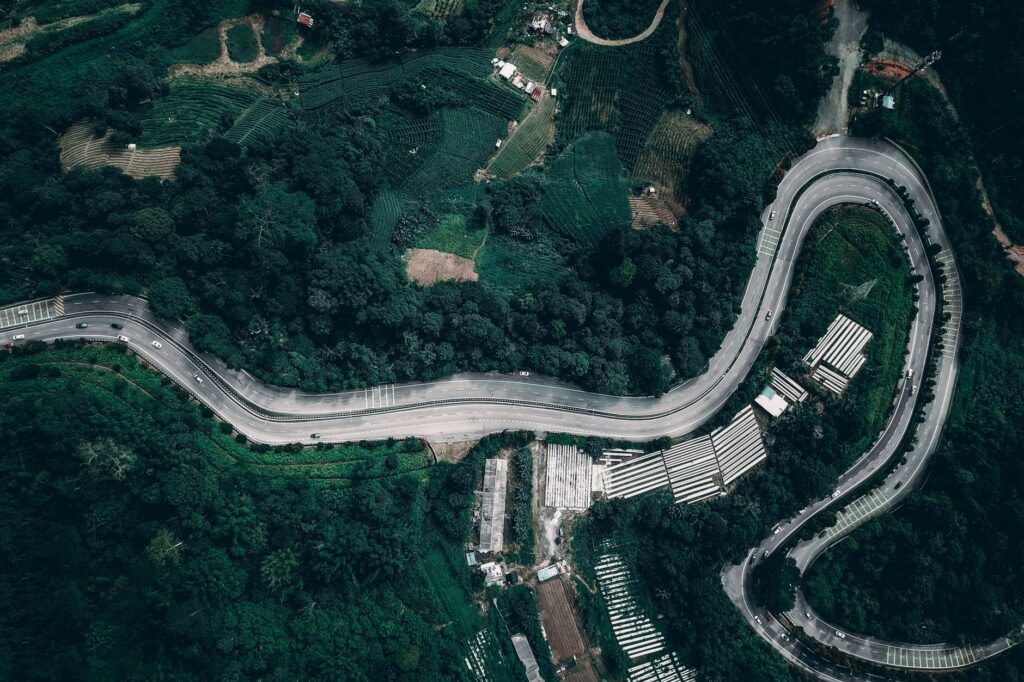
Geographical distances between main attractions are short in kilometers but considerable in time due to winding roads. For instance, a fifty-kilometer journey can require up to two hours of attentive driving. For this reason, travelers are advised to limit daily transfers and prioritize stays of at least three nights in each subregion to minimize travel fatigue.
The true wealth of this territory is discovered at a leisurely pace; attempting to cover multiple departments in a few days often dilutes the cultural experience and overloads logistical timelines.
Having mobile connectivity via local operators (such as Claro, Movistar, or Tigo) is essential for using real-time maps and verifying road alerts issued by the National Road Institute (Invías).
Practical Information for the Global Traveler
To ensure a smooth and trouble-free experience in the Coffee Cultural Landscape, keep the following operational and regulatory facts in mind:
- Entry requirements: International visitors must verify the validity of their passports and Colombia’s current immigration regulations, as well as complete the online Check-Mig pre-migration registration before boarding their flight.
- Currency and payments: The official currency is the Colombian peso (COP). While credit cards are accepted in hotels, urban restaurants, and large stores, cash in local currency is indispensable for small payments in rural areas, traditional yipao transport, and local markets.
- Road safety and driving: If renting a vehicle, drivers need a valid driving license (international or national depending on the country of origin), mandatory insurance (SOAT) managed by the rental agency, and extreme caution on mountain roads during foggy or rainy conditions.
- Health and sanitation: No mandatory vaccinations are required to enter the Coffee Triangle, although the yellow fever vaccine is recommended if extending travel toward the country’s lowland jungle regions. Securing international travel insurance covering ecotourism and hiking activities is strongly advised.
Conclusion and Visual Finale
Colombia’s Coffee Cultural Landscape proves that tourist connectivity extends far beyond mere travel speed. It is the harmonious sum of functional airports, highways winding through Andean peaks, historic rail lines, and the resilient spirit of traditional transport defying geography.
By traversing this territory with conscious logistics planning, travelers not only optimize transit times but integrate into a century-old dynamic where every road tells a story of hard work, coffee plants, and Andean hospitality.