
A Metropolis Reimagined One Step at a Time
The rhythm of major Latin American cities is traditionally measured by traffic congestion, the roar of engines, and the constant rush of commuters. Yet, in recent years, global urban planning indexes have begun looking toward the Colombian Andes for a different model. Bogotá, with its complex topography, changeable weather climate, and population of over eight million, has emerged prominently in international mobility analyses, cementing its status as one of the best cities in the world to explore on foot.
This recognition is neither accidental nor the result of an overnight transformation. It reflects decades of public space reconfiguration, where the pedestrianization of key arteries, the expansion of bicycle networks, and the integration of artistic expressions into the urban fabric have successfully returned the streets to the people. Walking through Bogotá today means witnessing an evolving sociological and architectural experiment where citizen well-being intersects with Colombia’s political and cultural history.
The Reclamation of Public Space and Tactical Urbanism
To understand the pedestrian phenomenon in Bogotá, it is imperative to look back at structural shifts in urban planning. For decades, metropolitan growth prioritized private vehicles, creating invisible barriers between neighborhoods and deep spatial segregation. The gradual implementation of pedestrian-oriented policies began to fracture that exclusionary dynamic. Emblematic spaces such as Carrera Séptima in the historical center transformed into laboratories for civic coexistence.
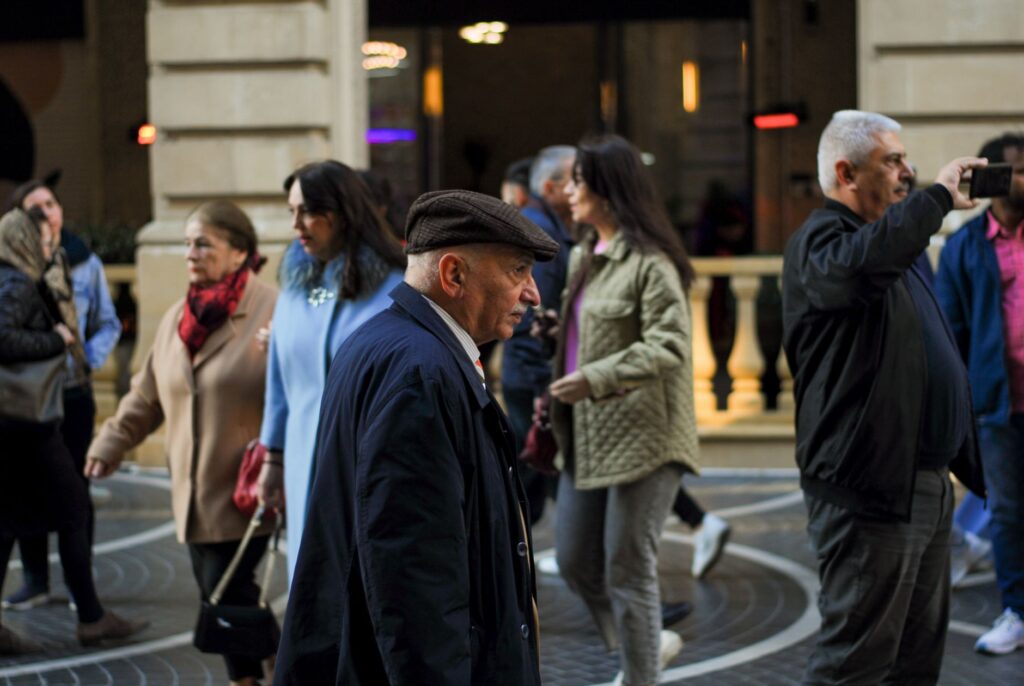
The concept of tactical urbanism found fertile ground in the capital. Interventions in complex intersections, sidewalk expansions, and the creation of low-emission zones demonstrated that urban design directly influences physical and mental health. Walking through the city became a democratic experience, where executives and everyday citizens share the exact same roadway, distinguished only by the pace of their own stride.
Walking through Bogotá is like deciphering a map where colonial history coexists with the scars and bright flashes of Latin American modernity.
The Historic Heart: La Candelaria as an Open-Air Museum
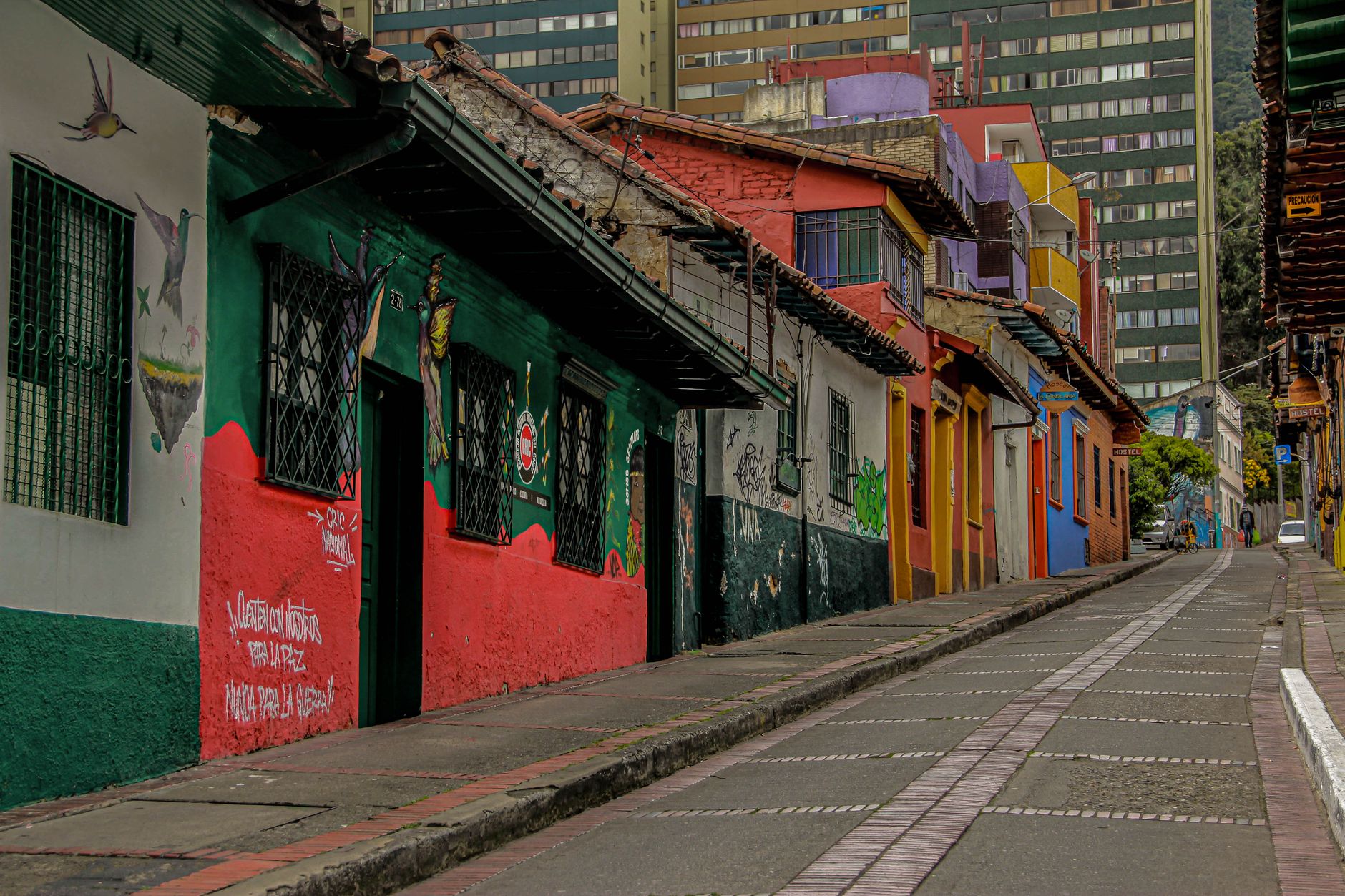
Any profound walking tour of Bogotá must begin in La Candelaria. This labyrinth of steep cobblestone streets, colonial mansions, clay-tiled eaves, and baroque churches serves as the kilometer-zero of national identity. Traversing it on foot is the only way to truly appreciate architectural details that vanish from a car window: hidden courtyards, commemorative plaques, and the echo of footsteps on ancient stone.
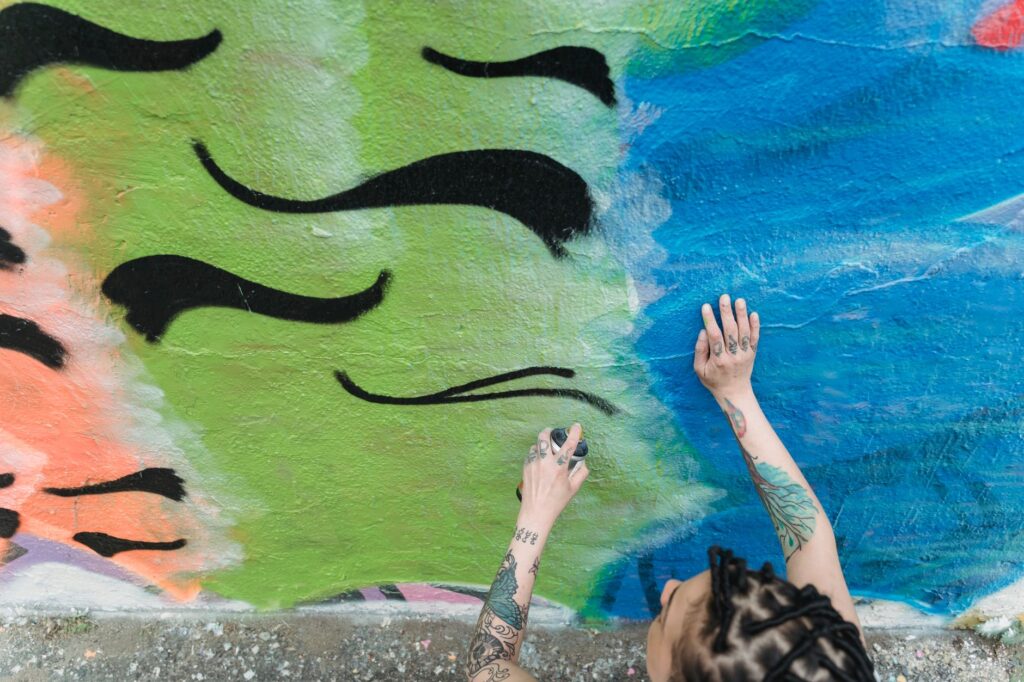
Yet the historic center is far more than a colonial relic; it is also a living canvas. The walls of La Candelaria serve as the canvas for one of the most vibrant urban art and graffiti scenes on the continent. Local and international artists have claimed these masonry surfaces as a legitimate space for expression, turning alleyways into open galleries that narrate the social tensions, biodiversity, and collective memory of the country.
From Periphery to Center: Art as a Tool for Social Cohesion
Bogotá’s international acclaim as a destination for innovation and art extends far beyond the traditional center. In peripheral neighborhoods and hillside settlements, artistic interventions have played a vital role in regenerating social cohesion. The strategic use of color, community murals, and the creation of pedestrian cultural corridors have transformed historically neglected sectors into vibrant gathering points and sources of local pride.
These initiatives prove that art is not a decorative luxury reserved for northern museums, but a tool for urban dignity. Walking through these areas allows visitors to experience firsthand how collective creativity reconfigures complex public spaces, fostering a sense of security and belonging that no police force alone could ever guarantee.
The Green Network and Eastern Hills as Lungs of the Walk
One of Bogotá’s greatest assets for the pedestrian is its visual and physical relationship with nature. The Eastern Hills act as a striking backdrop defining the urban silhouette to the east. Ecological trails such as Quebrada La Vieja or the traditional pilgrimage climb toward the sanctuaries of Monserrate and Guadalupe allow for an immediate transition between metropolitan bustle and high-Andean forest tranquility.
This proximity between the concrete jungle and natural ecosystems fosters the holistic well-being of residents. Protection and opening policies for these trails encourage responsible, low-impact tourism where physical exercise merges with environmental education. Walking along these green corridors offers a unique perspective on the hydrological and ecological fragility of the Bogotá savanna.
Sustainable Mobility: The Symbiosis Between Pedestrian and Mass Transit
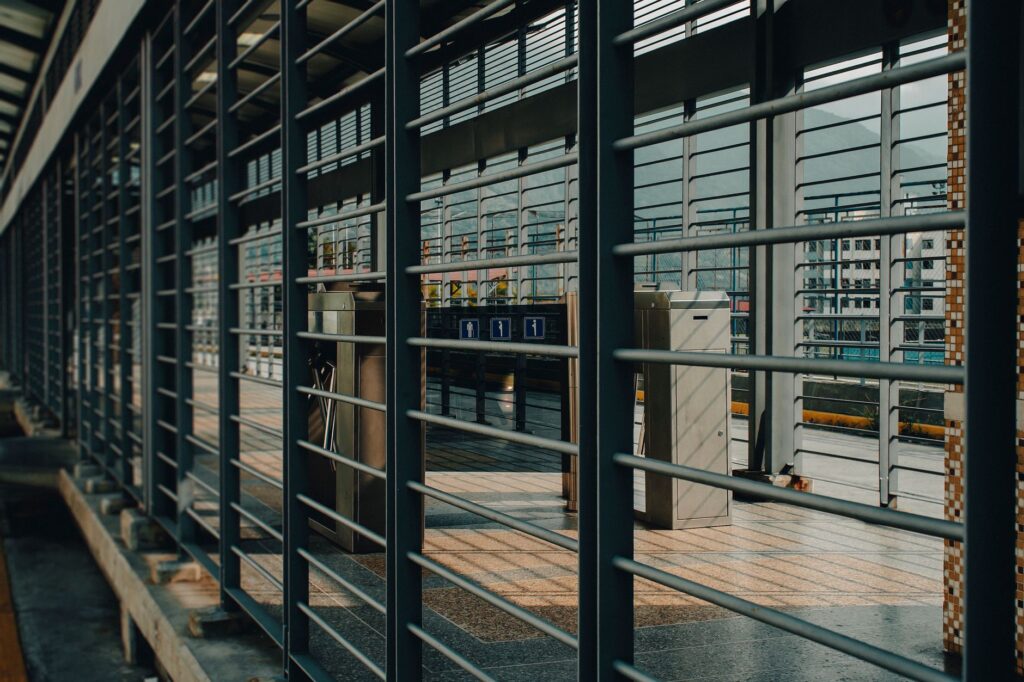
No analysis of walkability in Bogotá would be complete without examining its integrated transport system. The capital’s urban design recognizes that a successful pedestrian is one who can also utilize public transit efficiently. TransMilenio stations and zonal routes are connected by pedestrian boulevards, elevated crosswalks, and transfer hubs designed to prioritize walking.
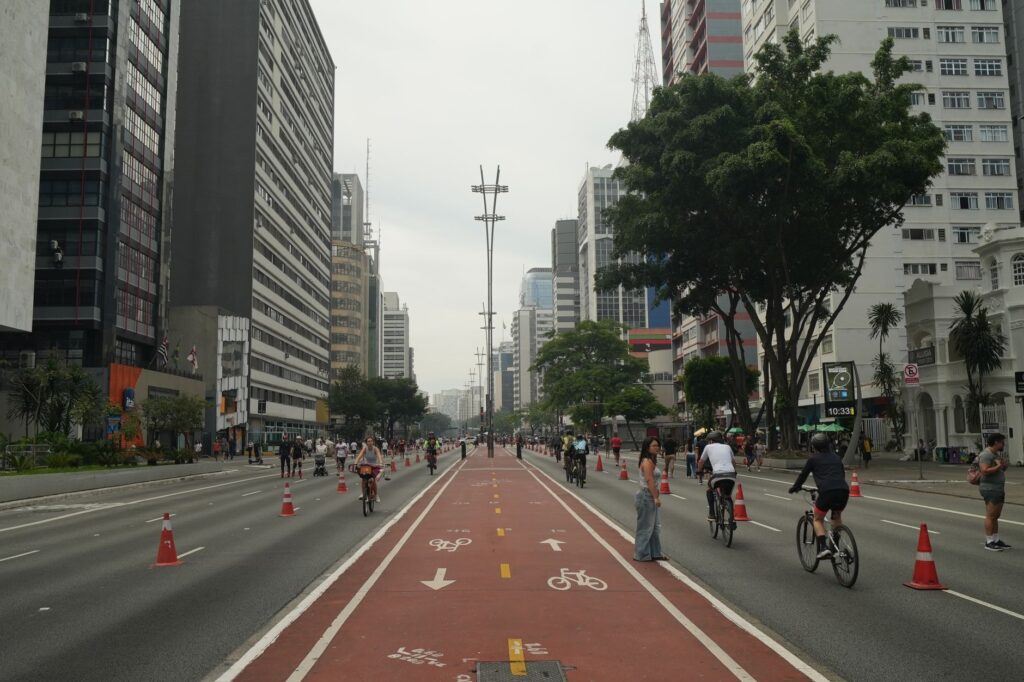
Furthermore, the phenomenon of the Sunday Ciclovía—a pioneering global program where more than 120 kilometers of streets are closed to motor vehicles for the exclusive use of pedestrians, cyclists, and skaters—redefines the concept of the street every weekend. For a few hours, the metropolis transforms into a massive linear park where families, athletes, and foreign visitors converge in a massive exercise of public health and civic ownership.
Gastronomy, Markets, and Local Knowledge Within Walking Distance
The physical effort of exploring the city on foot is richly rewarded by the vibrant array of traditional markets and signature culinary concepts flourishing across pedestrian corridors. Locations like the Paloquemao Market or specialty food hubs in Usaquén and Chapinero are essential stops for understanding Colombia’s food diversity.
Walking allows visitors to pause and appreciate sensory details: the aroma of freshly ground single-origin coffee, the endless variety of tropical fruits displayed on street stalls, and the warmth of human interaction. Local chefs and restaurateurs have integrated seamlessly into this walkable city dynamic, offering open-air spaces, street-level terraces, and menus that elevate ancestral ingredients from the Cundiboyacense high plateau.
Pending Challenges and Practical Recommendations for the Walker
Despite significant strides in pedestrianization, innovation, and urban art, Bogotá faces substantial challenges. Socioeconomic inequalities are still reflected in infrastructure disparities between the northern and southern sectors of the city. Additionally, unpredictable weather—marked by sudden downpours and intense solar radiation due to high altitude—requires preparation from anyone exploring the capital on foot.
To fully enjoy the Bogotá experience, travelers are advised to wear comfortable footwear suited for uneven or cobblestone surfaces, maintain steady hydration due to the 2,600-meter altitude above sea level, and plan daytime walks in historical and cultural neighborhoods. It is equally essential to check official schedules for ecological trails and respect local guidelines for coexistence in public spaces.
Toward a Future of Sustainable Urban Well-Being
Bogotá’s recognition among the world’s best walking cities confirms that emerging metropolises can forge alternative paths toward modernity without replicating the automotive mistakes of the past. The combination of pedestrian-oriented public policies, a boom in urban art, and the revalorization of natural spaces creates a comprehensive model of well-being.
Ultimately, walking through Bogotá is much more than a tourist activity or an economical transit method; it is an act of deep cultural immersion. Every step across its streets reveals the resilience, creativity, and warmth of a society that has chosen to build its future at ground level, proving that true urban innovation must always wear a human face.
Source in English: Semana