
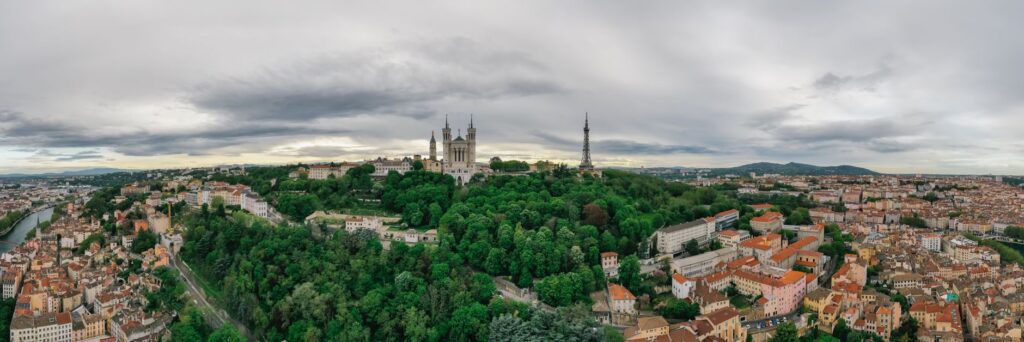
On misty mornings rising from the confluence of the Rhône and Saône rivers, the city of Lyon awakens to an immutable gastronomic rhythm. Far removed from the formal courtliness of Paris or the sun-drenched lightness of Provence, the capital of the Rhône department has anchored its culinary prestige upon a geography of fertile river valleys, alpine pastures, and historic pig-farming hinterlands. Here, sitting down to dine is not a mere pause in the day, but a civic sacrament centered on an architectural and culinary institution unique to this territory: the bouchon. Born from the social fabric of the nineteenth-century silk weavers, these traditional dining rooms preserve a culinary liturgy where raw product integrity, slow-cooked mastery, and unpretentious hospitality define regional identity.
The Legacy of the Mères: The Matriarchal Foundations of Lyonnais Cuisine
To grasp the true essence of Lyonnais gastronomy, one must dismantle the persistent assumption that French classical cooking was exclusively engineered by male palace chefs. The bedrock of Lyon’s culinary identity was systematically built by the Mères Lyonnaises, former domestic cooks from bourgeois households who set up independent dining rooms following industrial upheavals and the French Revolution. Figures such as Mère Guy, Mère Brigousse, and the legendary Eugénie Brazier—the first woman to earn three Michelin stars at two separate properties simultaneously in 1933—took humble offal, river fish, and seasonal vegetables, transforming them through long reductions and precise temperature control into a refined culinary canon.
Eugénie Brazier did not simply establish gastronomic supremacy from her dining room on Rue Royale and her mountain outpost at Col de la Luère; she trained a young apprentice named Paul Bocuse. Bocuse, who would later broadcast Lyon’s gastronomy to the world stage, unfailingly traced his palate back to the rigorous discipline and rich stocks coaxed over twelve-hour simmerings by Brazier. The cooking of the Mères was devoid of superficial ornament; its genius lay in the pristine balance of clarified butter, crisp pastry crusts, and the uncompromising utilization of whole animals.
Lyonnais cooking was not born in aristocratic salons, but in the resilient kitchens of women who forged a timeless culinary grammar from humble provisions.
Anatomy of the Authentic Bouchon: Slate Menus and Heritage Labels
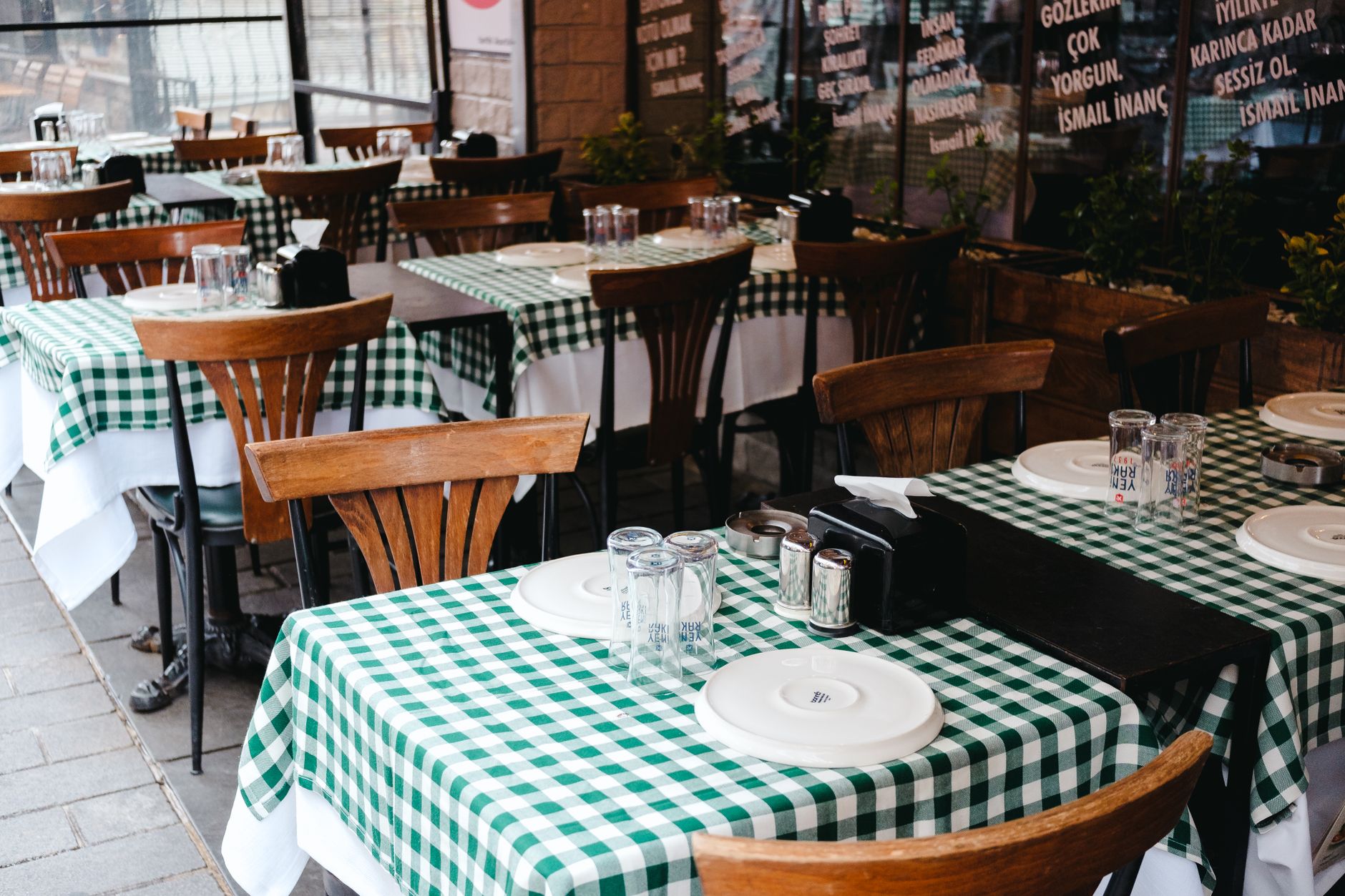
The etymology of the word bouchon traces back to the old regional practice of fastening a bundle of straw or twisted branches (a bousche in dialect) above the doorway of taverns to notify stagecoach drivers and laborers that warm fare and wine were ready for service. Over generations, this space crystallized into a narrow dining room lined with dark wood wainscoting, tightly packed tables draped in red-and-white checked tablecloths (the classic vichy pattern), and a zinc-topped counter where greetings are exchanged over carafes of wine.
To combat the proliferation of commercialized tourist traps, the Lyon Chamber of Commerce and Industry, in partnership with local culinary associations, established the certified label Les Bouchons Lyonnais. This accreditation ensures that a restaurant prepares canonical recipes on-site from raw ingredients, sources wines primarily from the neighboring Beaujolais and northern Rhône valleys, and sustains the intimate, democratic atmosphere where patrons dine elbow-to-elbow in historic quarters.
In a legitimate bouchon, laminated multi-page menus do not exist. Daily offerings are inscribed upon a handheld chalkboard slate passed from table to table, dictated strictly by morning market arrivals and the lengthy prep times required for braised offal, terrines, and artisanal sausages.
From Croix-Rousse to Presqu’île: A Cartography of Historic Dining Rooms
The dining geography of Lyon reflects its historical class divisions. Atop the hill of Croix-Rousse, the historic quarter of the silk weavers known as canuts, dining rooms feature high ceilings built to accommodate massive Jacquard looms. Here, workers once convened for the mâchon, a hearty mid-morning feast composed of warm pork charcuterie, tripe, and local wine, essential fuel for enduring grueling shifts at the loom.
Descending to the Presqu’île—the strip of land cradled between the two rivers—and crossing the pedestrian footbridges into the Renaissance corridors of Vieux Lyon, the bouchons assume an even more intimate, dimly lit character. Venerable establishments such as Le Garet, frequented by Resistance hero Jean Moulin during World War II, and Le Musée, adjacent to the Printing Museum, continue to operate under family stewardship. In these dining rooms, service operates without rigid hierarchy: dishes are presented in enameled cast-iron pans or deep earthenware platters served family-style, dissolving social boundaries across communal seating.
Les Halles Paul Bocuse: The Epicenter of Regional Terroir
No study of Lyon’s culinary ecosystem is complete without exploring Les Halles Paul Bocuse, the grand covered market located in the modern Part-Dieu district. Far from a tourist showpiece, Les Halles represents the active nerve center where Michelin-starred brigades and generational bouchon proprietors source their raw materials side by side.
The market aisles host venerable purveyors whose expertise constitutes living French patrimony:
- Maison Sibilia: The benchmark of artisanal charcuterie, displaying meticulously aged rosette de Lyon, pistachio-studded cooked sausages, and the prized jésus de Lyon dry sausage cured in natural casings.
- Fromagerie Mons: Acclaimed affineurs showcasing small-batch cheeses from the Alps and the Massif Central, notably velvety Saint-Marcellin in terracotta crocks, creamy Saint-Félicien, and goat-milk Rigotte de Condrieu.
- Maison Cellerier: Specialists in Bresse poultry holding Protected Designation of Origin status, alongside award-winning, architecturally complex pâtés en croûte.
- Maison Rousseau: An oyster and seafood bar where locals gather at high-top zinc counters for chilled Brittany oysters, sea urchins, and crisp carafes of Mâcon-Villages before noon.
Essential Repertoire: From Saucisson Brioché to Quenelle de Brochet
Classical Lyonnais gastronomy is characterized by a muscular flavor profile that celebrates gelatin, textural density, and deep savory emulsions. The mastery of offal and charcuterie is not treated here as an avant-garde curiosity, but as the highest expression of resourcefulness elevated to haute cuisine.
The Quenelle de Brochet
Arguably the city’s crown culinary achievement. The dish consists of an airy, elongated dumpling crafted from a choux paste base (flour, farm-fresh butter, and eggs) combined with finely ground wild pike from the nearby Dombes marshlands. Hand-shaped with silver spoons, the quenelle is baked submerged in a rich sauce Nantua, an emulsion of crayfish butter, shell reduction, shallots, and heavy cream. The quenelle expands during baking into a soufflé-like cloud with a delicate, savory finish.
Tablier de Sapeur
A preparation of beef honeycomb tripe that is simmered gently, marinated overnight in white Mâconnais wine, Dijon mustard, lemon juice, and aromatics, then breaded in fine crumbs and pan-fried to a crisp golden finish. The dish takes its name from Marshal de Castellane, a military governor of Lyon and former sapper (sapeur), who likened the leather aprons of military engineers to this specific cut of tripe.
Saucisson Brioché
A fresh, coarsely ground pork sausage studded with pistachios, enveloped in an all-butter brioche dough and baked until deep golden brown. Sliced into thick, steaming rounds, it balances rich pork fat against the sweet tenderness of bakery dough, traditionally accompanied by a sharp cornichon-mustard vinaigrette.
Cervelle de Canut
Literally translating to ‘silk weaver’s brain,’ this preparation is a refreshing spread made from drained, fresh fromage blanc seasoned with crème fraîche, white wine vinegar, finely minced shallots, chives, parsley, crushed garlic, olive or walnut oil, salt, and black pepper. Served in ceramic terrines alongside steamed new potatoes and toasted country bread, it provided clean acidity to balance heavier meats.
The Ritual of Beaujolais and the Rhône: The Culture of the Pot Lyonnais
A genuine Lyonnais table cannot be understood without the presence of the pot lyonnais, a heavy, thick-bottomed glass bottle containing exactly 46 centiliters. The vessel originated in nineteenth-century labor disputes when factory owners were legally required to provide workers with a standard half-liter wine allowance. Tabern keepers developed a bottle with a solid glass base, subtly reducing the volume to 46 centiliters while visually preserving the silhouette of a full-sized flask.
Today, the pot remains the quintessential vessel for serving youthful Gamay from the granite terroirs of Beaujolais (crus such as Morgon, Fleurie, and Moulin-à-Vent) or vibrant Syrah from the northern Rhône Valley (such as Saint-Joseph and Crozes-Hermitage). The vivid acidity, mineral backbone, and bright fruit of these wines cut cleanly through the richness of charcuterie, cream reductions, and braised dishes.
The ‘pot lyonnais’ is far more than a vintage liquid measure; it is the physical equalizer that gathers diverse patrons under a singular standard of unadorned conviviality.
Preservation and Renaissance: A New Generation Honors Historic Stoves
The Lyonnais culinary landscape is far from a museum piece. Over the past decade, a vanguard of young chefs and sommeliers—many with resumes from international Michelin-starred dining rooms—has returned to the Presqu’île and Guillotière districts to revitalize the bistro landscape through the néo-bouchon movement.
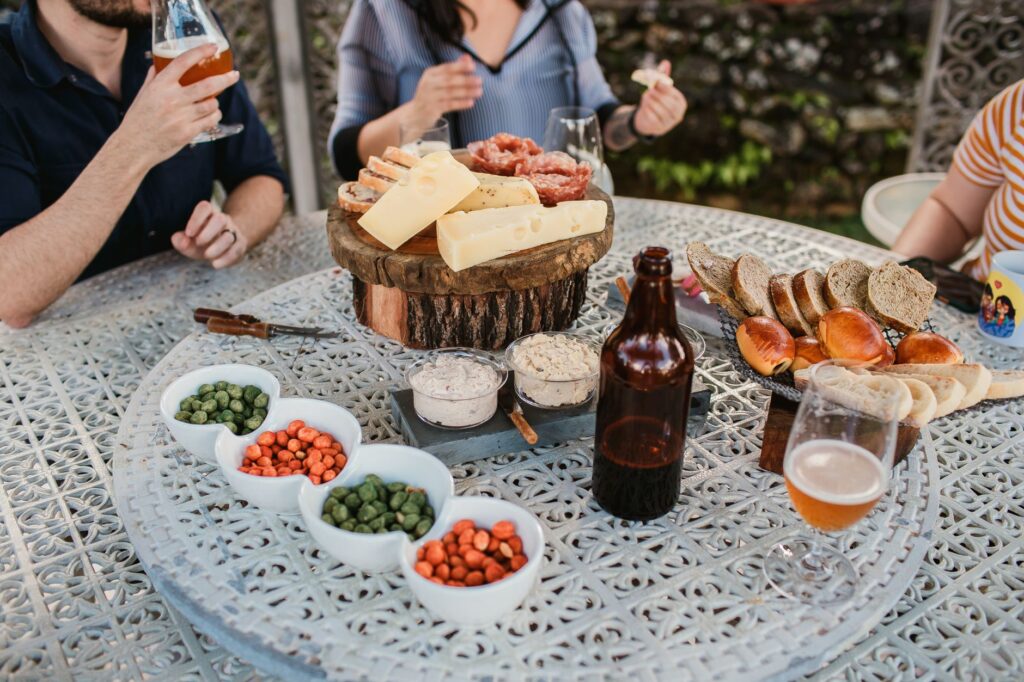
These contemporary kitchens introduce seasonal, biodynamic root crops from the nearby Forez plain, lighten heavy butter emulsions with clear stocks, and source sustainable lake fish like arctic char and omble chevalier from Lakes Geneva and Annecy. Simultaneously, the historic craft of pâté en croûte—the complex architectural discipline of layering game meats, foie gras, sweetbreads, and clarified herbal jelly within buttery pastry walls—has experienced an international resurgence, celebrated annually at the world championship held in the region.
This ongoing dialogue between technical discipline and profound respect for the terroir demonstrates that Lyon’s gastronomic supremacy rests not on nostalgia, but on an unbroken living transmission of artisanal skill.
The Practical Diner’s Field Guide: Reservations, Etiquette, and Pacing
To navigate the dining culture of Lyon with the confidence of an insider, several verified operational rules should guide any itinerary:
- Service Hours and Pacing: Traditional bouchons enforce tight, prompt service windows: lunch is served strictly from 12:00 to 14:00, and dinner from 19:30 to 21:30. Given the intimate capacity of dining rooms, late arrivals risk forfeiting tables.
- Reservation Strategy: For revered institutions holding official heritage certification—such as Le Garet, Daniel & Denise (helmed by Meilleur Ouvrier de France Joseph Viola), Café des Fédérations, or Chez Georges—reservations must be secured two to four weeks in advance for evening services.
- Experiencing the Mâchon: Those wishing to partake in the historic early-morning silk weaver’s breakfast must plan ahead. Establishments such as Le Poêlon d’Or or select culinary brotherhoods organize mâchons starting between 8:30 and 9:00 AM exclusively upon prior group booking.
- Urban Transit: Lyon’s efficient TCL transit network (metro lines A and D, along with the Fourvière and Saint-Just funiculars) links the Presqu’île, Vieux Lyon, and Croix-Rousse seamlessly, allowing visitors to walk between markets, riverbanks, and historic dining rooms without private vehicles.
To truly experience dining in Lyon is to step away from metropolitan haste, surrendering entirely to a table culture where collective memory, regional pride, and honest hospitality remain non-negotiable.