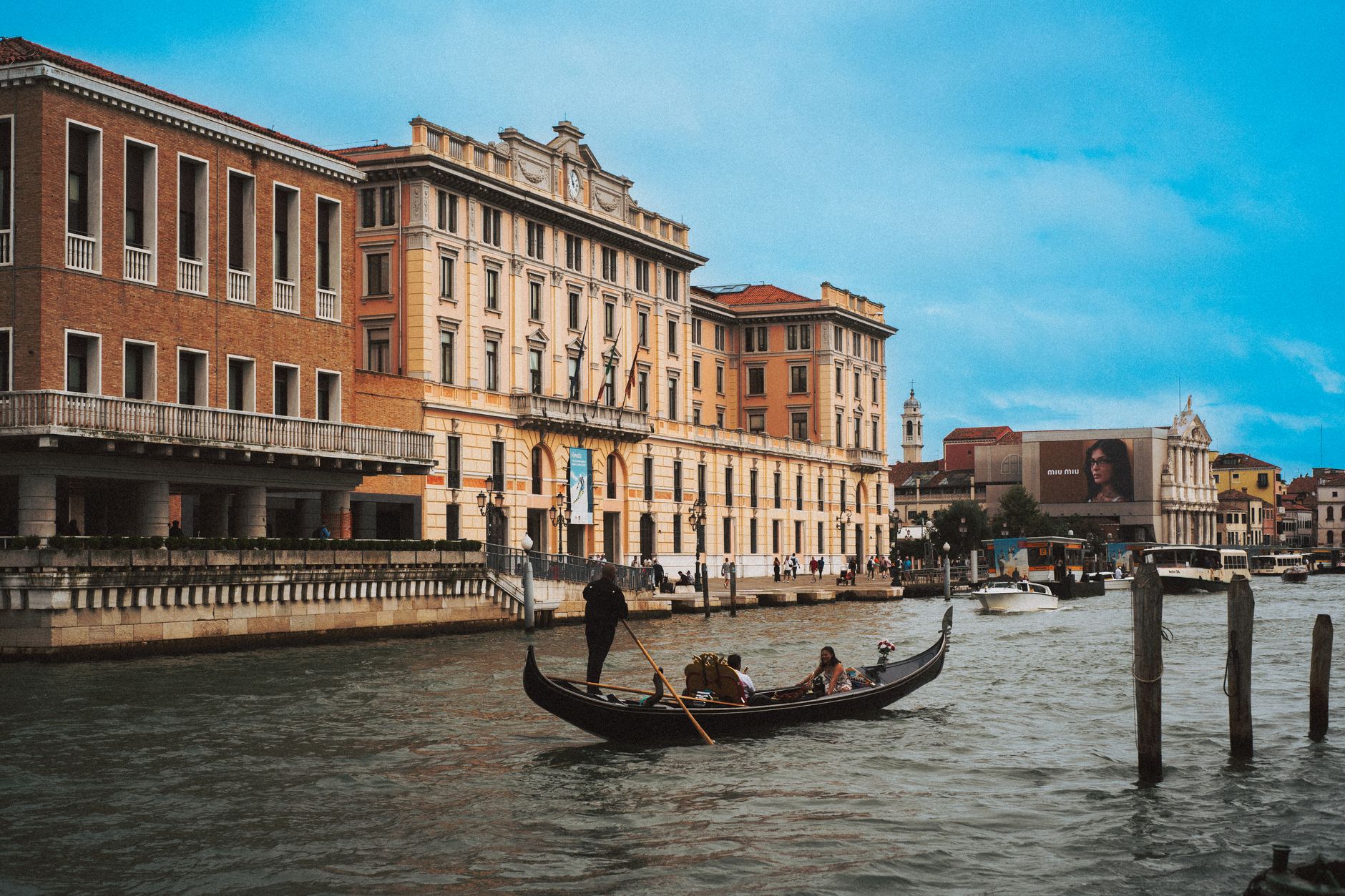

Venice is not a city built on land, but an architecture suspended over an inverted forest of millions of larch and oak piles. In this ecosystem where water is the only possible asphalt, the gondola emerges not as a tourist gimmick, but as the perfect synthesis between naval engineering and urban survival. However, behind its black and elegant silhouette lies a craft that fades and is reborn with every stroke of the axe: that of the squerarolo, the artisan who builds these vessels following geometric rules that are not studied in universities, but inherited amidst the sawdust of the shipyards known as squeri.
To enter a squero is to step back into the 17th century. The smell of pitch, freshly cut wood, and the saltiness of the canals envelops a process that lasts months. Here, high-end technology is a trained eye and a hand that knows how to interpret the grain of the wood. In a world of fiberglass and industrial molds, the gondola remains a living organism, composed of 280 wooden pieces and designed to be handled by a single person who must compensate, with their own weight and technique, for the deliberate asymmetry of a hull that seems to always want to turn to the right.
The Squero di San Trovaso: The Sanctuary of Wood
Located in the Dorsoduro sestiere, the Squero di San Trovaso is perhaps the most emblematic of the few still in operation. Its structure, reminiscent of mountain houses from the Cadore region, is not an aesthetic whim; the original craftsmen came from the Alpine regions where the timber was floated down the Piave River. Here, time is measured by the seasons required for the oak to cure and the larch to lose its excess moisture. Building a gondola is not about assembling; it is about sculpting movement into a liquid medium.
The master craftsman begins by selecting the logs that will form the ribs of the vessel. They do not look for a straight line, but for the natural curve of the tree that best fits the shape of the hull. This symbiosis between nature and technique is what allows a gondola to have a lifespan of over thirty years in the harsh conditions of the lagoon. Each boat is a portrait of the gondolier who commissions it, tailored to their weight, height, and the specific types of canals they usually navigate.
- Larch: Used for the bottom due to its exceptional water resistance.
- Oak: For the sides, providing unparalleled structural hardness.
- Fir: Lightweight and flexible, ideal for the upper sections.
- Cherry and Walnut: Noble woods for interior finishes and decorative elements.
«The gondola is not a boat; it is a wooden organism that breathes with the Venetian tide and bends so as not to break before the passing of time.»
The Anatomy of Imbalance: The Secret of Asymmetry
At first glance, the gondola appears symmetrical, but it is a marvel of compensatory engineering. The left side is 24 centimeters wider than the right. This asymmetry allows the gondolier, standing on the stern to the left, to row consistently on the same side without the boat spinning in circles. It is a technical solution that took centuries to perfect and represents the triumph of empirical experience over conventional nautical theory.
This lateral curvature, known as the jump, is what allows the vessel to navigate straight under the impulse of a single oar. The master squeraroli use wooden templates passed down through generations, but the final adjustment is always done by eye. It is a precarious balance felt through the soles of one’s feet. When a gondolier debuts a new boat, it is said they must «learn to walk on it» all over again, as every piece of wood has a slightly different center of gravity.
The process of bending the side planks is a spectacle of endurance. Marsh reed fires are used to heat the wood while it is constantly moistened. The heat allows the oak fibers to become malleable, enabling the artisan to force the wood into the necessary curve without snapping. It is a tense dialogue between fire, water, and human physical strength.
The Forcola: The Oarlock as Functional Art
If the hull is the body, the forcola is the technical soul of the gondola. This oarlock is a piece of walnut wood carved with a geometric complexity that resembles an abstract sculpture. No two are alike. Every curve, notch, and angle of the forcola has a specific function: allowing the gondolier to change the oar’s position to brake, turn sharply, reverse, or increase speed.
Masters like Paolo Brandolisio, who learned the trade from the legendary Giuseppe Carli, keep this art alive in small workshops hidden in the back alleys. Carving a forcola requires a deep knowledge of the gondolier’s ergonomics. The artisan observes how their client rows, measures the length of their arm, and the strength of their push before the first chisel stroke. It is an object of such extreme functional beauty that it has ended up exhibited in modern art museums like the MoMA.
Walnut is the wood of choice for its density and its ability to absorb oils, allowing the oar to glide smoothly without creaking. A well-maintained forcola can last decades, becoming a natural extension of the navigator’s arm. It is the connecting link between man and water, the point where all the energy moving the 600 kilograms of the gondola is applied.
The Fero da Prora: Heraldry and Symbolism in Iron
At the bow of every gondola stands an imposing metal piece, the fero da prora. Beyond its technical function as a counterweight to balance the gondolier’s weight at the stern, this element is a symbolic map of the city. Its comb-like shape with six front teeth represents the six sestieri or districts of Venice: San Marco, San Polo, Santa Croce, Castello, Dorsoduro, and Cannaregio.
The tooth protruding backwards represents the island of Giudecca, while the upper curve symbolizes the Doge’s hat (the Corno Ducale). The small arch above the first tooth represents the Rialto Bridge, and the ‘S’ shape running through the piece evokes the course of the Grand Canal. It is a declaration of identity forged in iron or stainless steel that crowns the elegance of the black hull.
«Every centimeter of asymmetry in the hull is a five-century-old response to the weight of the gondolier and the resistance of water in the narrowest canals.»
The black color of the gondolas, often attributed to mourning for the plague, has a much more pragmatic origin. Traditionally, the vessels were coated with pitch or tar to waterproof them, giving them that dark hue. Although in the 16th century noble families competed to have the most decorated and colorful gondolas, a decree from the Venetian Senate imposed black to limit excessive ostentation, unifying the fleet’s aesthetic forever.
The Challenge of ‘Moto Ondoso’ and Modernity
Today, the gondola’s greatest enemy is not time, but moto ondoso: the wake caused by the motors of vaporettos, water taxis, and delivery boats. These waves hit the wooden hulls with a frequency and force they were not designed to withstand. The erosion of the city’s foundations and the accelerated wear of traditional vessels are a constant concern for the Gondoliers’ Association.
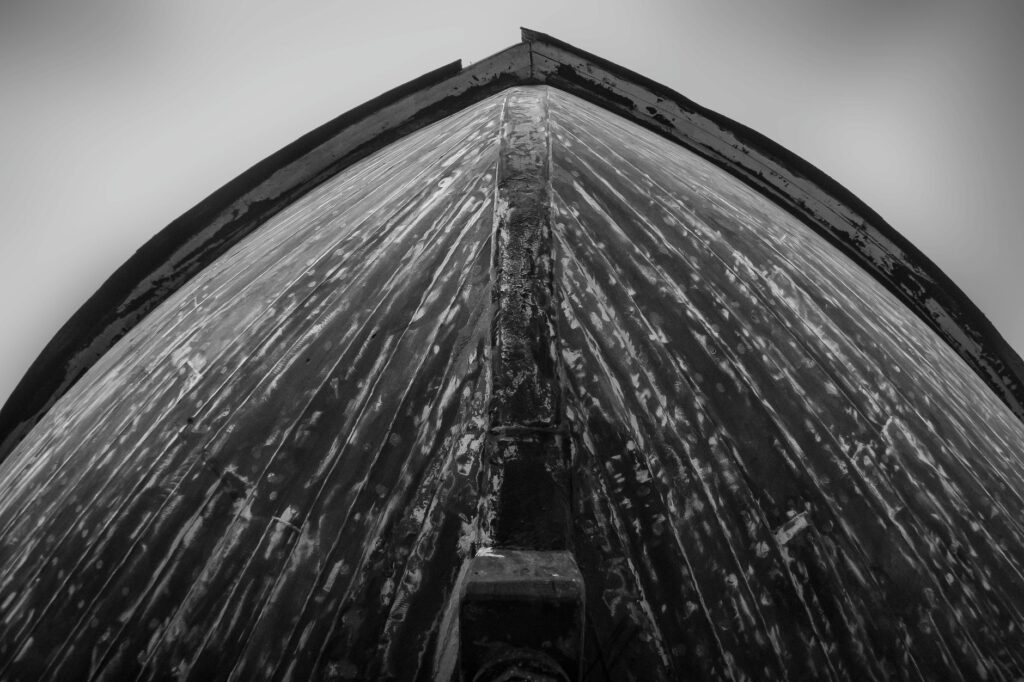
To combat this, squeraroli have had to slightly adapt their reinforcement techniques, yet they refuse to use synthetic materials in the main structure. Preserving the gondola is a matter of cultural integrity. If the manual construction technique were lost, a part of Venice’s DNA would vanish. Fortunately, there is a new generation of young apprentices who see this trade as a form of resistance against the city-museum, betting on a Venice that continues to produce rather than just consume tourism.
The training of a squerarolo is long and demanding. At least ten years of apprenticeship are needed to be considered a master. No written manuals exist; everything is transmitted through observation and repetition. It is a language of sounds: the sound of the axe hitting the wood tells more about the piece’s health than any modern scanner ever could.
Practical Guide
For the traveler wishing to understand the authentic Venice beyond conventional tours, visiting a squero is a fundamental experience. However, it must be remembered that these are real working workshops, not theme parks.
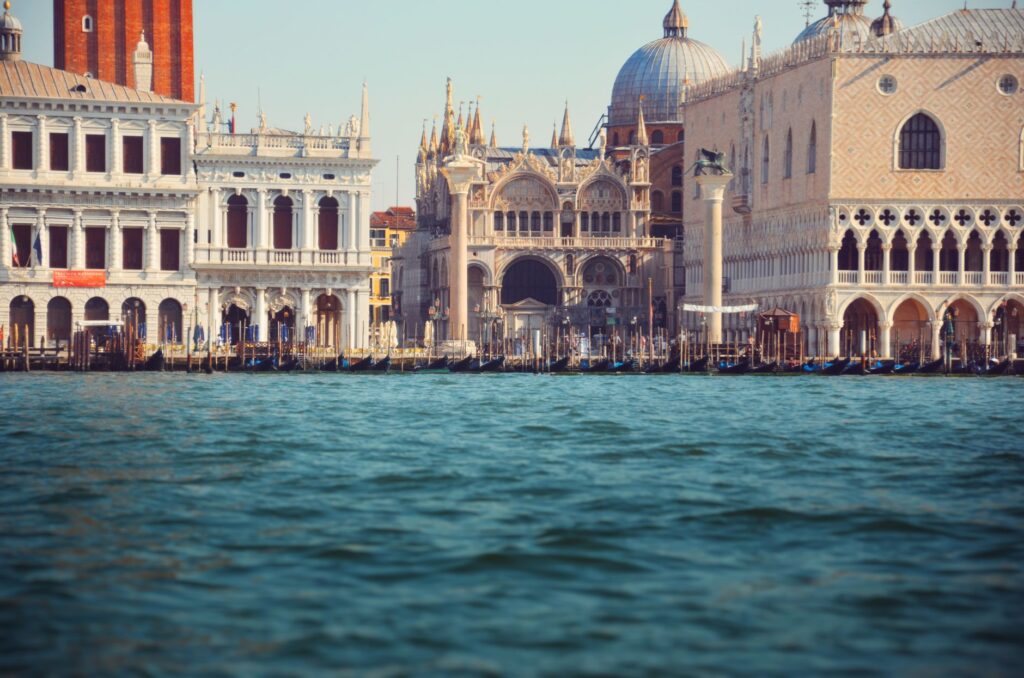
Where to see the shipyards: The Squero di San Trovaso is visible from the opposite canal (Fondamenta Nani). It is the perfect spot to observe artisans at work while enjoying a cicchetto at nearby bars. The Squero Tramontin, founded in 1884, offers tours by appointment and is famous for having built gondolas for royal houses.
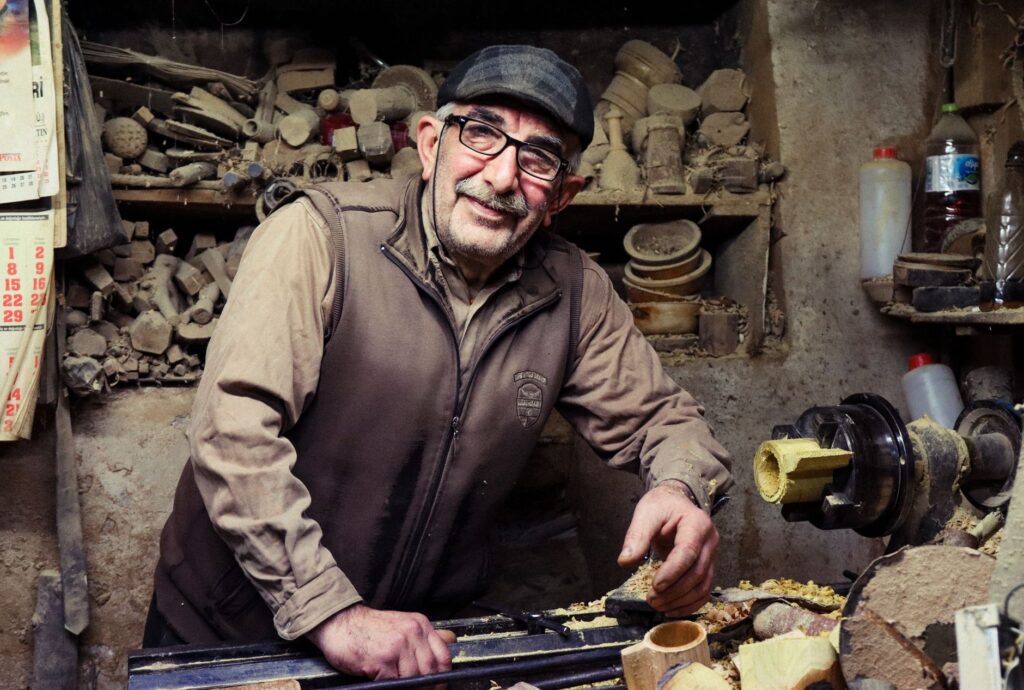
Forcole Workshops: Paolo Brandolisio’s workshop, near the church of San Giovanni e Paolo, is a mandatory stop. Watching him work walnut with hand tools is a lesson in patience and precision. Another point of interest is Il Forcolaio Matto (Piero Dri) in Cannaregio, where the science behind the Venetian oar is explained.
The Gondola Ride: To support the craft, it is best to hire a ride directly at official stops (stazi). Prices are regulated by the city council (around 90 euros for 30 minutes during the day). If you are looking for a more technical experience, ask the gondolier about the builder of their boat; most will be happy to talk about their vessel’s heritage.
As evening falls and motor traffic decreases, the silent passage of a gondola reminds us why Venice remains a miracle. It is not just the stone of its palaces, but the wood of its boats that keeps afloat the memory of a civilization that learned to walk on the sea. The gondola, with its asymmetrical elegance, is a reminder that perfection does not lie in a straight line, but in the ability to adapt gracefully to the currents of history.