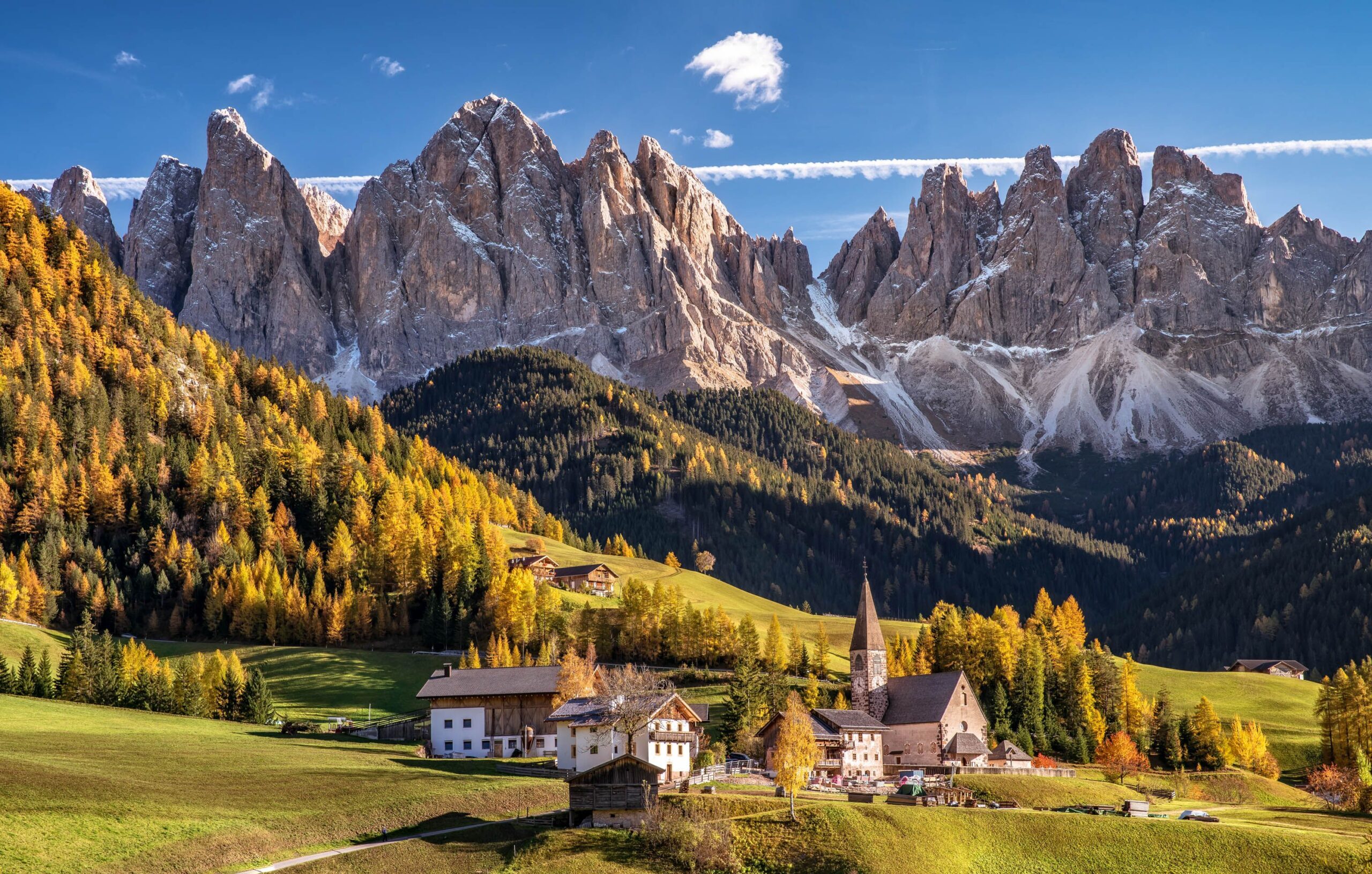

Fall in Europe has ceased to be a mere transitional shoulder season and has instead become the preferred window for discerning travelers. With the easing of summer over-tourism and the arrival of ochre tones transforming both alpine forests and historic facades, the continent offers an ideal climatic and cultural truce. Condé Nast Traveler has gathered insights from international experts to dissect the destinations that truly deserve attention on the horizon of 2026, prioritizing authenticity, respect for local heritage, and experiences that transcend conventional tourism.
This selection avoids repeating traditional circuits or succumbing to fleeting social media trends. Instead, it offers a rigorous analysis of where the autumnal season unfolds its greatest potential. From capitals refreshing their cultural agendas to wine regions celebrating their harvests under strict sustainability criteria, each enclave addresses a fundamental question: how can we travel more consciously and deeply during the months when Europe recovers its true rhythm?
The Cultural Renaissance of Northern Metropolises
Major European cities undergo a metamorphosis as temperatures drop. Far from the stifling heat of July and August, capitals like Copenhagen, Vienna, and Edinburgh recover their daily pulse, allowing travelers to connect with local life without the constraints of mass crowds. Museums reopen their major temporary exhibitions, concert halls kick off their symphonic seasons, and the culinary scene experiments with seasonal larders.
In Copenhagen, for example, fall is experienced outdoors in the historic Tivoli Gardens, but also in the new contemporary architecture spaces bordering its canals. Experts note that the true appeal lies in the philosophy of hygge brought into urban practice: candlelit cafes, food markets where local produce like wild mushrooms and Nordic apples take center stage, and a cycling network that remains fully operational thanks to the mild maritime climate.
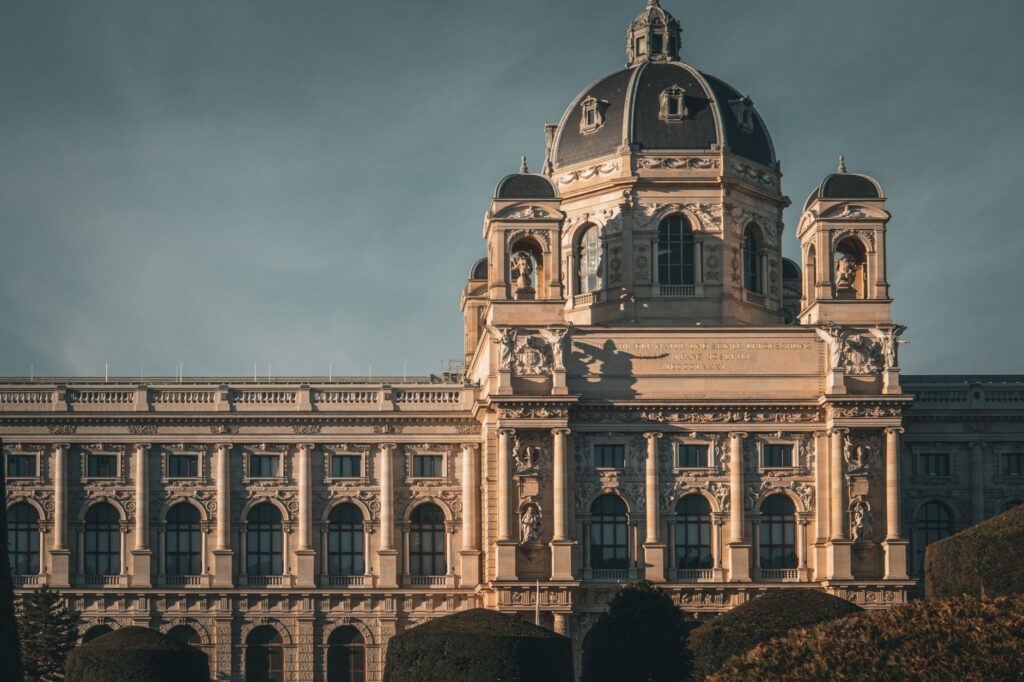
Meanwhile, Vienna takes advantage of October and November to consolidate its reputation as the world capital of music and coffee. Historic cafes reclaim their role as intellectual salons, a refuge against the Danube breeze where time seems to stand still. Art curators point out that this is the perfect time to tour the MuseumsQuartier without the endless summer queues, enjoying collections ranging from Egon Schiele to contemporary avant-gardes.
The Route of Vineyards and Ancestral Harvests
If the urban north offers intellectual stimuli, the rural regions of southern and central Europe deliver a unique sensory experience: the grape harvest and the production of new-season wine. Fall is the moment when the earth yields its annual effort, and regions like Piedmont in Italy, La Rioja in Spain, or the Loire Valley in France transform into canvases of golden vines.
In Piedmont, the autumn season coincides with the hunt for the coveted white truffle of Alba and the fermentation of Barolo and Barbaresco reds. Experts emphasize that visiting this region at this time allows access to a product-driven cuisine based on proximity and centuries-old tradition. Local gastronomic fairs are not mere tourist events, but community celebrations where small producers share their know-how with visitors.
European autumn is not a season for ticking monuments off a list, but a time to decelerate and understand the natural rhythms of the land and its people.
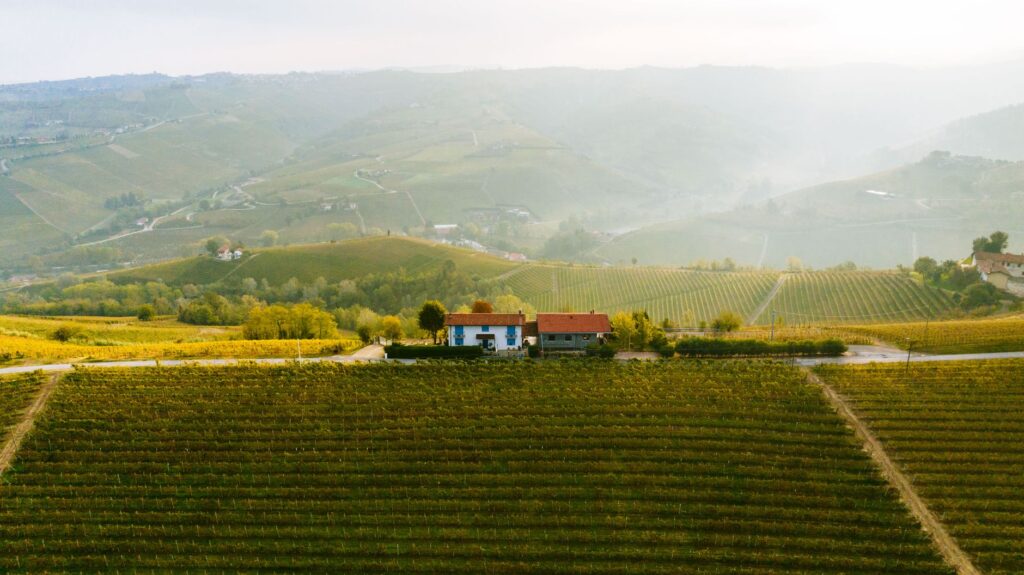
Simultaneously, in Portugal’s Douro Valley, the steep terraces descending toward the river turn red and gold. Here, traditional wineries open their doors to explain the production processes of port and table wines from the region. The experience moves away from ostentatious luxury to embrace a rustic authenticity, where conversations with local winemakers reveal the challenges of climate change and the preservation of native grape varieties.
Slow Travel across Atlantic Archipelagos and Coasts
As the Mediterranean slowly bids farewell to its bathers, the Atlantic coast and smaller archipelagos offer an alternative travel approach based on contemplation. The Azores in Portugal or the Orkney Islands in Scotland present an unpredictable yet fascinating climate during autumn, marked by dramatic skies, churning seas, and near-mandatory digital disconnection.
In the Azores, the combination of volcanic activity, crater lakes, and the arrival of migratory marine species turns these islands into a natural sanctuary. Experts recommend renting an electric car and driving the secondary roads of São Miguel, where tea plantations and hydrangea fields give way to ocean-carved cliffs. The pace is set by the tides and a gastronomy based on volcanic fumarole stews.
This slow travel approach prioritizes immersion over accumulating destinations. Local communities, less pressured by seasonal tourism volumes, show a greater willingness for cultural exchange, offering a more honest perspective of island identity.
Architecture, Design, and Heritage in Transition
Europe’s architectural heritage acquires a new dimension under the oblique autumn light. Medieval cities and Renaissance ensembles in Central Europe, such as Wrocław in Poland or Český Krumlov in the Czech Republic, shed their summer noise, allowing visitors to appreciate structural details and original urban layouts.
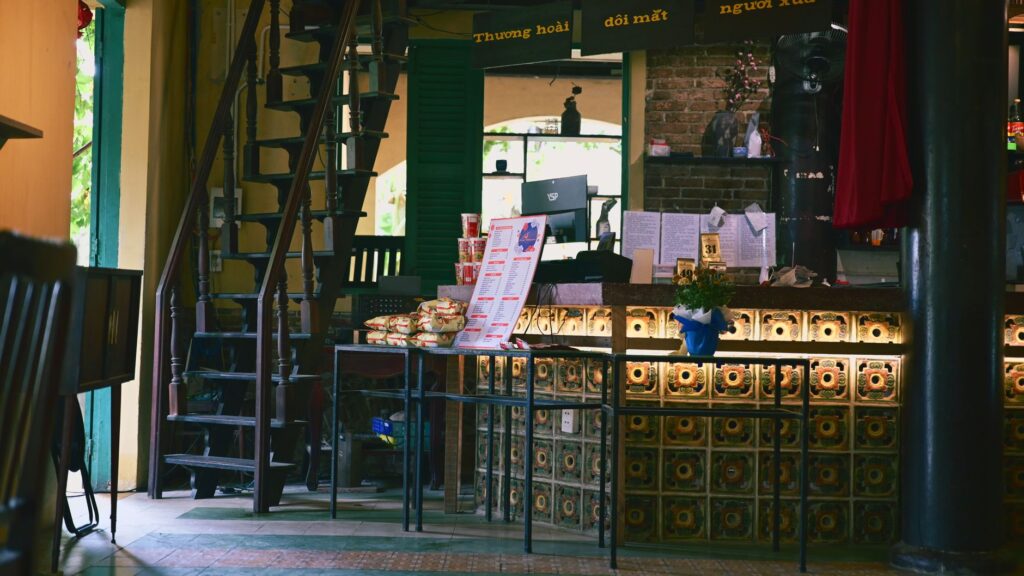
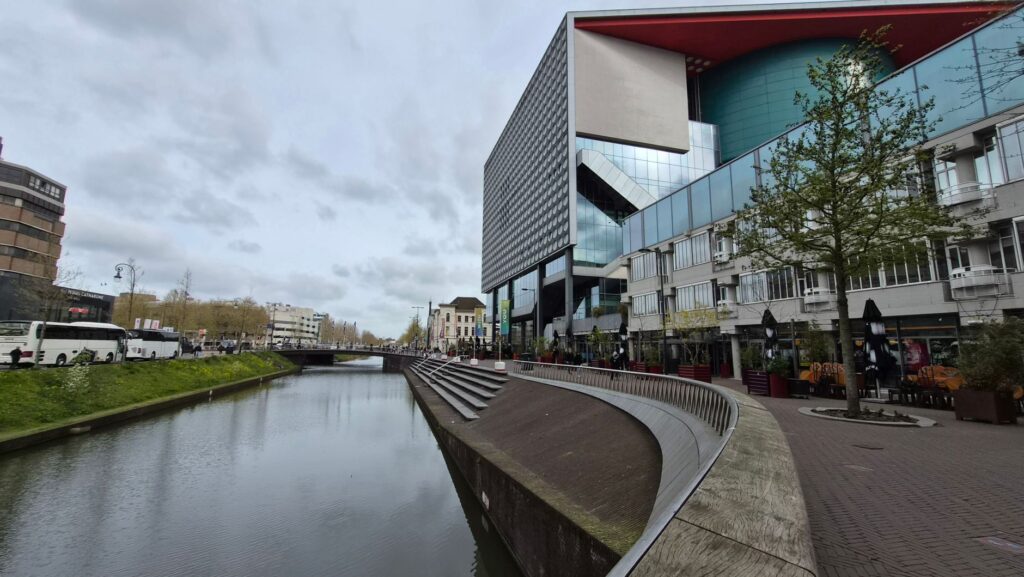
Heritage specialists highlight that contemporary interventions in historic centers—such as the integration of design museums into converted industrial buildings—are best appreciated during this season. Cities like Antwerp and Rotterdam combine their port legacy with architectural vanguard that dialogues with canals and docks, offering a powerful visual contrast for travelers interested in urban design.
Traveling in autumn demands being prepared for the elements; in exchange, it rewards the visitor with the privilege of space and silence in the continent’s most coveted spots.
Likewise, the Loire castles or Bavarian fortresses like Neuschwanstein blend seamlessly into a forest landscape straight out of a classic fairy tale. Visiting these monuments ceases to be an exercise in patience in long lines and becomes a leisurely tour of European history and landscape design.
The Gastronomic Backstage: Markets and Local Larders
A country’s true culture is measured in its food markets. In autumn, these spaces fill with produce that defines the culinary identity of each region: from roasted chestnuts on the streets of Florence to mountain cheeses in the Swiss Alps. Autumnal gastronomy is hearty, comforting, and deeply rooted in the territory.
The culinary experts consulted agree that farm-to-table restaurants experience their most creative moments. With ingredients that only mature at this time of year—such as native pumpkins, small game, and a vast variety of mushrooms—local chefs redesign their menus to pay homage to the surrounding larder. Eating in a family trattoria or a village bistro thus becomes an act of cultural preservation.
Practical guide
Getting there: Most recommended European destinations feature direct flight connections to their main international hubs. It is recommended to prioritize direct flights to minimize carbon footprints and use high-speed trains or regional rail networks for internal travel.
When to book: Although autumn is low season compared to summer, enclaves specializing in wine tourism or October cultural festivals require bookings at least three to four months in advance, especially for charming accommodations and gastronomic restaurants.
Weather and gear: European autumn weather is highly variable. Applying the layering technique is essential: lightweight thermal garments, a quality waterproof jacket, and comfortable, non-slip footwear for walking on damp cobblestones or rural trails.

Local transport: Renting electric or hybrid vehicles is ideal for exploring rural and wine regions, while in major cities, integrated public transport and bicycles remain the most efficient and sustainable options.
The Emotional Awakening of European Forests
There is an exact moment at dusk, when mist begins to rise from river valleys and envelops the ancient trunks of Central European forests, where travel ceases to be physical displacement and becomes a state of mind. It is in these landscapes that European nature unfolds its most intimate repertoire, reminding us that human time and earth’s time operate on different scales.
Walking along a path carpeted with crunchy leaves in Germany’s Black Forest or the beech woods of the Cantabrian Mountains does not require grand logistical deployments, but rather a disposition for listening and contemplation. Local nature guides insist that these spaces return us to a lost measure of human scale. Ultimately, the best destinations for this fall 2026 are not those promising artificial perfection, but those offering the silence necessary to inhabit the present with attention and respect.
Source in EN: Condé Nast Traveler – Ready for a Euro Fall? Travel Experts Weigh In on the Best Destinations for 2026 (https://www.cntraveler.com/story/ready-for-a-euro-fall-travel-experts-weight-in-on-the-best-destinations)