
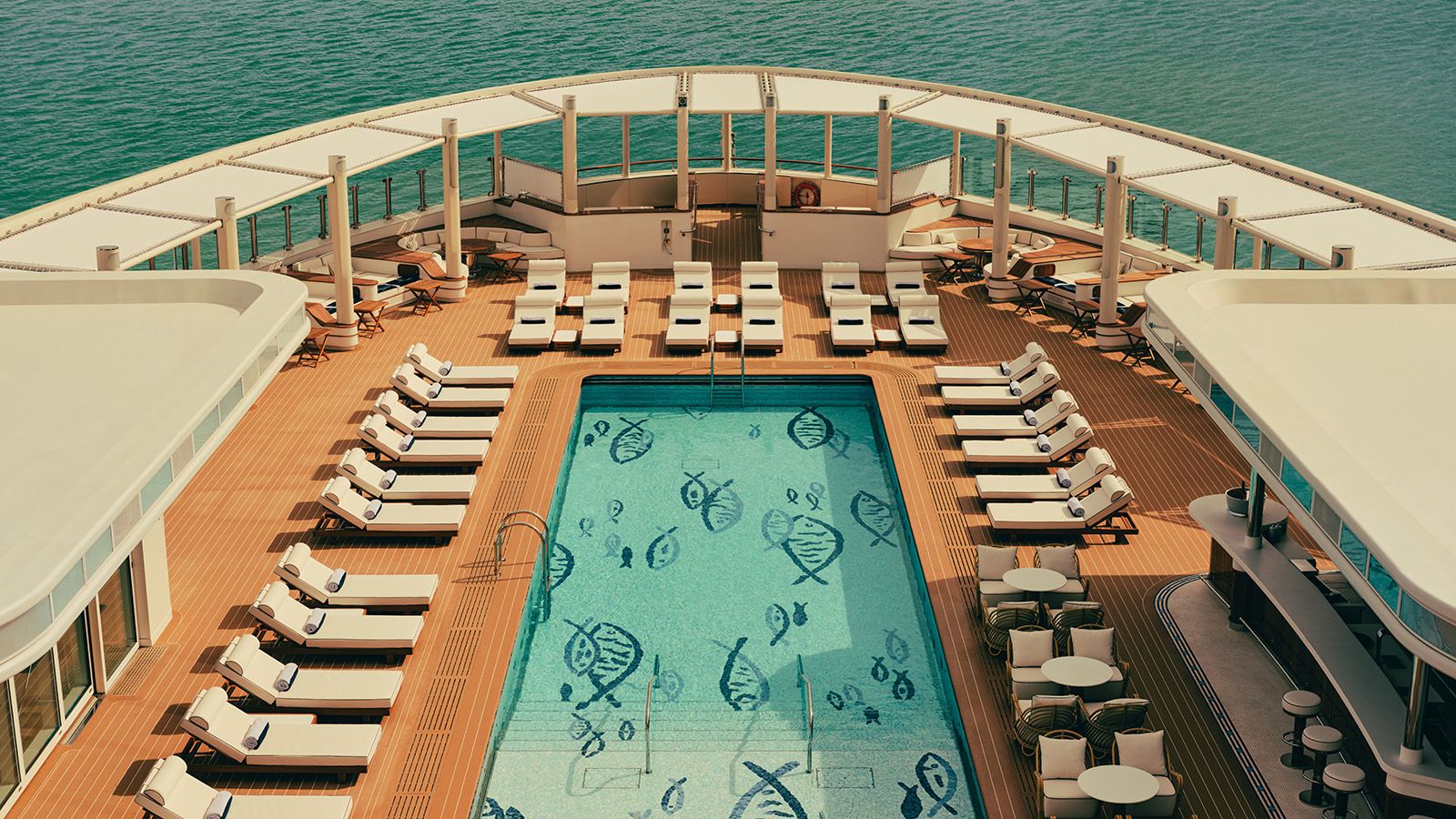

For decades, the cruise industry was caught between mass tourism and ornamental excess—a world where the sheer size of a vessel mattered more than the sensitivity of the guest experience. However, in recent years, a tectonic shift has swept across the oceans. High-end cruise lines and boutique operators alike have realized that contemporary travelers are looking for much more than tailcoated butlers and mirrored ballrooms. They seek discretion, authenticity, and, above all, a radical integration with the marine environment. Today, the world’s most exclusive ships do not imitate palaces; they converse with contemporary architecture, minimize their environmental footprint through cutting-edge engineering, and operate on the premise that true luxury is space, time, and consciousness.
This report examines how contemporary luxury cruise lines have transformed the nautical experience to rival—and occasionally surpass—the most prestigious urban hotels and private resorts on the planet. Through a rigorous analysis of naval architecture, origin-driven gastronomy, sustainability management, and invisible crew service, we unveil the names that are redrawing the map of high-end travel on the open sea.
Floating Architecture and the New Designer Aesthetic
The first encounter with an ultra-luxury vessel no longer evokes the classic transatlantic liners with their monumental smokestacks. The world’s most advanced shipyards collaborate closely with internationally renowned interior design studios—the very same firms shaping the most coveted hotels in Tokyo, Milan, or Reykjavik. The objective is to disguise the scale of the ship, creating a private-club atmosphere where oak timber from certified forests, washed linen, and natural stone replace synthetic materials and jarring glares.
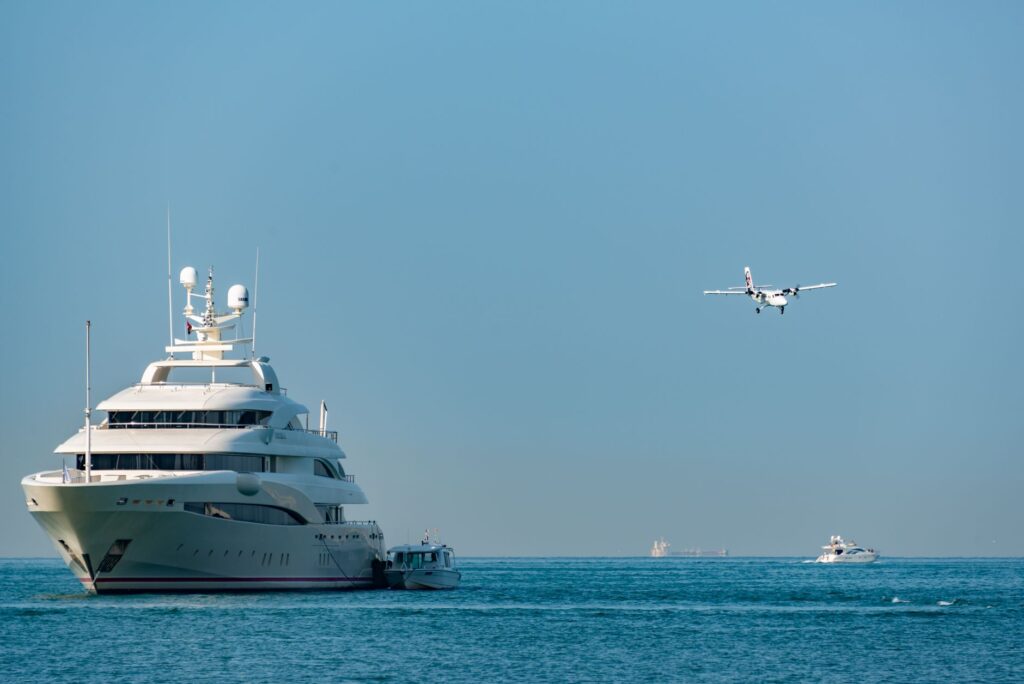
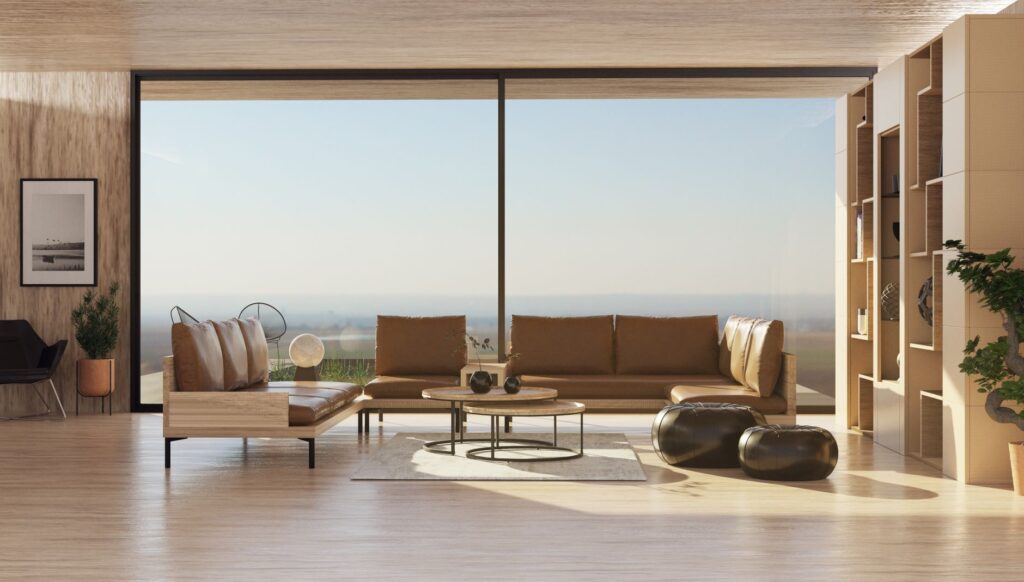
Space per passenger has become the definitive benchmark of exclusivity. While commercial vessels maximize capacity, new fleets limit their occupancy to between two hundred and five hundred guests. This allows for the creation of suites with panoramic verandas that defy traditional engineering, floor-to-ceiling windows that blur the boundary between interior and ocean vastness, and infinity pools suspended over the ship’s wake that generate a sensation of absolute weightlessness.
Natural Light as a Structural Element
Current naval architects prioritize overhead lighting and visual permeability. Dark, labyrinthine corridors have been replaced by contemporary art galleries bathed in natural light and open atriums connecting decks vertically, fostering an organic and relaxed circulation.
Origin-Driven Gastronomy: From Local Sourcing to Michelin Stars
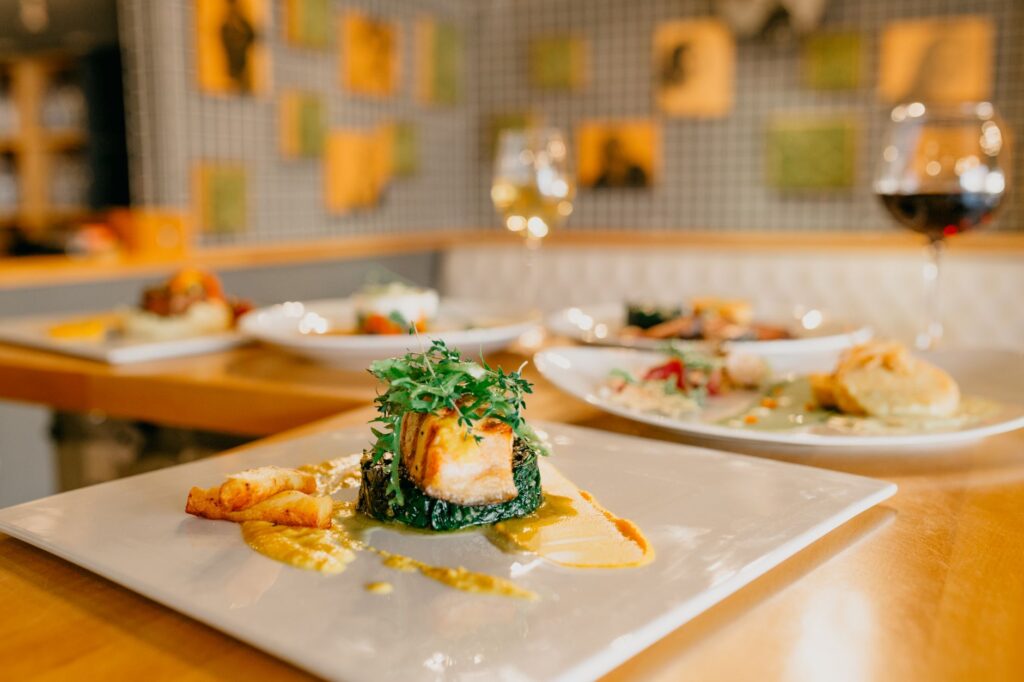
If hotel gastronomy has undergone a green revolution based on the zero-kilometer concept, bringing this philosophy to the high seas seemed like a titanic challenge. Nonetheless, the world’s finest cruise lines have established hyper-specialized logistics networks to ensure fish arrives straight from the coastal markets where the ship docks, and vegetables originate from small local producers at every port of call.
Executive chefs no longer operate under the logic of standardized menus and endless buffets. They work with micro-seasons and collaborate with Michelin-starred culinary masters to design dining concepts that reflect the territory being navigated. Dining on board might mean savoring seafood caught hours earlier in the Norwegian fjords or tasting biodynamic wines selected by internationally acclaimed sommeliers who pair each story with the vineyards that produced them.
The Floating Cellar and Wine Culture
Wine lists on board rival the finest land-based cellars. Holding thousands of bottles preserved at meticulously controlled temperatures and humidity levels, these floating cellars are the epicenter of private tasting experiences guided by expert sommeliers.
Sustainability and Technology: The End of the Fossil Fuel Era
Contemporary luxury is inherently responsible. For years, the cruise industry was rightly criticized for its environmental impact. Today, the ultra-luxury segment’s response is decisive: the accelerated adoption of hybrid propulsion technologies, liquefied natural gas (LNG) engines, and shore-power connection systems in ports that entirely eliminate emissions while the ship is docked.
Energy efficiency is managed via artificial intelligence that optimizes routes based on ocean currents and weather conditions, drastically reducing fuel consumption. Furthermore, advanced desalination and on-board wastewater treatment plants ensure that the water footprint is practically zero, returning water to the sea in conditions superior to international regulatory standards.
The Total Elimination of Single-Use Plastics
Zero-waste policies are rigorously enforced. From glassware to bathroom amenities formulated with local organic botanicals, everything is designed to be reusable, compostable, or recyclable, proving that opulence and planetary care are not mutually exclusive.
The Art of Invisible Hospitality and Personalized Service
In a grand luxury hotel, perfect service anticipates a guest’s desires without ever feeling intrusive. At sea, this discipline reaches even higher levels thanks to crew-to-passenger ratios hovering near one-to-one. The butler assigned to each suite not only unpacks luggage or polishes shoes; they study temperature preferences, sleeping habits, and dietary allergies before the guest sets foot on the gangway.
Continuous training of the crew at elite hospitality academies ensures that attention combines Swiss precision with human warmth. There are no corporate scripts or automated responses; every interaction is guided by intuition and the ability to deliver bespoke solutions, ranging from organizing a private helicopter excursion to preparing an aromatic midnight bath.
Holistic Wellness and Digital Detox
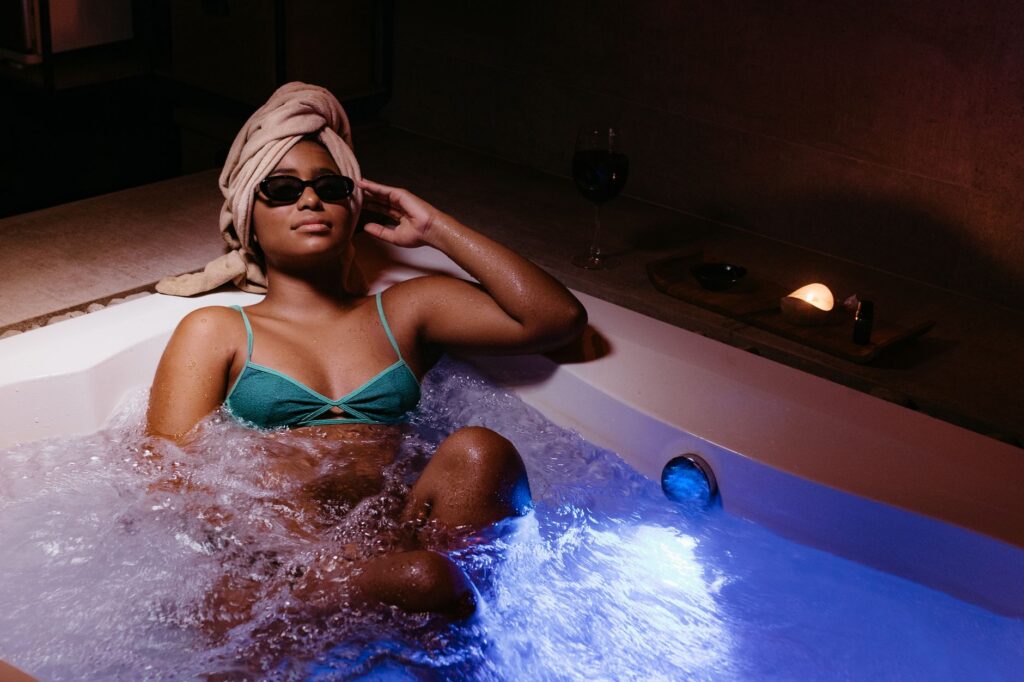
On-board spas are no longer mere sea-view massage rooms. They are authentic sanctuaries of integrative wellness combining traditional thalassotherapy with Ayurvedic rituals, sunrise yoga sessions on the aft deck, and digital detox programs designed to free travelers from chronic stress.
Expeditions and the Value of the Remote
The concept of luxury travel has pivoted from passive relaxation toward conscious exploration. High-end expedition lines feature fleets of zodiacs, kayaks, submersibles, and helicopters, allowing passengers to venture into territories inaccessible to conventional tourism, from Antarctica to the most secluded islands of Polynesia.
The team of naturalists, marine biologists, historians, and anthropologists accompanying each voyage transforms the journey into a premier educational experience. Nightly lectures on board and guided shore walks provide deep context that enriches the adventure, turning the traveler into an informed and respectful observer of natural and cultural heritage.
Safety as the Foundation of Adventure
Exploring remote regions requires flawless technical deployment. Ice-strengthened hulls and dynamic positioning systems allow these vessels to navigate safely in extreme latitudes without compromising passenger comfort.
Practical guide
Planning a voyage on the new generation of luxury cruise ships requires a different perspective compared to booking a land-based hotel. Below are the essential keys to choosing the right experience:
- Advance booking and seasonality: Ultra-luxury fleets feature very limited suite numbers. For iconic routes in Antarctica, the Western Mediterranean, or the Norwegian fjords, booking twelve to eighteen months in advance is strongly recommended.
- Genuine all-inclusive: Unlike conventional cruises, the luxury segment includes virtually everything: gratuities, premium beverages, selected shore excursions, high-speed Wi-Fi, and, in many cases, private chauffeured transfers from home to the departure airport.
- Dress code: Rigid formal dress codes have given way to relaxed elegance. «Resort casual» predominates during the day, while evenings favor sophisticated attire without the strict requirement of tuxedos or floor-length gowns, except for specific captain’s galas.
- Cabin selection: If budget permits, reserve butler-service suites located midship, where the movement of the sea is virtually imperceptible thanks to state-of-the-art active stabilizers.
True luxury on the high seas does not lie in accumulated opulence, but in the freedom to gaze at the horizon without interference, knowing that every detail has been conceived with absolute respect for the ocean that sustains us.
At the end of the voyage, when the coastline’s silhouette redraws itself on the horizon and suitcases are zipped shut once more, the prevailing sentiment among passengers is not that an ordinary holiday has ended, but that they have temporarily inhabited a parallel world where time flows at a different rhythm. The open sea, once feared and today intimately understood, firmly consolidates itself as the ultimate sanctuary of contemporary hospitality, proving that the world’s best hotels no longer need to be anchored to the earth.
Source: Condé Nast Traveler (US)


