
A New Horizon for Visual Storytelling in Los Angeles
Southern California is preparing to add a monumental milestone to its cultural constellation. Conceived not as a cinematic mausoleum, but as a living organism dedicated to the universal power of visual communication, the Lucas Museum of Narrative Art opens its doors in Los Angeles’s historic Exposition Park. This project, driven by visionary filmmaker George Lucas and his wife, businesswoman Mellody Hobson, represents one of the boldest philanthropic and architectural investments ever dedicated to popular and sequential art in recent American history.
Far from focusing exclusively on the legendary galactic saga that catapulted its creator to global fame, the institution is born with an encyclopedic and democratic vocation. Its fundamental purpose is to examine how human societies have constructed meaning, memory, and emotion through still and moving images across the centuries. From classical painting and early 20th-century illustration to documentary photography and contemporary digital art, the museum proposes an uninterrupted dialogue between disciplines that have traditionally inhabited separate hierarchies.
The Genesis of an Unprecedented Collection
The story behind the creation of this venue is also a narrative of cultural persistence. After years of deliberation over the ideal location and dismissing cities like Chicago and San Francisco, the choice of Los Angeles—the historical epicenter of the global film industry—lent the project an indisputable geographical and conceptual anchor. The foundational collection draws primarily from the personal trove that George Lucas and Mellody Hobson have assembled over decades, valued in the billions of dollars.
This artistic treasure includes masterworks of classical American illustration, featuring vital names like Norman Rockwell, Maxfield Parrish, and N.C. Wyeth, whose creations defined the visual imaginary of entire generations. Likewise, the archive safeguards thousands of foundational pieces from film history, from original storyboards and iconic costumes to animation cels and conceptual art documenting the creative backstage of the silver screen.
The Dialogue Between High Culture and Popular Culture
One of the museum’s greatest conceptual merits lies in its refusal to accept watertight divisions between academic art and mass culture. In its galleries, a Renaissance canvas can converse on equal terms with a vintage movie poster or a newspaper comic strip. This inclusive approach underlines a central thesis: every visual narrative, regardless of its original medium, shares a common grammar aimed at moving, persuading, and explaining the world.
- Revaluation of commercial illustration as a sociological document.
- Exhibition of manuscripts and preparatory sketches revealing the artist’s mental process.
- Integration of emerging technological supports into the museographic experience.
A Futuristic Silhouette in the Heart of Exposition Park
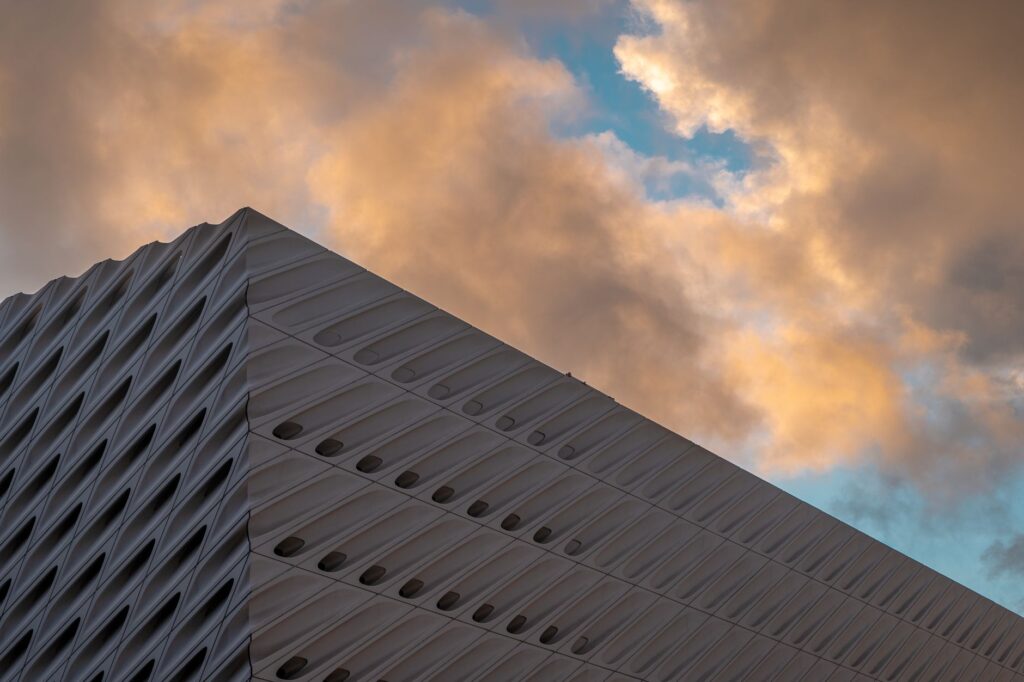
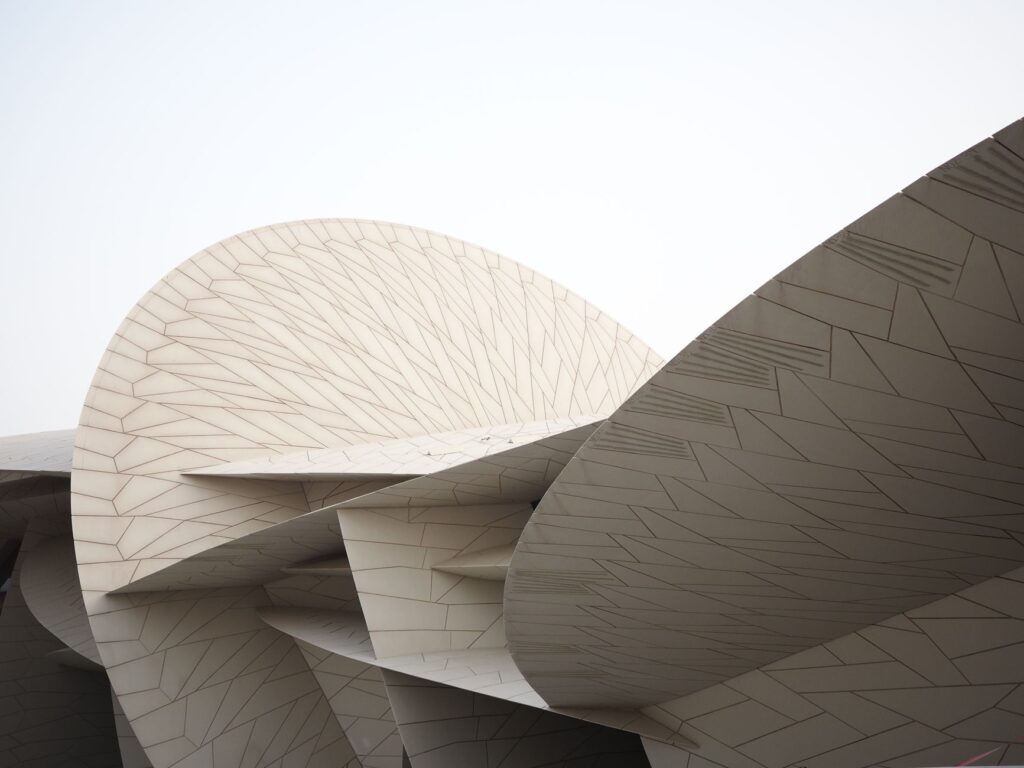
The physical container matches its content. Designed by acclaimed architect Ma Yansong, founder of MAD Architects, the building rises in Exposition Park as a fluid, organic mass defying the traditional orthogonality of urban museums. Its curvilinear silhouette, clad in high-tech composite panels, evokes a floating cloud or a spaceship resting peacefully over a vast landscaped terrain.
The formal audacity of the design is not merely aesthetic. The architectural project prioritizes the creation of generous public spaces, elevating the main galleries to free up the ground floor and turn it into an accessible park for the Los Angeles community. Thus, the architecture itself acts as a metaphor for the openness and accessibility demanded by its founders from the institution’s initial conception.
Sustainability and Integrated Urban Design
Beyond its visual impact, the building incorporates rigorous environmental sustainability standards. The extensive gardens surrounding it have been designed under native landscaping criteria, drastically reducing water consumption in a region historically plagued by water scarcity. The integration of advanced energy efficiency systems and green roofs consolidates the museum as a model of cultural infrastructure responsible for its urban and natural environment.
The art of telling stories with images belongs to no elite; it is humanity’s common language across time.
The Social Fabric and Impact on the Local Community
No major cultural project in a metropolis as complex as Los Angeles can be understood outside its community context. Exposition Park, located in the city’s south, is a historically diverse yet economically and socially vulnerable enclave. The arrival of the museum has sparked intense debates about gentrification and equitable access to urban development benefits, forcing the institution to design very robust community outreach programs from day one.
To respond to these expectations, museum leadership has established strategic alliances with local public schools, offering scholarships, visual literacy workshops, and youth employment programs. The explicit goal is to ensure that area residents do not feel like passive spectators of an architectural colossus, but legitimate owners of a space designed to enrich the social fabric through arts education.
Technology, Immersion, and the Future of Exhibition
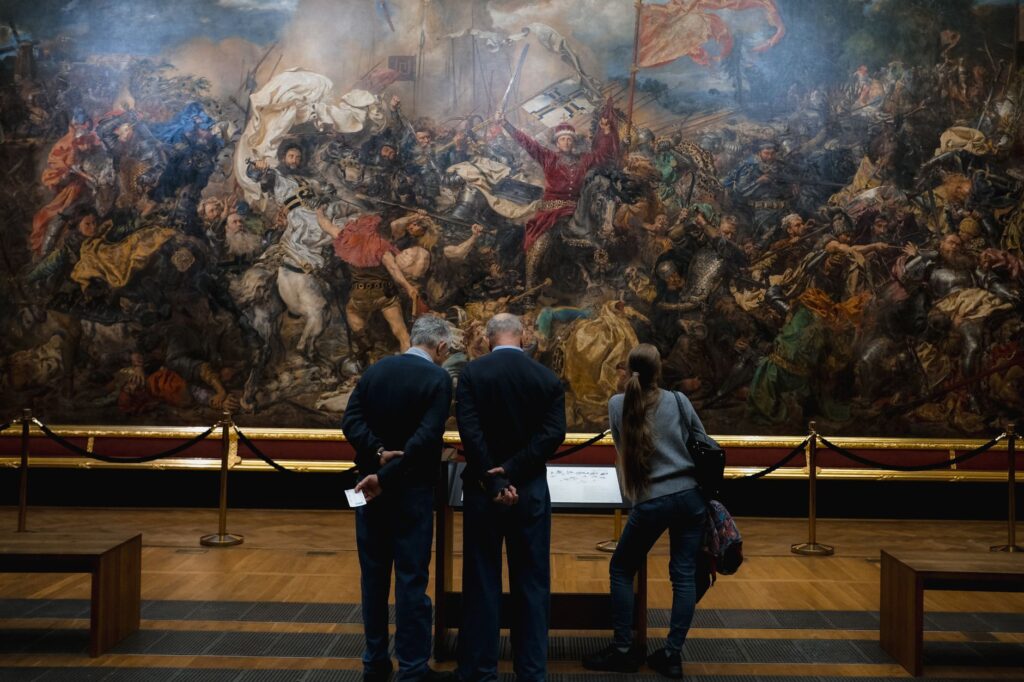
Entering the halls of the Lucas Museum of Narrative Art is stepping into an environment where traditional museography hybridizes with state-of-the-art digital tools. The galleries do not limit themselves to hanging paintings on white walls; they employ immersive projections, augmented reality, and interactive stations designed for visitors of all ages to understand the intimate mechanics of visual creation.
This technological commitment responds to an inescapable reality: new generations consume and process narratives through screens and hyperconnected stimuli. The museum does not shy away from this transformation; rather, it embraces it, offering critical tools to decipher the constant flow of images characterizing the 21st century.
Preservation as an Act of Collective Memory
In parallel with public exhibition, the center houses state-of-the-art conservation laboratories dedicated to rescuing celluloid support, fragile paper, and multimedia elements at risk of decay. This invisible yet essential work ensures that the visual heritage of the past century remains accessible to future researchers and historians, consolidating the museum as a world-class academic reference center.
Practical guide
Planning a visit to the Lucas Museum of Narrative Art requires considering essential logistical aspects to guarantee an optimal experience in the heart of Los Angeles.
How to get there
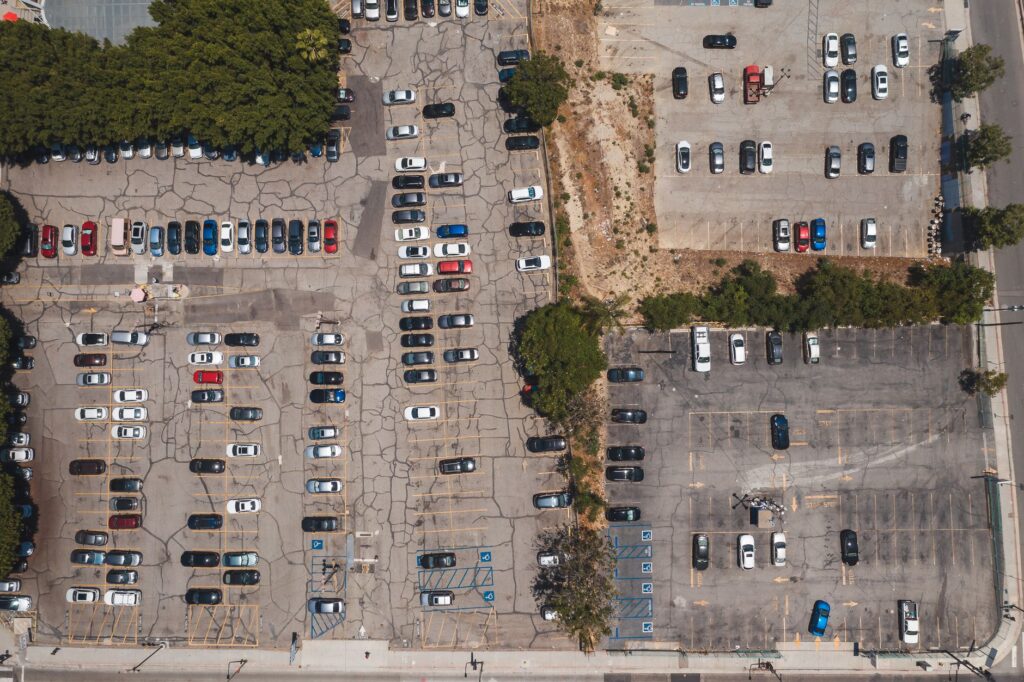
The museum is located in Exposition Park at 700 Exposition Park Drive, Los Angeles, CA 90037. The most efficient way to arrive via public transportation is by using the Los Angeles Metro Light Rail Line E (Expo) and getting off at the Expo Park / USC station. If driving, the complex features multiple underground parking structures, though navigation apps are recommended due to typical Harbor Freeway (I-110) traffic.
Hours and tickets
It is essential to book tickets in advance through the institution’s official website, as daily access is regulated to avoid crowding in the main galleries. The museum typically operates from Wednesday through Monday, remaining closed on Tuesdays for maintenance. Los Angeles County residents usually have preferential access time slots or free admission days on specific weekdays.
Services and accessibility
All facilities strictly comply with Americans with Disabilities Act (ADA) accessibility regulations. The complex offers wheelchair rentals, coat check service, cafes with local culinary options, and a museum store featuring specialized publications and exclusive design objects.
The Invisible Legacy That Transcends Screens
Facing the vertigo of digital modernity and information saturation, the opening of this museum offers an indispensable reflective pause. It reminds us that the urge to narrate and be narrated constitutes one of our species’ deepest impulses, an invisible thread connecting the cave paintings of Lascaux with the digital frames of contemporary cinema.
George Lucas and Mellody Hobson have materialized a monumental dream that far transcends mere entertainment or cinematic nostalgia. They have built a home for the images that have moved, frightened, and transformed us across eras. Stepping out of its halls and returning to the sunny bustle of Los Angeles, the visitor understands that every person is ultimately the custodian and narrator of their own visual history.
Source in EN: Alan x el Mundo – Todo lo que debes saber sobre el museo de George Lucas