
The Alchemy of Heat in the Heart of Castile
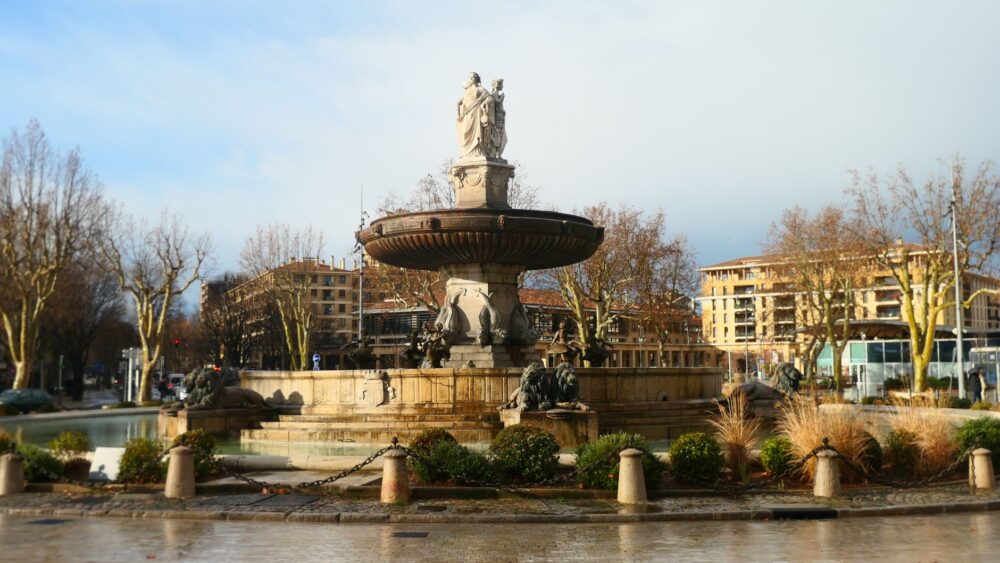
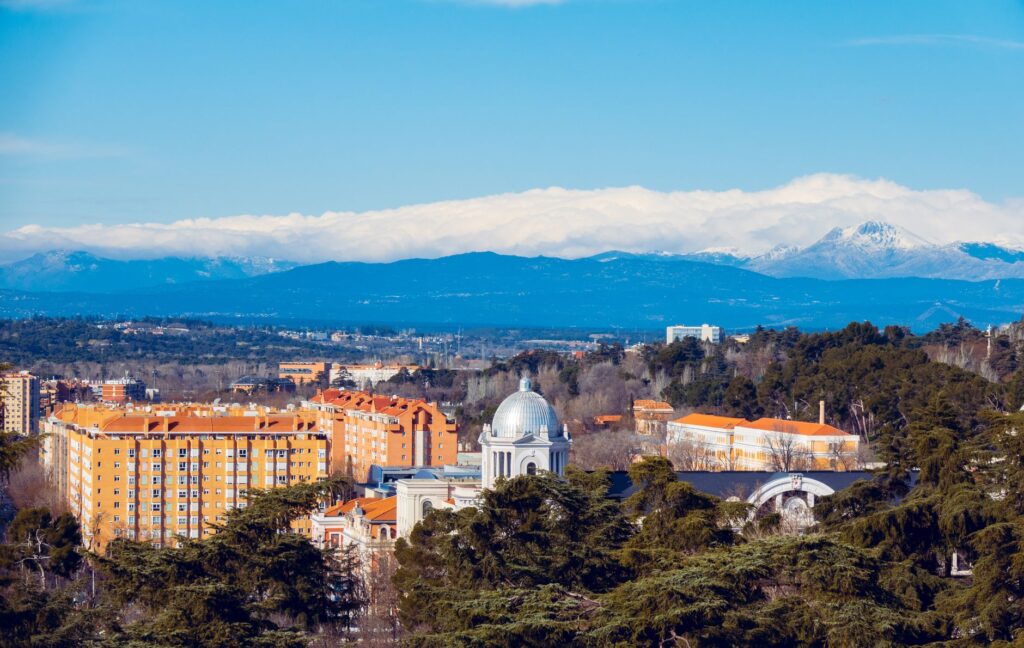
At the northern foothills of the Sierra de Guadarrama, where pine forests give way to the granitic stone of the Segovian slope, stands the Royal Site of La Granja de San Ildefonso. Famous for its monumental fountains and Bourbon palace, this enclave harbors an industrial and artistic secret that has defied the passage of centuries: the tradition of high-quality blown glass. Far from being a mere museum relic, the ancient kilns of the Royal Glass Factory are currently experiencing a profound revitalization driven by a new generation of artisans, designers, and chemists who reinterpret the incandescent material.
The arrival of glassmaking to this corner of the Castilian plateau was not a matter of chance, but rather of enlightened eighteenth-century ambition. Philip V, eager to emulate French and Venetian luxury manufactures to shake off foreign commercial dependence, ordered the construction of a factory complex equipped with the region’s best natural resources. The surrounding forests provided the firewood essential to maintain high melting temperatures, while local quarries supplied exceptional purity quartzite. Today, walking through the diaphanous naves of this space is to step into an atmosphere where time seems suspended between sulfur vapors and curtains of light filtered through large industrial windows.
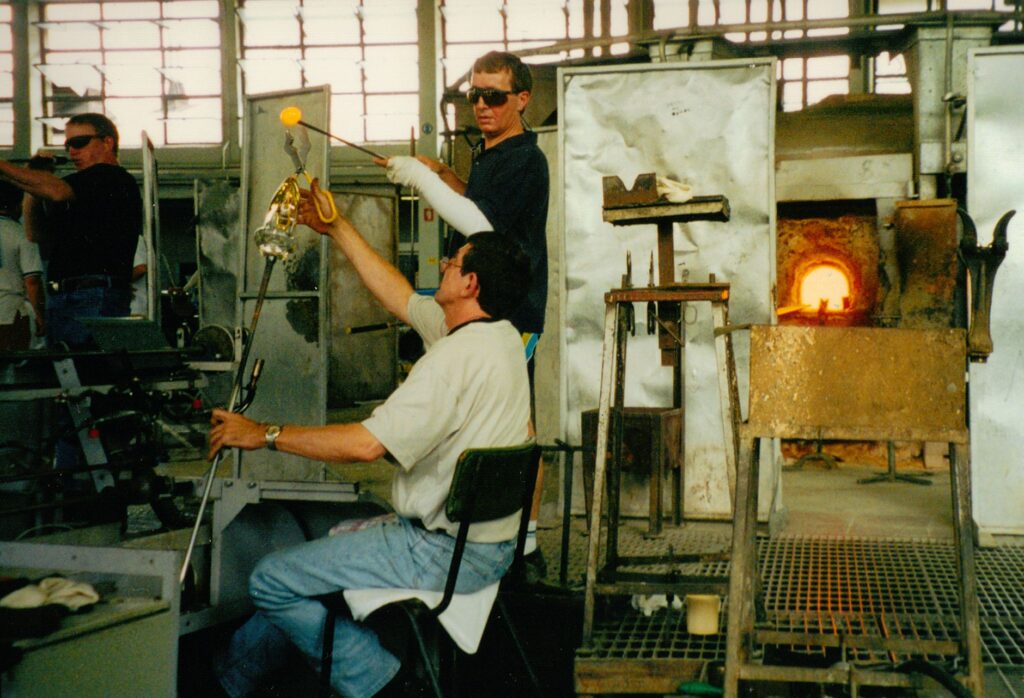
The process of transforming silica into an aesthetic object begins long before the blower brings their pipe to the crucible. It requires a millimeter understanding of materials physics and the chemistry of metal oxides that impart color to glass. Each workday starts in the small hours of the morning, when the main kiln reaches fourteen hundred degrees Celsius, a controlled inferno where the molten sand adopts a consistency similar to thick honey. In this setting of muffled noise and radiant heat, master glassmakers operate with a choreographic synchrony that evokes both dance and heavy engineering.

The Raw Material and the Millimetric Dance of the Pipe
The operational heart of the factory rests on the repeated and unalterable gesture of the blowpipe, a meter-and-a-half iron tube that the artisan manipulates with apparent ease. Dipping the metallic tip into the incandescent mass, extracting the exact amount of glass—known in jargon as the gather—and beginning the delicate process of blowing air requires decades of empirical learning. No manuals can replace the tactile sensitivity of fingertips hardened by intermittent contact with moistened pear-wood tools and cast-iron surfaces.
The role of the master blower is that of an orchestra conductor supervising each phase of progressive cooling, known as annealing, to prevent molecular stresses that would shatter the piece into a thousand fragments. In modern workshops, this traditional labor engages in a close dialogue with contemporary industrial design. National and international creators travel to La Granja to experiment with rough textures, deliberately trapped bubbles within the vitreous mass, and asymmetric geometries that break with the rigorous neoclassical symmetry of the royal past. This coexistence between historical rigor and aesthetic vanguard has turned the Segovian workshop into a pole of attraction for global talent.
Visits to the kiln floor allow visitors to observe up close how floral and geometric motifs characteristic of historical glassware are wheel-cut. Using sandstone grinding wheels and emery powder with water, cutters spend weeks abrading the transparent surface, achieving tactile contrasts between matte zones and mirror-polished areas. This level of detail demands absolute concentration; a single pressure error when applying the piece against the wheel can ruin days of uninterrupted work in the kiln.
Industrial Architecture and Living Heritage on the Plateau
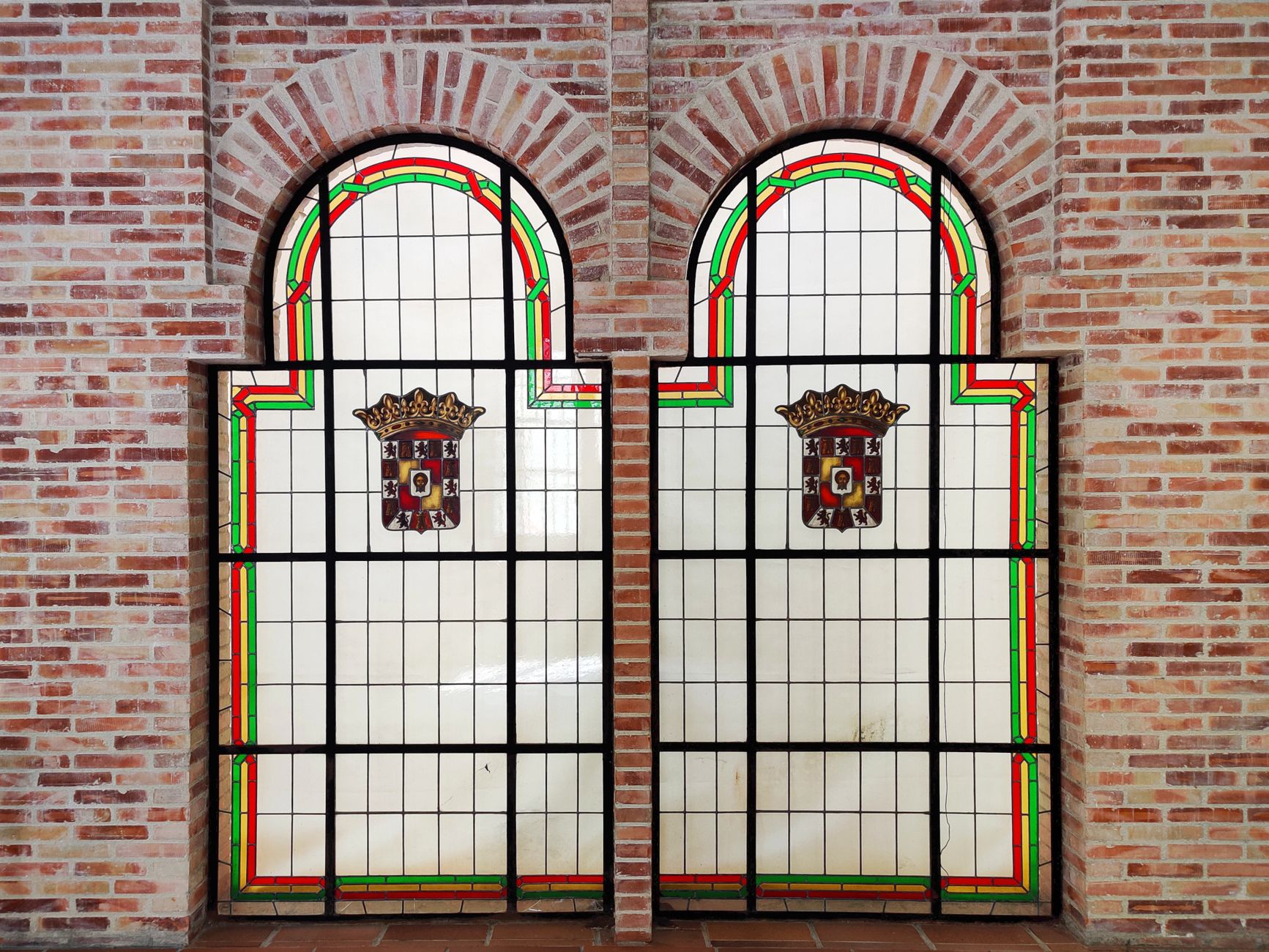
The architectural complex housing the Royal Glass Factory constitutes a fundamental milestone of European industrial archaeology. Its basilical floor-plan naves, designed in the eighteenth century under the canons of enlightened rationality, were conceived to optimize natural ventilation and lighting, key factors for worker welfare under extreme thermal conditions. Walking through these exposed brick structures and large timber trusses is to comprehend the magnitude of a state project that sought not only ornamental excellence, but the Crown’s technological self-sufficiency.
In recent decades, the building has undergone meticulous restorations respecting its original footprint while providing cutting-edge exhibition spaces. The adjoining museum houses one of the most important blown glass collections on the continent, featuring pieces from former royal workshops, diplomatic tableware, and twentieth-century experimental creations. Display cases show technical evolution from potassic crystals to complex lead glassware that directly competed with Bohemian and Saint-Louis productions.
Glass is not a rigid solid, but a liquid that has forgotten how to flow; within its translucent depths survives the arrested time of the original fire.
This heritage dimension is not limited to passive contemplation. The center functions today as an active foundation imparting specialized training to young people from around the world. Summer workshops and long-term courses attract ceramists, sculptors, and architects seeking to master a medium as elusive as it is fascinating. The transmission of traditional knowledge occurs through direct immersion in the workshop, ensuring secrets of hot manipulation are not lost on history’s shelves.
The Artisanal Ecosystem of the Segovian Region
The survival of this millennial craft in La Granja de San Ildefonso cannot be understood without the surrounding social and natural fabric. Local workshops draw from a network of suppliers and collaborators ranging from woodturners specializing in mold-making to artistic blacksmithing studios responsible for maintaining the tongs, shears, and blowpipes used by blowers. This proximity economy generates a sustainable productive ecosystem where every link in the chain plays an irreplaceable role.
The forests of the Royal Site’s Biosphere Reserve continue to play a symbolic and practical role, reminding us that the origin of this industry was inextricably linked to the rational use of forest resources. Although kiln energy now largely derives from modern gas and electricity sources to meet environmental standards, respect for natural matter continues to guide local masters’ work ethic. Glass is, in essence, a product of the earth: quartz sand, soda, and lime, transformed by fire’s energy and human hand skill.
For the contemporary traveler, approaching this environment offers a leisurely alternative to mass tourism. The municipality’s cobbled alleys invite unhurried strolls, interleaving workshop visits with stops at former trade houses and traditional cafes where conversations revolve around the latest firings. It is a territory where human scale remains intact, allowing direct conversations with artisans during resting moments between production shifts.

Practical guide
Planning a cultural trip to the glass kilns of La Granja de San Ildefonso requires considering workshop operating schedules and mountain seasonality. Essential guidelines for a rigorous immersion are detailed below:
- How to get there: The Royal Site is located about 80 kilometers north of Madrid. By car, access is via the A-6 highway and the Navacerrada mountain pass or the Guadarrama tunnel (AP-6), then taking the CL-601. By public transport, regular daily bus services run from the Moncloa station in Madrid operated by the La Sepulvedana company.
- When to go: Spring and autumn offer optimal temperatures to combine cultural visits with hiking trails through the Montes de La Granja. During summer months, workshops maintain intense educational activity with live demonstrations open to the public, though advance booking is recommended due to limited capacity.
- Workshop visits: The National Glass Center Foundation manages the museum and hot-blowing demonstrations. It is advisable to check the weekly kiln schedule, as live demonstrations generally take place in morning hours from Wednesday to Sunday.
- Accommodation: The municipality features small boutique hotels and historic inns located in restored old mansions. Spending at least one night is recommended to enjoy the nighttime silence of the Royal Site after weekend day-trippers depart.
- Local gastronomy: The culinary offer combines Castilian tradition—with the inevitable La Granja butter beans and roast suckling lamb—with author proposals reinterpreting mountain recipes in small local-produce restaurants.
Final Reflection in Front of the Kiln
Contemplating the slow cooling of a blown glass piece in the workshop’s dim light invites profound introspection into the fragility and permanence of material culture. In an era dominated by planned obsolescence and serial digital production, La Granja glass embodies the resistance of the ephemeral made durable matter. Every bubble trapped inside the vessel, every slight asymmetry on the jar’s rim, testifies to the irreplaceable presence of the human body and its capacity to subject primordial elements to beauty.
The future of this legacy does not lie in the museum petrification of its forms, but in its capacity to continue merging with present aesthetic concerns. The masters currently feeding the Segovian kilns continue writing a luminous chapter in the history of transparent matter. Upon leaving the factory grounds, with the muffled echo of fire still lingering in memory and mountain light reflecting off granitic facades, the traveler understands true heritage resides not solely in objects preserved in display cases, but in the constant breath keeping them alive.