
The Hidden Geology Beneath the Pyrenean Wall
At over fifteen hundred meters of altitude, wedged between granite walls that defy human scale, the Panticosa cirque guards one of the most fascinating hydrological secrets in southern Europe. Here, the mountain is not merely a topographic feature, but an immense thermal archive where rainwater, infiltrated thousands of years ago through deep tectonic fractures, descends kilometers deep to heat its core before gushing forth with ancient purity.
This phenomenon, scientifically known as deep hydrothermal circulation, endows Panticosa’s springs with unique physical and chemical properties. Unlike surface waters, those feeding this enclave travel through an underground lithological labyrinth where they are enriched with essential minerals such as sulfur, sodium, and nitrogen, acquiring therapeutic properties that captivated Romans and nineteenth-century European nobility alike.
Rigorous analysis of these sources reveals that each spring—from Tiberio to San Agustín—possesses an unrepeatable thermal signature. The output temperature, exceeding fifty degrees Celsius at certain points, contrasts dramatically with the cold high-mountain air descending from surrounding peaks, creating a microclimate of vapor and silence where biological time seems to radically decelerate.
The Architecture of Water and Granite
Human intervention in this extreme landscape has always been marked by a delicate balance between daring engineering and respect for the natural environment. The historic buildings of the spa, erected during the golden age of nineteenth-century thermalism, use local granite as a unifying element, blending seamlessly with the flanking rock faces and withstanding severe winters.
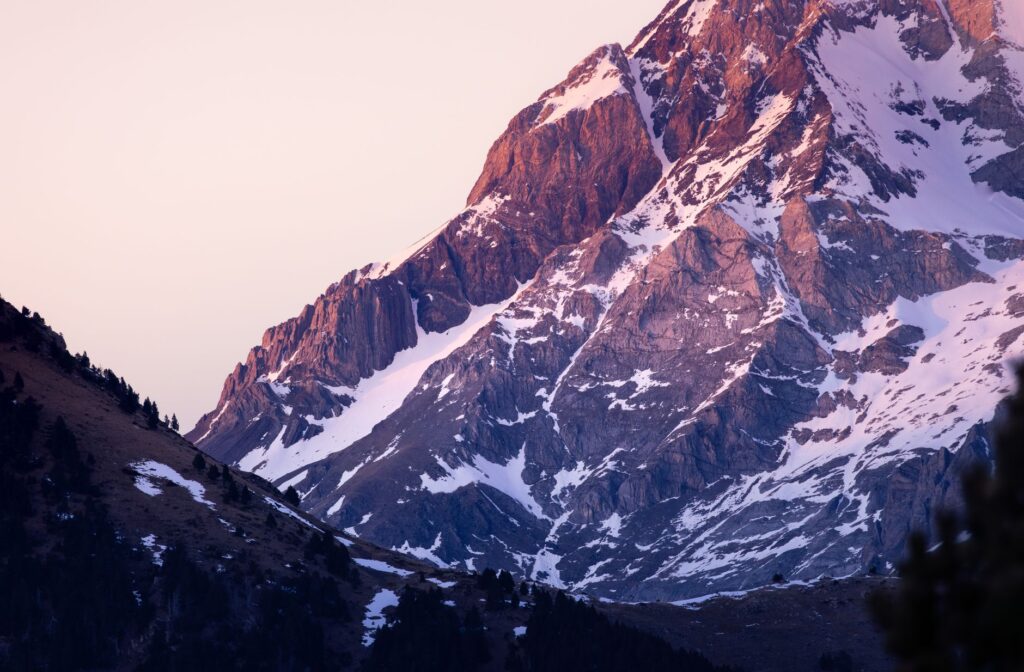
High-mountain thermalism does not seek ostentatious luxury, but the restoration of physiological balance through human-scale architecture and geographical isolation.
Far from urban wellness concepts designed around immediacy, Panticosa’s infrastructure forces visitors to traverse granite corridors and galleries where the constant echo of flowing water acts as a natural metronome. The layout of current thermal spaces, redesigned by contemporary architects without altering historical volumes, prioritizes dim lighting, acoustic silence, and direct contemplation of black pine forests.
This communion between architectural heritage and surrounding geology transforms the stay into an exercise in introspection. Each floor of the spa buildings responds to a functional logic oriented toward clinical hydrotherapy, where temperature, hydrostatic pressure, and mineralization act synergistically upon the human organism.
The Living Chemistry of the Springs
To understand Panticosa’s true value, one must analyze the composition of its minerometallic waters from a scientific and rigorous perspective. The sulfurous and sodium bicarbonate waters of the Tiberio spring, for instance, stand out for their high antioxidant capacity and anti-inflammatory action on connective tissue and respiratory tracts.
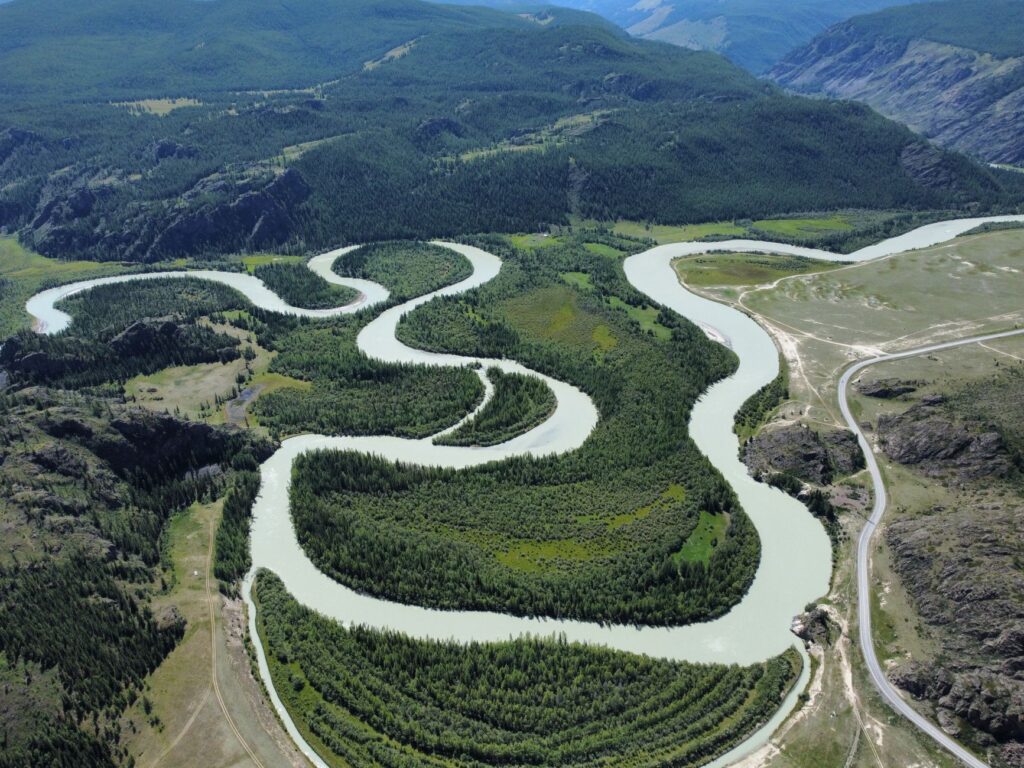
The process by which these waters emerge involves a millennial journey. During underground transit, the fluid interacts with plutonic rocks, dissolving trace elements that act at the cellular level when contacting human skin. This exchange is not merely aesthetic; it triggers neuroendocrine responses that lower cortisol levels and relieve muscle tension accumulated from chronic stress.
Medical teams and climatotherapists operating in the area oversee immersion and drinking protocols tailored to each visitor’s physiological needs, steering the experience away from purely commercial drift. Here, thermalism recovers its original clinical and preventive vocation, backed by decades of analytical records and scientific observations.
Silence as a Therapeutic Resource
In an era dominated by digital overstimulation and acoustic saturation, the upper Tena Valley offers an increasingly scarce commodity: absolute silence. Isolated from major communication highways and surrounded by peaks exceeding three thousand meters, the spa functions as a natural resonance chamber where the prevailing sound is the murmur of the Caldarés River and wind through conifers.
Neuroscientists specializing in natural environments note that continuous exposure to high-mountain landscapes with low light and acoustic density aids the recovery of the human brain’s prefrontal cortex, the area responsible for sustained attention and decision-making. This process, known as attention restoration, is enhanced by involuntary digital disconnection due to the complex topography of the valley.
Walking along paths starting from the spa toward upper tarns with no company other than one’s breathing rhythm constitutes a form of active meditation. The physical demands of altitude force absolute concentration on the body, dispersing mental rumination and generating a state of deep presence that endures far beyond the valley stay.
The Rhythm of the Seasons in the Glacial Cirque
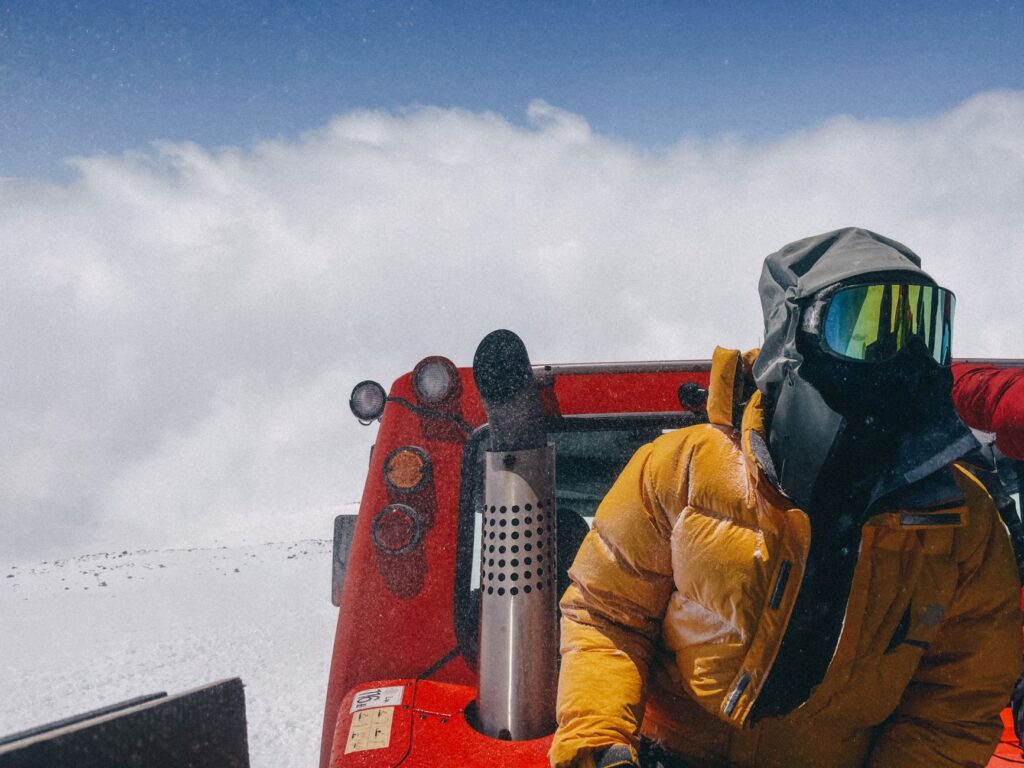
The Panticosa experience mutates radically according to the seasonal cycle, demanding an adaptability from travelers rarely required in contemporary tourism. While the central summer months offer green meadows and snow-free access to high-mountain routes, winter imposes an almost monastic isolation where the complex is embraced by thick white layers.
During winter months, reaching the spa becomes a controlled journey across roads permanently monitored by mountain road maintenance teams. This extreme seasonality endows the place with unwavering authenticity, where services are reduced to essentials and community life revolves around steaming thermal pools and wood stoves.
Far from constituting an inconvenience, this climatic rigor acts as a natural filter selecting travelers willing to forgo urban comfort in pursuit of profound introspection. The winter landscape, dominated by immaculate white and the metallic blue of the Pyrenean sky, reinforces the sensation of existing in a realm suspended outside conventional time.
Gastronomy of the High Frontier
The physical recovery fostered by thermal waters finds its necessary complement in a local pantry deeply rooted in mountain geography. The cuisine of the Alto Gállego dispenses with modernist artifice to offer caloric, nutritious products tied to extensive livestock farming and seasonal foraging.

Eating in the Aragonese Pyrenees is an act of cultural survival; each dish condenses the memory of shepherds, smugglers, and botanists who learned to extract sustenance from harsh terrain.
Highland-pastured lamb, hearty garlic soups, wild mushrooms harvested from surrounding beech forests, and artisan cheeses made from raw sheep’s milk formulate a culinary proposal respecting the slower digestion recommended after thermal baths. Local restaurants operate under a philosophy of true zero-kilometer sourcing, conditioned by difficult access and commitment to Tena Valley producers.
This resistance cuisine does not seek to impress the palate through impossible contrasts, but to comfort the body after exposure to cold or trekking across Pyrenean slopes, closing the physical wellness cycle with high-energy nutrients and unalterable flavor.
Practical guide
How to get there: The main access to Balneario de Panticosa is via the A-136 regional road, turning off at the village of Panticosa onto the narrow route ascending parallel to the Caldarés River. During winter months, carrying snow chains or winter tires is mandatory due to ice and rockfall risks.
Best time to visit: June and September offer the perfect balance between high-mountain trail accessibility and moderate temperatures. For lovers of extreme silence and radical thermal contrast, the core weeks of January and February are unmatched.
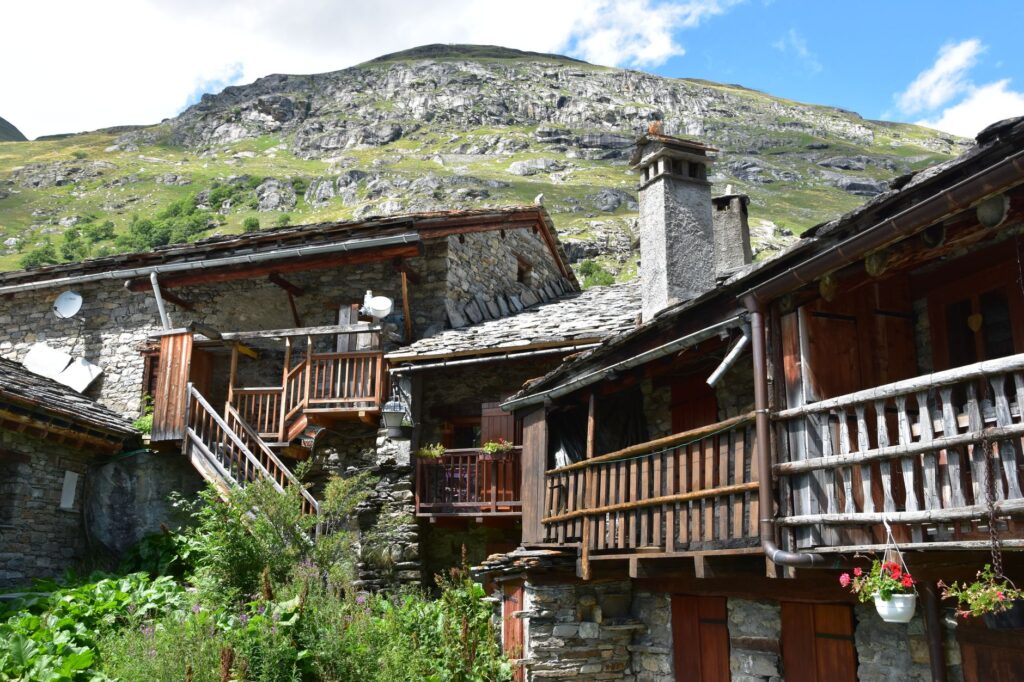
Accommodation: Hotel options concentrate within the thermal complex itself, notably the Gran Hotel de Panticosa and Hotel Continental, both designed to integrate rest with thermal circuits supervised by medical staff.
Health requirements: Use of thermal circuits requires prior reservation. Consulting the spa’s medical service is advised in cases of severe cardiovascular pathologies or uncontrolled hypertension due to altitude and water temperature.
The Invisible Pulse of the Rock
When dusk falls over the Panticosa cirque and the final sunlight fades on granite peaks, the valley recovers its primordial pulse. In the dim light of outdoor pools, with bodies submerged in warm water and faces lashed by high-altitude winds, visitors experience a rare form of fulfillment transcending mere vacation rest.
There are no strident wakeup calls or prefabricated animation programs; only the living matter of the earth filtering through skin and the constant reminder that nature, in its most extreme expressions, continues to shelter spaces capable of returning us to the exact measure of our human fragility.