
Origins and Geography of the Rhône Railway Corridor
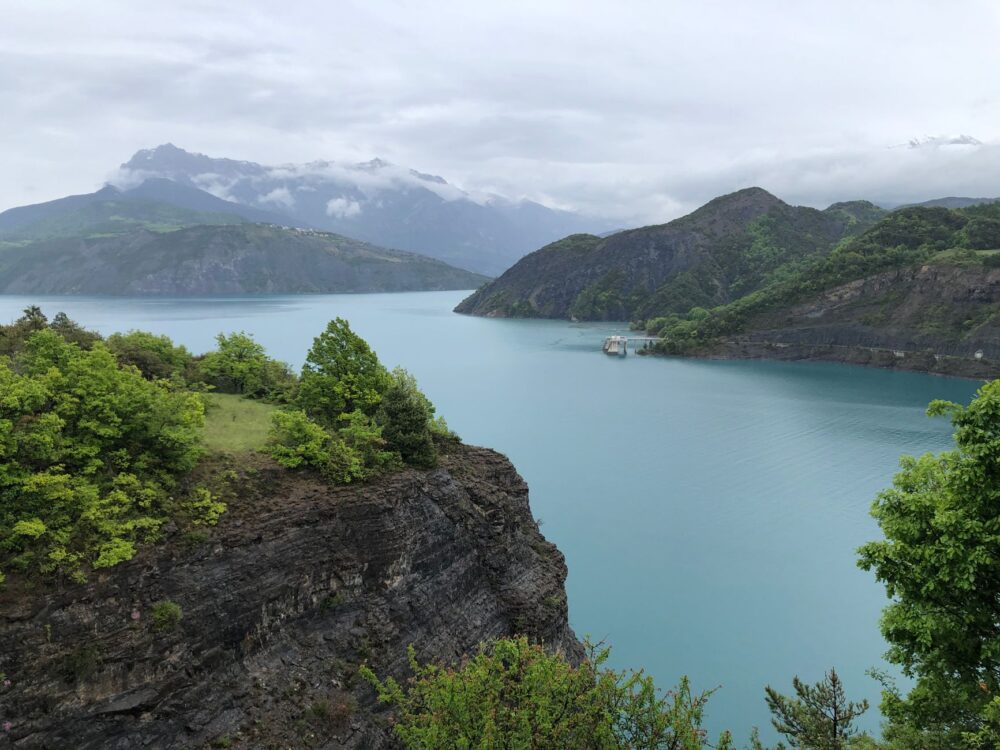
The territory crossed by the Rhône railway corridor is not merely a communication route; it is a strip of civilization sculpted by the flow and persistence of one of Europe’s most powerful rivers. From the ice calving of the Rhône Glacier in the Swiss Alps to its discharge into the muddy channels of the Camargue, the railway line accompanying its course acts as a silent witness to territorial transformation. Over the centuries, this valley has functioned as the main artery between the continental north and the Mediterranean, uniting cultures and economies through an infrastructure network that today defies the most complex topography with Swiss precision and French robustness.
Understanding the magnitude of this route requires looking beyond the windows of modern rolling stock. The main railway line, operated in coordinated fashion between Helvetian and Gallic networks, unfolds over century-old embankments that once bypassed marshes, seasonal floods, and limestone gorges. Each stretch of track preserves the memory of nineteenth-century engineers who calculated gradients down to the millimeter to allow the safe transit of heavy freight and passengers seeking southern sunshine. This is not an ornamental journey, but a critical infrastructure sustaining the daily pulse of millions of citizens across two nations.
Engineering Facing Fluvial and Alpine Fury
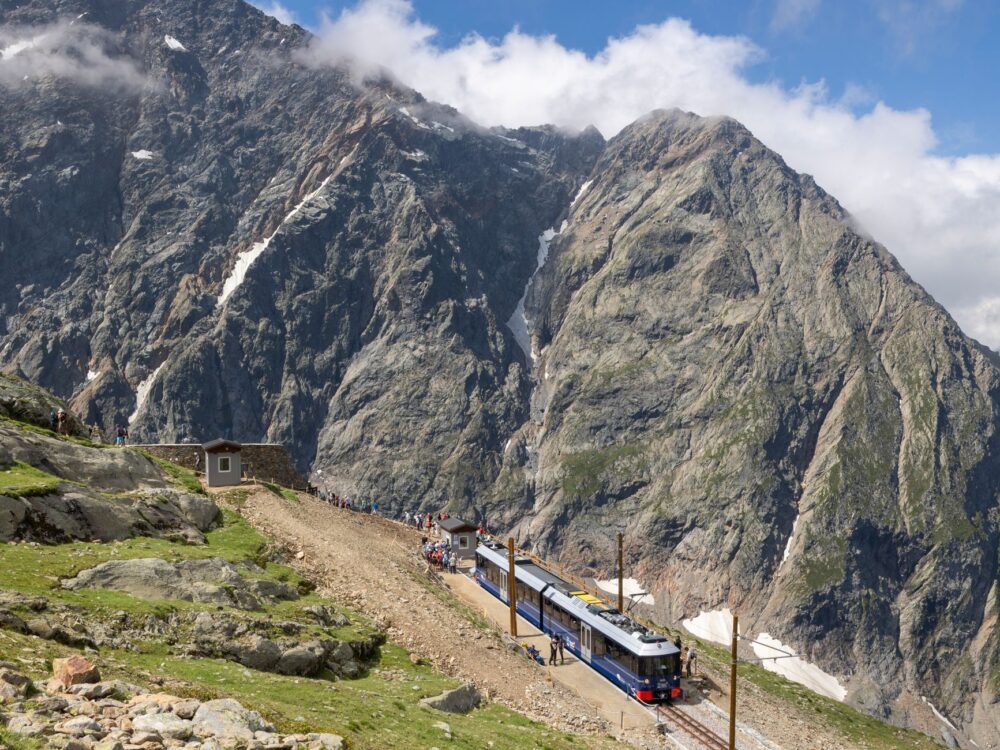
The railway layout along the Rhône is jurisdictionally conditioned by the capricious hydraulics of the river. In the upper alpine sections, engineers had to contend with avalanches and entire slope landslides, forcing the construction of reinforced concrete avalanche sheds and cyclopean retaining walls. As the train descends toward the middle valley, the challenge changes nature: the danger is no longer vertical rock, but the instability of alluvial terrain and flash floods triggered by spring thaws and Mediterranean storms.
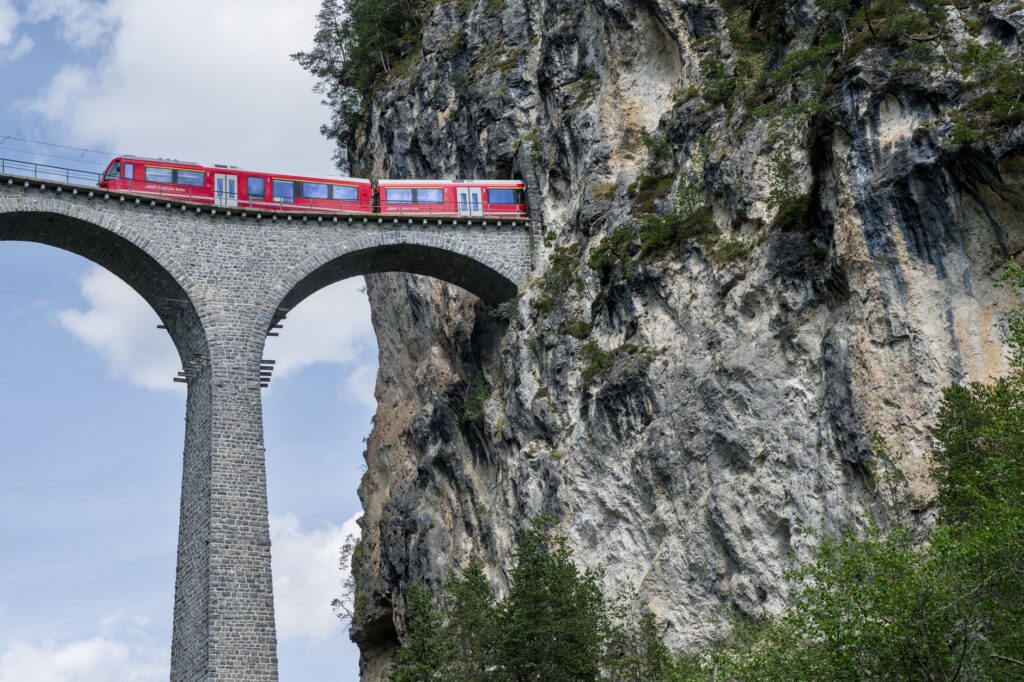
To mitigate these threats, railway companies constantly invest in real-time geotechnical monitoring systems. Laser sensors installed on slopes and early warning systems wired directly to track signals ensure that any anomalous ground movement halts high-speed and regional trains before an incident occurs. This symbiosis between 21st-century cutting-edge technology and the original 19th-century layout demonstrates how civil engineering evolves without renouncing the territorial heritage that gives it meaning.
Historic Stations: Nodes of Identity and Commerce
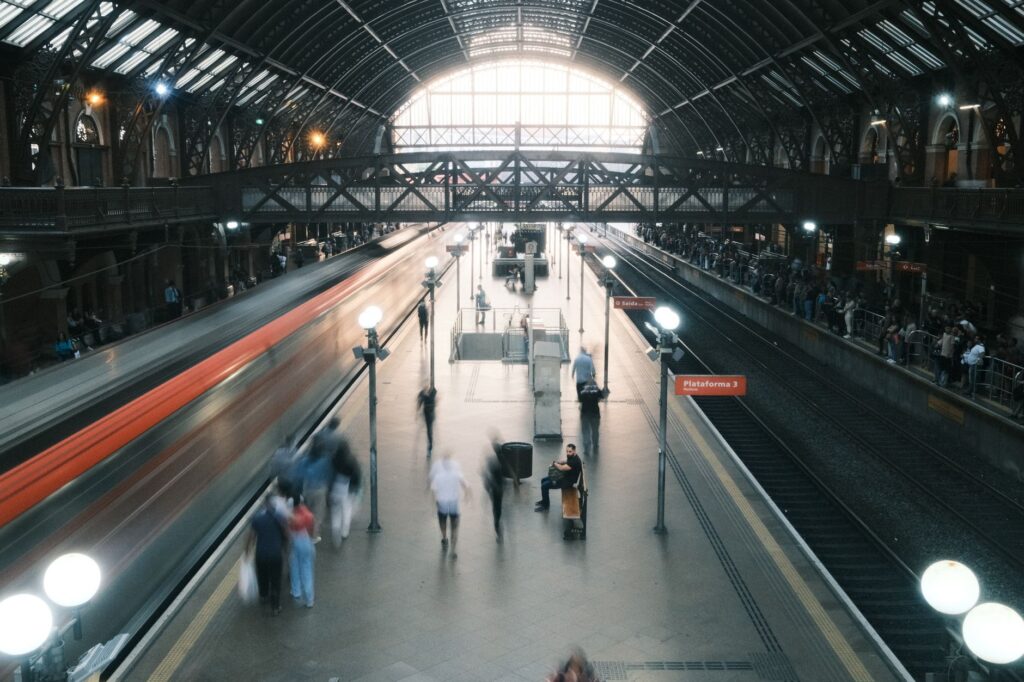
The stations marking the Rhône route are much more than technical stops; they function as authentic nerve centers where industrial architecture, working-class memory, and local commerce converge. From the alpine sobriety of Brig to the monumental scale of Avignon or Lyon, each terminal reflects the economic personality of its surroundings. On these platforms, international travelers mingle with commuters in a constant choreography repeated with Swiss punctuality and French pragmatism.
In many of these cities, stations have undergone deep urban regeneration processes without losing their heritage character. Old freight warehouses and loading docks have been transformed into cultural centers, local produce markets, and business incubators linked to sustainable mobility. This architectural recycling underscores the capacity of railway infrastructure to reinvent itself as integrated public spaces, returning a lost centrality to neighboring districts threatened by highway dominance.
The train does not merely unite geographical points on a map; it weaves an invisible web of economic and cultural dependencies that turns the valley into a living organism, where every station is an essential heartbeat.
The Landscape Transition: From Glaciers to Provençal Vineyards
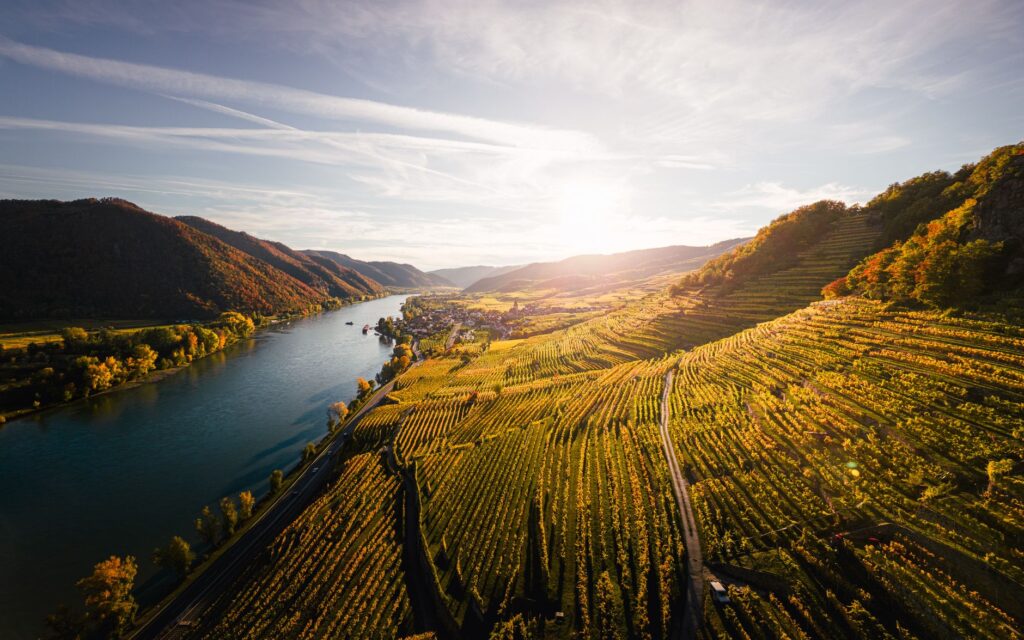
One of the most fascinating experiences of this railway corridor is the radical visual metamorphosis experienced by the traveler in just a few hours of travel. The journey begins under the imposing shadow of snowy peaks and intense green alpine meadows, where water runs crystal clear and cold. As the convoy accelerates southward, the landscape dries and opens up, giving way to vineyard terraces climbing the sunny slopes of the middle valley, famous for the quality of its wines and millennia-old winemaking traditions.
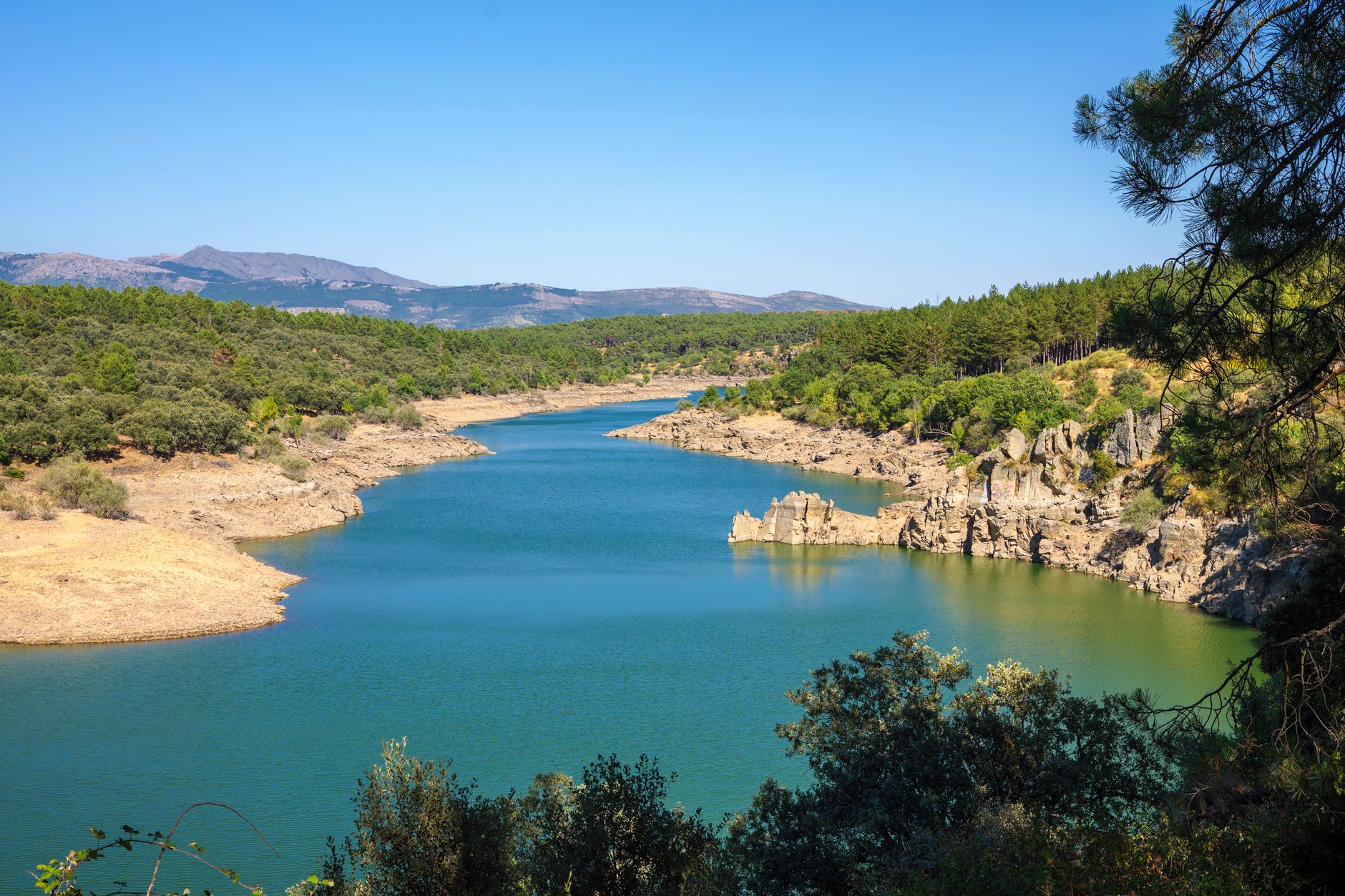
Further ahead, the landscape enters Provence, where lavender fields, centuries-old olive groves, and red-clay roofs dominate the horizon under a limpid light that has captivated generations of painters. The railway runs parallel to historic irrigation channels and sumptuous stone bridges crossing the widened river. This chromatic and ecological transition turns the journey into a lesson in living geography, where water acts as the guiding thread explaining the fertility and agricultural vocation of the entire region.
Cross-Border Coordination and Sustainable Mobility
Managing a railway corridor crossing national borders and complex administrative regions requires a titanic exercise in technical diplomacy and logistical planning. Swiss and French railway operators maintain permanent operational agreements to ensure that transfers at border hubs are seamless, minimizing waiting times and unifying digital ticketing systems. This integration is fundamental to consolidating the railway as a real and efficient alternative to European highway congestion.
Within the framework of European climate policies, the Rhône line stands as a model for decarbonizing heavy passenger and freight transport. The use of electricity sourced 100% from renewable sources—primarily hydroelectric power generated within the alpine valleys themselves—drastically reduces the carbon footprint of the corridor. Annual sustainability reports from partner networks confirm a steady shift of users from aviation and private cars toward trains, driven by schedule reliability and the comfort of a service prioritizing ecological transition without sacrificing economic competitiveness.
Life Onboard: The Slow Pace of the Modern Traveler
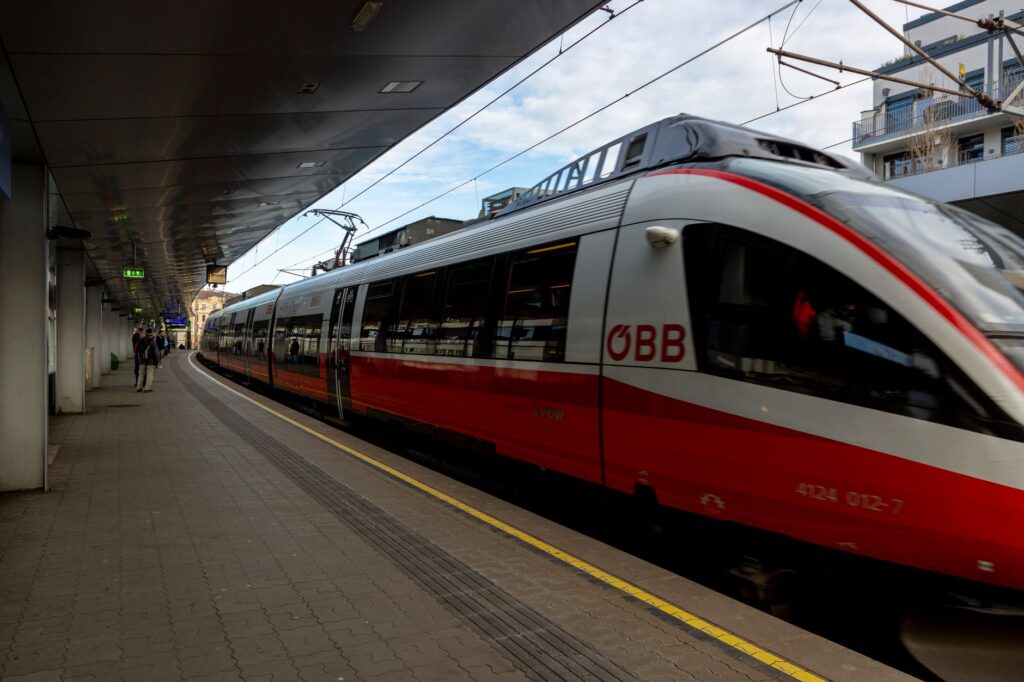
Faced with the suffocating urgency of contemporary air travel, the journey along the Rhône restores the value of time as a recoverable luxury. Aboard the carriages, the rhythm of the landscape invites reading, contemplation, and unhurried conversation. The large panoramic windows of modern trains are specifically designed to maximize visual immersion in the environment, allowing passengers to observe medieval castles perched on cliffs as well as modern solar energy installations dotting southern fields.
The onboard culinary experience also pays tribute to the territory, incorporating protected designation of origin products from the crossed regions into cafeteria and dining services. Raw milk alpine cheeses, artisan breads from riverside villages, and selected wines from local denominations turn every meal into an act of cultural discovery. Thus, the train journey transforms into a holistic experience stimulating all senses and reconciling the passenger with the intrinsic pleasure of movement.
Traveling along this corridor is an exercise in resisting haste; a reminder that the journey is a substantial part of the experience and that the landscape deserves contemplation without digital filters.
Practical guide
- Route and Schedule Planning: Consult the official SBB (Switzerland) and SNCF (France) planners to synchronize international connections without margin for error.
- Best Time to Travel: Spring months (May and June) and early autumn (September and October) offer optimal temperatures and lower tourist crowding.
- Seat Selection: To maximize scenic views heading south, try booking seats on the right side of the convoy in the alpine section and on the left side when entering Provence.
- Recommended Luggage: Opt for medium-sized, easily manageable suitcases; although stations feature ramps, some historic terminals retain original staircases.
- Connectivity and Tickets: Purchase combined cross-border passes in advance to benefit from reduced fares and ensure flexibility on regional legs.
- Environmental Respect: Minimize your ecological footprint by using reusable bottles and respecting the protected natural areas flanking the railway line.
- Local Gastronomy: Be sure to taste mountain cheeses at Swiss stops and extra virgin olive oils in markets near Provençal stations.
Visual Epilogue: The Final Reflection on the Delta Water
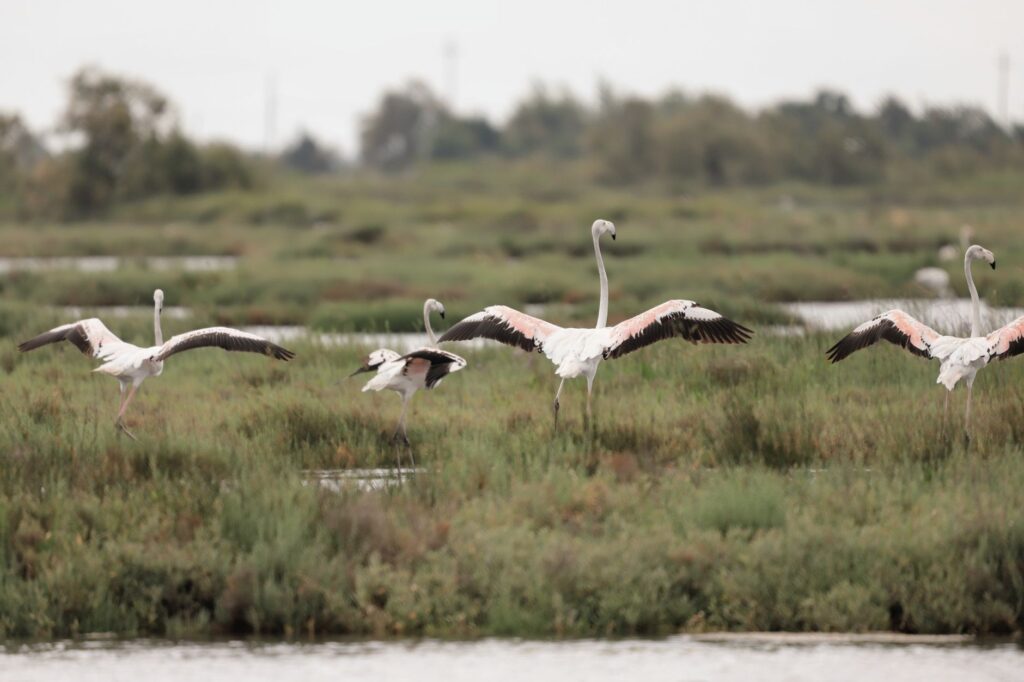
When the train undertakes its final kilometers and enters the vast expanses of the Camargue, the light acquires an almost magnetic density that seems to suspend time. Through the windows, the water mirrors of the marshes reflect the twilight sky in ocher, mauve, and golden tones, while flocks of pink flamingos take flight in perfect synchrony. It is the definitive visual close for a journey that began among the perpetual snows of alpine giants and now concludes in the brackish immensity of the Mediterranean.
In this final stretch, the rhythmic clatter of bogies over rails merges with the distant murmur of the sea wind, creating an atmosphere of deep introspection. The traveler then understands that the true essence of this route lies not merely in the technical perfection of its engineering or the efficiency of its logistical management, but in its inexhaustible capacity to connect wild nature with human history. Remaining silent before this aquatic horizon is the most honest tribute to a territory that, kilometer by kilometer, continues writing its legend upon two parallel lines of steel.