The phenomenon of European repopulation through financial incentives
Contemporary European demographics face one of their most complex challenges: rural exodus and accelerated population aging in peripheral, mountainous, or island regions. While large continental metropolises experience unsustainable housing pressure and high costs of living, numerous towns and small communities grapple with the gradual closure of schools, health centers, and local businesses. To reverse this trend, local and national administrations have begun deploying demographic attraction programs combining non-refundable grants, housing acquisition aid, and tax breaks aimed at citizens willing to put down roots in these territories.
Unlike golden visas oriented toward major investors or purely touristic initiatives, these repopulation policies aim to revitalize the real social and economic fabric of declining areas. Beneficiaries of these schemes typically commit to permanent residency, official registration, and, in many cases, the renovation of abandoned properties or the launch of local professional activities. This strategy not only alleviates the demographic crisis but promotes a more balanced and sustainable model of territorial development across the continent.
Italy and the revitalization of its historic villages
Italy is perhaps the most visible and widely reported example of this trend. Various regions across the peninsula, from the sunny south to the northern Alpine valleys, have launched bold initiatives to attract new residents. Celebrated cases such as Calabria or specific towns in Sardinia and Abruzzo have offered direct cash sums or symbolic one-euro homes, under the strict premise that the buyer invests in their renovation within a set timeframe.
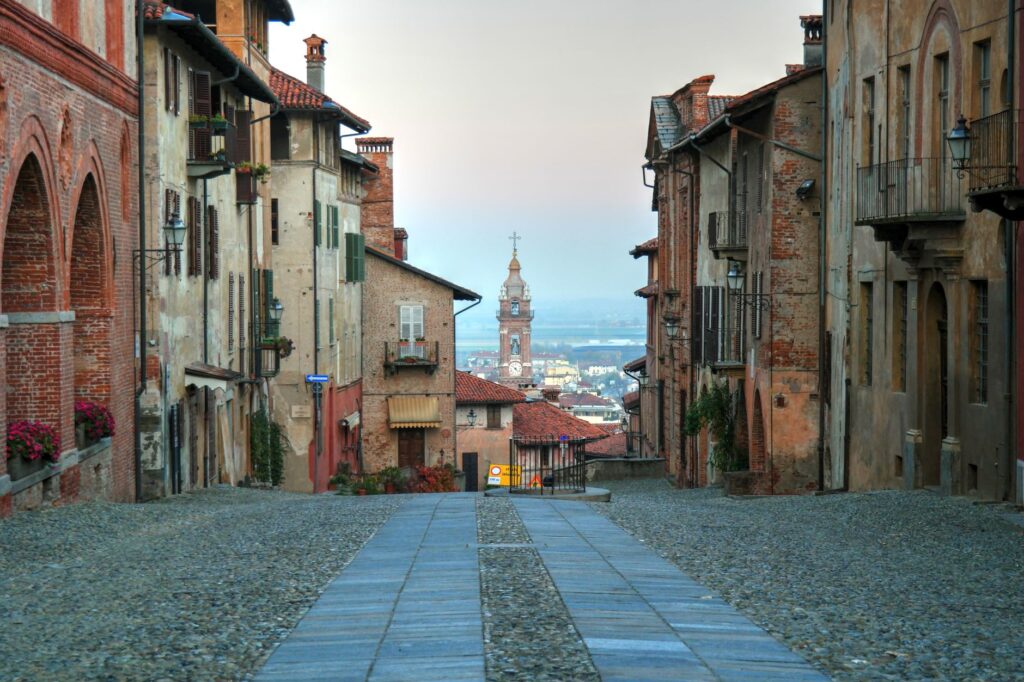
These measures respond to the urgent need to rescue a unique architectural and cultural heritage at risk of being lost. However, experts warn that the process demands careful bureaucratic planning. Financial aid is often subject to rigorous requirements, such as proving a minimum income level, presenting a renovation project endorsed by local architects, or committing to reside for a minimum period of three to five years. Far from being an unconditional gift, it is a co-investment in the future of rural communities betting on cultural diversity and external talent.
Eligibility criteria and residency commitments
Accessing these European incentive programs requires meeting a strict set of regulations that vary significantly by country, region, and municipality. First, applicants must sort out their legal immigration status. For non-EU citizens, this entails previously obtaining a valid residence visa, such as an elective residency visa or visas for remote workers and freelancers, since simply receiving a grant does not exempt anyone from complying with Schengen area immigration laws.
Furthermore, administrations generally prioritize specific profiles that guarantee the economic sustainability of the new resident. Favorable consideration is given to independent professionals, digital nomads with stable foreign-generated incomes, families with school-age children, or entrepreneurs willing to open businesses that cover local needs, ranging from artisanal workshops to technological services. The institutional goal is to avoid creating ghost urbanizations or second homes left empty most of the year.

Socioeconomic impact on receiving communities
The arrival of new inhabitants in traditionally aging communities generates profound transformations on both economic and social levels. On one hand, the injection of fresh capital revitalizes local real estate markets, encourages the hiring of labor for construction, and stimulates demand for basic services. On the other hand, cultural diversity brings dynamism and fresh perspectives to rural environments that occasionally showed resistance to change.
However, this process is not without tension. In some municipalities, increased housing demand has begun to drive up local prices, causing concern among lifelong residents. Likewise, linguistic and cultural integration represents a daily challenge for newcomers, who must adapt to community lifestyles vastly different from those of large cosmopolitan cities. The key to success lies in transparent local governance that balances attracting external talent with protecting the welfare of the native population.
Infrastructure and digital connectivity in rural environments
One of the determining factors for the long-term success of these repopulation programs is the state of basic infrastructure and, very notably, digital connectivity. For decades, geographical isolation was the primary cause of abandonment in these enclaves. Today, the expansion of fiber-optic networks and improvements in regional road and rail communications are redrawing the map of opportunity.

Governments aware of this reality are channeling recovery funds toward the digitalization of rural public services, the installation of shared workspaces, and the improvement of local public transport. For a professional working remotely, the guarantee of a high-speed internet connection is just as important as the beauty of the surrounding landscape or the amount of the initial subsidy. Without these tools, the sustainability of the migratory project weakens over the medium term.
Demographic attraction policies do not seek to colonize territory, but rather to weave alliances between European historical heritage and contemporary global talent.
Bureaucratic challenges and administrative realities
The initial enthusiasm generated by headlines about towns paying people to move often clashes with the complex European bureaucratic reality. Procedures to apply for these grants involve submitting exhaustive documentation, obtaining local tax identification numbers, opening bank accounts, and frequently navigating labyrinthine regional regulations drafted exclusively in the country’s official language.
Legal advisors strongly recommend securing local representation or specialized managers before making any investment or definitive relocation. Disbursement timelines for aid also vary; in many cases, money is not handed over in advance, but rather delivered as reimbursement after certifying the completion of renovation work or fulfilling the first twelve months of effective municipal registration. Patience and prior financial solvency are therefore requirements just as indispensable as the visa.
Long-term sustainability versus seasonal tourism
Unlike destinations overcrowded by sun-and-sand tourism or short-term vacation rentals, repopulation initiatives prioritize permanence and continuous community fabric. The institutional objective is to prevent these towns from turning into seasonal theme parks that empty out during the winter months. The presence of permanent residents guarantees the continued operation of schools, medical clinics, and small neighborhood shops.
This regenerative approach fosters more respectful and sustainable tourism, where visitors interact with a living and diverse community. The preservation of agricultural traditions, local gastronomy, and artisanal trades finds unexpected yet committed guardians in new settlers, ensuring the intergenerational transmission of an inestimable cultural legacy.

Practical tips for evaluating a subsidized move
Before deciding to relocate to a European region offering financial incentives, it is essential to conduct a rigorous analysis that transcends the appeal of the advertised figure. International mobility experts advise following a series of methodical steps to minimize risks and maximize adaptation potential:
- Regulatory research: Verify legal visa requirements, tax residency, and specific contractual obligations tied to the subsidy.
- Extended exploratory visit: Spend at least several weeks in the locality during the off-season to experience the actual climate, social dynamics, and service accessibility.
- Independent economic viability: Secure an independent source of income that does not rely exclusively on the local labor market, which is typically limited in rural areas.
- Linguistic commitment: Begin learning the local language prior to relocation to facilitate community integration and bureaucratic paperwork.
- Specialized legal counsel: Hire a local attorney or manager to review real estate purchase contracts and grant repayment clauses.
Investing in a new rural life in Europe demands both financial rigor and emotional openness toward communities with deeply rooted identities.
In conclusion, financial incentive programs for repopulation in Europe represent a fascinating opportunity for those seeking a profound lifestyle change, stepping away from urban stress and connecting with high-value natural and historical environments. Nevertheless, these initiatives demand maturity, financial planning, and absolute respect for local regulations and the idiosyncrasies of the communities opening their doors. Far from being magical solutions, they constitute a demanding yet rewarding bridge toward a more balanced future.
Source in English: Oneika the Traveller