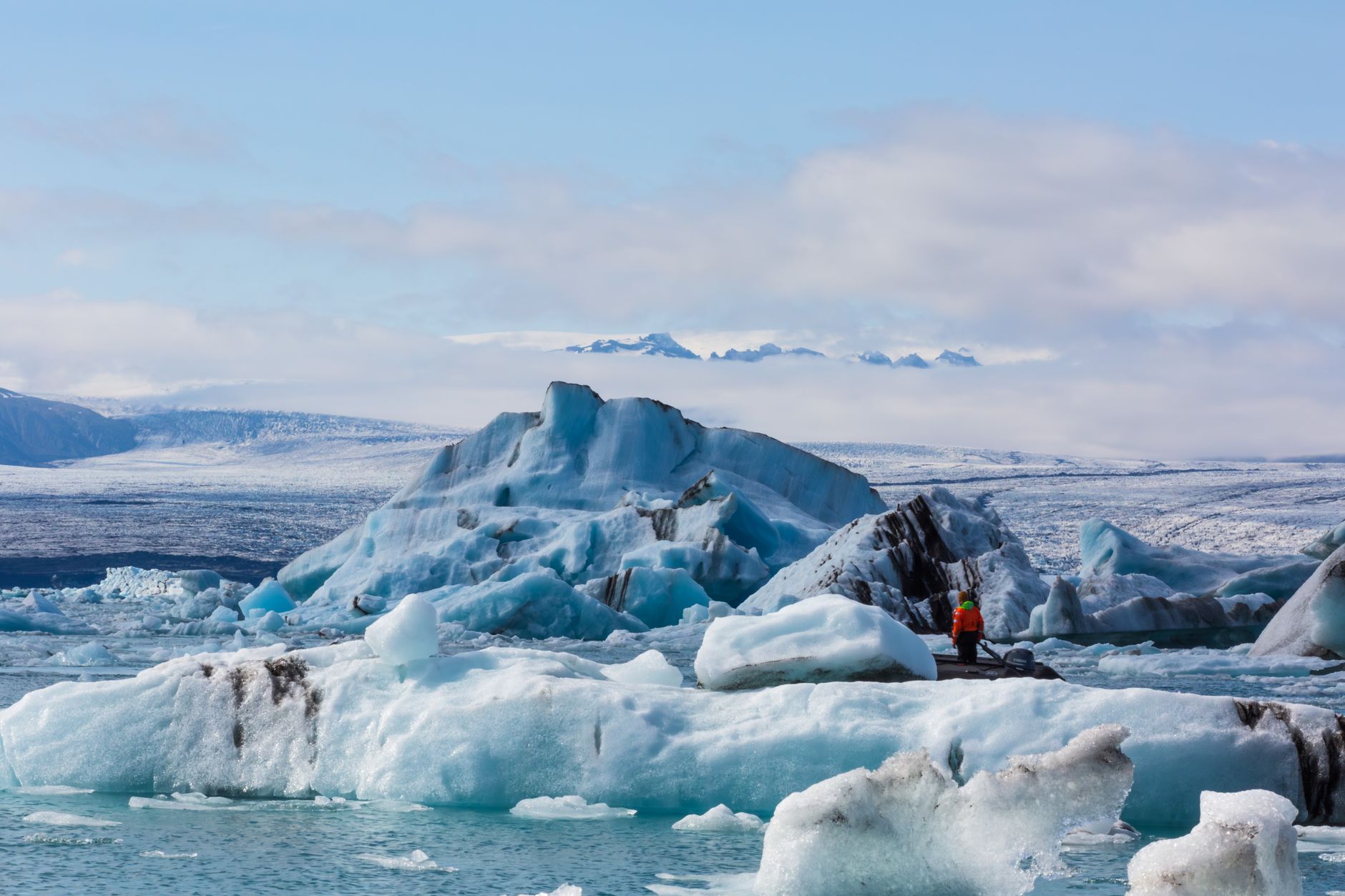

The Fleeting Fever of Ancient Ice
In southern Iceland, where Atlantic winds whip across volcanic ash plains and ancient ice recedes meters each season, a form of tourism as fascinating as it is unsettling has emerged. It is no longer just about contemplating white immensity from traditional viewpoints, but about inhabiting the phenomenon before it becomes extinct. Expeditions deep into glaciers have transformed into stages for ultra-luxury experiences, including clandestine concerts and electronic music raves organized inside natural ice caves. This phenomenon, dubbed by sociologists as last-chance tourism, attracts travelers willing to pay exorbitant rates for the privilege of dancing on a surface thawing at an accelerated pace.
The allure of the ephemeral acts as a powerful psychological engine. Knowing a natural landscape has an expiration date accelerates the desire for consumption. Event organizers harness this urgency to design exclusive experiences where remoteness and logistical difficulty become primary status symbols. Yet, behind the avant-garde aesthetic and the promise of exclusivity lies an obvious paradox: the carbon footprint generated by the logistics of these celebrations accelerates the very process of degradation attendees hope to witness one last time.
Landscape Transformation and the Psychology of Loss
The Icelandic territory has undergone a drastic shift in its relationship with international visitors over the past decade. Mass tourism forced local authorities to rethink conservation strategies, prioritizing sustainability over unchecked growth. Nevertheless, the most exclusive niches have found legal and operational loopholes to access remote areas via superjeeps, helicopters, and heavy vehicle caravans penetrating deep into the Langjökull and Vatnajökull glaciers.
Last-chance tourism turns climate urgency into a high-end consumer product, where the privilege of witnessing extinction is commercialized without questioning underlying causes.
To grasp the magnitude of this shift, it is necessary to examine how the perception of ice has evolved in contemporary culture. What was once considered an indomitable and dangerous geographical obstacle is now romanticized as a fragile sanctuary worthy of reverence, even if under the flash of laser lights and high-power sound systems. This commodification of the end of the world raises profound questions about the ethics of modern travel and the responsibility of those who design and consume these offerings.
Extreme Logistics and the Hidden Cost of Exclusivity
Organizing a party or cultural event inside or on the margins of a glacier requires colossal technical infrastructure. Transporting lighting equipment, diesel generators, and technical personnel over unstable terrain entails considerable operational risks. Added to this is the acoustic and luminous impact on highly fragile ecosystems, where local fauna and subglacial microlife suffer the consequences of intensive human activity during nighttime hours.
Local adventure tourism companies grapple with the economic necessity of capturing extraordinary revenue and the ethical commitment to preserving the environment. While some agencies promote regenerative tourism and low-impact small groups, others yield to the demand for hyperbolic experiences promising exclusivity at any price. This duality reflects the constant tension between heritage conservation and the global market’s insatiable appetite for unique, unrepeatable experiences.
The Role of Technology and Social Media
In the digital age, social validation plays a decisive role in the proliferation of these experiences. A rave inside an ice cave is not merely a musical event; it is a visual asset designed to project status on global platforms. The ability to broadcast live from the heart of a retreating glacier generates an attention loop that attracts new cohorts of travelers eager to star in unrepeatable moments.
This media consumption distorts the geological reality of the place. Ice ceases to be a millennial climate archive and becomes a temporary set, a natural cinematic backdrop serving as props for ostentation. The disconnection between environmental fragility and theatricality perpetuates a narrative where nature exists exclusively for human entertainment.
Regulations and the Response of Icelandic Authorities
Faced with growing pressure on glaciers and protected areas, the Icelandic government and various environmental organizations have tightened regulatory frameworks. Severe restrictions have been implemented on motorized vehicle use in sensitive areas, special permits are required for any commercial activity on ice, and the carrying capacity of the most vulnerable sites is closely monitored.
- Ban on unauthorized mass events in nature reserves and glacier caps.
- Mandatory environmental impact assessments for tourism projects in permafrost zones.
- Increased penalties for operators violating conservation regulations.
- Promotion of educational programs to raise visitor awareness about real climate change.
Despite these measures, enforcement in such vast and remote territories remains complex. Audacious organizers resort to decentralized rollouts and last-minute notices to dodge administrative controls, operating in a gray legal area that hampers effective enforcement of environmental protection laws.
The Ethical Dilemma of the Contemporary Traveler
Traveling to Iceland today demands deep reflection on the personal impact of each journey. The concept of conscious tourism faces a fundamental contradiction when applied to destinations threatened by global warming. Is it legitimate to visit a glacier knowing the journey contributes to its disappearance? Or is direct presence the only path to generating global consciousness capable of demanding structural political changes?
The true test of the modern traveler does not lie in reaching the most inaccessible corner before it vanishes, but in knowing how to renounce that whose existence compromises the survival of the place.
Sustainable tourism experts suggest the answer does not lie in absolute prohibition, but in a radical transformation in how we relate to destinations. This implies prioritizing extended stays, supporting low-impact local economies, drastically reducing polluting vehicle travel, and accepting that certain modern luxuries are incompatible with planetary preservation.
Alternatives Toward Truly Regenerative Tourism
Against the rise of experiences based on haste and ephemeral consumption, initiatives championing deceleration and profound respect for natural rhythms are flourishing. Local communities in northern and eastern Iceland are recovering traditional lodging and guiding practices that integrate visitors into the daily lives of fishing and agricultural villages, keeping them away from overexploited enclaves.
These proposals demonstrate that it is possible to enjoy the indomitable beauty of the island without resorting to extreme artifices. Pause-filled observation of geology, respect for landscape silences, and scientific comprehension of natural processes offer experiential richness far superior to any mass event canned for social media.
Practical Guide for Responsible Travel to Iceland
Planning a trip to Iceland today requires informational rigor and a firm commitment to sustainability. Below are essential aspects for organizing a visit respectful of the environment and compliant with current regulations.
Best Time to Visit and Avoiding Overcrowding
Shoulder months, such as May and September, offer optimal conditions to explore the country with fewer visitor crowds. During winter, access to certain glacier areas is extremely dangerous and requires certified guides.
Safety Rules and Glacier Access
Ice caves or glacier surfaces should never be accessed without proper equipment and the company of a certified local guide. Risks of calving and hidden crevasses are constant and magnified by climate change.
Transportation and Sustainable Mobility
Renting electric or hybrid vehicles when route conditions permit is recommended, along with using scheduled regular buses for travel between main regions, minimizing individual carbon footprints.
The Legacy of Ice and Our Future Responsibility
Iceland’s glaciers are neither mere tourist attractions nor disposable backdrops for global entertainment; they are living archives of Earth’s climatic history and silent guardians of a fragile ecological balance. The fascination they exert upon us should translate into an active commitment to protection, rather than a desperate race to consume them before extinction. The true luxury of the 21st century no longer consists in accessing the inaccessible, but in learning to preserve what remains.
Source: Adapted from Condé Nast Traveler (https://www.cntraveler.com/story/the-last-chance-tourism-of-icelands-glacier-raves)