The High Valleys Where Time Is Measured in Grain Cycles
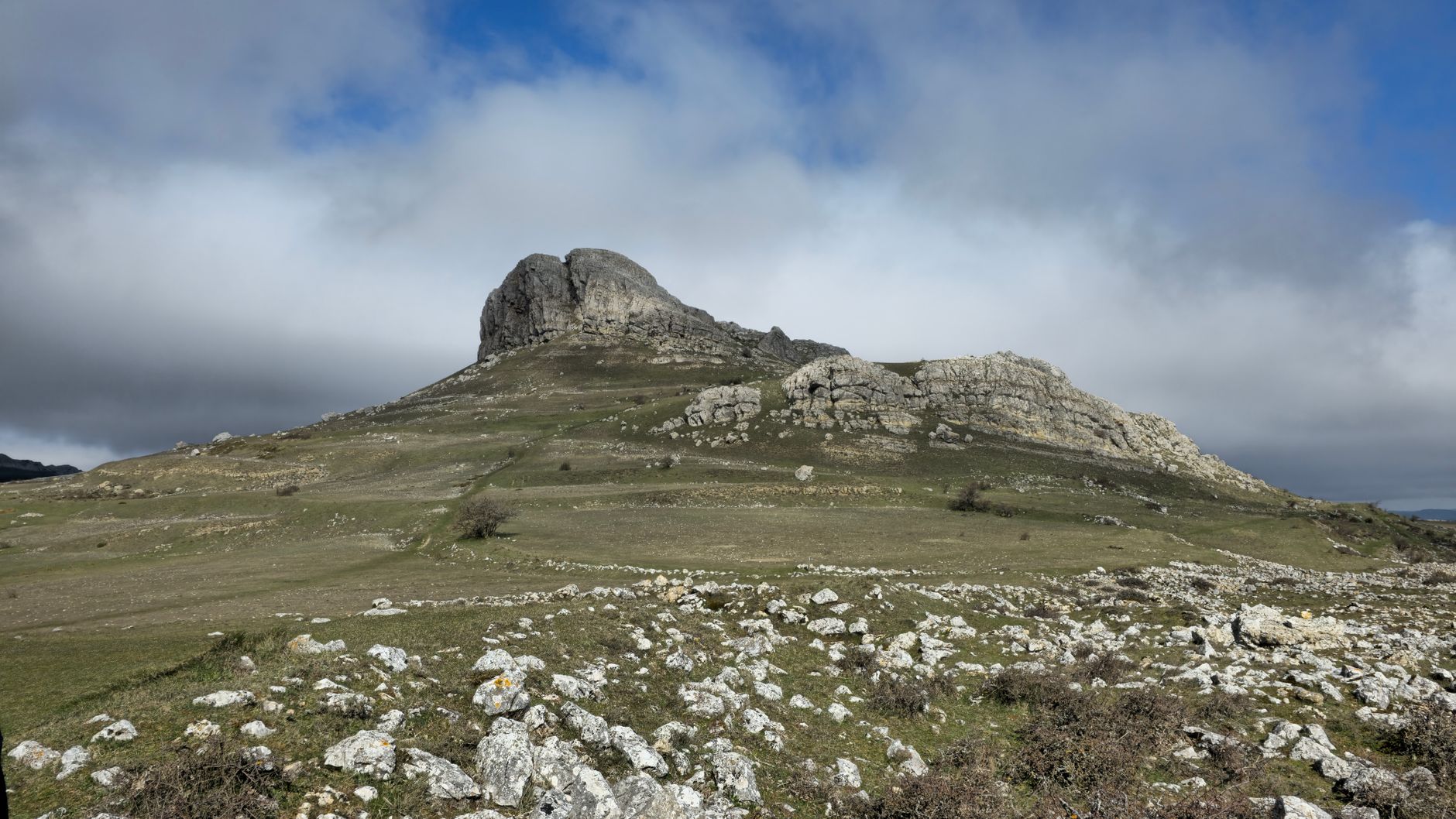
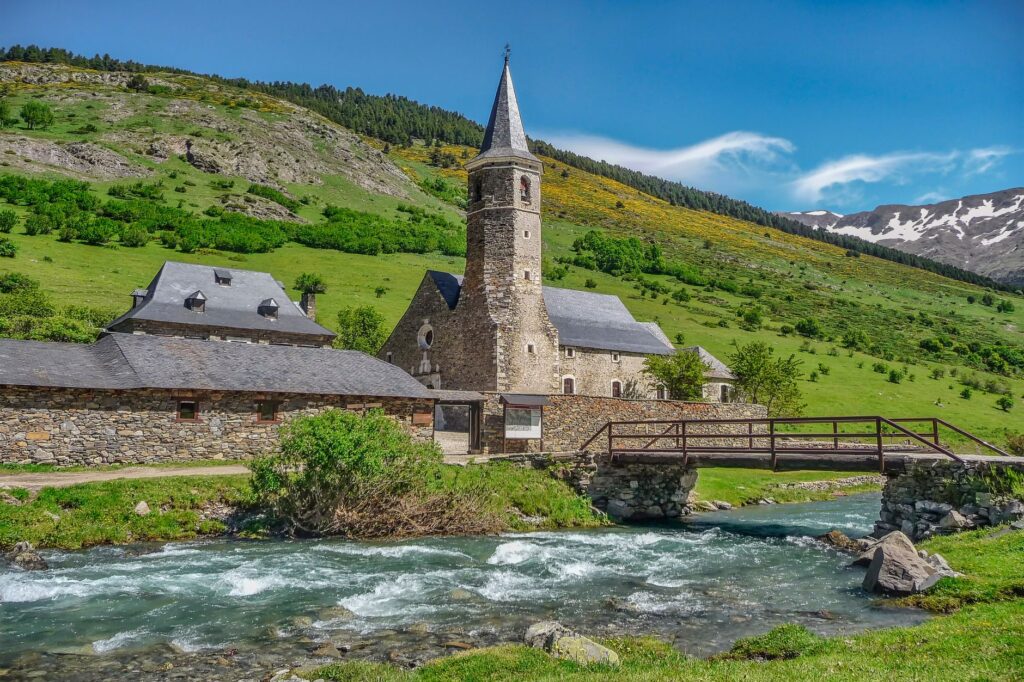
At over a thousand meters of altitude, the air in Cerdanya bites the skin with a frankness that forces one to understand the territory not as an aesthetic landscape, but as an ecosystem of endurance. Here, in this Pyrenean plateau shared between French and Catalan slopes, agriculture has never been an exercise of abundance, but a constant negotiation with cold, stone, and steep terrain. In this setting of open horizons and snow-capped peaks, bread has never played a secondary role at the table; it has been the caloric and cultural pillar upon which community life has sustained itself for centuries. Today, a new generation of local bakers, heritage farmers, and artisan millers is restoring loaf bread to its status as an absolute gastronomic product, moving far away from industrial circuits and accelerated fermentations that dominate urban consumption.
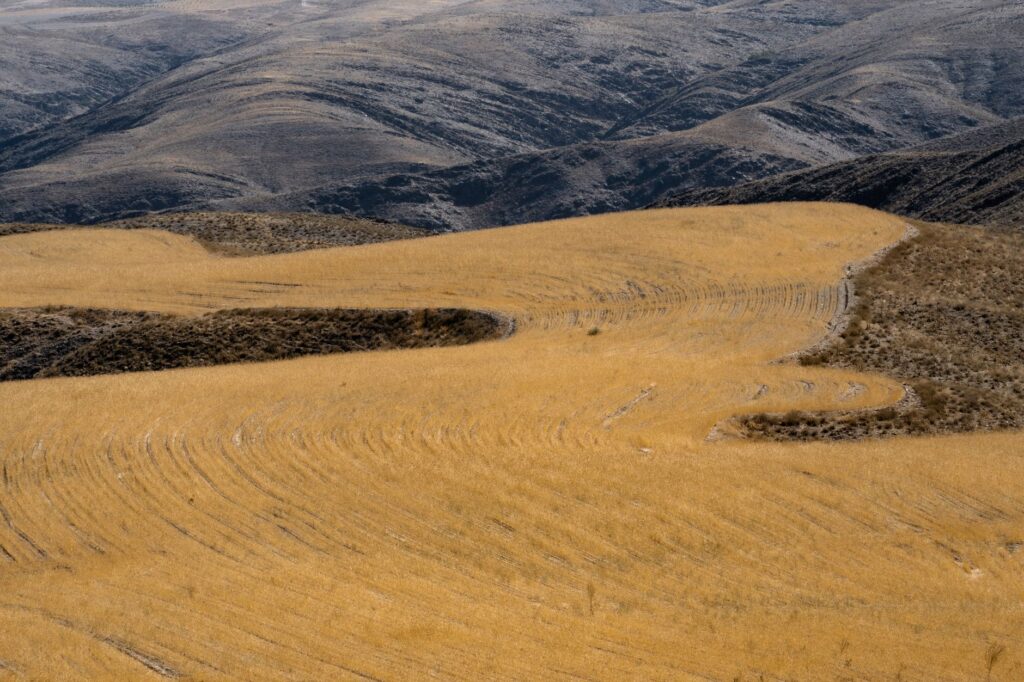
The renaissance of this ancient culture does not spring from manufactured nostalgia, but from a biological and agronomic necessity: recovering the native winter wheat varieties that nearly vanished with the massive arrival of high-yielding hybrids in the latter half of the twentieth century. Varieties such as native country wheat, lesser spelt, and mountain rye possess a genetic rusticity that allows them to thrive in poor soils, withstand severe frosts, and resist summer droughts without the need for systemic pesticides. These cereals, milimetrically adapted to the local microclimate, harbor complex aromatic profiles recalling dry straw, damp underbrush, and the minerality of the granite stone upon which they grow.
The Invisible Geography of Recovered Seeds
To grasp the magnitude of this movement, one must leave the main roads and venture into the forgotten terraced fields bordering watercourses like the Segre River. Here, small agronomic collectives work hand in hand with the few small-scale farmers who still retain the oral memory of high-altitude cultivation. This is not simply about sowing for the sake of sowing, but about understanding the interaction between altitude, sunlight, and soil composition. Cerdanya’s ancient wheats grow taller, with flexible stalks that bend before northern winds, and develop deep root systems capable of seeking moisture in subterranean layers inaccessible to modern wheats.
Seed selection is an act of food sovereignty and historical respect. Every autumn, after the first frosts turn the meadows white with hoarfrost, the best grains from the previous harvest are selected for reseeding. This uninterrupted cycle ensures that the plant evolves year after year alongside the territory, subtly adapting to local climate variations. The resulting flour in the bakery is radically different from commercial bread-making flours: doughs that are less elastic yet endowed with unmatched organoleptic richness, capable of telling the exact story of a rainy year or a dry spring through their crumb.
The Liturgy of Milling in Water-Powered Mills
The grain harvested in the high fields lacks value if it is not transformed with proper technical respect. In the valleys of Cerdanya, milling is still understood as a slow mechanical process designed to preserve the integrity of the wheat germ and the cereal’s essential oils. Far from large industrial steel-cylinder mills that heat flour and destroy its nutritional properties, natural stone flour mills—many restored after decades of abandonment—operate via the steady, gentle friction of granite millstones.
The rhythmic sound of water striking the hydraulic wheel accompanies labor that requires patience and tactile sensitivity. The miller pours grain into the hopper and constantly checks the temperature and fineness of the resulting flour by rubbing a small amount between thumb and forefinger. Stone milling does not seek uniform particle size or spotless white color; on the contrary, the resulting flour retains bran particles and a slightly pearly texture that traps the essential minerals of the whole grain. It is this living flour, rich in active enzymes, that arrives at local workshops ready to make contact with water and sourdough.
The Alchemy of Time and Active Sourdough Culture
In the bakehouses of Pyrenean villages, the industrial clock does not exist. Fermentation is a biological process governed by ambient temperature and the vitality of sourdough, a symbiotic culture of wild yeasts and lactic bacteria daily fed with local water and flour. This sourdough, kept alive for years, acts as the invisible soul of every loaf, endowing it with that subtle, balanced, and elegant acidity characteristic of great long-fermentation breads.
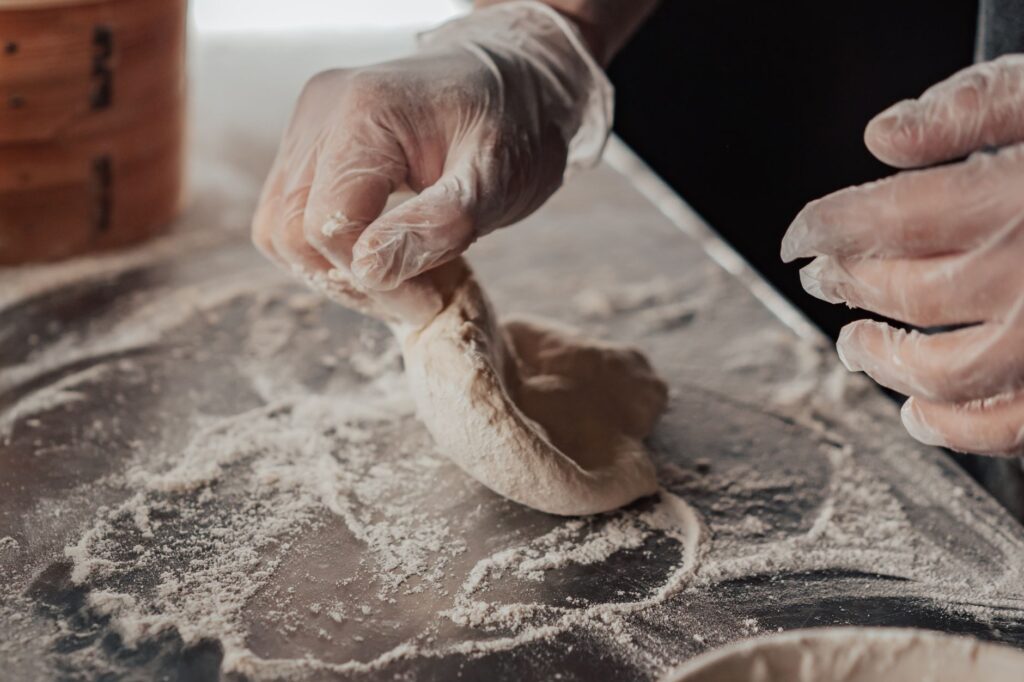
The mixing process is manual or performed using slow-speed arm mixers to avoid excessive oxidation of the dough. Following mixing, large blocks of dough rest for hours in wooden troughs, where they undergo an initial slow fermentation allowing delicate yet resilient gluten networks to develop. Division and subsequent shaping are executed with nearly choreographic dexterity, rounding each piece by hand before placing them in wicker bannetons dusted with rye flour so they gain body and form during a second cold fermentation.
Wood Fire and the Crust as Mineral Memory
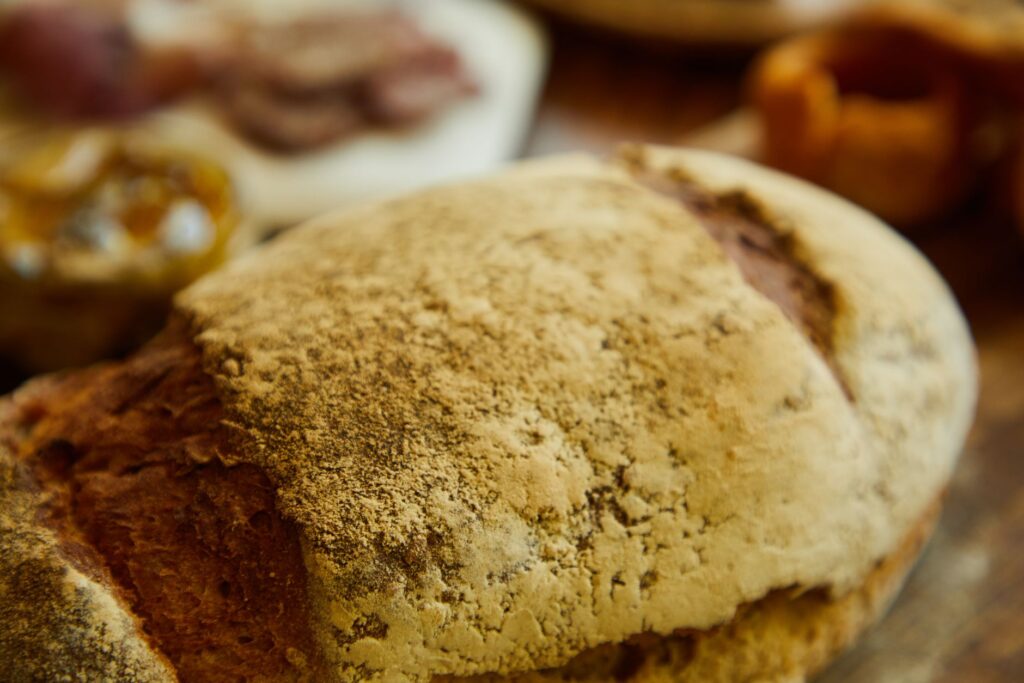
The culminating moment of this artisan production chain takes place before the mouth of the wood-fired oven, a massive structure built with refractory bricks and local stone that accumulates heat for hours. Before introducing the loaves, the baker cleans the hearth floor with a damp mop and checks the temperature through the intuition of experience. Baking in a wood oven is not a mere thermal method; it is a direct interaction between the steam generated by the dough’s own moisture and the enveloping radiation of pine and beech wood fire.
When the pieces make contact with the hot hearth, a sudden expansion occurs—the so-called oven spring—which opens the cuts made with the razor blade on the dough’s surface. As minutes pass, the natural sugars in the flour caramelize on the surface, creating a crust that is crunchy, deeply toasted, and aromatic, carrying notes of caramel and burnt wood. This thick, protective crust is not only the guarantee of optimal preservation for days, but also the perfect container for an alveolar, moist, cream-colored crumb with a melting texture.
Territory Cuisine and Accompanying Produce
A loaf of this caliber is not conceived to be consumed in isolation, but to serve as the guiding thread at the tables of high-territory fine dining restaurants and traditional eateries throughout Cerdanya. Its balanced acidity and powerful structure make it the ideal support for the emblematic products of the Pyrenean valleys: from raw milk cow and sheep cheeses crafted in small high-mountain pastures to artisan cold cuts cured in the cold winter air, such as local sausages or blood pudding.
At local restaurant tables, loaves are cut into generous slices that are often lightly toasted over oak embers to accompany game stews, wild boar civets, or seasonal mushrooms sautéed with garlic and parsley. The bread’s capacity to absorb cooking juices without falling apart demonstrates the technical excellence of its crafting and underscores the culinary philosophy of the territory: making the most of every available resource by transforming it through artisan know-how into a memorable gastronomic experience.
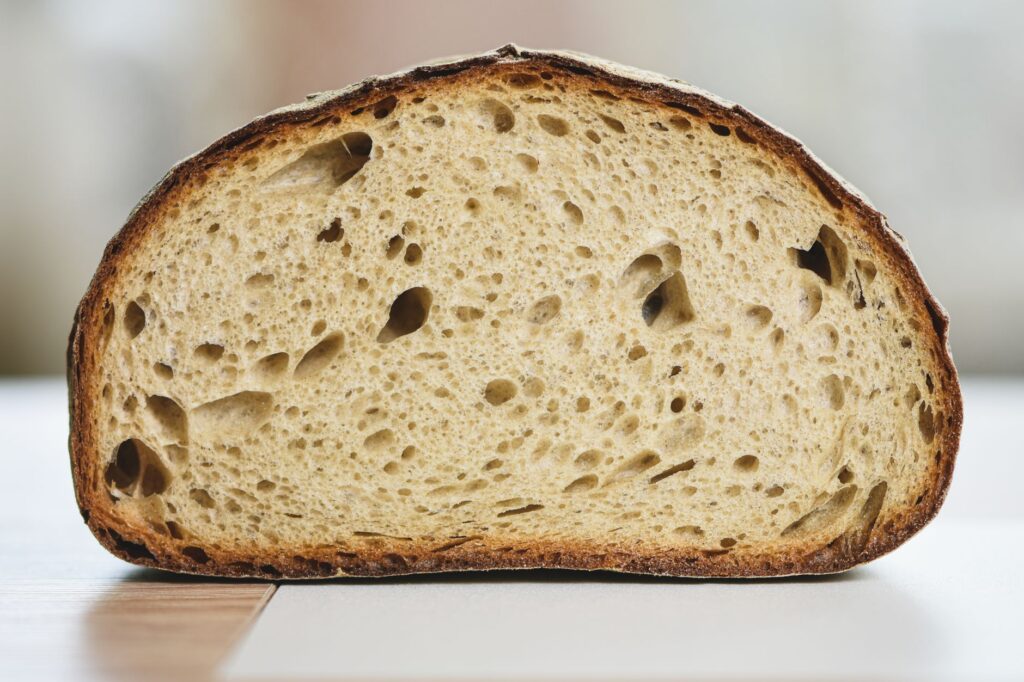
The value of great bread lies in its capacity to reconcile us with slow time, reminding us that the earth’s finest flavors demand patience, respect for natural cycles, and an unwavering commitment to authenticity.
Practical Guide for the Traveler and Curious Gastronome
Exploring the bread culture of the Cerdanya Highlands requires planning the trip with attention to the rhythms of local producers. Unlike commercial routes, bakeries and mills here operate under schedules tied to harvesting and weekly baking. The best season to visit the region spans from late autumn to spring, when the Pyrenean cold enhances the intensity of the bakehouses and allows full enjoyment of indoor cuisine.
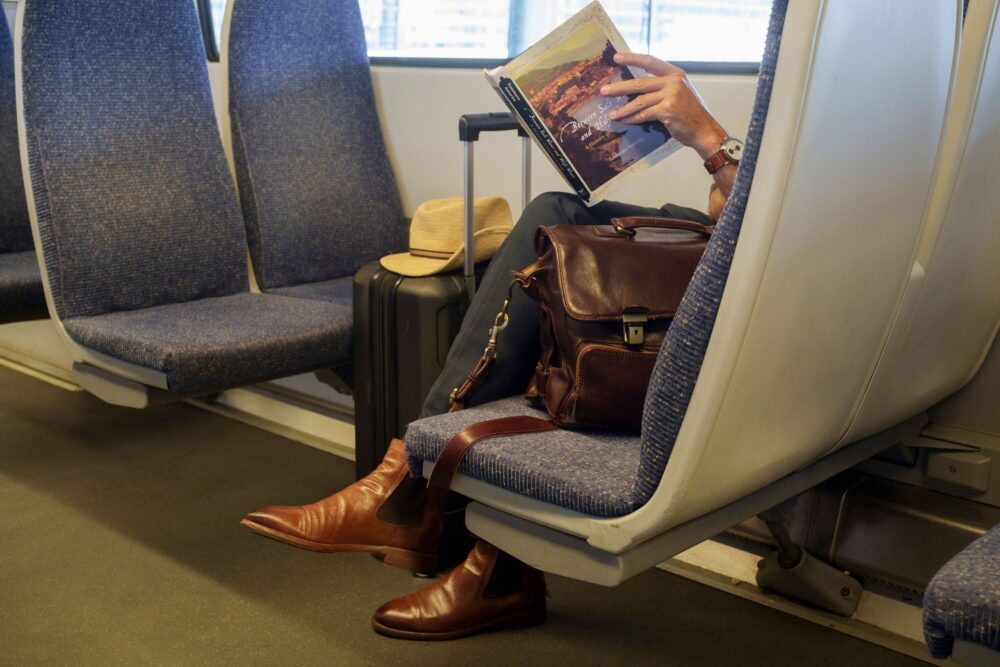
- How to get there: Main road access is via the C-16 through the Cadi Tunnel from Barcelona, or by crossing the Puymorens mountain pass from French territory. The Cerdanya train (the Yellow Train) offers an exceptional scenic perspective connecting various villages across the high plateau.
- Mill and Bakery Route: It is advisable to visit the restored hydraulic flour mills near Puigcerdà and Llivia, where visitors can purchase ancient wheat flour directly from the producer.
- Lodging and Dining: Numerous rural guest houses and small family-run hotels in villages like Bellver de Cerdanya or Urús maintain direct agreements with local bakers, offering breakfasts and menus based exclusively on zero-kilometer produce.
- Local Etiquette: Native wheat farming fields are private spaces of great agronomic fragility; visitors are kindly requested to observe and photograph them from designated public paths without stepping into experimental plots.
Epilogue: The Silent Resistance of Living Bread
In a globalized food landscape where immediacy and homogenization threaten to erase local identities, the work of Cerdanya’s bakers and farmers stands as a beacon of cultural and gastronomic resistance. Every loaf emerging from these wood ovens represents the victory of agricultural biodiversity over monoculture, slow time over industrial haste, and community over anonymity. Consuming this bread in its territory of origin is not merely a nutritional act, but a form of active participation in preserving a living heritage that continues to be written each dawn upon the millstone.