Introduction to the Heart of the Baltic Archipelago
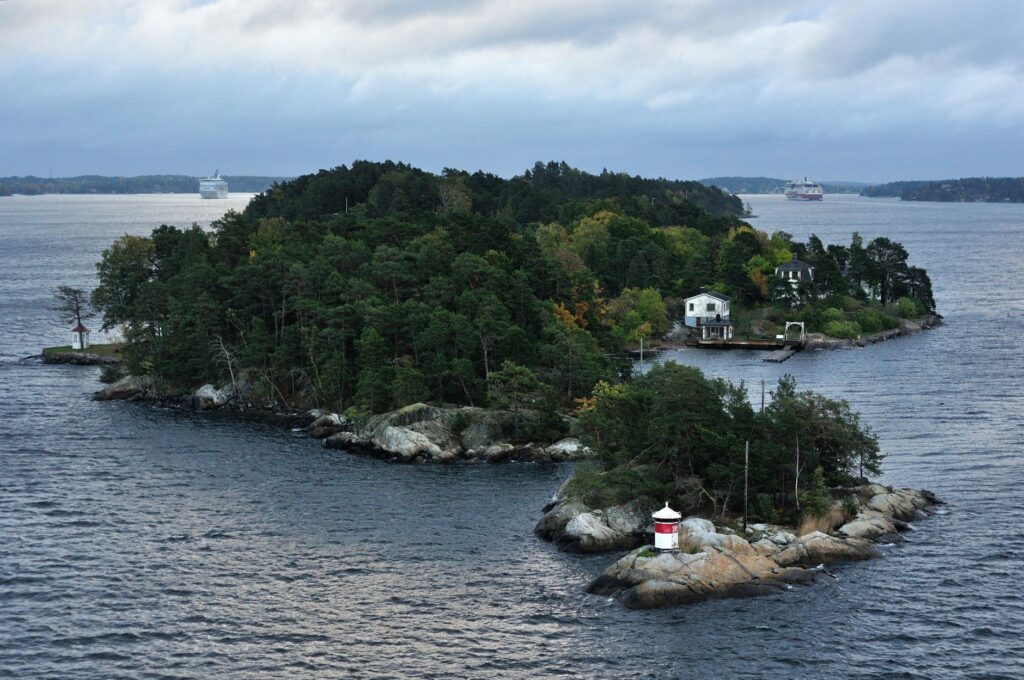
The Åland Islands, an autonomous, Swedish-speaking region of Finland, are scattered across the Baltic Sea like a jigsaw puzzle of over six thousand small islands and reefs. In this environment where the boundary between land and water is blurred, mobility has never been a mere administrative procedure, but rather a vital umbilical cord supporting daily life, the local economy, and the influx of travelers interested in nature tourism. For decades, the reliance on fossil fuels to power local boats, ferries, and buses stood in glaring contradiction to a territory that builds its primary appeal on pristine landscapes. Today, however, Åland is spearheading a silent yet profound transition toward a sustainable multimodal transport model that seeks to redefine the relationship between visitor, resident, and territory.
The geographical challenge is immense. While the main island, Fasta Åland, concentrates most of the population and administrative services, the outer islands harbor fishing communities, small farms, and invaluable natural enclaves. Traditionally, keeping these communities connected demanded the constant use of diesel-powered ferries and private vehicles, generating a disproportionate carbon footprint for a population of just thirty thousand residents. The response from local authorities and transport operators has not been the expansion of invasive infrastructure, but rather the intelligent integration of existing networks, the gradual electrification of the fleet, and a firm commitment to soft mobility.
The Backbone of Island Mobility
To understand the shift in Åland, one must examine its public transport network, known locally as Ålandstrafiken. This network coordinates a complex system of ferries and buses operating as a single synchronized organism. In recent years, the transformation has involved replacing the logic of isolated transport with a multimodal ecosystem where ferry schedules and bus timetables are optimized down to the minute via shared digital platforms. Consequently, a traveler can plan a journey combining a bicycle, an electric bus, and a hybrid ferry without needing to rent a car.
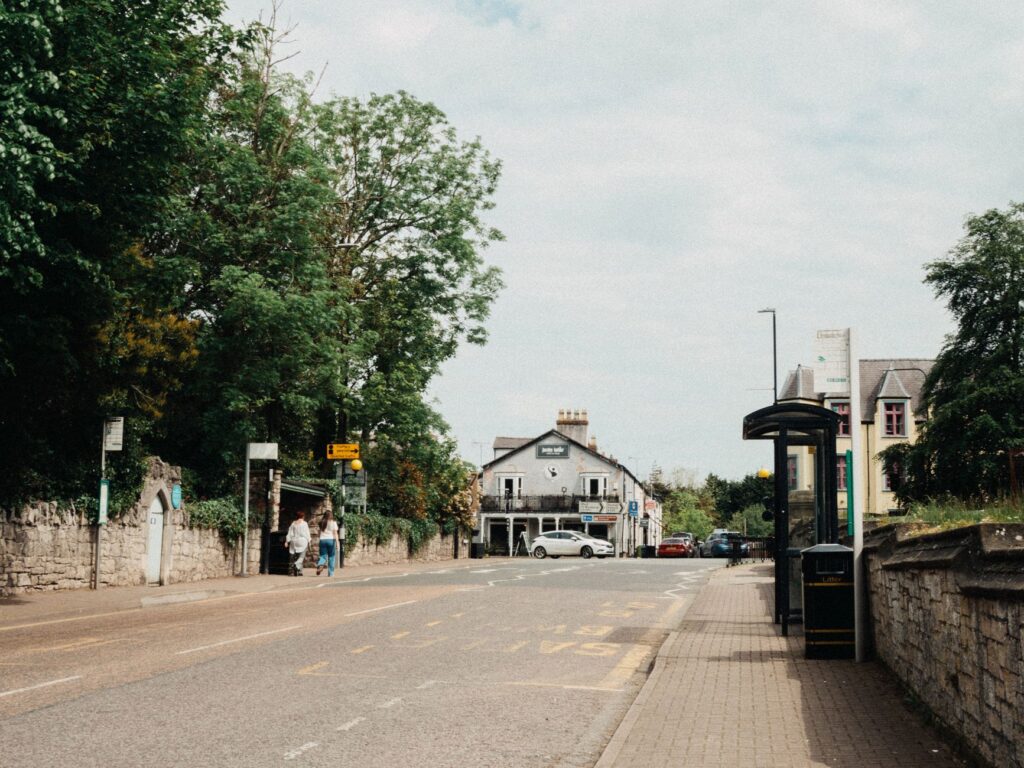
This integration not only benefits the environment but also restructures the travel experience. Slowness, often perceived as an inconvenience in conventional tourism, becomes a virtue here. By eliminating haste and prioritizing smooth transfers, the visitor experiences the archipelago on a human scale. Bus stops in rural areas of Fasta Åland have been redesigned to accommodate electric bicycle charging points and real-time information panels, connecting urban centers with hiking trails and departure ports for the smaller islands.
Fleet Electrification and Energy Challenges
One of the most significant milestones in this strategy has been the gradual introduction of battery-powered buses in Mariehamn, the capital, and their extension into routes connecting with rural municipalities. These vehicles not only reduce greenhouse gas emissions but also radically transform the urban soundscape. The roar of combustion engines has been replaced by the imperceptible hum of electric motors, improving urban quality of life and reducing the noise pollution that once drove local wildlife away from transit corridors.
However, the energy transition in an archipelago presents unique technical hurdles. The low temperatures of the Baltic winter drastically reduce battery range, forcing operators to design precise charging strategies and invest in advanced thermal infrastructure in bus depots. Furthermore, the local electricity grid must cope with peak demand when multiple ferries and transport facilities plug in simultaneously. To mitigate this issue, Åland has promoted the integration of local renewable energy sources, primarily offshore wind power, turning docks and bus stations into small energy generation and storage hubs.
True sustainability in island transport does not consist of replicating the models of large metropolises with green technologies, but rather of accepting the physical limits of the territory and designing networks that respect its natural rhythm.
The Role of Hybrid Ferries on Inter-Island Routes
If buses manage terrestrial traffic across the larger landmasses, ferries sew the invisible fabric of the archipelago. The renewal of the ferry fleet represents the most ambitious and costly chapter of Åland’s mobility plan. Traditionally, these vessels consumed large quantities of marine gas oil, even while docked in ports. The introduction of hybrid propulsion systems, combining high-efficiency diesel engines with large-capacity battery banks, has dramatically reduced fossil fuel consumption on short-distance routes.
During docking maneuvers and shorter runs between neighboring islands, the ferries operate in purely electric mode. This not only eliminates direct emissions in protected marine areas and bird-nesting zones, but also provides a markedly quieter and more stable voyage for passengers. Port authorities have installed fast-charging stations at main terminal docks, allowing ship batteries to recharge partially while passengers and vehicles board and disembark, optimizing turnaround times without disrupting established schedules.
Slow Travel and the Visitor Experience
The impact of this transformation on the tourist experience is profound. Åland has consciously chosen to disincentivize mass tourism based on private automobiles. Through informational campaigns and integrated ticketing, visitors are encouraged to leave their cars on the mainland or in peripheral parking lots around Mariehamn, exploring the archipelago instead via public transport, bicycle, or on foot. This approach, framed within the concept of slow travel, fosters a much richer and more respectful interaction with local communities.
Small shopkeepers, local food producers, and rural accommodations benefit from this steady flow of travelers moving at a leisurely pace. Unconfined inside a vehicle, visitors consume more local services, visit artisan workshops, and hire nature guides for kayaking trips or forest trails. Multimodal transport thus ceases to be merely a mobility tool and becomes the economic engine of a decentralized, high-value tourism model.
Infrastructure for Soft Mobility and Cycling Connectivity
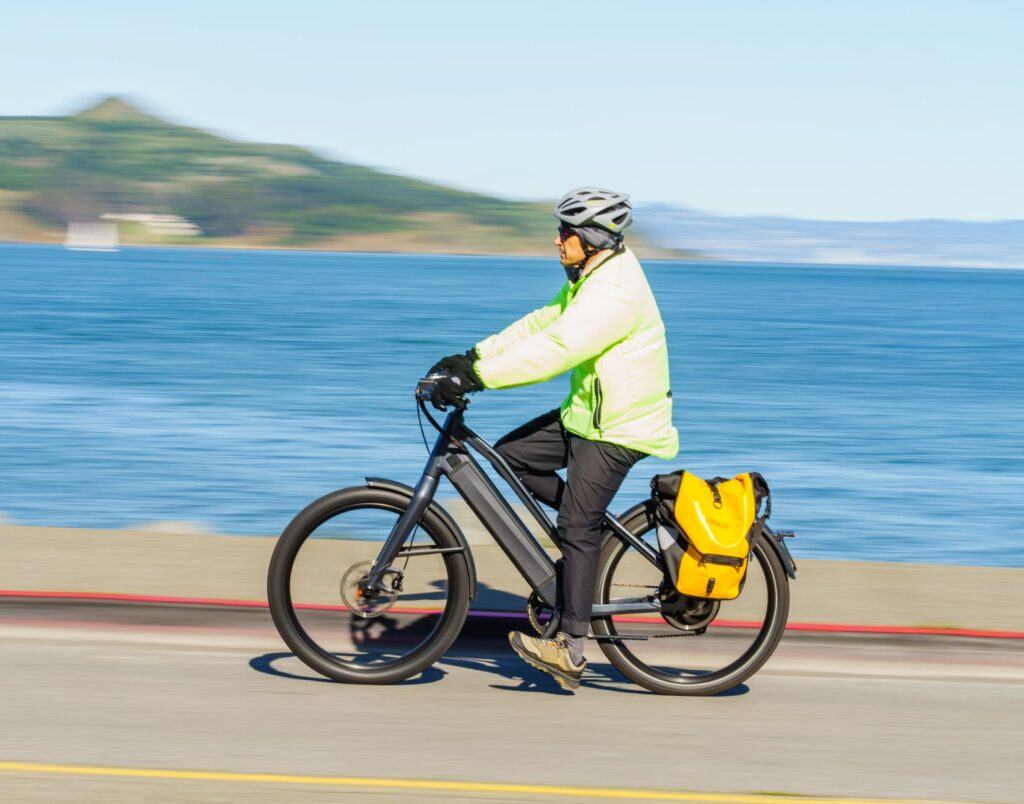
The integration of public transport with cycling is another foundational pillar of Åland’s system. The territory features hundreds of kilometers of marked bicycle routes that often run parallel to main roads or utilize secondary service roads. All interurban buses and the vast majority of ferries are adapted to transport bicycles at no extra cost or for nominal fees, removing the logistical barriers that traditionally complicated such combined trips.
Additionally, dedicated mobile applications have been developed allowing users to check bicycle space availability in real time, book ferry slots in advance, and purchase combined tickets covering the entire travel chain. Accessible digitization greatly simplifies the experience for international travelers, reducing the friction associated with route planning in fragmented territories and fostering a culture of active travel aligned with public health and environmental sustainability goals.
Lessons and Future Challenges for Island Territories
Åland’s model is not without difficulties, nor can it be automatically replicated in every other archipelago worldwide. It requires long-term financial stability, strong political consensus, and a citizenry willing to embrace certain changes in their mobility habits. Nevertheless, the Ålandic experience offers valuable lessons for other island regions facing seasonal tourism pressure and climate urgency. It demonstrates that the decarbonization of transport does not require gigantic pharaonic works, but rather a combination of applied technological innovation, intelligent timetable design, and the political will to prioritize community well-being over sheer speed.
Pending challenges include the full electrification of long-distance ferry routes, where current battery weight and volume limitations still pose a significant technical obstacle, and managing surging demand during peak summer months, when the floating population multiplies. To address this, authorities are studying the implementation of mandatory booking systems and dynamic quotas to prevent the saturation of sensitive infrastructure without harming the economic viability of the tourism sector.
Investing in sustainable transport in the Baltic is not an aesthetic choice, but an indispensable condition to ensure that future generations continue to find a living and balanced archipelago.
Conclusion and Prospects for the Conscious Traveler
The Åland archipelago stands today as an advanced laboratory for sustainable mobility and responsible tourism. By transforming its transport network into an integrated, clean multimodal system respectful of natural rhythms, this autonomous territory proves that modern connectivity can be reconciled with environmental conservation. For the contemporary traveler, Åland offers something far more valuable than mere convenience: the opportunity to take part in a conscious journey, where every trip on an electric bus or hybrid ferry contributes to preserving the fragile beauty of a landscape unique in the world.
Practical information for the traveler: The best time to visit the archipelago and enjoy its multimodal transport network runs from late May to early September, when all seasonal ferry services are operational and weather conditions favor cycling. It is advisable to purchase the integrated Ålandstrafiken transport card upon arrival in Mariehamn and book bicycle spaces in advance on the most popular ferry routes. Respect for local environmental protection regulations and the use of designated charging points ensure a stay fully integrated into the philosophy of sustainability defining these islands.