Introduction to the New Saudi Paradigm
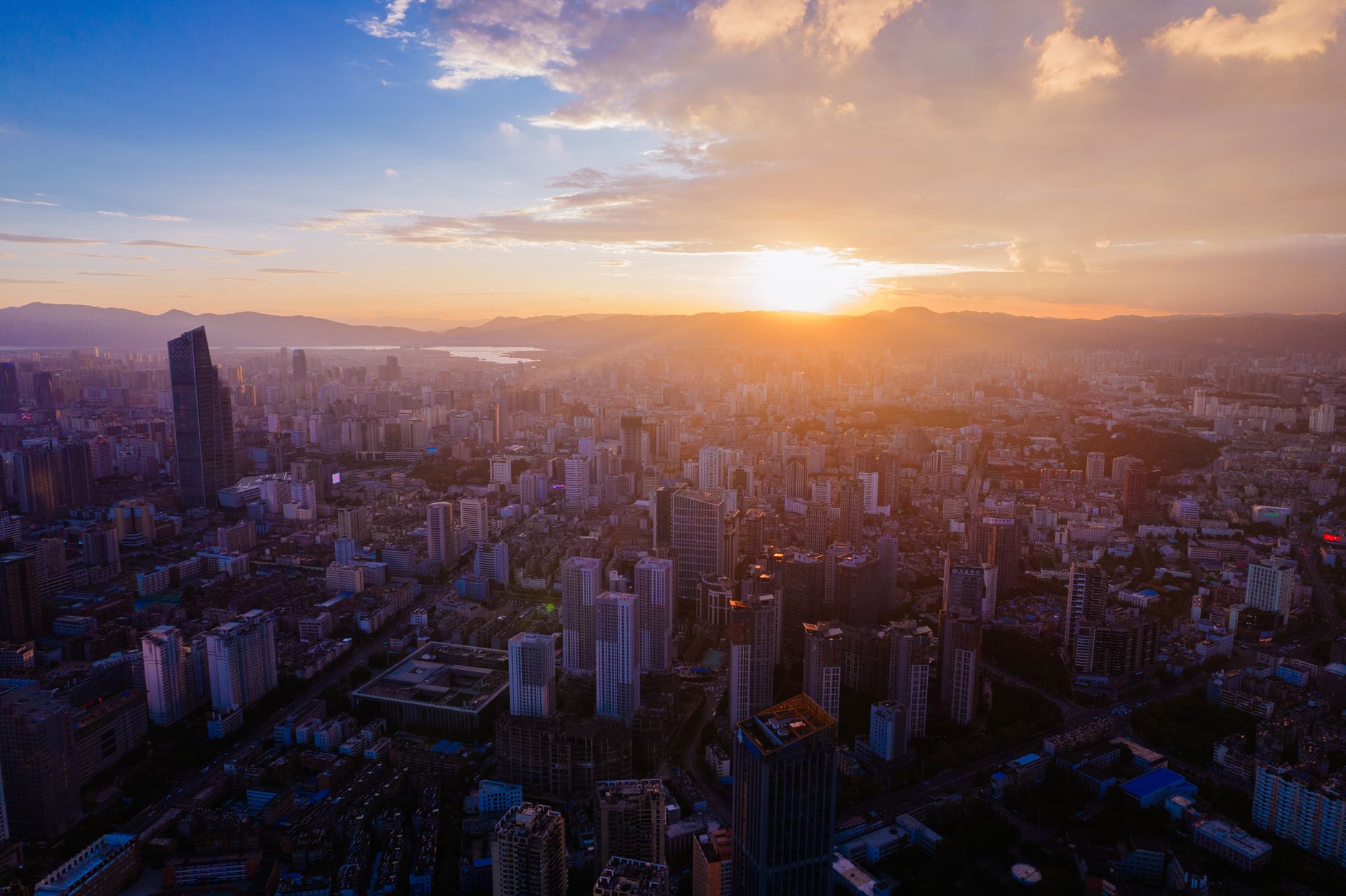
The skyline of Riyadh is etched today between the ancestral dust of the desert and the dizzying silhouettes of cranes anticipating the future. In recent years, the capital of Saudi Arabia has transitioned from a hermetic city into the epicenter of an unprecedented economic and cultural transformation. Driven by the ambitious goals of national development and diversification, the luxury tourism sector has emerged as a fundamental pillar of this metamorphosis. Recent statistics and market reports from global entities such as IndexBox reflect exponential growth in the arrival of high-net-worth visitors, drawn by an offering that balances contemporary opulence with a profound respect for historical heritage.
This phenomenon is not merely the result of border openings or the lifting of bureaucratic restrictions, but rather a deliberate strategy to redefine the concept of exclusivity in the Middle East. Riyadh no longer competes solely on hotel capacity; it competes on the uniqueness of its experiences. From the meticulous restoration of mud-brick districts to the inauguration of ultra-luxury complexes designed by world-renowned architects, the metropolis is redefining its identity at a breakneck pace, raising important questions about the sustainability of this growth and its impact on local society.
Radiography of an Accelerating Market
To understand the magnitude of Riyadh’s tourism transformation in 2026, it is necessary to examine the economic data sustaining the sector. Market indicators reveal a massive influx of public and private capital dedicated to top-tier infrastructure. The construction of five- and six-star hotels, the expansion of international air connectivity, and the modernization of urban transport systems are part of an apparatus designed to capture the most demanding travelers on the planet.
Unlike other regional capitals whose growth relied on ephemeral ostentation, Riyadh’s model aims to consolidate itself on the foundation of cultural status and immersive experiences. IndexBox statistics indicate that average spending per tourist in the luxury segment has experienced steady growth, driven by demand for personalized services, haute cuisine dining experiences, and extended stays. This financial flow not only revitalizes the capital’s economy but also drives the entire service sector value chain, generating an unprecedented demand for quality and hospitality standards.
The Architecture of Contrast: Tradition and Avant-Garde
Walking through Riyadh is a constant exercise in visual and temporal asymmetry. At one extreme stands the financial district, with glass towers defying gravity and reflecting the relentless Arabian sun. At the opposite end, nestled along the banks of the wadi, lies the historic district of At-Turaif in Diriyah, a UNESCO World Heritage site. This architectural duality defines the city’s current appeal: a continuous dialogue between foundational history and 21st-century ambition.
The urban intervention in Diriyah is perhaps the clearest example of how luxury tourism integrates with heritage preservation. Far from building themed replicas, planners have restored mud-brick palaces using traditional techniques while equipping their interiors with cutting-edge technology and world-class cultural spaces. This approach attracts a cultured traveler interested in both absolute comfort and historical authenticity, banishing the cliché of the exclusively artificial destination.
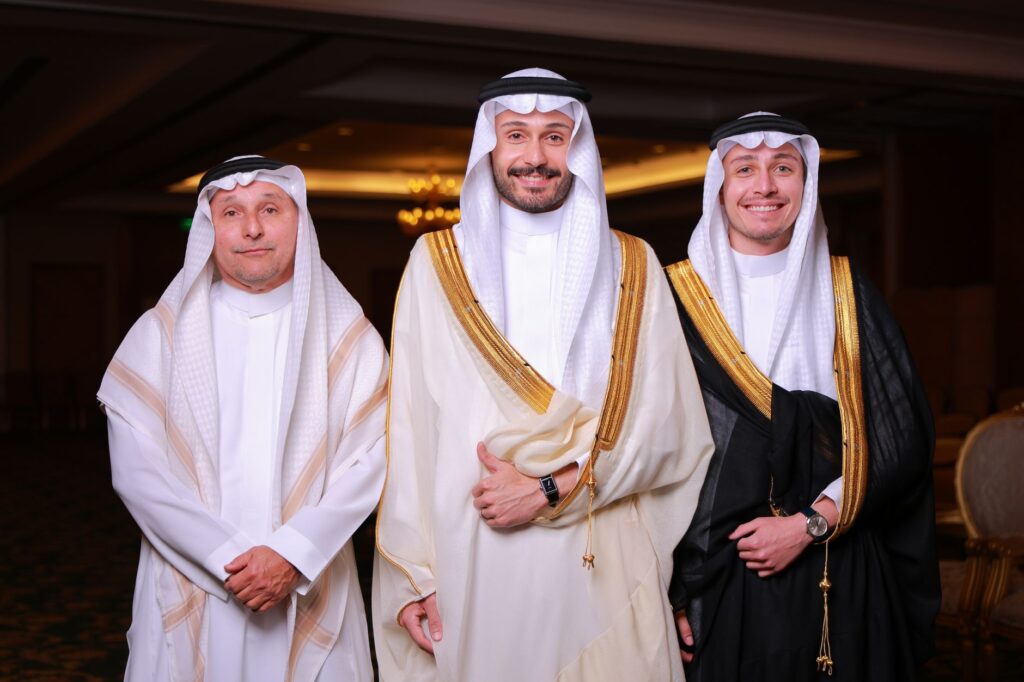
True exclusivity in contemporary Riyadh is no longer measured solely by marble or gold, but by the ability to offer intimate and respectful access to centuries of living history.
Superlative Hospitality and the Art of Service
The arrival of the world’s most prestigious hotel chains in Riyadh has triggered fierce competition to raise the bar of hospitality. Historic names in European and Asian hospitality now coexist with local proposals that reinterpret legendary Saudi generosity through the codes of contemporary design. This deployment is not limited to physical luxury, but extends to the training and professionalization of local talent, a critical aspect within national development policies.
Service in these establishments is characterized by obsessive attention to detail and extreme personalization. Concierges and travel advisors manage everything from private access to art collections to exclusive helicopter journeys over the surrounding rock formations. However, the greatest challenge for this industry lies in maintaining human authenticity in interactions, ensuring that protocol formality does not eclipse the genuine warmth characteristic of the Arabian Peninsula’s culture.
Gastronomy: The Region’s New Culinary Capital
Until a few years ago, Riyadh’s culinary scene was limited to traditional eateries and standardized international food options. Today, the city is experiencing a genuine gastronomic revolution that quickly positions it as the new culinary benchmark in the Gulf. Michelin-starred chefs and young local talents are redefining native flavors, fusing ancestral ingredients like dates, lamb, and desert spices with avant-garde techniques.

This culinary boom manifests both in the private dining rooms of grand hotels and in trendy open-air districts, where the architectural design of the venues rivals their dishes in sophistication. Luxury diners visiting Riyadh seek culinary narratives that explain the territory; consequently, tasting menus that pay homage to the kingdom’s different provinces have become the preferred choice for those wishing to understand cultural diversity through the palate.
Business Tourism and the Pull of Major Events
The growth of luxury tourism in Riyadh is not sustained solely by leisure travel; the corporate and major events segment plays a fundamental catalyst role. With the hosting of international economic summits, technology forums, and global sports competitions, the capital has consolidated itself as a magnet for executives, investors, and opinion leaders who combine their professional agendas with high-level extended stays.
This steady influx of executives has transformed the city’s infrastructure, prompting the creation of intelligent convention centers, exclusive networking spaces, and highly efficient private aviation services. Riyadh’s capacity to absorb large volumes of elite visitors without collapsing its essential services demonstrates rigorous logistical planning aimed at positioning the metropolis as the region’s undisputed nerve center.

Sustainability and Challenges Amid Mass Growth
Any process of accelerated expansion entails inevitable questions about its long-term viability. In a geographical environment as delicate as the Saudi desert, water resource consumption, energy management, and the environmental impact of new mega-structures are subjects of constant debate among experts and urban planners. Riyadh’s tourism strategy for 2026 integrates strict sustainability guidelines, committing to bioclimatic architecture, the use of renewable energy, and water optimization.
Likewise, there is the socioeconomic challenge of ensuring that tourism development benefits the local population equitably and preserves the social fabric of historic neighborhoods. The balance between international openness and the safeguarding of local traditions is the fine line upon which the capital walks. The maturity of this market will depend on its ability to manage success without losing sight of the fundamental values of its identity.
The true success of the Saudi tourism transformation will not be measured by how many occupancy records it breaks in 2026, but by the lasting harmony between its modernity and its fragile natural environment.
Practical Information for the High-End Traveler
Planning a luxury stay in Riyadh requires understanding the logistics and cultural particularities of the destination. Essential guidelines to ensure an optimal experience are detailed below:

- Visas and Access: Citizens from over sixty countries can easily apply for the electronic tourist visa prior to departure or upon arrival, although advance processing is recommended to avoid delays.
- Air Connectivity: King Khalid International Airport features terminals dedicated to private aviation and direct connections to major financial capitals worldwide via national and partner airlines.
- Dress Code: While regulations have relaxed notably for international visitors, dressing with modesty and elegance is appreciated, particularly in public spaces and governmental or religious buildings.
- Climate and Seasonality: The ideal months to visit Riyadh span from November to March, when daytime temperatures are pleasant, allowing visitors to enjoy outdoor activities and nocturnal cultural events.
- Private Transport: Hiring private chauffeur services offered directly by luxury hotels or accredited agencies is recommended to guarantee maximum comfort during urban travel.
Conclusion and Future Prospects
Riyadh enters 2026 consolidated as a destination that defies clichés and surprises the most experienced traveler. The convergence of economic ambition, heritage preservation, and a superlative service offering has redefined the map of global luxury tourism. Far from being a passing phenomenon, the metamorphosis of the Saudi capital represents a paradigm shift in how a society can project itself toward the future without renouncing its roots.
The market will continue to mature, demanding an unwavering commitment to excellence, sustainability, and authenticity from operators and authorities alike. For the contemporary traveler, Riyadh is no longer an unknown on the map, but an unmissable appointment to witness firsthand the construction of a new era in international hospitality.
Source in EN: Google News – IndexBox