The Persistence of the Past in Guild Streets
Hanoi’s rhythm is not measured by the tick of modern skyscrapers or the frantic flow of motorbikes crossing the colonial district. Its true pulse is felt in the narrow alleys of the Old Quarter, historically known as the 36-guild district. Here, public and private spaces merge into a continuous workshop where families have spent generations perfecting a single craft. Far from being museum relics, these spaces operate as the genuine economic and cultural engine that draws millions of travelers every year in search of authenticity.
Each street retains the name of the product traditionally sold there: silk, bamboo, herbal medicines, tin objects, or agricultural tools. Although real estate pressure and mass tourism have transformed some shops into mass-produced souvenir stores, hidden back rooms and interior courtyards continue to house pure craftsmanship. In these redoubts, time seems to have slowed down, demanding a patient and respectful gaze from visitors toward those who sustain the material memory of the city.
Tube Architecture and Communal Living
The urban morphology of the Old Quarter stems from a historical tax need: taxes were calculated based on the width of the street-facing facade. As a result, the so-called tube houses emerged—extremely narrow yet deep structures stretching dozens of meters inward. This vertical and compressed architecture has shaped a unique model of community living where multiple generations under the same roof share light wells, steep staircases, and small ancestral altars.
The ground floor is usually entirely dedicated to commerce or the workshop, while upper floors house domestic life. This model not only optimizes commercial space but fosters a dense neighborhood security network. Neighbors have known each other since childhood, local suppliers form part of the extended family, and sidewalks act as a natural extension of the living room. Understanding this architectural fabric is essential to realizing why tourism in Hanoi cannot be measured solely in terms of grand monuments, but rather through living social tissue.
The Craft of Metal and Fire in Phố Bát Sứ
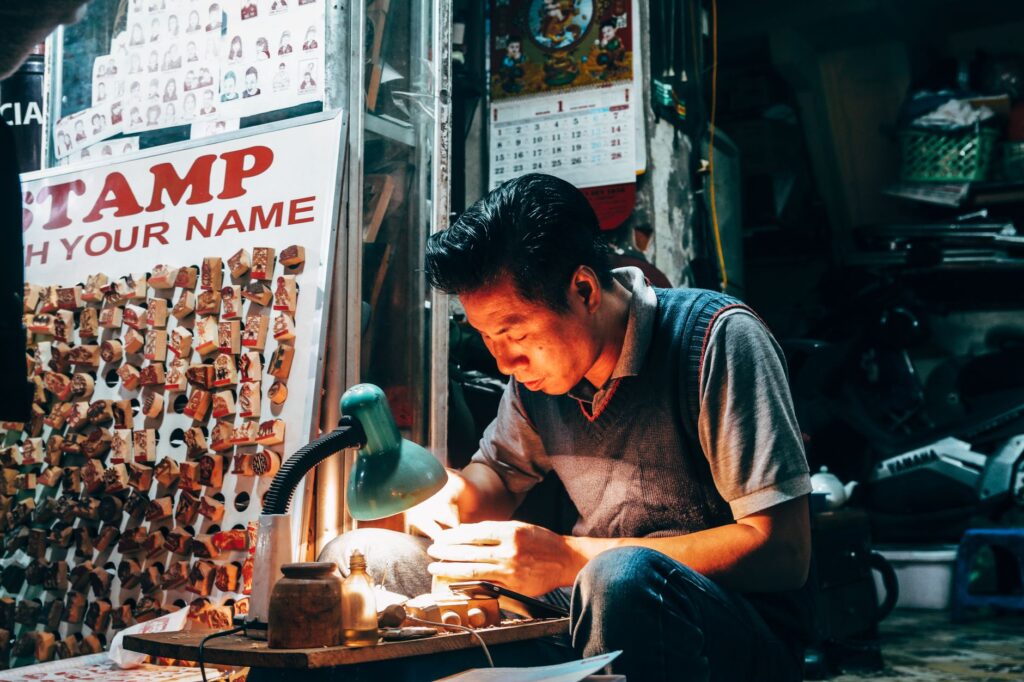
At the heart of this urban labyrinth, Phố Bát Sứ street keeps alive the tradition of ceramics and light metalwork. Unlike large industrial factories on the outskirts, work here is carried out on a human scale. Artisans heat brass pieces, mold traditional kitchen utensils, and repair old pots using techniques that combine millimeter precision with intuition accumulated through decades of daily practice.
The air in these workshops vibrates with the rhythmic sound of hammering on metal, a tempo that has accompanied neighbors since dawn. Young people learn by silently observing their parents and grandparents, in a process of oral and gestural transmission that escapes academic manuals. This generational handover, though threatened by the pull of more stable jobs in the tech sector, continues to find youths determined to keep the flame of traditional kilns burning.
The true wealth of a capital does not lie in its glass towers, but in the ability of its inhabitants to preserve the soul of their creative hands.
Silk and Natural Dyes on Phố Hàng Gai
A few meters from the bustling Hoàn Kiếm Lake, Phố Hàng Gai street displays the colorful brilliance of textiles. Although the modern silk industry has introduced synthetic fibers and automated processes, several traditional workshops insist on using natural dyes extracted from local leaves, roots, and barks. This commitment to artisanal quality not only guarantees pieces of exceptional softness and durability but also protects ancient knowledge linked to traditional Vietnamese botany.
The weaving process requires absolute concentration. Weavers manipulate traditional wooden looms while afternoon light filters through windows open to the courtyard. For travelers interested in responsible tourism, visiting these spaces represents a unique opportunity to acquire pieces with ethical traceability, directly supporting the economy of local artisans against the homogenization of the global market.
Traditional Medicine as an Invisible Pillar
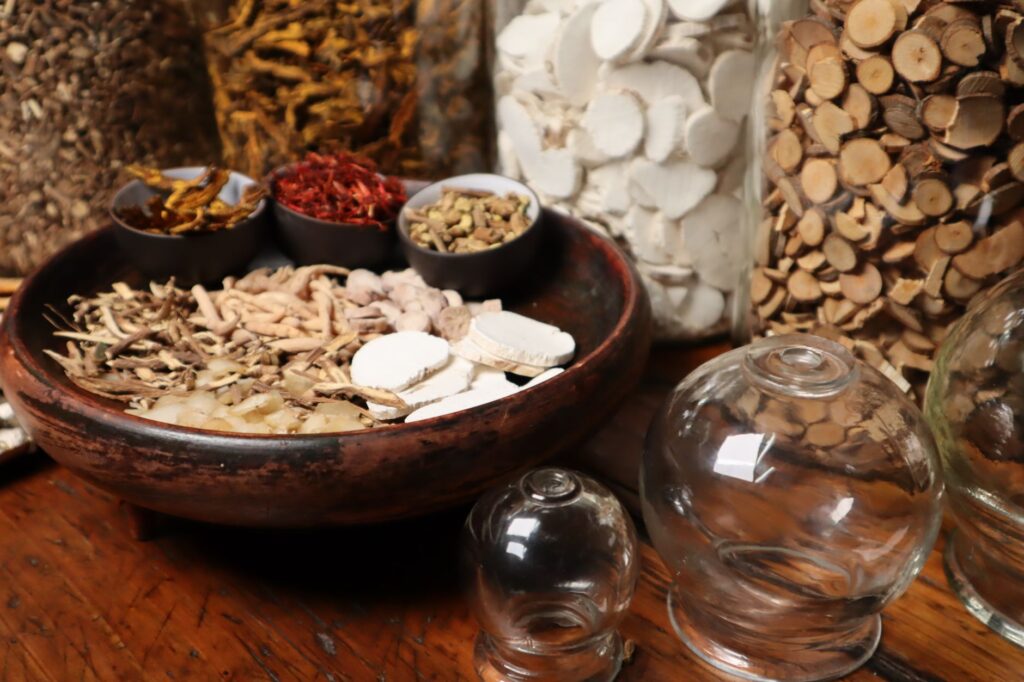
The popular healthcare system in Hanoi finds its ultimate expression on Phố Lãn Ông street. Filled with intense aromas of dried roots, barks, chrysanthemum flowers, and star anise powder, this area functions as a giant urban herbalist shop. Traditional doctors, many of them heirs to dynasties of healers, diagnose patients by examining their pulse and inquiring about daily habits before prescribing personalized master formulas.
This holistic approach to health coexists without apparent friction with Western medicine present in the capital’s hospitals. Tourists who venture into these establishments discover a millenary philosophy where the balance between the body, nature, and the seasons continues to dictate the patterns of daily life. The preservation of this knowledge is a priceless tourism asset that sets Hanoi apart from other standardized Asian metropolises.
Flavor and Ritual in Morning Markets
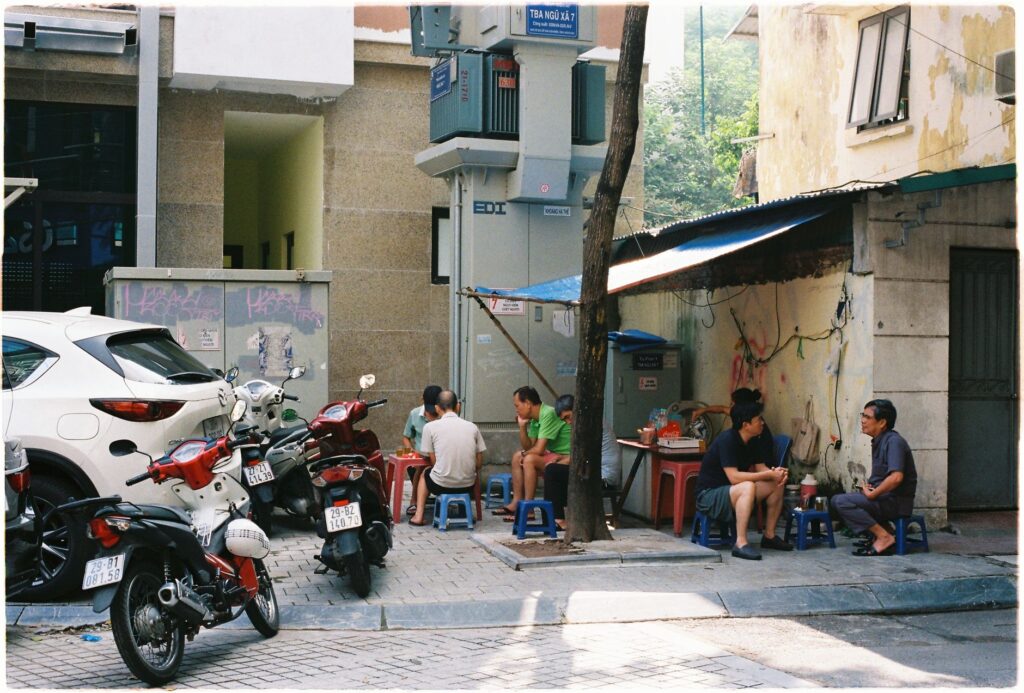
Long before specialty cafes open their doors in the French Quarter, Hanoi’s street markets register frantic activity. In spaces like Đồng Xuân market or at improvised corner stalls, vendors display fresh produce grown in the Red River Delta. The ritual of morning coffee, brewed with condensed milk and robust local beans, becomes a meeting point where merchants, intellectuals, and travelers share low plastic stools at ground level.
This street culture democratizes social relations. There are no hierarchies when sharing a low table on the sidewalk. Hanoi’s internationally acclaimed street cuisine is actually the result of a domestic economy based on freshness, seasonal produce, and culinary skills passed down from mothers to daughters for generations.
Contemporary Challenges Before the Tourist Tide
The accelerated growth of international tourism represents both an economic opportunity and an existential threat to the Old Quarter. The mass conversion of traditional homes into boutique hotels, fast-food restaurants, and souvenir shops is displacing historical residents to the urban periphery. This gentrification phenomenon risks transforming the neighborhood into a theme park devoid of its genuine human vitality.
Faced with this scenario, municipal authorities and various community associations are promoting sustainable tourism initiatives to regulate visitor flow and protect intangible heritage. Guided tours led by the artisans themselves are promoted, regulations to preserve original architecture are established, and consumption in small local businesses is encouraged to ensure economic benefits directly impact the resident community.
Protecting Hanoi’s human heritage requires halting urban speculation and recognizing that authenticity is not a backdrop, but the very life of its people.
Practical Information for the Conscious Traveler
For those wishing to explore Hanoi’s Old Quarter from a respectful and enriching perspective, the following practical guidelines are recommended:
- Best time to visit: Autumn months (September to November) and spring (March to April) offer pleasant temperatures and lower humidity, ideal for walking the streets.
- Sustainable transport: The best way to get to know the historic district is on foot or using traditional cyclo services, avoiding motor vehicles inside the alleys as much as possible.
- Workshop etiquette: Always ask permission before photographing artisans and their workspaces, and support their economy by purchasing pieces directly in their shops.
- Responsible accommodation: Opt for small family-run homestays managed by local residents rather than large impersonal hotel chains.
Toward a Future That Respects Its Roots
The engine driving Hanoi’s appeal is not found in artificial attractions, but in the silent resilience of its people. While modernity’s cranes continue to transform the capital’s skyline, the hands of artisans, traditional doctors, and small merchants continue to weave the deep identity of the city. Visiting Hanoi with eyes open to this invisible reality transforms a simple leisure trip into a profound exercise in human understanding and cultural respect.
Source in English: Vietnam.vn