
The Atlantic Façade of the Southern Algarve
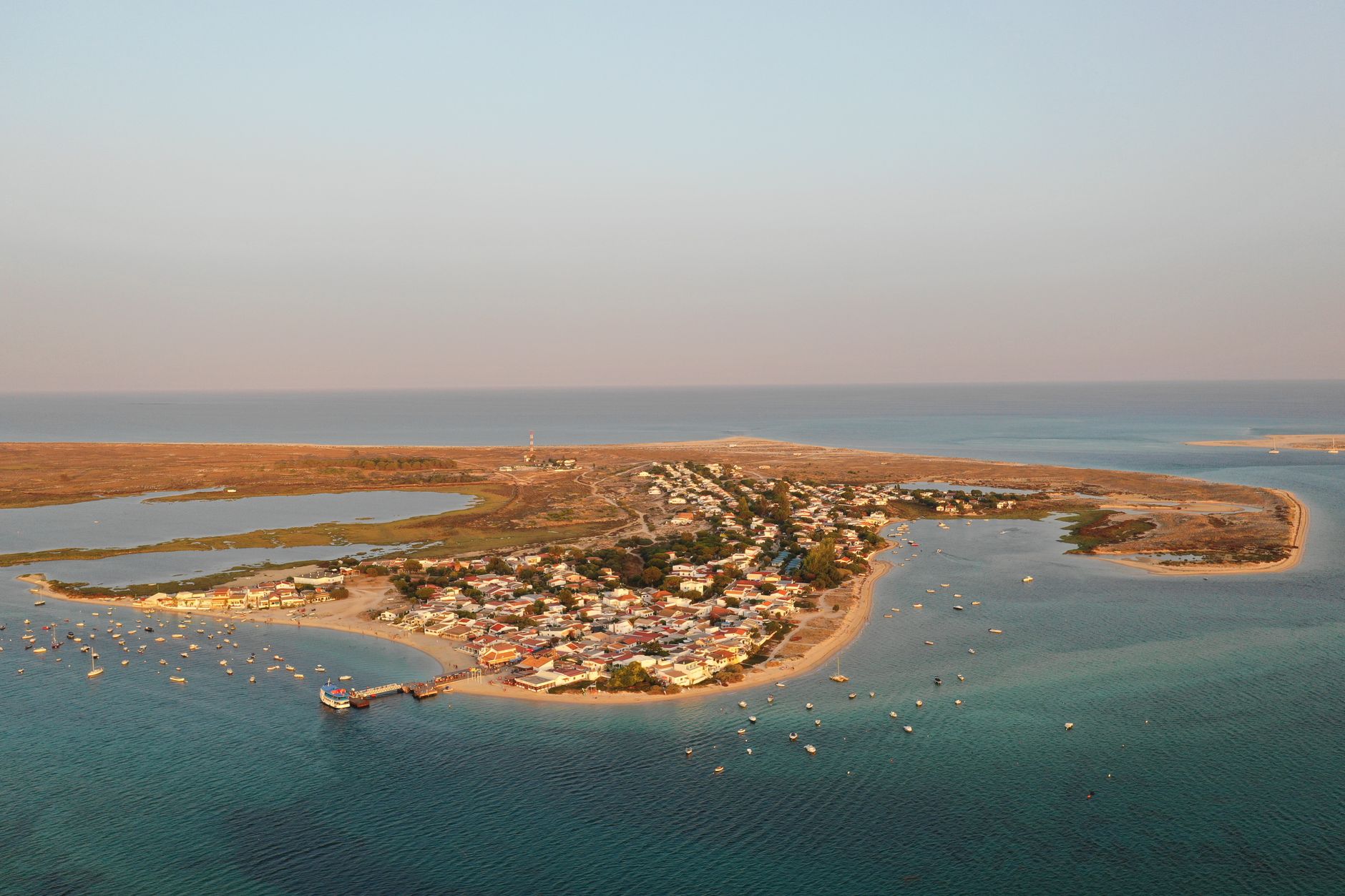
Faro, the historical capital of the Algarve in southern Portugal, extends across a coastal strip where the mainland gives way to a complex network of channels, salt marshes, and sandy barrier islands known as the Ría Formosa. Far from the homogeneous cliffside landscape that dominates other stretches of the Portuguese coast, this municipality of over seventy thousand inhabitants presents a unique amphibious geography. Here, maritime adventure and recreational or professional navigation cannot be conceived without a deep understanding of the tides, prevailing winds, and geomorphological dynamics that continually reshape the coastal landscape. A rigorous analysis of this environment requires looking beyond the tourist surface to understand how the Atlantic Ocean and the protected estuarine systems interact.
The geographical position of Faro, situated at the coordinates marking the transition between the Iberian west and the Gulf of Cádiz, exposes its coastline to constant oceanic flows. Surface currents and spring tides generate notable variations in the water levels of the channels connecting the estuary with the open sea through five main inlets or bars. For any navigator, boat skipper, or water sports enthusiast, these conditions demand rigorous planning that incorporates official tide tables and weather forecasts issued by the Portuguese Institute for Sea and Atmosphere. Disregarding current behavior in narrow channels can compromise the safety of the journey, turning a seemingly simple outing into a situation of high technical demand.
Atlantic Climatology and Seasonal Variability
The climate of Faro responds to Mediterranean patterns with strong Atlantic influence, characterized by mild winters and warm summers tempered by sea breezes. With an average of over three thousand hours of sunshine per year, the region offers a favorable setting for navigation for most of the year, although summer stability contrasts sharply with the instability typical of transition months and winter. During autumn and winter, Atlantic fronts can cause sudden shifts in wind direction, generating gusty winds and cross-sea conditions in the vicinity of the estuary access bars.
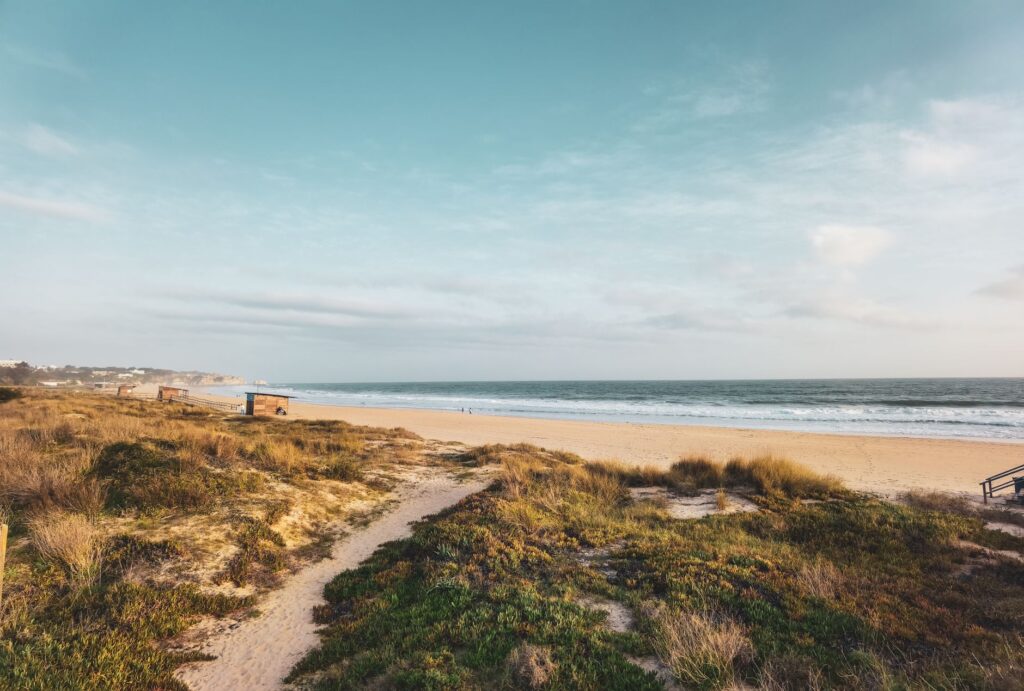
The presence of westerly winds, cool and humid, and easterly winds, drier but capable of significantly altering visibility and sea state, requires maintaining constant meteorological vigilance. Atmospheric pressure patterns in the southwest of the Iberian Peninsula dictate departure rules for light watercraft, sailboats, and tourism support vessels. Planning a nautical expedition in Faro involves assuming that weather conditions can change within hours, emphasizing the importance of securing safe refuge alternatives in local marinas and authorized anchorages within the natural park.
Tidal Dynamics in the Channels of the Ría Formosa
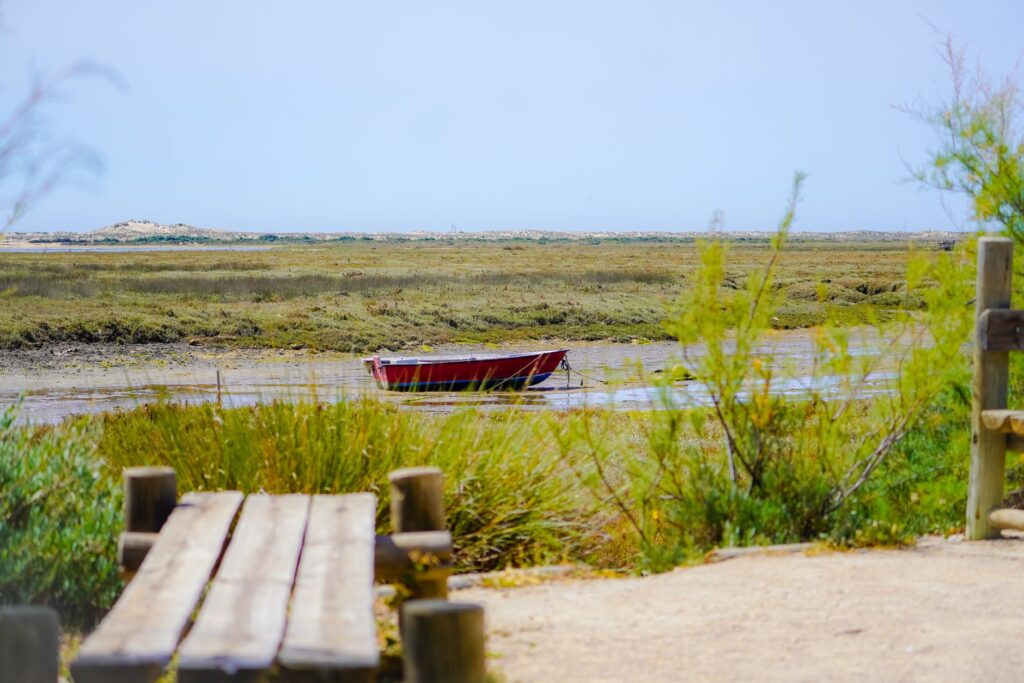
The Ría Formosa functions as a coastal lagoon system separated from the ocean by a dune cord of barrier islands, including Faro Island, Culatra, and Armona. This system is subject to a semidiurnal tidal regime that displaces millions of cubic meters of water twice daily. During spring tides, tidal currents at the estuary inlets can reach considerable speeds, hindering the maneuvering of smaller vessels and requiring special attention to steering control.
Practical knowledge of local hydrodynamics becomes the most valuable safety resource. Navigators must precisely calculate high and low tide times to avoid grounding on the shifting sandbars that characterize the interior of the estuary. Updated nautical cartography is indispensable, as the combined action of wind and currents alters channel bathymetry seasonally. Far from being a static obstacle, water in Faro demands an active and constant reading of the surroundings.
Maritime Safety and Vessel Preparation
Ensuring safe navigation in the waters of Faro requires strict compliance with safety regulations issued by the National Maritime Authority of Portugal. Every vessel, from sea kayaks to motor yachts, must carry approved life-saving equipment corresponding to its navigation category, including fitted life jackets, operational VHF communication systems, and visual signaling devices.
The Captaincy of the Port of Faro issues regular notices regarding temporary restrictions on the bars, especially when ocean swells originating from the North Atlantic generate high-energy waves breaking over the shallow access areas. Respecting these restrictive signals is a fundamental rule of self-protection. Additionally, the physical and mental preparation of crew members against hypothermia or fatigue caused by sun exposure and saline winds forms part of the indispensable protocol before setting sail into open water or entering the labyrinthine channels of the estuary.
The sea in southern Portugal does not reward overconfidence, but rather rigorous respect for its tidal rhythms and changing Atlantic winds.
Ecosystem Protection and Sustainable Navigation
The maritime and terrestrial territory of Faro falls under the stewardship of the Ría Formosa Natural Park, a protected area of vital ecological importance for migratory birds and benthic marine habitats. Navigation in this zone is subject to specific environmental regulations designed to prevent marshland erosion, the degradation of seagrass meadows such as *Zostera noltii*, and the disruption of nesting areas for species such as the western swamphen or the little tern.
Motorized watercraft must strictly adhere to established speed limits within interior channels to prevent destructive wakes along fragile riverbanks. Likewise, anchoring is regulated in sensitive areas to protect seabeds from anchor drag. The traditional seafaring culture of Faro, historically linked to artisanal fishing and bivalve harvesting, coexists today with a model of nautical ecotourism that promotes environmental education as a fundamental tool for conserving the natural heritage of the Algarve.
Maritime Heritage and Port Architecture
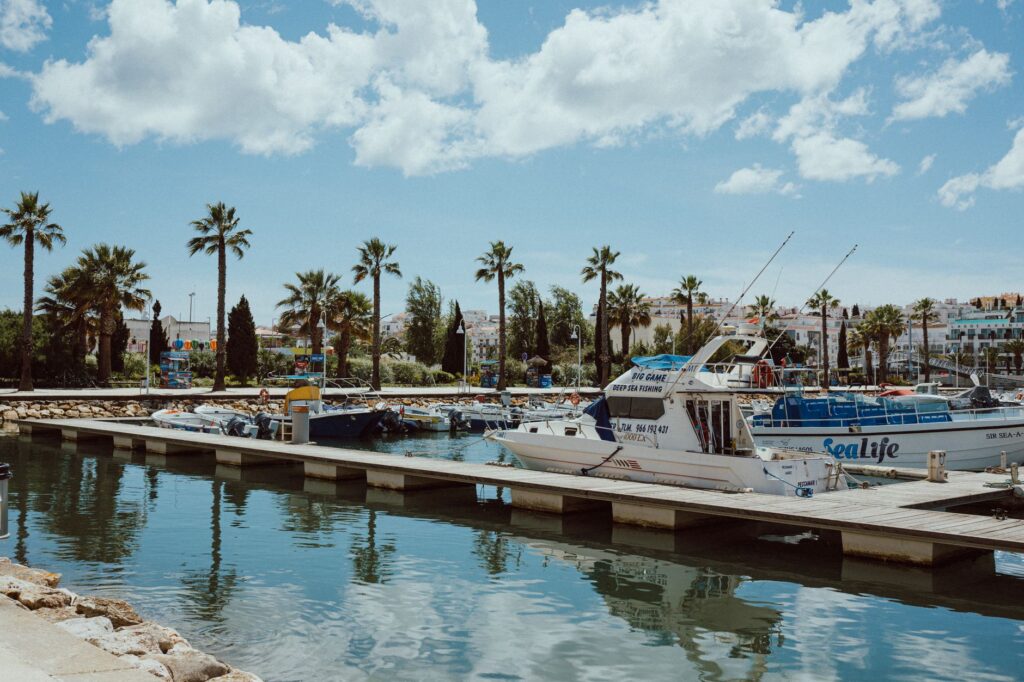
Faro’s relationship with the sea is also reflected in its urban architecture and port heritage. The commercial and recreational port, located next to the walled historic center of Vila Adentro, serves as the nerve center of municipal seafaring activity. The crenellated walls and Renaissance bastions that historically protected the city from corsair incursions now offer an elevated perspective over the pier and basins where fishermen, shellfishermen, and navigators converge.
In traditional docks, rib-carpentry techniques and the maintenance of typical estuary boats, known as *catraias* and lateen-sail craft, endure. This ethnographic heritage, preserved through the efforts of local associations and cultural institutions, documents a way of life adapted to tidal cycles. Walking along the docks at sunset reveals how Faro’s identity has been shaped by its maritime condition, blending naval history with contemporary coastal territory management.
Practical guide
How to get there: Faro International Airport (FAO) is located a few kilometers from the urban center and features regular connections with major European cities. From the Faro train and bus station, situated in the lower part of the city, frequent services operate toward Lisbon and the rest of the Algarve.
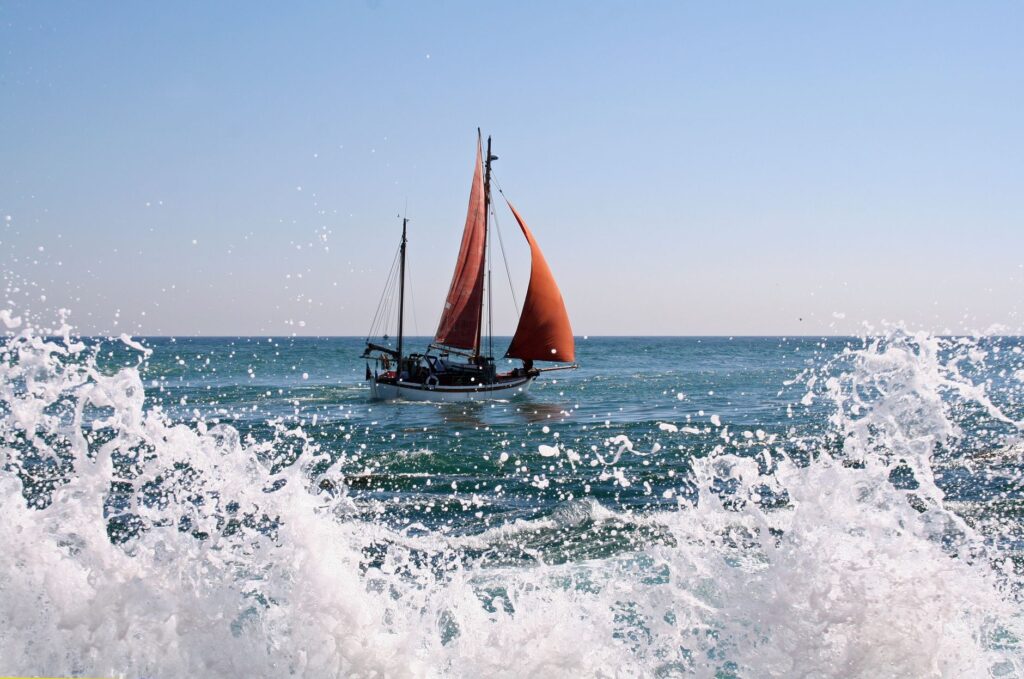
When to visit: The spring months (May to June) and early autumn (September to October) offer the most balanced conditions for navigation and outdoor activities, with moderate temperatures and lower tourist influx.
Requirements and regulations: To anchor or navigate within the Ría Formosa Natural Park, it is mandatory to consult the regulations of the Institute for the Conservation of Nature and Forests (ICNF) and respect speed limits and exclusion zones.
Safety and emergencies: The general emergency number in Portugal is 112. For specific maritime safety matters, the Port Captaincy of Faro coordinates warnings from the National Maritime Authority.
Recommended gear: Breathable windbreaker clothing, non-slip nautical footwear, broad-spectrum sunscreen, updated GPS navigation systems, and official tide tables published by the Hydrographic Institute of Portugal.
The Atlantic Horizon as a Shared Legacy
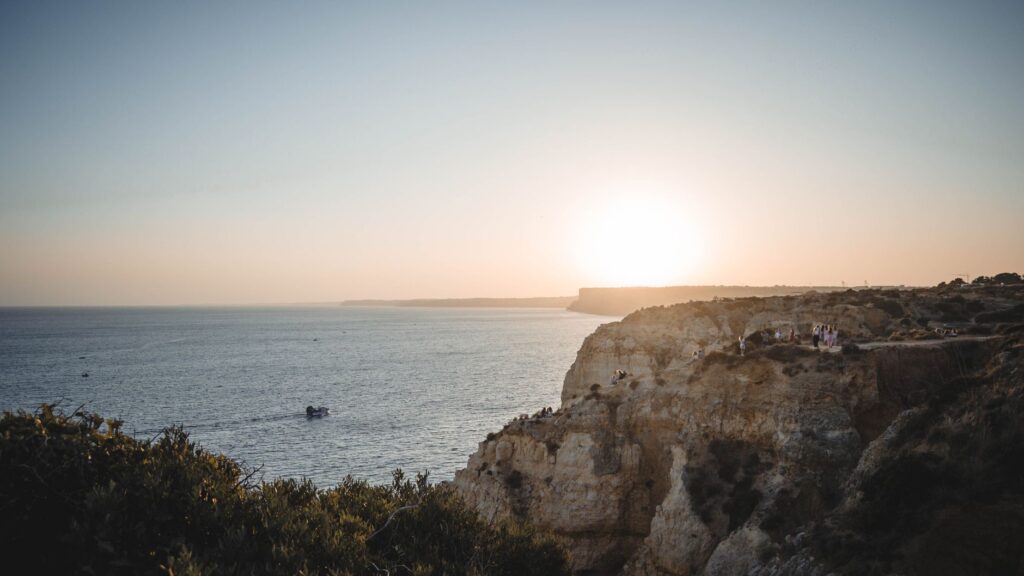
The journey across Faro’s maritime façade concludes with a gaze toward the vast horizon of the Atlantic Ocean, where the golden light of sunset illuminates the diffuse contours of the barrier islands. This landscape, shaped by the delicate balance between the force of the sea and the stability of the land, represents a living testimony to human adaptation to a constantly changing environment. The conservation of this natural and cultural heritage demands a continuous commitment to prudence, technical rigor, and absolute respect for the fragile marine ecosystems that define the essence of southern Portugal.