
Neuchâtel, Switzerland: Where Limestone and Clocks Shape the Lake Memory
Discover the local identity, daily life, and heritage of Neuchâtel, Switzerland, through a leisurely journey along its cobbled streets and traditional craftsmanship.
A Landscape Sculpted by Water and Stone
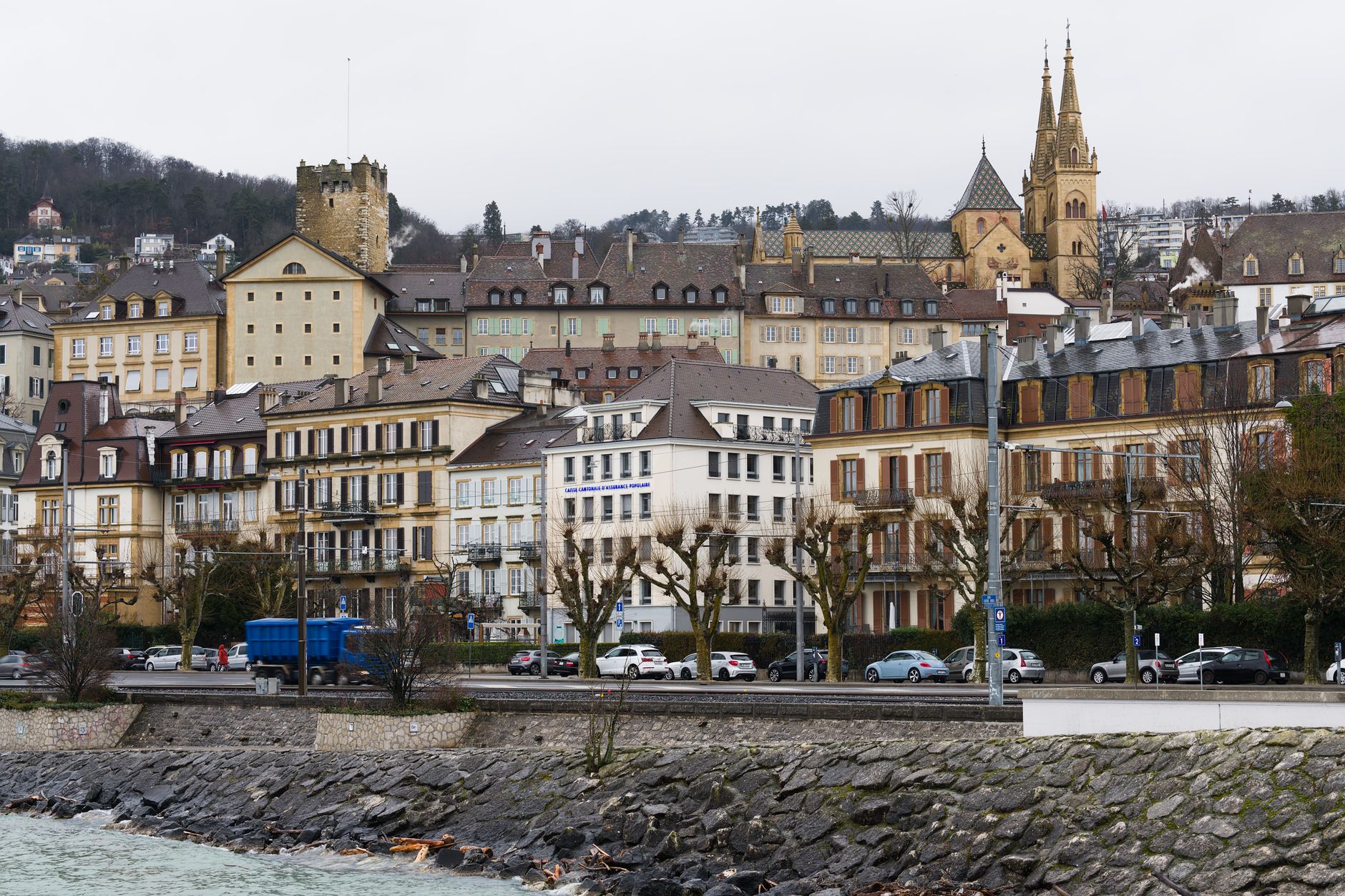
On the shores of the lake of the same name, the city of Neuchâtel, in Switzerland, displays an urban profile where the limestone of Hauterive defines the personality of each facade. This material, quarried for centuries from local sources, gives historical buildings a characteristic ochre and golden tone that changes subtly depending on the intensity of the alpine light. Far from the hustle and bustle of the country’s major financial centers, this locality of just over thirty thousand inhabitants maintains a leisurely pace, marked by the coming and going of steamships and the constant murmur of waters brushing against the docks.
The geography of the place imposes a natural transition between the lacustrine plain and the steep slopes of the Jura. The streets of the old town ascend in terraced steps, connected by steep staircases and vaulted passages that invite discovery on foot. In this environment, daily life unfolds among arcaded squares where neighbors gather in the morning to acquire local products, maintaining deeply rooted customs that value unhurried exchange over modern immediacy.
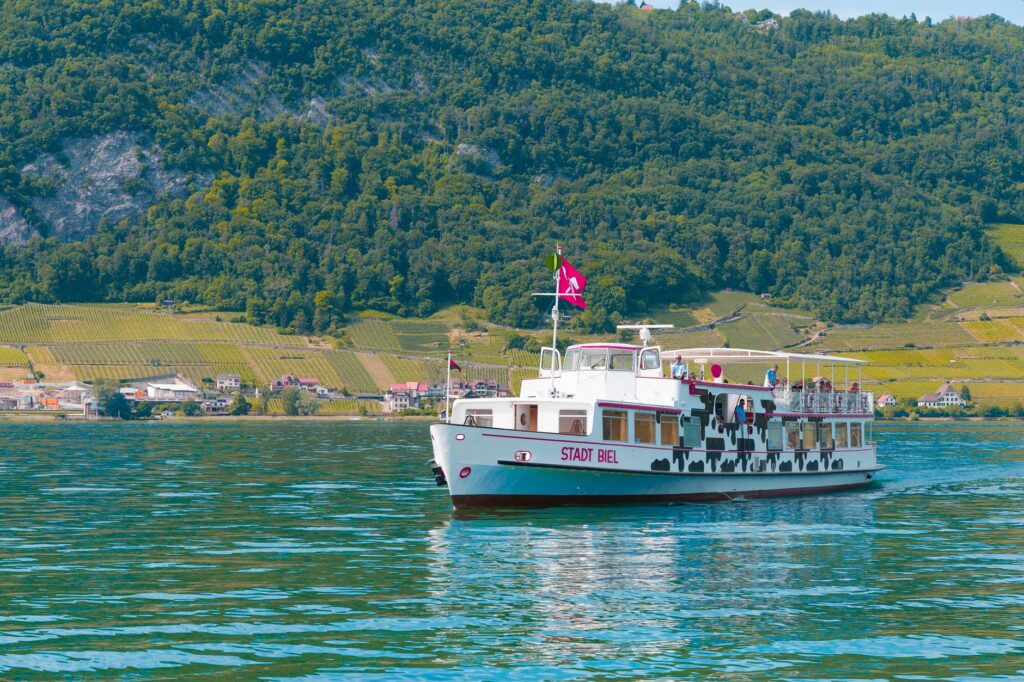
Respect for the urban environment is manifested in the preservation of its public spaces and in the architectural harmony that endures through the centuries. The inhabitants understand that their heritage is not merely a visual showcase, but a living habitat that requires constant attention and sustainable practices. The management of public space prioritizes collective well-being and the reduction of the ecological footprint, integrating sustainable mobility into everyday life.
The Craft Pulse That Defied Time
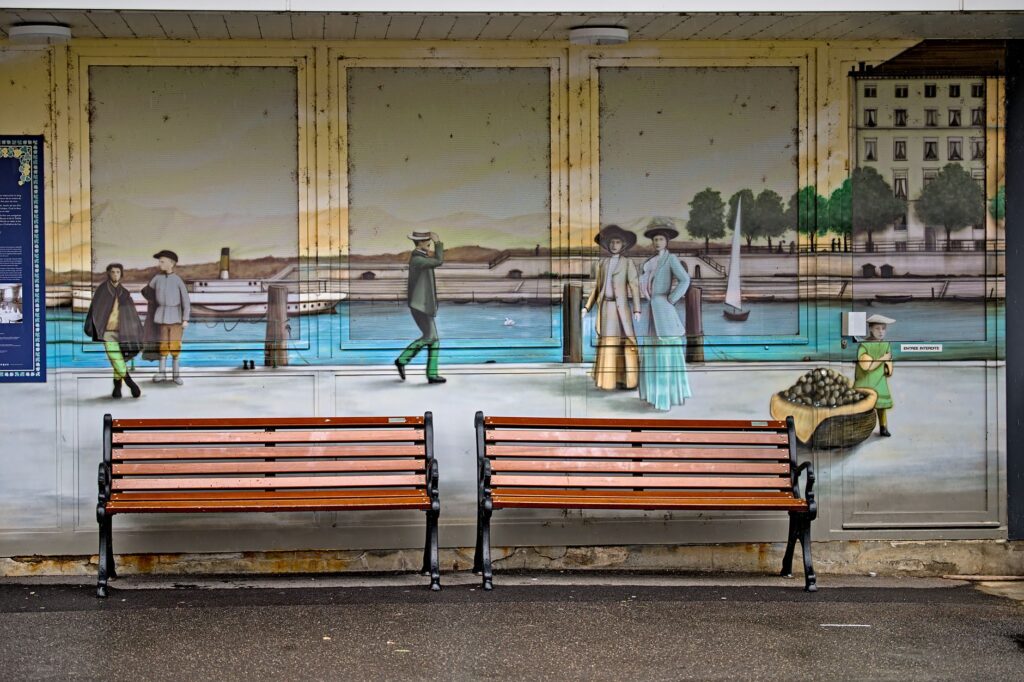
The economic and cultural history of Neuchâtel is inextricably linked to high watchmaking, an art that transformed a rural winter activity into a globally recognized industrial precision. During the eighteenth and nineteenth centuries, the surrounding valleys and urban workshops specialized in the creation of complex mechanisms, turning patience and detail into the social engine of the region. Today, although technology has evolved toward microengineering and advanced electronics, respect for the manual craft remains alive in restored workshops and specialized museums that safeguard this heritage.
This legacy is not limited to precision machinery, but permeates the character of its inhabitants. Punctuality and rigor are not perceived as external impositions, but as a natural prolongation of the physical environment and a tradition of mastery accumulated over generations. Current artisans continue to experiment with traditional techniques, ensuring that the accumulated knowledge about gears and enamels is not lost in the digital age.
The generational transmission of this knowledge fosters a strong sense of belonging and local pride. Technical schools and training workshops in the region continue to attract talent interested in preserving the quality standards that gave international fame to this area of Switzerland. Each piece crafted under these criteria reflects a philosophy where durability and aesthetics ally against planned obsolescence.
Strolls Through Medieval and Gothic History
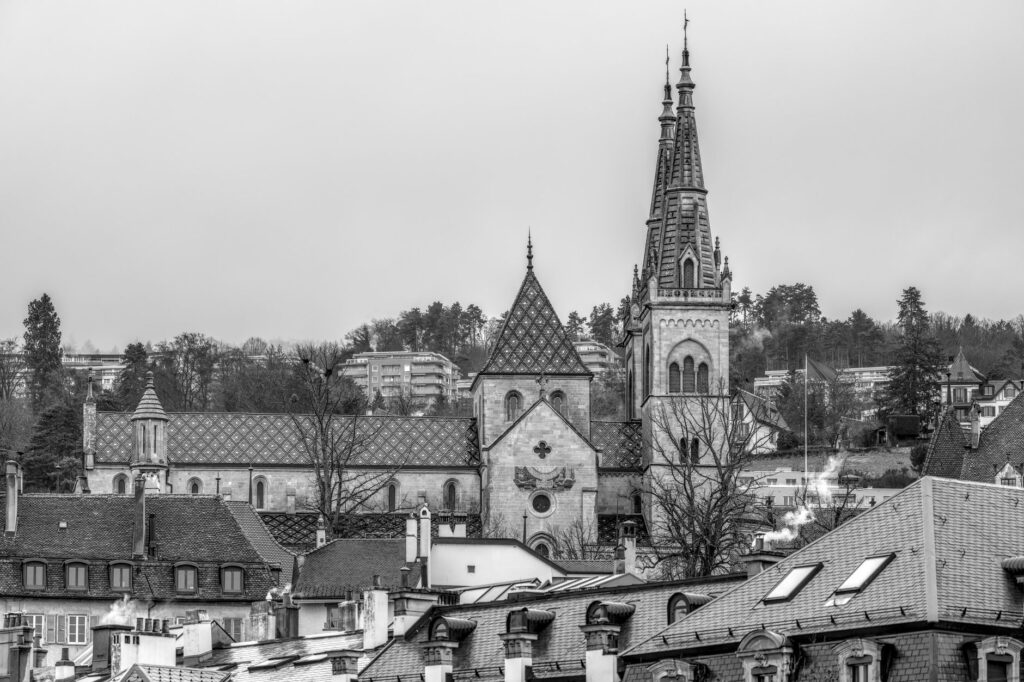
The architectural ensemble of the historic center constitutes one of the best-preserved treasures in Switzerland. The castle of Neuchâtel, erected atop a hill overlooking the lake, dominates the urban landscape with its imposing fortified towers and adjacent collegiate church, a late Gothic temple housing the famous cenotaph of the counts of Neuchâtel, a masterpiece of medieval polychrome sculpture.
Touring these monuments allows one to understand the complex geopolitical evolution of the territory, which passed through Burgundian, Prussian, and Helvetic influences before definitively integrating into the Swiss Confederation. Every sandstone wall and ogival window recounts centuries of alliances, wine trade, and feudal disputes, preserving an atmosphere of sobriety and elegance that resists the passage of decades without touristic artifice.
Restoration interventions on these historic monuments are carried out following strict heritage conservation criteria, using traditional materials that respect the authenticity of the original buildings. This guarantees that future generations can appreciate the exact construction details conceived by medieval and Renaissance master builders.
Daily Life Beside the Lacustrine Mirror
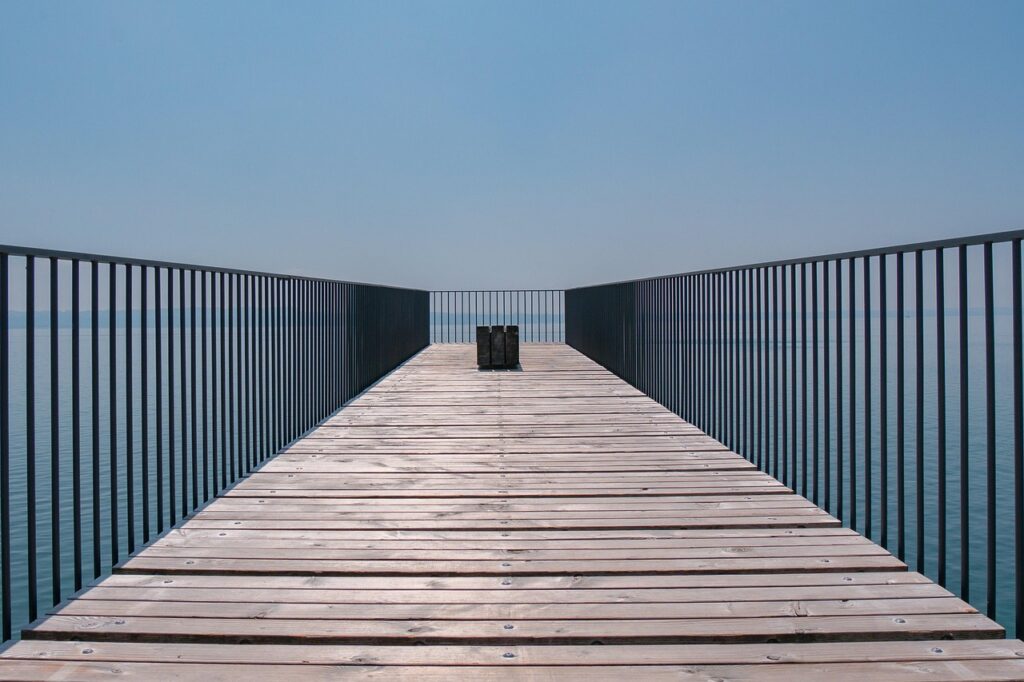
Lake Neuchâtel acts as a true geographical and emotional heart for the community. During the warmer months, the tree-lined promenades bordering the shore fill with cyclists, walkers, and families enjoying the constant breeze. Local fishing guilds continue to extract species such as perch and whitefish from the lake bed, which are subsequently served in traditional area restaurants accompanied by white wines cultivated on the sunny slopes of the region, known as the Vignoble.
This symbiotic relationship with the natural environment fosters a deeply rooted ecological awareness among residents. Municipal regulations rigorously protect water quality and aquatic bird nesting areas, ensuring that urban development respects the delicate balances of the surrounding ecosystem. The arriving visitor soon discovers that the greatest attraction lies in integrating into this harmonic flow of environmental respect and civism.
Citizen participation in the cleanup of natural spaces and the monitoring of local biodiversity is a common practice. Nautical clubs and neighborhood associations collaborate closely with authorities to maintain the balance between recreational activities and the protection of aquatic fauna.
The true wealth of a place does not reside in the grandiosity of its monuments, but in the fidelity with which its inhabitants tend the invisible thread of their daily memory.
Green Heritage and Meeting Spaces
Beyond stone and water, Neuchâtel stands out for a network of public parks and botanical gardens that act as green lungs for the city. The Botanical Garden, situated in the Ermitage hills, offers an exhaustive sample of alpine flora and medicinal plants, serving both as an educational center and a refuge of tranquility for those seeking silent contemplation.
These spaces foster intergenerational coexistence. It is not uncommon to find older individuals sharing local anecdotes with university students from various parts of Europe, attracted by the academic reputation of the region. The integration of nature into the urban fabric reinforces a collective identity based on shared well-being and the preservation of landscape heritage.
The maintenance of these plant environments is governed by sustainable gardening principles, minimizing the use of chemical products and encouraging the presence of native species that attract pollinators and strengthen urban biodiversity.
Responsible Practices for the Visitor
Tourism in Neuchâtel is founded on the premise of leaving the smallest possible footprint on the territory. Travelers are invited to prioritize travel on foot, by bicycle, or through the use of the local public transport network, thereby reducing congestion and emissions in historic lanes. Similarly, consumption in neighborhood shops and local markets ensures that the visitor’s economy directly supports the producers and artisans of the region.
Respect for the tranquility of residential neighborhoods and attention to local waste management regulations are fundamental pillars for harmonious coexistence between the resident community and those temporarily visiting the city. The adoption of these guidelines ensures the long-term preservation of the natural and cultural resources that characterize this Swiss enclave.
Practical Guide
- How to get there: The city is perfectly connected via the Swiss rail network, with regular services from Geneva, Bern, and Zurich.
- Local transport: The public transport system includes buses and urban funiculars. Additionally, using the local tourist card facilitates free access to museums and transport during the stay.
- When to visit: Spring and summer offer optimal temperatures to tour the lake and vineyards, while autumn stands out for the grape harvest and golden colors in the forests.
- Gastronomy: It is essential to try fresh lake fish accompanied by local wines with the Neuchâtel denomination of origin.
- Accommodation: Varied options range from historic hotels in the old town to modern establishments right by the lake shore.
Final Reflection Before the Alpine Horizon
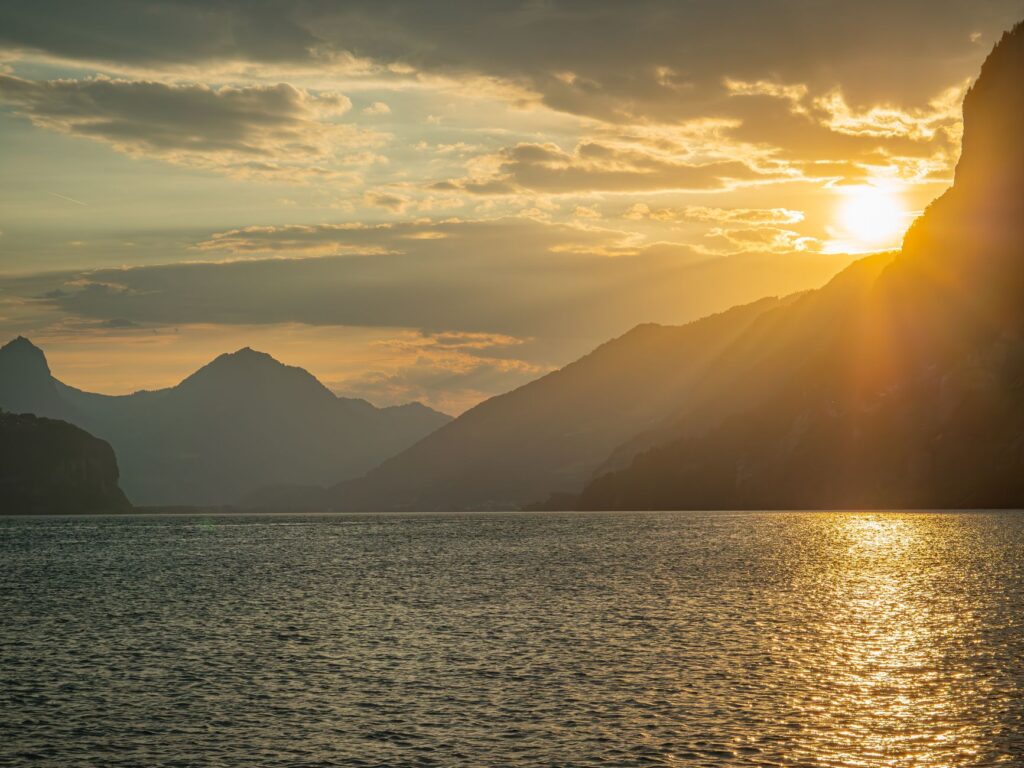
At dusk, when the last rays of sun set stone facades ablaze and the silhouette of snow-capped mountains blurs on the horizon, Neuchâtel reveals its true essence. It is not a stage set designed for the fleeting traveler, but a living community that has known how to safeguard its past without renouncing the comforts of the present. Every corner invites a pause, reminding us that time, well measured and better lived, is the most valuable resource any territory can offer to those who stop to observe it.