
Charlottenlund, Denmark: The Transition Between Manor Green and the Skies of Copenhagen
A Residential Enclave in Northern Copenhagen
Situated within the capital region of Denmark, the area of Charlottenlund stands out for its balance between the tranquility of its natural spaces and its proximity to metropolitan bustle. With a population numbering around forty thousand residents in its broader administrative demarcation, this locality functions as a strategic point where daily mobility integrates seamlessly with an efficient, human-scale transportation network.
The relationship between this municipality and air and rail traffic cannot be understood without examining its geographical position. Located just a few kilometers from the country’s primary commercial aviation hubs, residents and visitors of Charlottenlund experience a fluid transition between tree-lined residential living and the terminals connecting Scandinavia to the rest of the world.
The urban planning of this Danish sector prioritizes the comfort and well-being of the citizenry, ensuring that terrestrial communication routes meet the most stringent standards of punctuality and safety, which are essential elements for those who need to connect with international flights on a consistent basis.
The careful curation of the urban environment is reflected in the absence of massive architectural barriers and in the integration of green corridors that accompany the traveler from the moment they step out of their front door until the start of their railway journey toward major global transport connections.
Urban Architecture and Historical Heritage
The urban landscape of Charlottenlund is characterized by low-rise buildings, wide tree-lined avenues, and the constant presence of historic parks such as the famous Charlottenlund Park and its baroque palace. This architectural layout dictates the way citizens move around, prioritizing bicycles, walking, and local rail connections over heavy private transport.
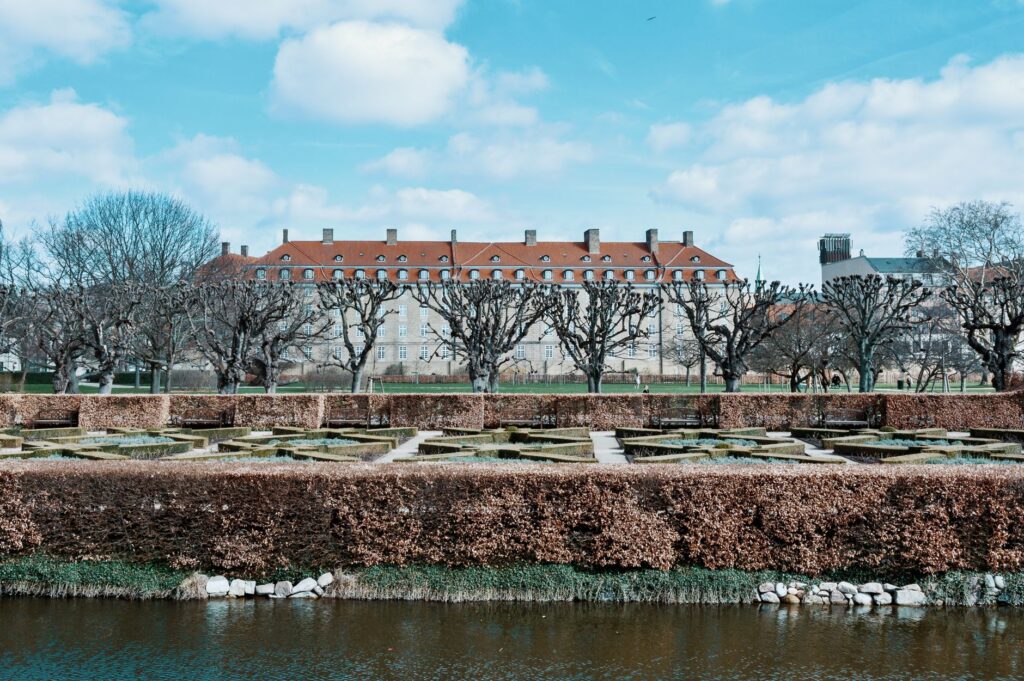
The local train stations, integrated into Copenhagen’s S-tog commuter rail network, allow travelers to reach the city center and direct connections to the international airport in under thirty minutes. This fluidity reduces the need for large parking infrastructures within residential neighborhoods, preserving the peaceful character of the surroundings.
Heritage elements coexist harmoniously with modern transport infrastructure, demonstrating that respect for architectural history is by no means incompatible with the modernization of access points or the optimization of daily commutes.
Historic facades and protected gardens create an atmosphere where time seems to move with greater serenity, offering an exceptionally attractive contrast against the dizzying activity characteristic of contemporary air terminals.
The Passenger Experience and Intermodality
Traveling from Charlottenlund toward major air connection hubs illustrates the Scandinavian model of integrated transport. The traveler can leave their home, walk or pedal to the local station, board a punctual and synchronized train, and link directly with express trains arriving at international departure terminals without any logistical complications.
This system drastically reduces the stress associated with traveling to airport facilities. The punctuality of railway operators and clear station signage facilitate a predictable and orderly user experience, which are core values within Denmark’s mobility culture.
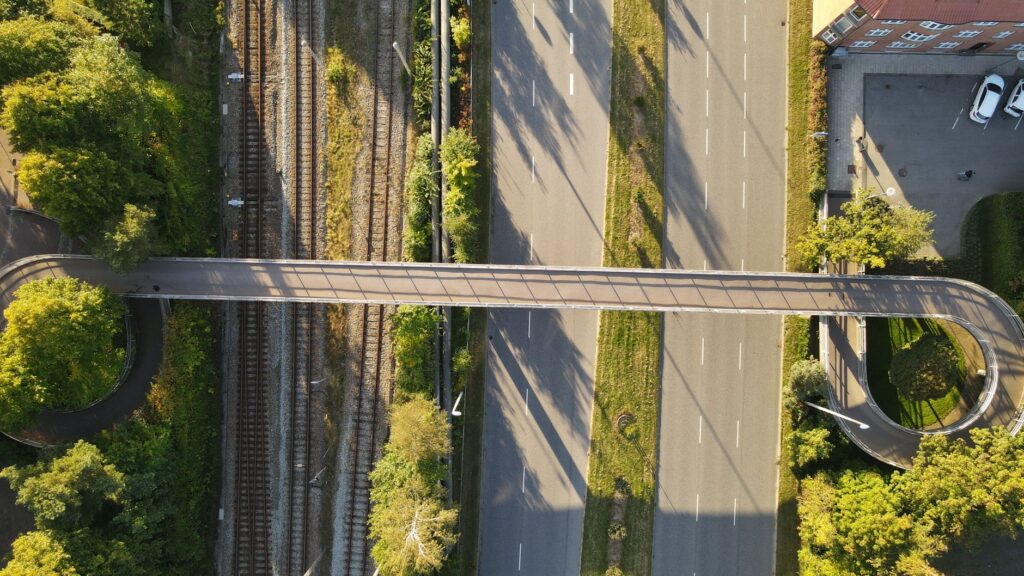
The clarity of panel information and the ease of purchasing unified transport tickets allow both regular residents and foreign visitors to navigate the network without confusion, optimizing every minute of the journey toward their respective flights.
The predictability of schedules enables users to plan their travel days with a very high margin of safety, minimizing unforeseen setbacks on long-distance connections.
Sustainability and Design at the Service of the Traveler
The commitment to emission reduction defines a major portion of transport policies within the municipality of Gentofte, to which Charlottenlund belongs. Protected bike lanes systematically converge with public transport stops, allowing a frictionless transition between active mobility and higher-capacity collective transport modes.
The efficient interconnection between the bicycle, the train, and air links represents the core of the sustainable mobility strategy in this Danish region.
Furthermore, urban design avoids visual saturation and prioritizes universal accessibility across all stops and platforms, ensuring that individuals with reduced mobility or families with luggage can travel with complete autonomy toward their travel destinations.
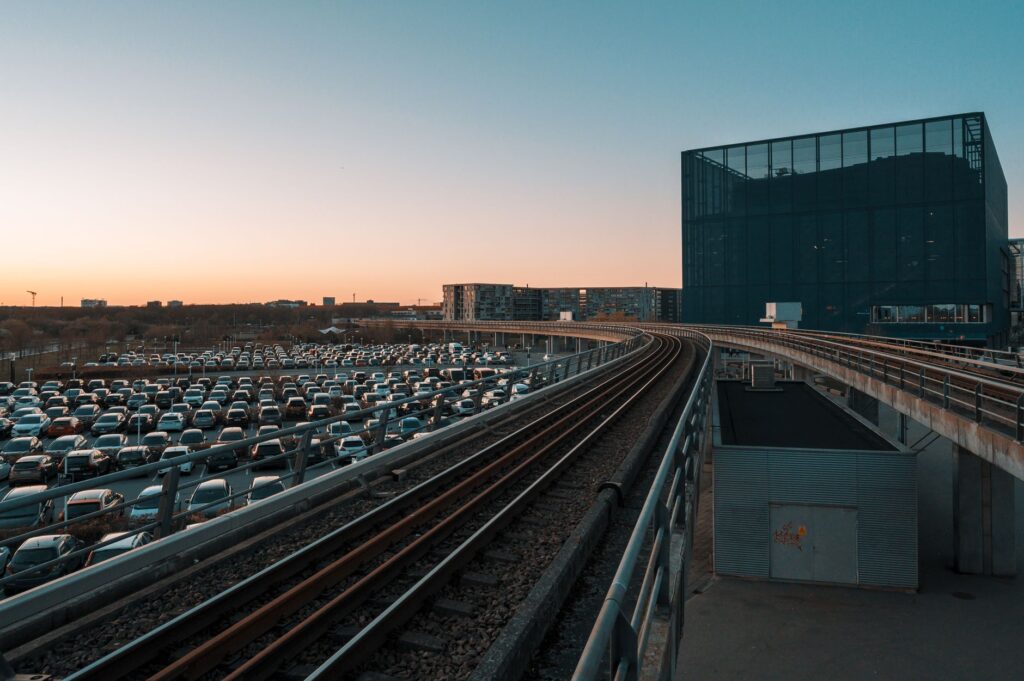
Local environmental policies encourage the use of clean technologies in connecting buses and support the expansion of charging points for shared electric vehicles, consolidating an environmentally respectful transport ecosystem.
This comprehensive approach ensures that the growth of mobility does not compromise air quality or the acoustic comfort of local residents.
Frictionless International Connectivity
Although Charlottenlund does not house an air terminal within its territory, its proximity to Denmark’s main international airport places its inhabitants at a competitive distance from global routes. Direct rail connections act as an invisible extension of boarding gates, allowing travelers to check luggage or plan international itineraries with the certainty of a rigorous timetable.
The true efficiency of a transport system is measured not solely by the speed of its aircraft, but by the tranquility and predictability of the journey experienced by the passenger from their front doorstep to the plane.
This symbiosis between the residential environment and high external connectivity demonstrates that urban development can coexist harmoniously with proximity to large global transport infrastructure.
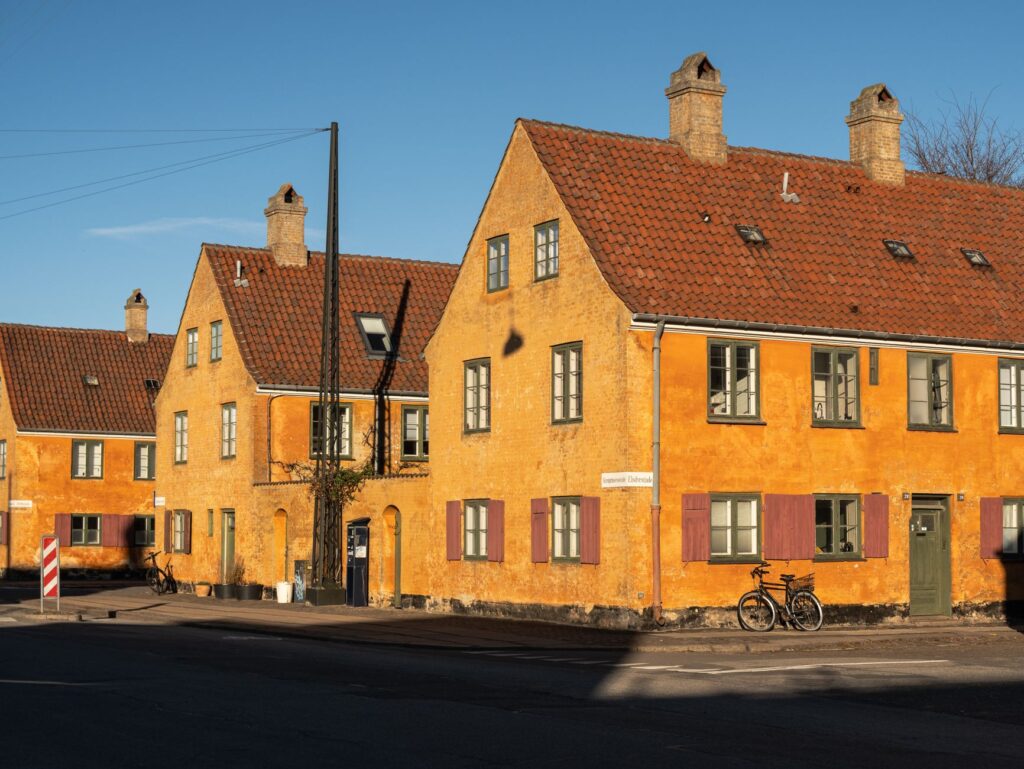
The synchronization between regional train schedules and main flight departures minimizes waiting times at terminals, enabling much more efficient time management for professionals and frequent flyers.
The absence of congestion in local access routes ensures that outbound flows toward international paths remain constant and fluid throughout the entire year.
Landscape, Territory, and Daily Well-being
The bond between the inhabitants of Charlottenlund and their territorial surroundings is manifested in the preservation of open spaces and coastal zones that invite relaxation. This quality of life acts as a perfect counterpoint to the dynamism demanded by long-distance travel and international airport operations.
Walking paths and wooded trails foster a leisurely lifestyle that contrasts pleasantly with the rapid pace of air travel, offering an ideal refuge to recover calm after returning from any international destination.
The landscape integration of communication routes guarantees that the presence of modern infrastructure does not alter the visual harmony of residential neighborhoods or degrade the ecological value of the coastal strip.
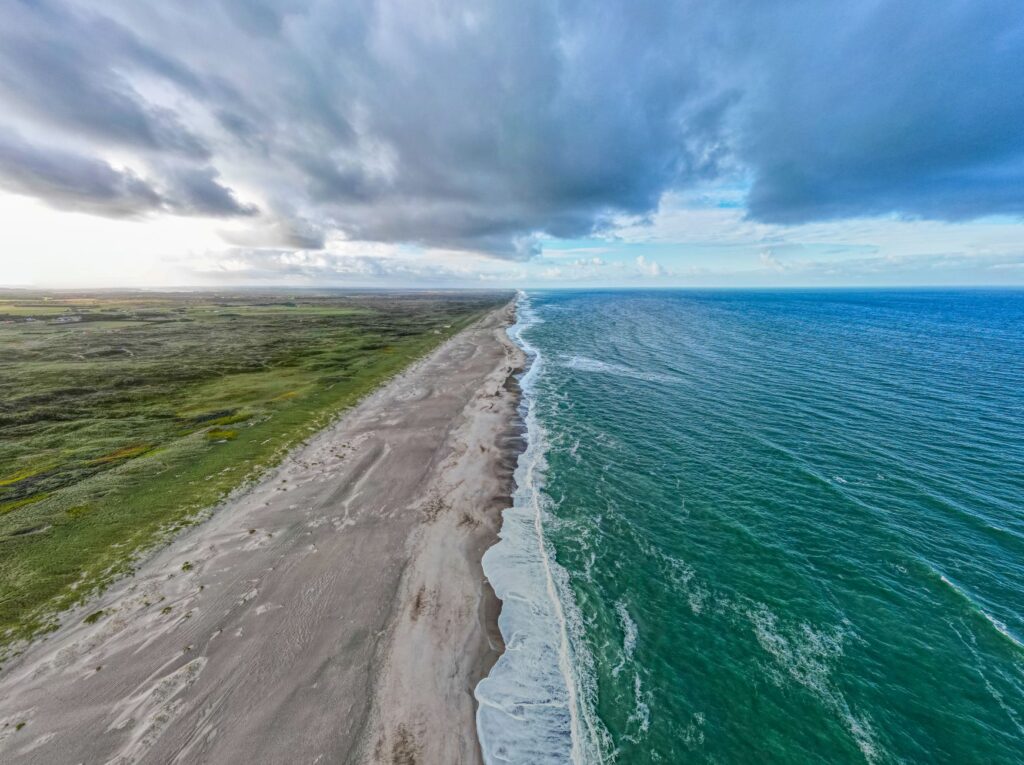
Daily contact with nature reinforces a deeply rooted sense of belonging and community among those who choose this area for their permanent residence.
Practical Guide
How to get there: From Copenhagen International Airport, it is possible to take a direct regional or commuter train (S-tog) northward toward Charlottenlund, with an estimated travel time of under 40 minutes.
Local transport: The bicycle is the ideal means of getting around the area. There are marked lanes on all main arteries and secure connections to railway stations.
Integrated tickets: The public transport system uses contactless cards and mobile applications compatible with the entire metropolitan region, allowing train and bus to be combined with a single pass.
Best time to visit: The spring and summer months offer optimal weather conditions for exploring the green spaces and the Øresund coast on foot or by bicycle.
A Horizon of Calm by the Sea
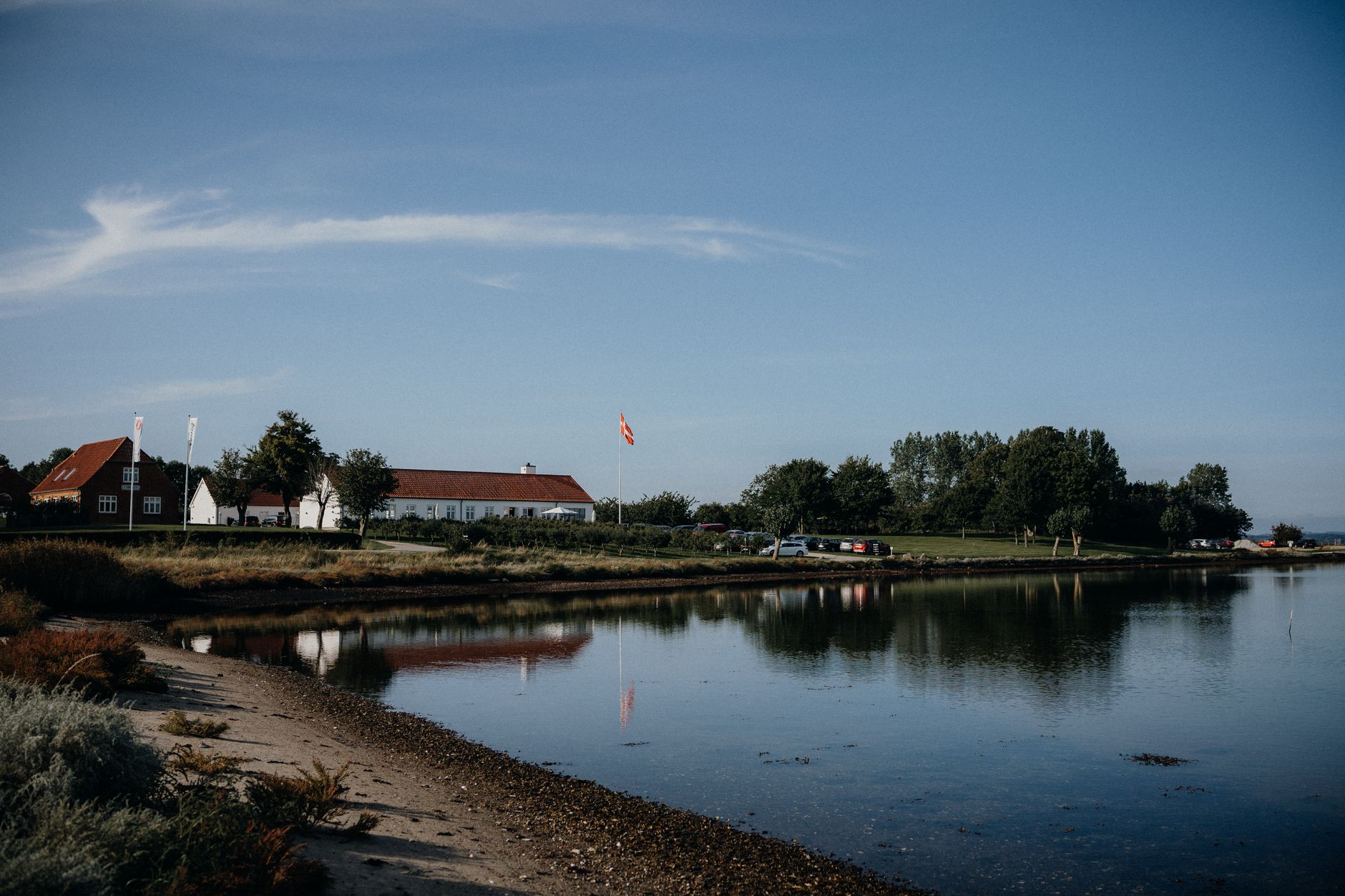
Concluding the journey along the coast of Charlottenlund, facing the Øresund Strait, allows one to grasp the true meaning of this territory. While airplanes trace silent lines in the distant southern sky, the sea breeze and the silhouette of anchored sailboats remind us that, even in the vicinity of an international transport node, the human rhythm remains the true protagonist of the Danish landscape.
This balance between high global connectivity and the serenity of a protected natural environment consolidates this locality as a model benchmark of urbanism and quality of life in Northern Europe.