
The Southern Gateway to the Souss Valley
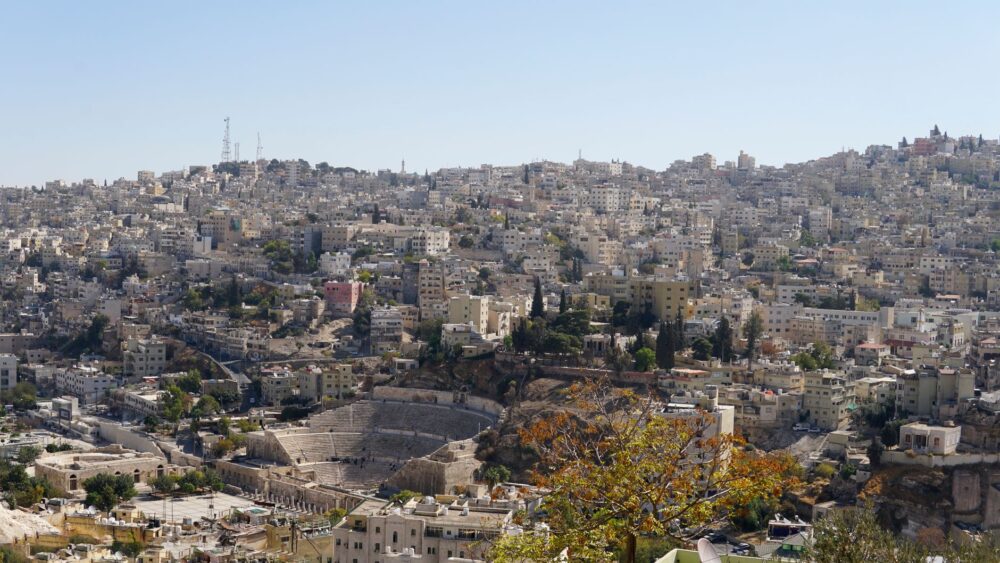
At the heart of the Moroccan region of Souss-Massa, the town of Ait Melloul unfolds as a fundamental node where the flatland geography converges with trade routes descending toward the south of the country. With a population exceeding one hundred eighty thousand residents and an average elevation of around twenty meters above sea level, this urban and semi-urban enclave balances the agricultural activity of its surroundings with constant mercantile dynamism. Far from traditional monumental routes, the city is structured through a hardworking daily routine where local markets, artisan workshops, and daily comings and goings shape an identity deeply rooted in the North African landscape.
Dawn in Ait Melloul, usually arriving before seven in the morning depending on the time of year, inaugurates a day marked by the movement of goods and the setting up of market stalls in the souks. Local residents walk along streets and avenues where inherited commercial traditions meet the needs of a growing population. This steady flow of people reflects an economic vitality based on the exchange of agricultural products, textiles, and local manufactures, cementing the town as a neuralgic meeting point in the alluvial plain of the Souss River.
Commercial Heritage and Provisions Markets
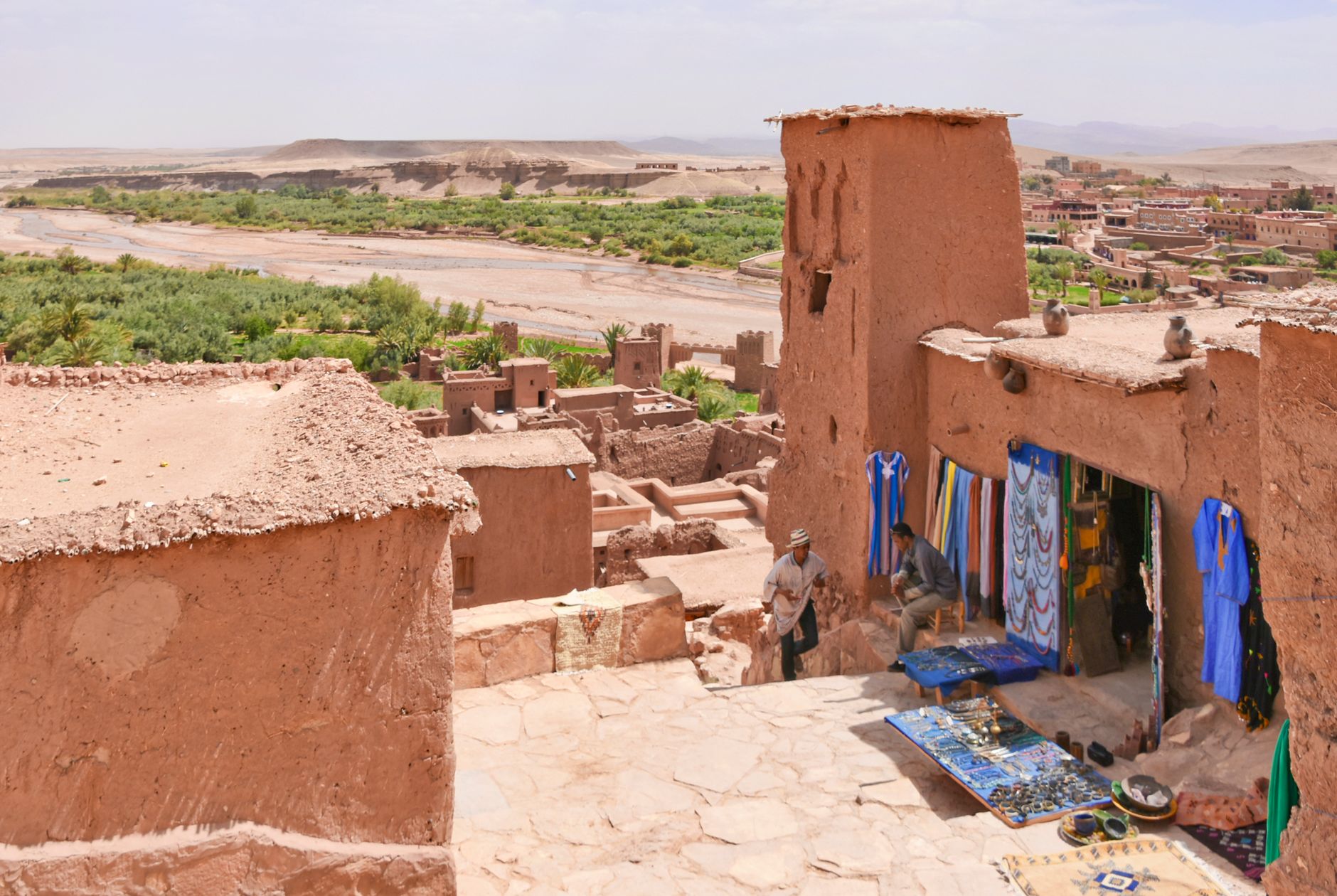
The urban structure of Ait Melloul revolves around its commerce and supply spaces, considered the true social engine of the community. Daily and weekly markets are not mere economic transaction points, but authentic stages of socialization where knowledge passed down through generations is preserved. Here, farmers from surrounding rural areas intersect with urban merchants and buyers, generating a constant dialogue between countryside and city that defines the human landscape of the region.
In these spaces, the authenticity of local products is prized, from vegetables harvested in fertile valleys to textile pieces crafted using traditional techniques. The layout of the stalls and the organization of commercial guilds respond to a historical logic of coexistence and mutual respect. For the visitor arriving to understand the reality of the country, observing this mercantile machinery offers a genuine perspective on Moroccan domestic life, far removed from purely touristic circuits.
Everyday commerce in the markets of Ait Melloul represents the living memory of a people who have successfully linked their agricultural past with present-day demands.
Urban Architecture and Landscape Transformation
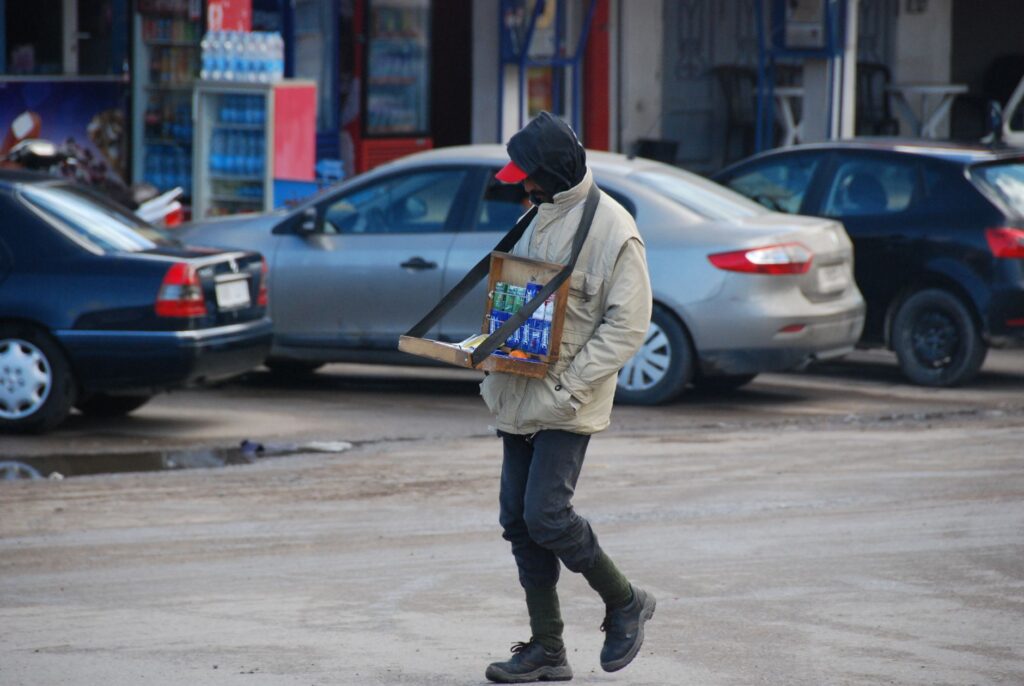
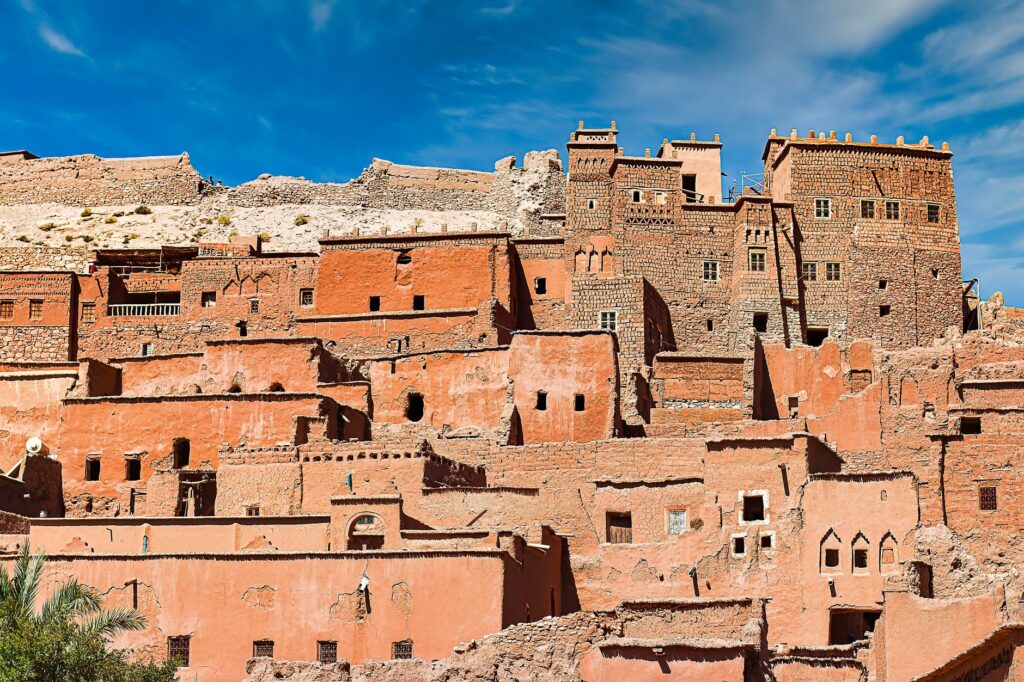
Architecturally, Ait Melloul showcases the transition between traditional adobe building methods and the expansion of contemporary masonry volumes. Residential and commercial buildings adapt to the semi-arid climate of the region, prioritizing interior courtyards, protective walls against heat, and a layout that fosters community life. Main streets channel a mixed traffic of utility vehicles, bicycles, and pedestrians, drawing an urban landscape in full evolution.
This physical growth of the municipality is supported by planning aimed at accommodating a diverse and young population. The coexistence between traditional neighborhoods and new expansion areas evidences a constant effort to provide basic services to all sectors of the locality. Utilitarian and functional architecture responds directly to the practical needs of its residents, prioritizing habitability and territorial roots over monumentality.
Daily Life and Community Identity
Everyday life in Ait Melloul unfolds at the pace set by local customs and labor obligations. From the early morning hours, neighborhood cafes fill with neighbors sharing mint tea and conversations about current affairs, harvest prices, or family projects. This solid social fabric is the main pillar of the community, where neighborly solidarity and respect for elders continue to govern the rules of coexistence.
Local associations play a prominent role in the cultural and educational dynamism of the municipality, driving initiatives that foster citizen participation and the preservation of intangible heritage. Through workshops, gatherings, and community activities, the aim is to transmit the value of local identity to younger generations, ensuring that rapid urban development does not dilute the traditions that give meaning to life in common.
Local Gastronomy and the Flavors of Souss
The cuisine of Ait Melloul is a faithful reflection of the agricultural wealth of the Souss Valley and the Berber and Moroccan culinary tradition. Everyday dishes are prepared with fresh ingredients from nearby orchards, highlighting the use of seasonal vegetables, local meats, and a careful selection of spices that enhance flavors without masking them. Traditional couscous, slow-cooked tagines, and nourishing soups such as harira form an essential part of the family diet.
Traditional food establishments and local markets offer visitors the opportunity to taste recipes passed down orally from mothers to daughters. Freshly baked bread in communal or neighborhood ovens accompanies every meal, symbolizing hospitality and sharing. This simple yet nuanced gastronomic culture invites an understanding of how food in the region is inextricably linked to earth cycles and respect for natural produce.
The Natural Environment and Resource Management
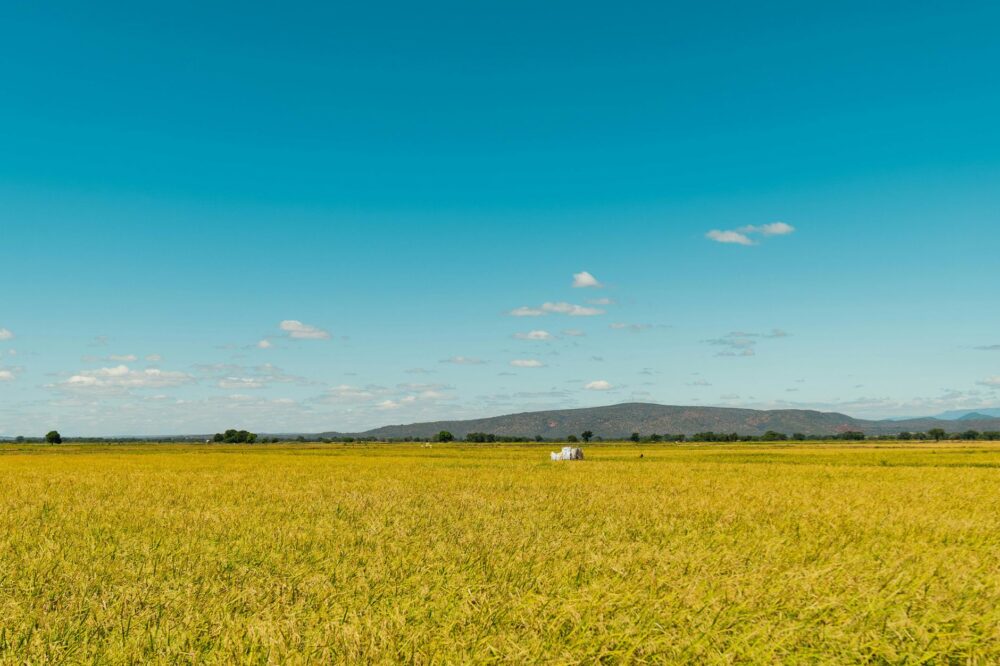
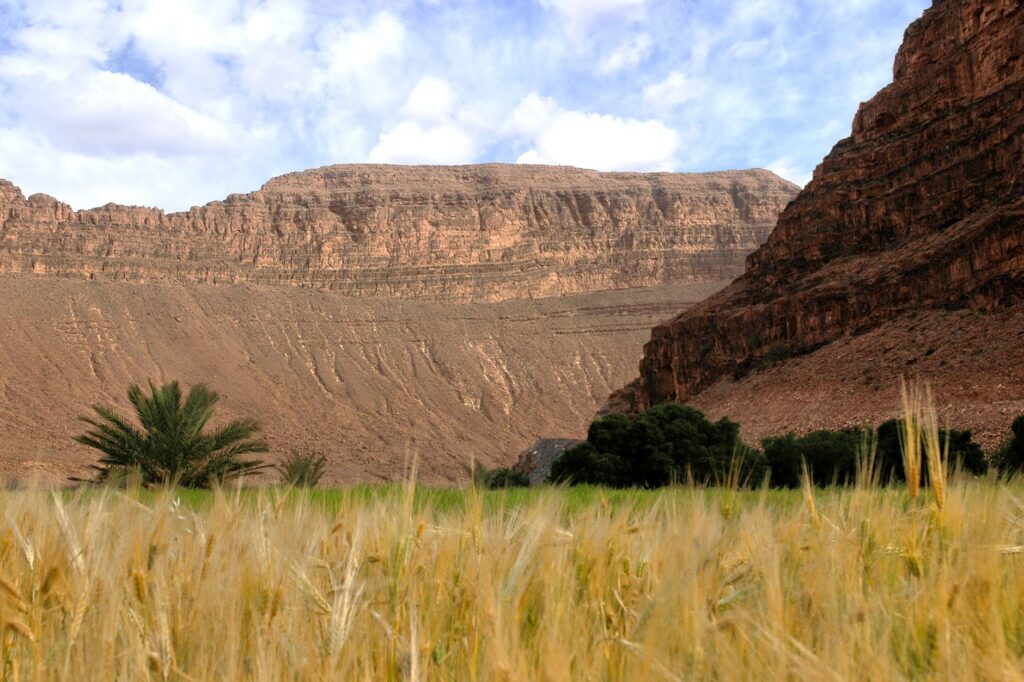
Situated in the Souss-Massa plain, the area surrounding Ait Melloul is characterized by its biodiversity adapted to water scarcity conditions. Farmlands benefit from traditional and modern irrigation systems that seek to optimize every drop of available water. The natural landscape, marked by the presence of fruit trees and irrigated crops, contrasts with the surrounding arid zones, creating a visual mosaic of great ecological and scenic interest.
Environmental sustainability awareness has gained ground among local administration and residents alike. The protection of underground aquifers and the efficient use of natural resources are central themes in territorial planning. For those exploring the surroundings, understanding these ecological limitations fosters a respectful attitude toward the environment, recognizing the daily effort required to maintain land fertility in this African latitude.
Responsible Choices for the Visitor
Exploring Ait Melloul and its surroundings requires an attitude of listening and respect from the traveler toward the cultural norms of the host community. Responsible tourism in this area is not based on large hotel infrastructures, but on respectful interaction, the consumption of local products, and support for the local economy. Dressing modestly, asking permission before photographing people or private spaces, and valuing the authenticity of the place are basic principles for harmonious coexistence.
Likewise, prioritizing travel on foot or via shared transport helps reduce environmental impact and allows for a closer appreciation of street life. The conscious traveler thus becomes a respectful observer who enriches their experience through mutual understanding, allowing the true essence of the territory to reveal itself naturally and without artifice.
Respect for local customs and support for nearby commerce are the essential keys to a truly enriching and ethical travel experience in Morocco.
Practical guide
- How to get there: Access is primarily by road from the city of Agadir, located a few kilometers to the north, using regular buses, shared taxis, or rental vehicles.
- When to go: The autumn, winter, and spring months offer milder and more pleasant temperatures for exploring markets and the natural environment.
- Currency: The official currency is the Moroccan dirham (MAD). It is advisable to carry cash in local currency for small purchases in souks and traditional shops.
- Language: Moroccan Arabic and Berber languages are in daily use, although French is commonly used in administrative and commercial spheres.
- Accommodation: Hotel options are limited within the town itself, so many visitors choose to stay in Agadir and make daytime trips.
- Attire: It is advisable to wear modest clothing covering shoulders and knees, in accordance with local customs in the region.
- Recommended gastronomy: Try local vegetable tagines and traditional bread in small establishments within the town center.
- Photographic respect: Always request authorization before taking photographs of local merchants and residents in markets.
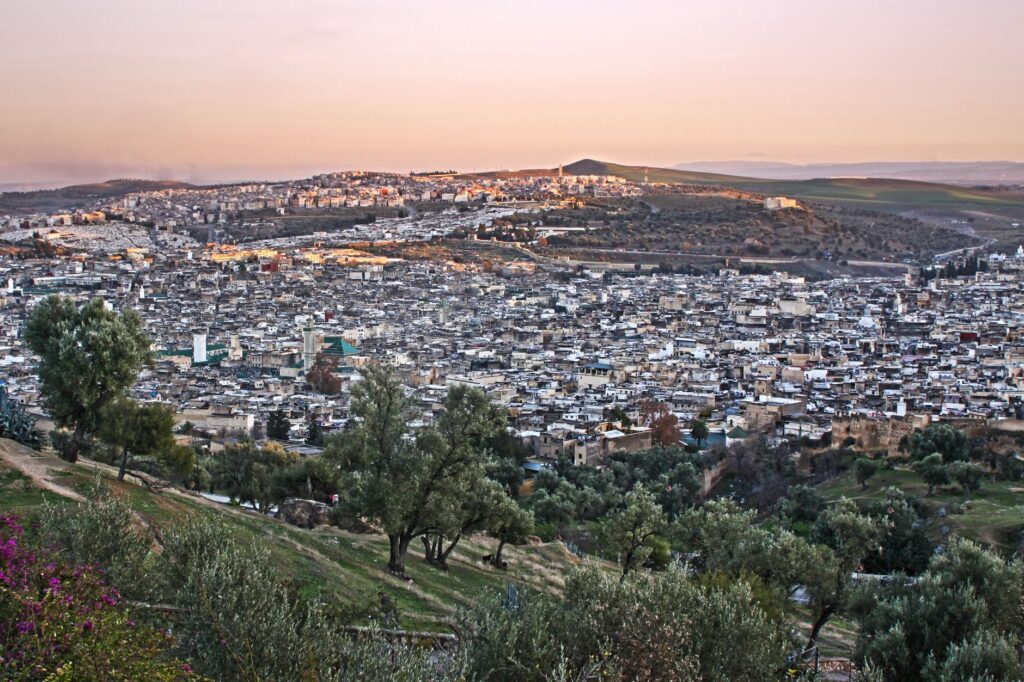
At dusk, when golden light bathes the clay and masonry facades, Ait Melloul recovers a serene calm after daytime hustle. Residents return to their homes, shops close their doors with leisurely tranquility, and the urban landscape immerses in nighttime silence, reminding us that beneath the apparent simplicity of its streets beats a community deeply united by its history and labor.