
Turku, Finland: Daily Life and Sustainable Mobility in the Historic Capital
Turku, located in southwestern Finland, extends along both banks of the Aura River, a waterway that has set the pace for the locality since its foundation in the thirteenth century. Considered the oldest city in the country, its territory combines medieval remnants with modern urban planning focused on environmental sustainability and the quality of life for its residents. The urban layout is not the result of improvisation, but rather of a historical evolution where public spaces, riverside parks, and pedestrian routes intertwine to encourage travel on foot and by bicycle without friction with motorized traffic. The citizens’ relationship with their natural and built environment is demonstrated in the way daily commutes are conceived. Rather than prioritizing large thoroughfares for automobiles, the local administration and neighborhood groups have promoted an efficient public transport network and dedicated lanes connecting residential areas with the historic center. This infrastructure reduces the carbon footprint and fosters a calm pace of life, where the daily commute ceases to be a source of stress and becomes a natural extension of community routine. Furthermore, the urban design of this area in Finland emphasizes visual and physical connection with the water, allowing daily journeys to run parallel to the riverbank. This integrative planning reduces the need for large private transport infrastructure, consolidating an environment where the human scale prevails over massive vehicular traffic and the contemplation of the urban landscape is encouraged, allowing visitors and locals alike to experience a harmonious connection with nature.
Active Mobility as the Backbone of Daily Life
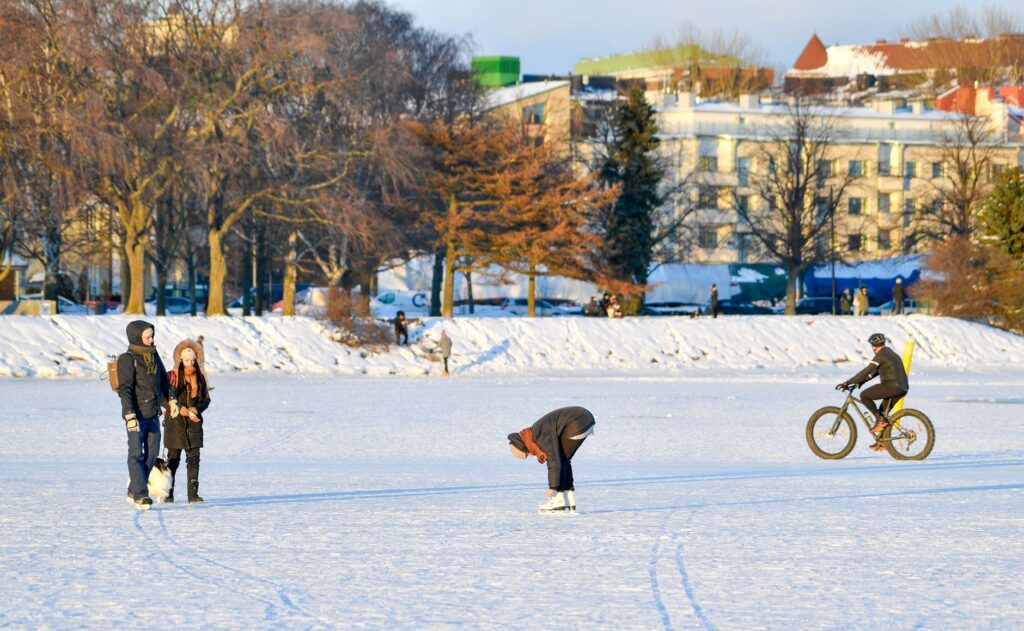
Walking or cycling through Turku is not an activity reserved for weekend leisure, but the foundation upon which work and study schedules are organized. Wide sidewalks, the constant maintenance of cycling paths during winter months, and the integration of public electric bicycle sharing stations reflect an institutional commitment to active mobility. Residents use these means quite naturally, supported by clear signage and a civic culture that respects the priority of pedestrians and cyclists almost everywhere within the urban fabric. This approach to sustainable transport is also supported by the optimization of urban buses, which operate on renewable fuels and whose routes are synchronized with train stations and ferries connecting the Finnish archipelago. In this way, intermodal journeys are resolved smoothly, allowing both residents and visitors to move around without needing private vehicles. The absence of congestion in the central core helps reduce noise and air pollution, transforming public space into a more livable environment. The network of bike lanes integrates harmoniously into residential and commercial neighborhoods, offering a reliable alternative throughout the year. The experience of traveling along these routes demonstrates that planning centered on people fosters social cohesion and the general well-being of the community, encouraging a mindful approach to exploring the city.
Architectural Heritage and Its Responsible Conservation
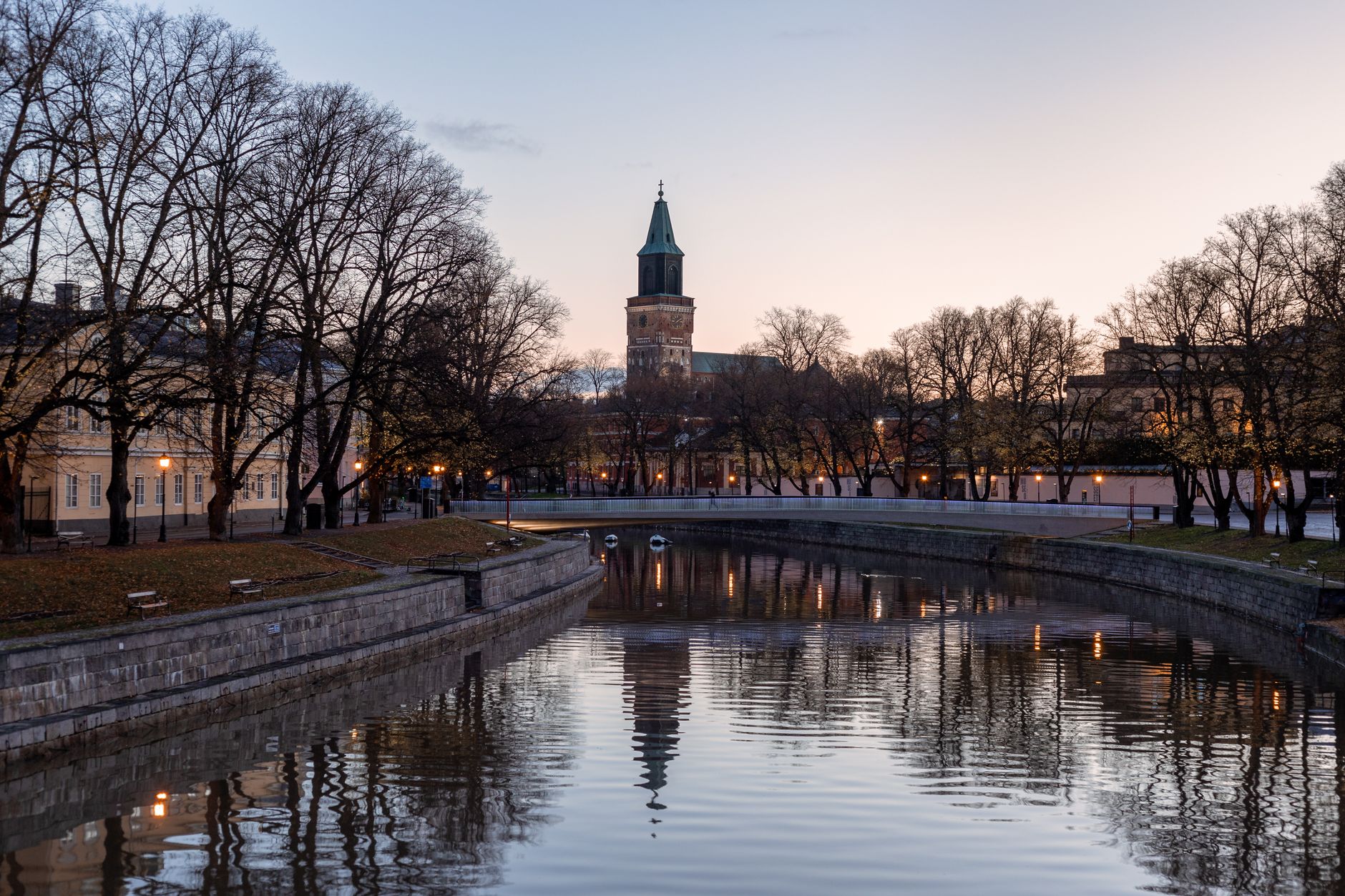
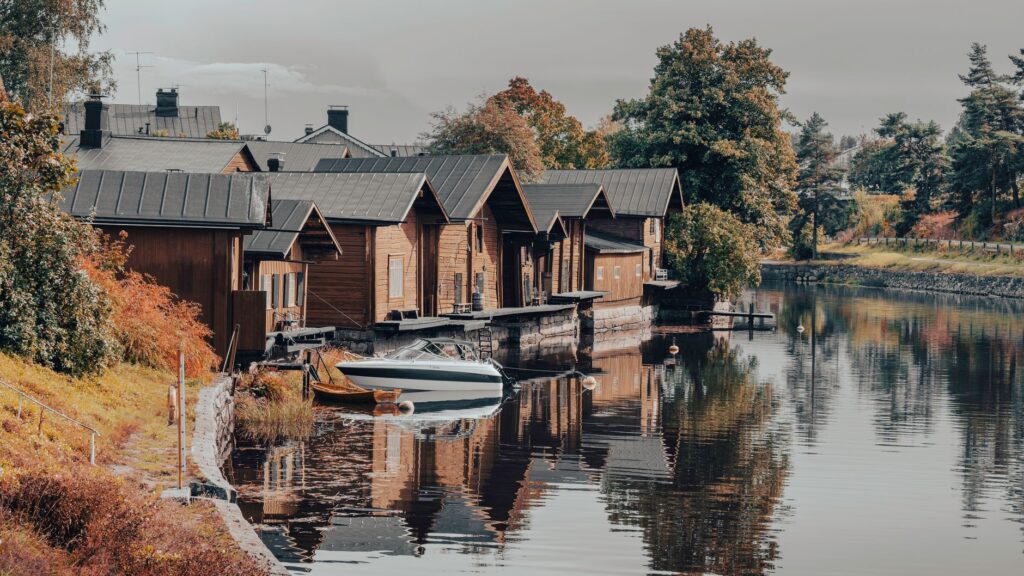
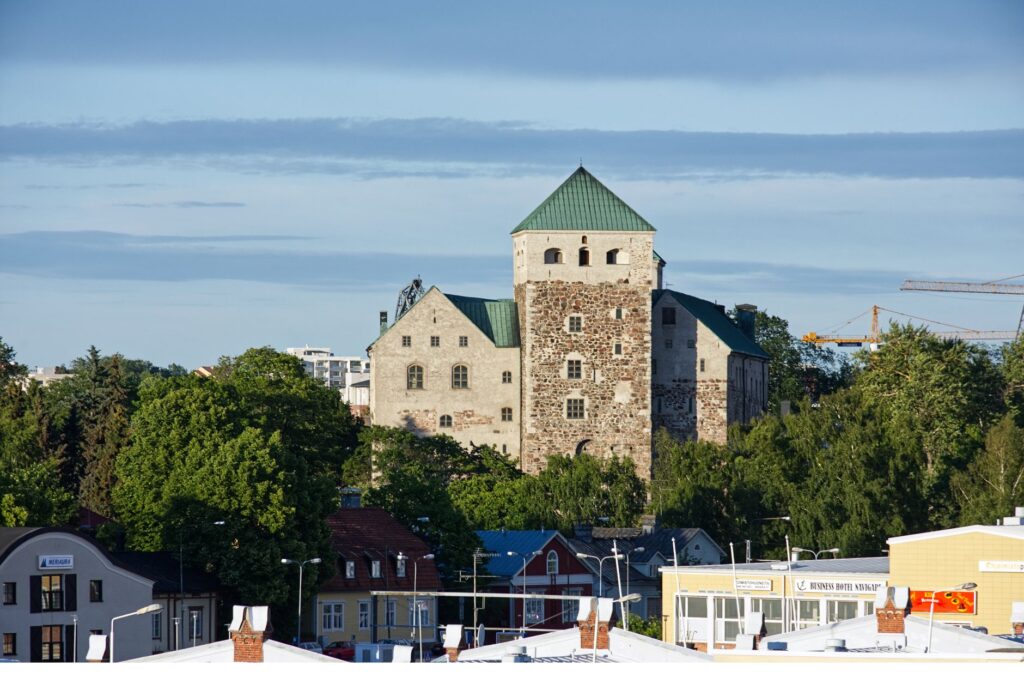
The urban landscape of Turku stands out for the harmonious coexistence of buildings from different eras. Turku Cathedral and the medieval castle stand as stone landmarks recalling the city’s past as an administrative center under Swedish rule. Far from being untouchable museum pieces, these monuments form an active part of daily life, surrounded by squares and promenades where local markets and community gatherings take place. The conservation of this heritage is approached through criteria of energy efficiency and landscape respect, avoiding large invasive interventions that alter the human scale of historic neighborhoods. Likewise, traditional wooden architecture, preserved in specific areas such as Luostarinmäki, offers unique testimony to how construction took place before the major fires that marked Finnish urban history. Today, these neighborhoods function as open-air museums and, at the same time, as protected residential areas requiring rigorous maintenance based on traditional techniques and local materials. The result is a coherent visual identity valuing authenticity over rapid aesthetic consumption. The protection of these cultural assets responds to a continuous effort to keep the architectural legacy alive without compromising the contemporary habitability of the urban environment, integrating sustainability criteria into the management of historic buildings and public spaces.
Life in the Markets and Local Commerce
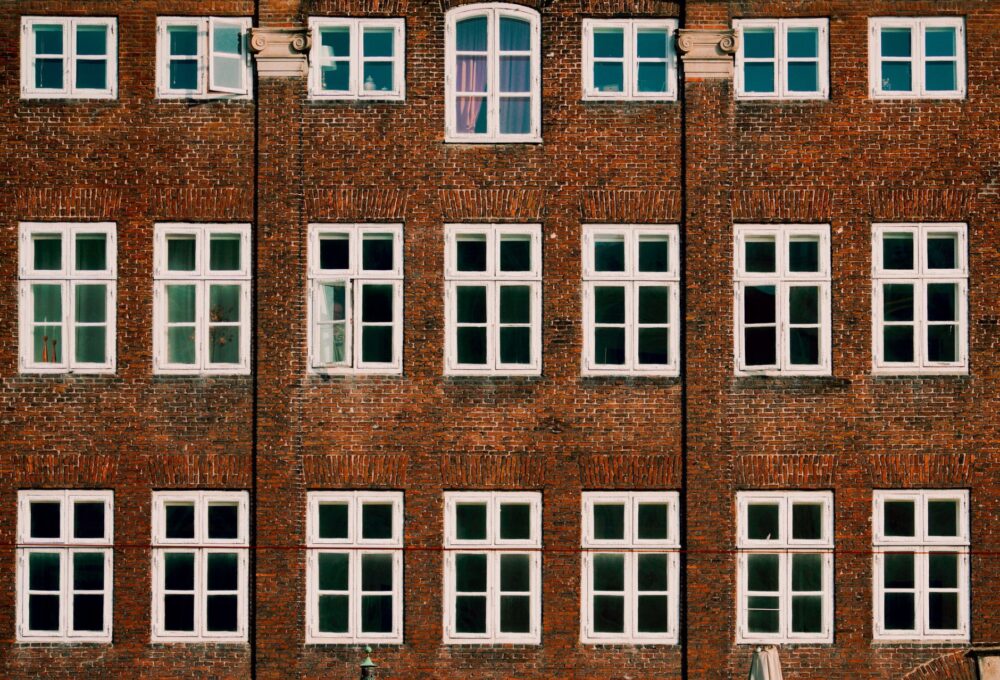
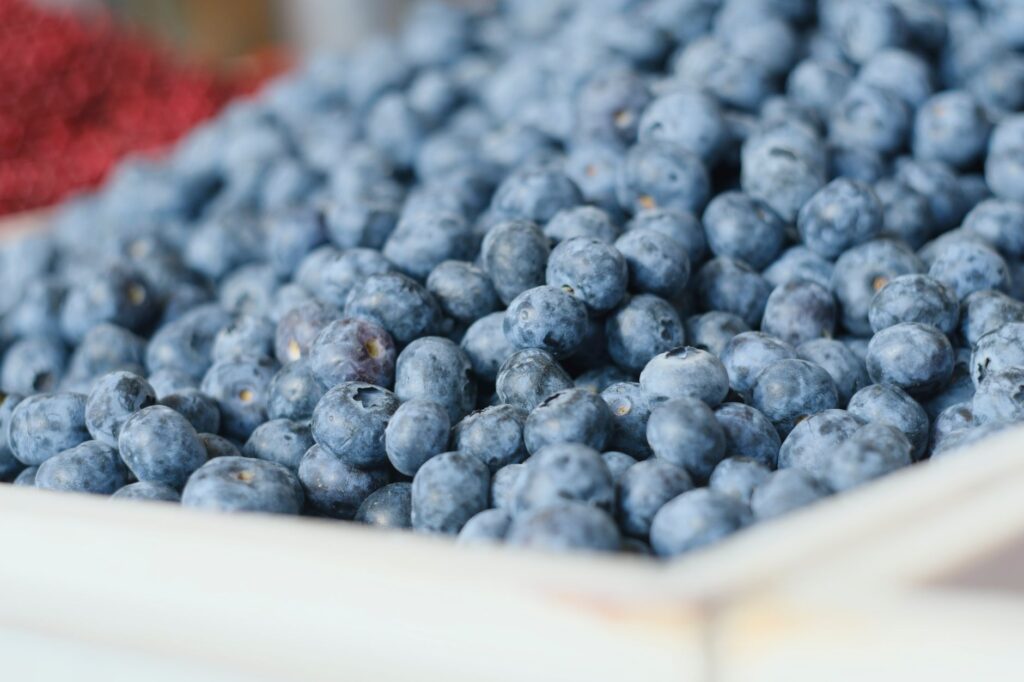
Turku’s central market hall represents the commercial and social heart where regional culinary traditions intersect. Open since the late nineteenth century, this brick building in the Neo-Renaissance style houses stalls offering local produce, fresh fish from the Baltic, artisanal bakery items, and organically grown vegetables. Shopping here not only guarantees food traceability, but also strengthens the local economy and reduces emissions associated with long-distance freight transport. The consumption habits of Turku’s residents prioritize durability and seasonal products, a trend extending to second-hand markets and sustainable design shops located around the market square. This local commerce fosters a direct relationship between producer and consumer, generating a network of trust that consolidates the city’s social fabric against the uniformity of global big-box retail. This commercial dynamic encourages a circular economy where small local producers find a stable showcase for their items, reinforcing the cultural and economic identity of the municipality as a whole. Visitors are encouraged to engage respectfully with these markets, supporting sustainable trade practices and appreciating the authentic culinary heritage of the region.
Green Spaces and the Management of Natural Resources
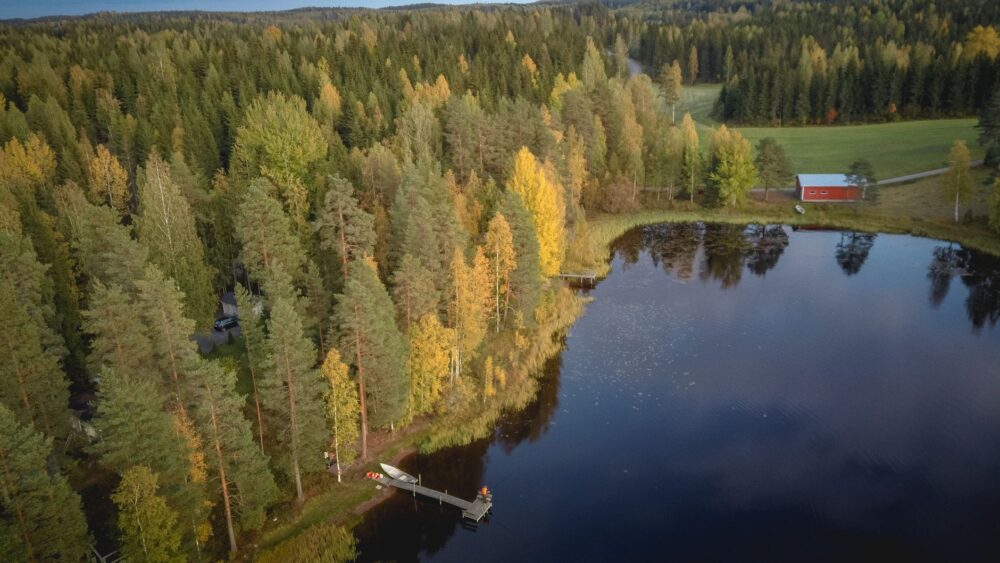
Nature in Turku is never far from the asphalt. Urban green spaces, such as Vartiovuori Park or the forest trails bordering the river, act as ecological lungs and corridors for local biodiversity. Municipal management of these spaces prioritizes the conservation of native flora and the creation of habitats for birds and small mammals, integrating urban ecology into long-term territorial planning. Furthermore, water management and urban waste follow strict circular economy protocols. Local treatment plants use organic by-products to generate biogas that fuels part of the public transport fleet, closing a loop where resources are optimized to the maximum. This invisible yet efficient infrastructure demonstrates that urban sustainability requires both bold political decisions and the active participation of an informed citizenry. The care of these green areas also helps regulate the urban microclimate and offers inhabitants recreation spaces that favor direct contact with nature without leaving the urban core. Responsible visitors respect these natural sanctuaries, ensuring they remain pristine and accessible for future generations to enjoy.
Culture, Education, and Civic Participation
As a prominent university seat, Turku attracts thousands of students who invigorate the region’s cultural and scientific life. Educational institutions collaborate closely with the city council on applied research projects concerning energy transition, smart mobility, and social cohesion. This symbiosis between academia and local administration allows the implementation of innovative solutions based on empirical data and the real needs of neighborhoods. Citizen participation is channeled through participatory budgets and neighborhood forums discussing the future of public spaces. This horizontal governance model ensures that decisions regarding urbanism and mobility reflect collective sentiment, avoiding bureaucratic impositions and strengthening a sense of belonging toward the city. Community initiatives complement institutional work, demonstrating that the active involvement of the neighborhood is essential to consolidate a truly respectful and lasting urban development model. Visitors to the city can witness this strong sense of community through local cultural events and open civic discussions that shape the daily life of the area.
The true sustainability of a city is not measured by its grand declarations of intent, but by the capacity of its inhabitants to maintain a daily balance between respect for the environment and the common good.
Practical Guide for Responsible Travelers
How to get there: Turku has an international airport well connected with several European capitals, though the most sustainable option to arrive from Helsinki is the train, which operates multiple daily frequencies and covers the journey in approximately two hours.
Getting around: The urban bus network (Föli) covers the entire city and allows easy combinations with the public bicycle system. The historic center can be comfortably explored on foot or by renting an eco-friendly bike.
When to visit: Any time of year offers a different perspective, with summer months standing out for their long daylight hours and cold seasons for the strict and efficient winter organization of public spaces.
Accommodation: Various options with official ecological certifications exist, located primarily in the center and oriented toward minimizing energy consumption and waste generation.
Final Reflection on the Urban Landscape and Its Future
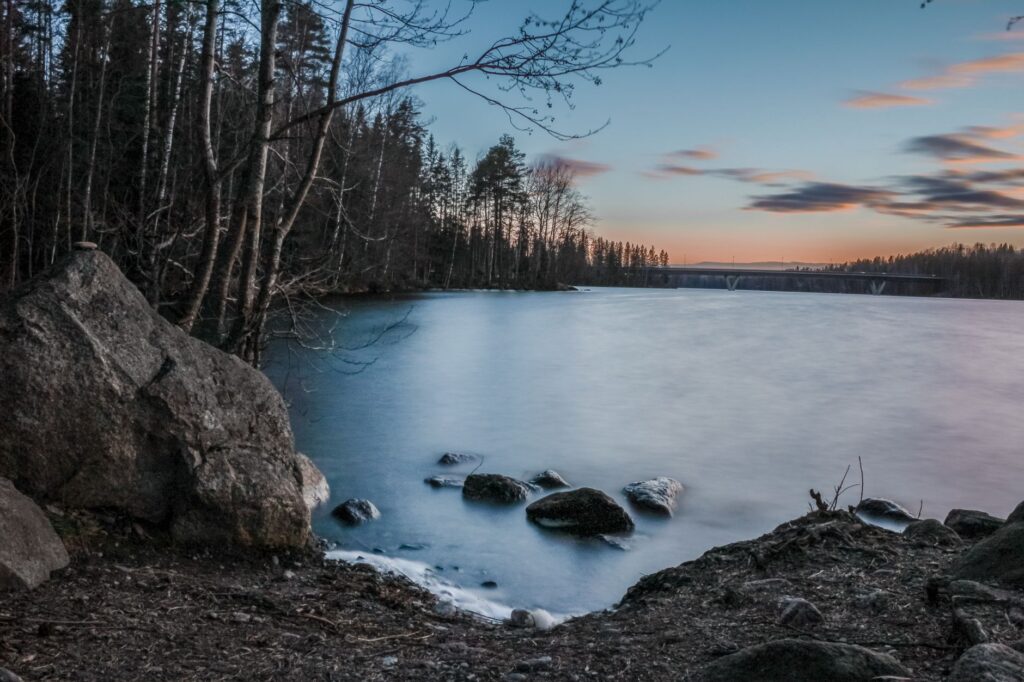
Observing the sunset reflected in the calm waters of the Aura River helps one understand the essence of Turku. This is not a city seeking to dazzle with grand artifices, but a territory that has learned to age with dignity, adapting its historical structure to present ecological challenges. The priority granted to human well-being, active transport, and the conservation of cultural heritage shapes a replicable development model deeply rooted in its Nordic identity. In this delicate balance between past and future, Turku demonstrates that urban sustainability is a continuous journey built step by step, pedal by pedal, and decision by decision. The collective commitment of its citizens ensures the city remains a benchmark for habitability and respect for the environment for generations to come, inviting every traveler to adopt a conscious and responsible attitude toward the places they visit.