
On the western edge of Paris, France, the neighbourhood of Passy occupies a strip of land that was countryside, then village, then city. Today it forms part of the 16th arrondissement, an area many visitors associate with wealth and major museums, yet it keeps a more intimate fabric: narrow streets, low houses, hidden gardens and a neighbourhood life that unfolds far from the mass circuits. The question behind this report is not which monument to visit, but how a local identity survives when urban prestige pushes towards transformation.
Passy is not a stage set. It is a place where people buy bread, walk the dog, argue about the price of fruit and remember neighbours who are no longer there. Understanding that rhythm means looking beyond façades and paying attention to the small decisions that keep a neighbourhood alive.
A village that became a city
Before it was absorbed into Paris, Passy was an independent settlement with vineyards, quarries and mills. Its annexation by the capital in the mid-nineteenth century did not entirely erase that rural memory. Street names still refer to former landowners, trades and water sources. Walking them is like reading an urban stratigraphy: country houses turned into homes, walls hiding gardens, courtyards glimpsed only from the street.
That inheritance is not decoration for tourists. It is the reason many residents defend small-scale urbanism, with local shops and no large operations that would break the continuity of the fabric. Passy’s residential memory is sustained by daily life, not by heritage signs.
The administrative geography of the area reflects that layered past. Passy appears in official records as a populated place within the 16th arrondissement of Paris, in the Île-de-France region, with its own postal codes and a name that survives in everyday speech even though the old village no longer exists as a separate entity. That dual identity, at once local and metropolitan, explains much of the neighbourhood’s character: residents speak of Passy as a distinct place while the city treats it as one more fragment of a global capital.
The market as a social barometer
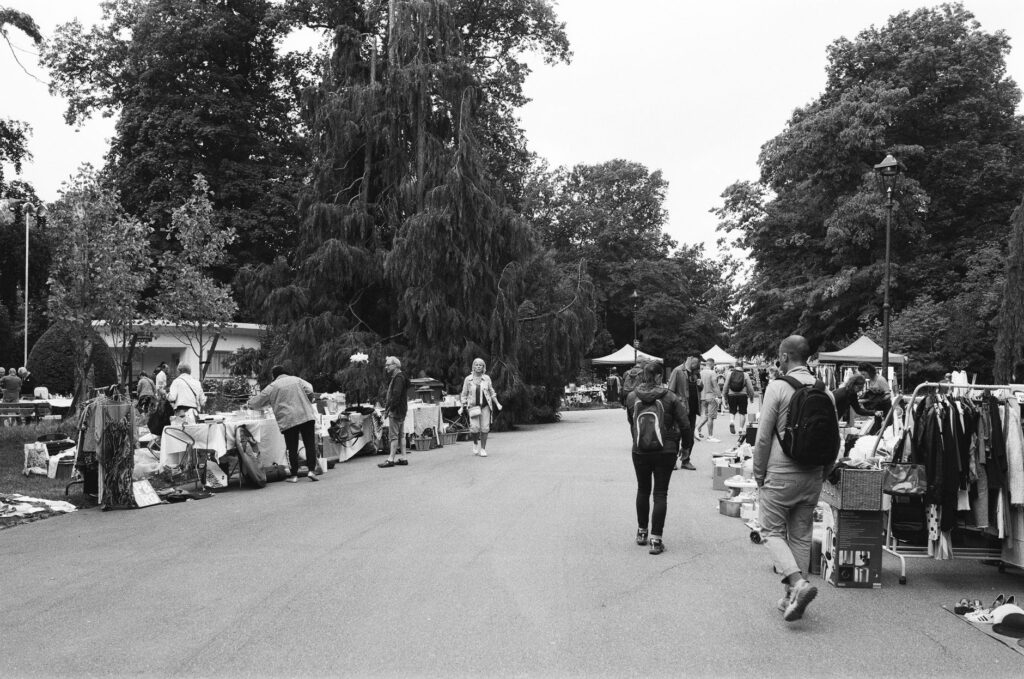
Neighbourhood markets are a reliable gauge of a place’s social health. In Passy, food stalls draw residents of different generations and backgrounds, from families who have lived there for decades to newcomers looking for a routine. The conversation in the queue, the exchange of recipes and the memory of old prices are part of a ritual that never appears in guidebooks.
For visitors, the difference between observing and taking part is decisive. Buying a piece of fruit, asking where a product comes from or respecting the queue are small gestures that help the market remain a meeting place rather than a showcase. Responsible tourism in a residential neighbourhood begins by not treating it as a theme park.
A neighbourhood is preserved when its inhabitants can keep living their lives without feeling watched.
Passages, courtyards and discreet architecture
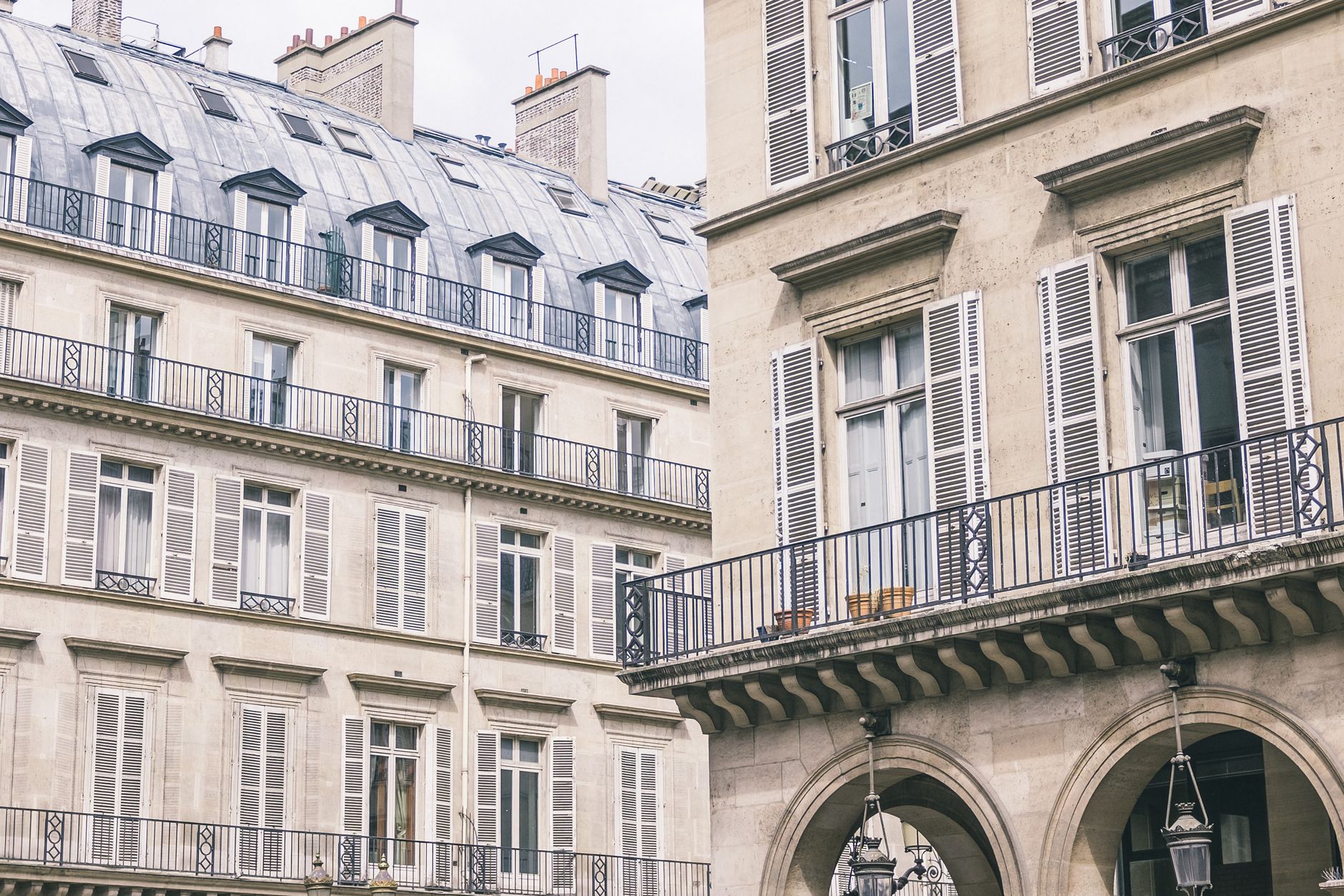
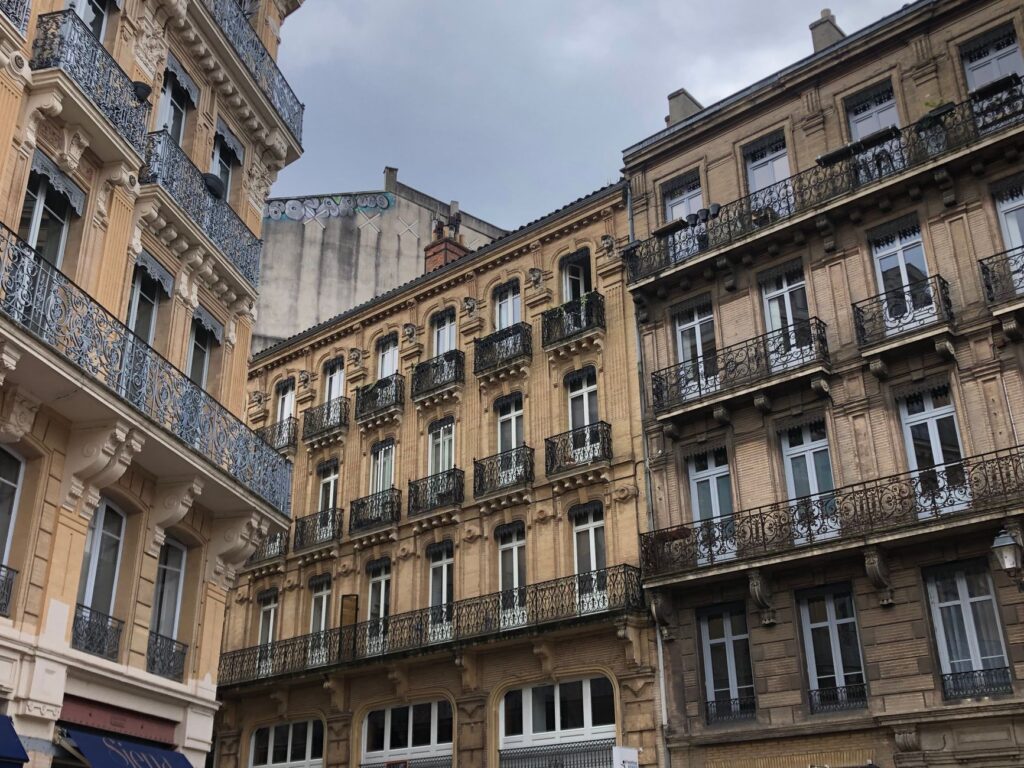
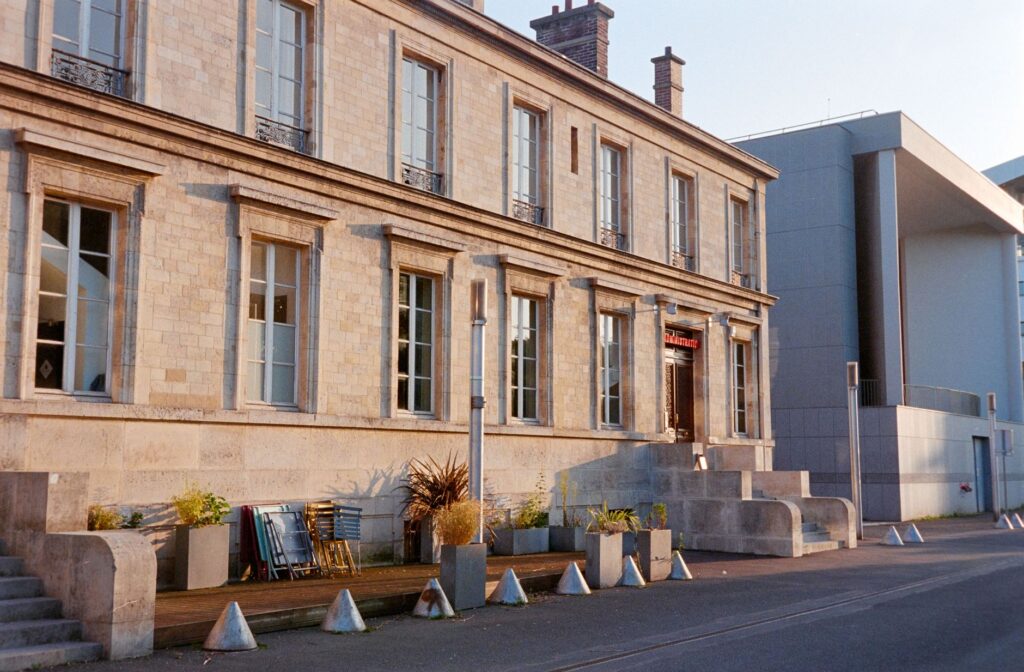
Passy does not compete with the grand boulevards. Its architecture is understated: limestone buildings, wrought-iron balconies, carriage doors leading to inner courtyards. Some passages and alleys retain an air of another era, with cobblestones and street lamps that light little and well. That sobriety is also a form of resistance to commercial uniformity.
Careful visiting reveals details absent from leaflets: mouldings, old inscriptions, gardens peeking above walls. But it is worth remembering that many of these spaces are private. Curiosity should stop where other people’s property begins.
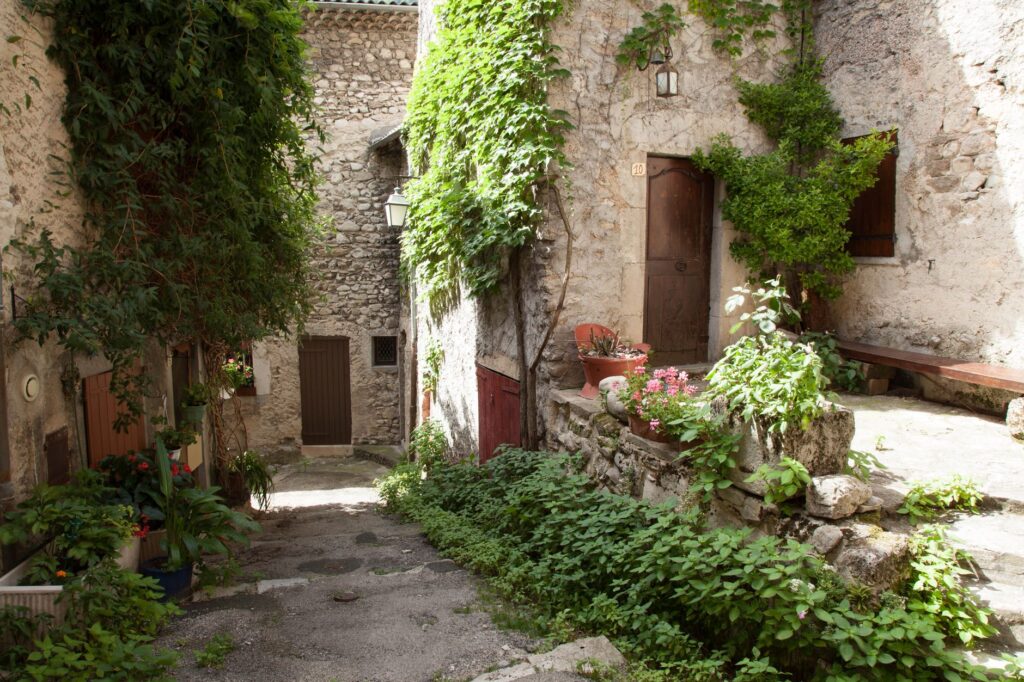
Architecture here is best read as a sequence of thresholds. The street is public, the courtyard is shared, the stairwell is private. Understanding that gradient is the first lesson in respectful observation. A visitor who lingers at a doorway without entering, or who photographs a façade rather than a window, is already practising a form of courtesy that residents notice and appreciate.
Everyday life versus the shop window
The 16th arrondissement is home to major museums and a cultural offer that attracts visitors from around the world. That centrality has an ambivalent effect: it energises the local economy but also pushes prices up and turns historic shops into visitor-oriented stores. In Passy, the tension shows in the coexistence of traditional bakeries, neighbourhood bookshops and more ephemeral businesses.
Residents involved in neighbourhood associations insist the key is not to close the area to tourism but to regulate its intensity and preserve the services that make daily life possible. That view echoes wider debates about the future of heritage cities.
There is also a quieter dimension to this tension: the loss of ordinary services. When a hardware store or a small pharmacy closes, the neighbourhood loses a point of contact that had little to do with tourism and everything to do with habit. Visitors rarely notice these absences, but they are often the first sign that a residential area is changing faster than its inhabitants can adapt.
Heritage you can walk through
Passy’s heritage is not limited to listed buildings. It also includes routines: the baker who opens early, the newsstand, the school with its noisy courtyard at midday. That intangible dimension is the hardest to protect, because it does not appear in inventories and depends on the continuity of the people who sustain it.
For travellers, the advice is simple: walk slowly, look up and into courtyards, and accept that the neighbourhood is not obliged to offer a spectacle. The reward is a more honest reading of Paris, far from clichés and closer to real urban experience.
It helps to think of the neighbourhood as a calendar rather than a map. Certain streets are busy at certain hours; certain squares empty after lunch and fill again in the evening. Aligning a visit with those rhythms, instead of imposing an itinerary on them, produces a very different kind of encounter.
Eating, shopping and talking without intruding
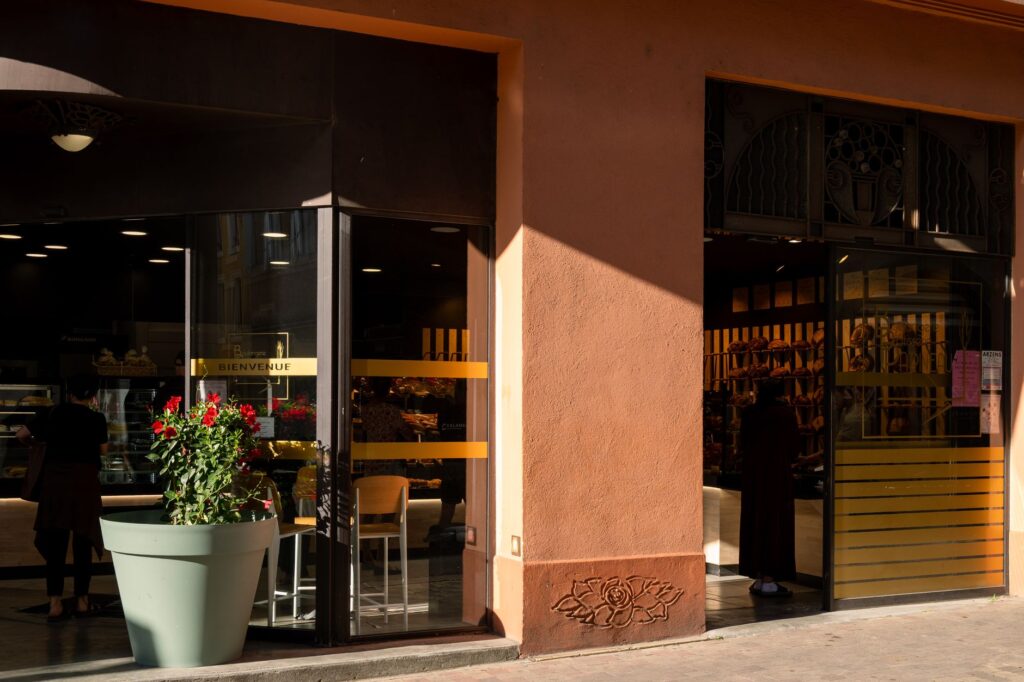
Passy’s food scene combines artisan bakeries, markets and small neighbourhood restaurants. Many live on a loyal clientele that values quality and consistency. Visitors who arrive with curiosity and respect find conversations, recommendations and a hospitality that is never advertised.
Choosing locally run establishments, avoiding peak hours and matching consumption to what the neighbourhood can absorb are practical criteria. This is not a rigid rule but an attitude that allows people to enjoy the area without contributing to the displacement of those who make local life possible.
Language matters less than tone. A greeting on entering a shop, an attempt at French, a question asked without urgency: these are the gestures that separate a passing transaction from an intrusion. In a district where many residents have seen tourism grow around them, small courtesies carry disproportionate weight.
The role of neighbourhood associations
In Passy, as in other historic districts, residents’ associations play a central role in defending public services, monitoring urban planning and organising cultural activities. Their work rarely makes the news, yet it sustains much of the social cohesion.
For visitors, understanding that work helps explain why some urban decisions spark debate. The city is not a static object: it is a process involving competing interests. Understanding that process is part of the travel experience.
These groups also preserve a form of local knowledge that is difficult to find elsewhere: which square is quiet in the afternoon, which street floods after heavy rain, which shop has changed hands three times in a decade. That accumulated memory is a resource, and treating it with respect is one way of acknowledging that a neighbourhood is more than its postcard image.
Practical guide
Passy is best explored on foot, combining residential streets with small squares and gardens. Paris’s public transport network allows visitors to arrive without a car, reducing pressure on the neighbourhood. Check market and shop opening times, which vary by establishment, and allow time to walk without a fixed itinerary.
- Walk along side streets and respect private spaces.
- Shop at local businesses and avoid crowds at peak hours.
- Check official sources for opening times and cultural events.
- Do not enter courtyards or gardens that are not open to the public.
- Practise low-impact tourism: quiet, respect and local spending.
The best time to visit depends on each traveller’s interests: spring and autumn offer mild temperatures and light that favours walking. Winter, quieter, reveals the neighbourhood in its most everyday rhythm.
It is also worth planning for the unplanned. Passy rewards those who leave room in their day for a bench, a bakery counter or a conversation that was not scheduled. A neighbourhood observed at walking pace yields more than a list of sights completed at speed.
A final photograph
As evening falls, window lights come on above the stone façades. On a corner, someone waters plants on a balcony while a neighbour returns with groceries. There is no crowd and no sign announcing the moment. That small scene sums up what makes Passy valuable: an everyday life that is not displayed but sustains the neighbourhood’s identity.
Preserving it depends on small, constant decisions, both by those who live there and by those who visit. Travellers who understand this take away more than an image of Paris: they take away the certainty that heritage is also cared for through attention and gesture.