The Silhouette of the Liquid Horizon
In the landscape of the Netherlands, where land and water have maintained a constant negotiation for centuries, there is a silhouette that defines national identity as much as windmills or tulip fields: the wooden mast of a flat-bottomed sailing ship. These vessels, collectively known as the Bruine Vloot (Brown Fleet), represent one of the largest concentrations of living maritime heritage in the world. These are not static museum pieces, but ships that, after decades of neglect, have returned to sail the IJsselmeer and the Wadden Sea, driven by a renewed interest in sustainability and the preservation of European hydraulic culture.
The term Brown Fleet is not accidental. It refers to the color of the canvas sails, traditionally treated with oak bark tannins to prevent rot in the humid North Sea environment. Today, these ships—tjalken, skûtsjes, klippers, and lemsteraken—form a transport and cultural tourism network that challenges the logic of contemporary speed. Sailing on them is an immersion into a choreography of ropes, pulleys, and wood that requires not only physical strength but a deep knowledge of the currents and winds that sweep across the lowlands.
The Origin of Keel-less Engineering
To understand the uniqueness of these boats, one must understand the geography that shaped them. The Netherlands is largely a territory of shallow waters, narrow canals, and unpredictable tides. Unlike ocean-going vessels with deep keels that provide stability, 17th and 18th-century Dutch shipbuilders perfected the flat-bottom design. This design allowed vessels to navigate canals barely a meter deep and, most importantly, to run aground on the sand during low tide without capsizing.
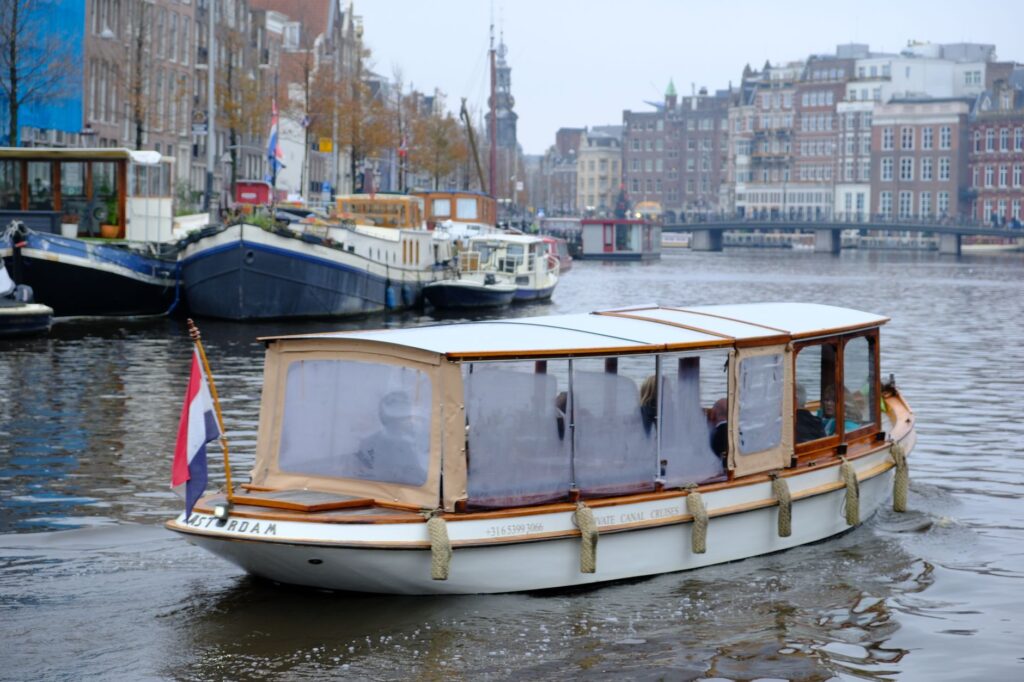
The stability that elsewhere is provided by a keel is achieved here through zwaarden or leeboards: two large oak boards located on either side of the hull. When the boat sails with the wind on its side, the sailor lowers the leeward leeboard, which acts as a temporary keel, preventing the boat from drifting. It is a piece of vernacular engineering that allows absolute versatility in an environment where water is never quite deep and land is never quite solid.
Traditional sailing in the Netherlands is not an exercise in nostalgia, but a lesson in technical adaptation to an environment where water is the only possible path.
The Transformation of the Tjalk: From Cargo to Heritage
The tjalk is perhaps the purest exponent of this tradition. Originally designed to transport peat, grain, and building materials, these boats were the packhorses of the Dutch Golden Age. For centuries, thousands of these vessels connected the farms of Friesland with the markets of Amsterdam. However, the arrival of the internal combustion engine and the expansion of the railway in the early 20th century condemned most of the fleet to the scrapyard or to being converted into mastless houseboats.
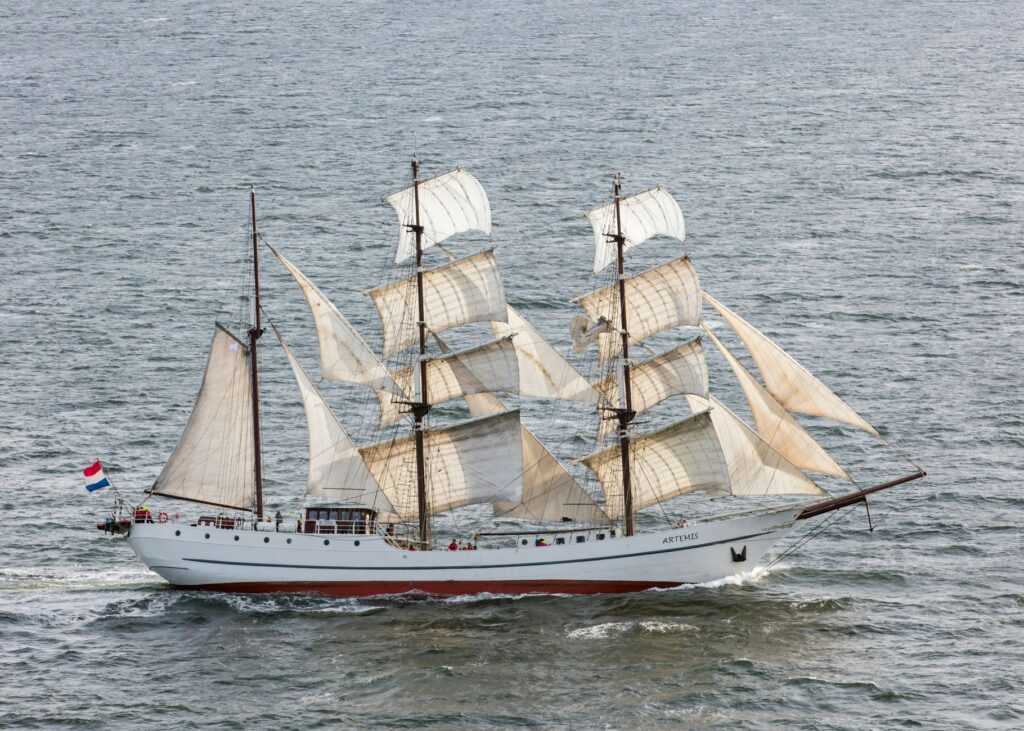
The renaissance began in the 1970s, when a group of enthusiasts began rescuing iron and steel hulls that were rusting in the canals. Restoring a tjalk is a process that demands absolute respect for materiality. Masts of Oregon pine or larch are recovered, iron parts are forged anew, and dacron sails are sewn to mimic the texture of ancient canvas. This recovery movement not only saved the ships but also the associated trades: master sailmakers, naval blacksmiths, and shipwrights who are now in demand again in specialized shipyards in cities like Enkhuizen or Workum.
Skûtsjesilen: The Competitive Soul of Friesland
In the northern province of Friesland, the relationship with these boats reaches an almost mystical level during the Skûtsjesilen. This is an annual competition of skûtsjes (traditional Frisian cargo boats) that brings the region to a standstill. Unlike modern yacht racing, these are century-old steel boats crewed by families who have maintained the tradition for generations. The rules are strict: the boat must be original, and the crew must have historical ties to the vessel or the town it represents.
Watching a 20-ton skûtsje heel over under wind pressure while its crew maneuvers the heavy leeboards is a spectacle of overwhelming visual power. Skûtsjesilen is a reminder that heritage does not have to be static; it can be dynamic, competitive, and deeply communal. In these regattas, the boat ceases to be a transport tool and becomes a symbol of local pride and cultural resistance against global standardization.
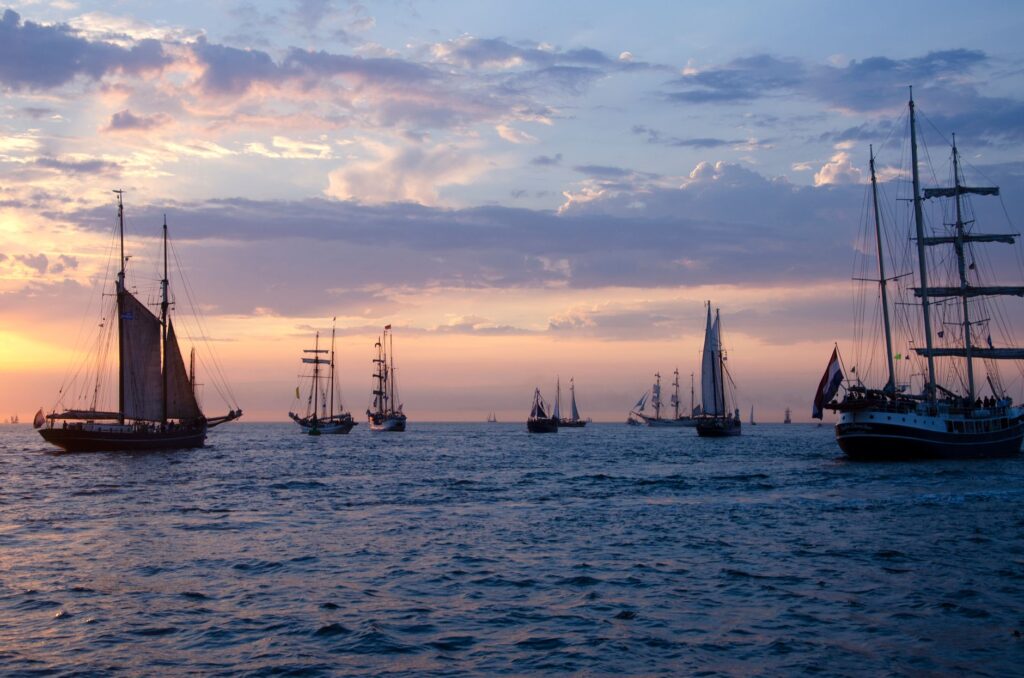
Life on Board: A Space for Radical Disconnection
The experience of traveling on a Brown Fleet ship is radically different from a conventional cruise. Inside a restored klipper or tjalk, the space is a masterpiece of spatial economy. Former cargo holds have been transformed into noble wood-lined lounges, with berths that make use of every centimeter of the curved hull. However, the luxury here lies not in the furniture, but in the silence.
When the engine is turned off and the wind fills the sails, the only sound is the water hitting the steel hull and the creaking of the mast’s wood. It is a form of slow travel that forces the traveler to participate: you must help hoist the sails, move the leeboards, and understand the wind direction. This active participation creates an emotional bond with the vessel and the aquatic landscape that is impossible to obtain as a mere spectator. The Brown Fleet offers a digital disconnection forced by the nature of the activity itself, where the priority is the safety of the maneuver and the observation of the sky.
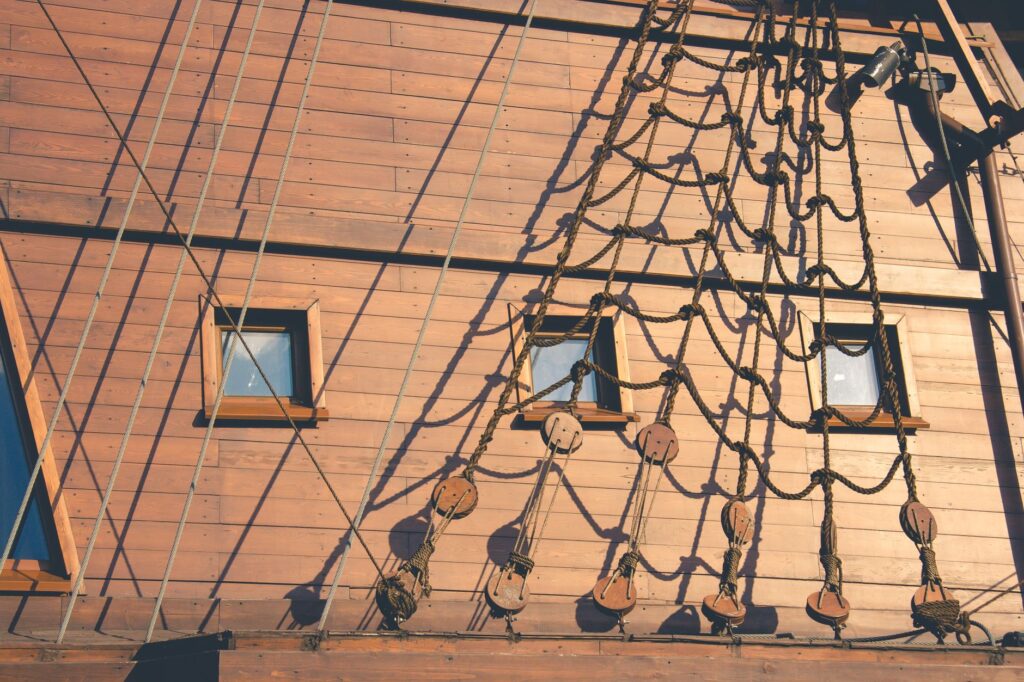
Wind is an engine that emits neither noise nor carbon; in the Brown Fleet, sustainability is not a modern option, but the very origin of its existence.
Sustainability and the Future of Slow Sailing
In the current context of the climate crisis, traditional sailing emerges as a tourism model with a minimal environmental footprint. Many Brown Fleet ships are integrating modern technologies to be even more eco-friendly, such as auxiliary electric motors and state-of-the-art waste management systems. The IJsselmeer, a massive freshwater lake created by the damming of the old Zuiderzee, has become the perfect laboratory for this model.
The challenge for the future lies in regulation and maintenance. These ships, being considered historical heritage, must comply with modern safety regulations without losing their aesthetic integrity. Furthermore, the generational handover in artisanal trades is critical. Without masters who know how to treat oak for leeboards or how to balance a twenty-meter mast, the Brown Fleet risks becoming, this time for real, a collection of ghost ships. Therefore, institutions like the Enkhuizer Zeevaartschool are fundamental, training new captains in the arts of traditional navigation.
Practical Guide for the Conscious Traveler
For those wishing to experience this renaissance, the main gateway is the port of Enkhuizen, located an hour from Amsterdam. This city, which seems frozen in the 17th century, hosts the largest concentration of Brown Fleet ships. From here, it is possible to charter boats with a captain for multi-day voyages through the Wadden Islands or the historic towns of the Frisian coast such as Stavoren and Hindeloopen.
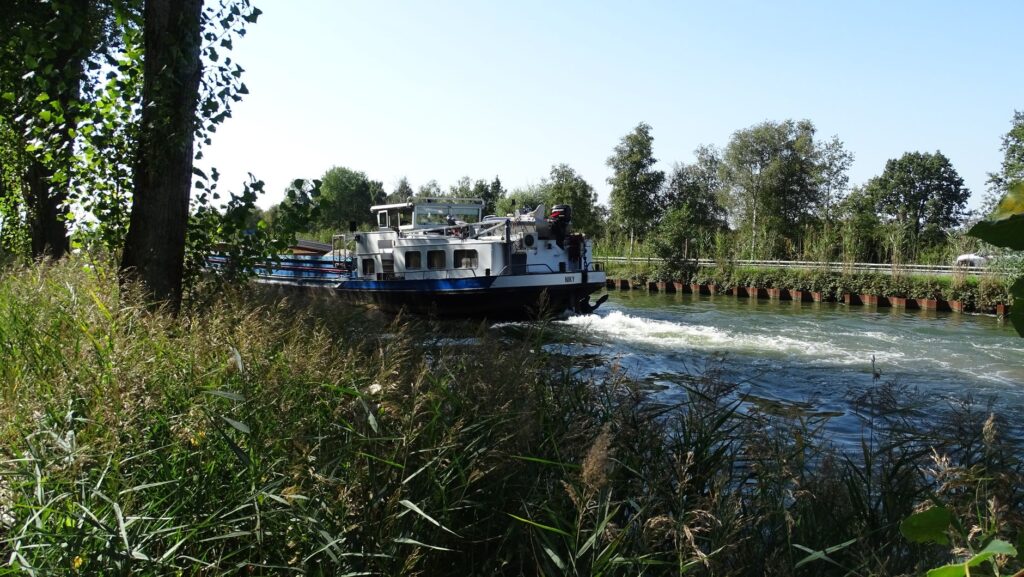
It is important to keep in mind that the sailing season runs from April to October. During the winter months, the ships retire to ports for their annual maintenance, a period when the docks are filled with artisanal activity. For lovers of design and naval architecture, visiting the ports in March allows one to observe the caulking and painting work that prepares the fleet for the new season. No previous sailing experience is required, but an open attitude to learning and teamwork is essential.
The Horizon of Memory
The renaissance of traditional sailing in the Netherlands proves that progress does not always mean replacing the old with the new, but finding a new utility for what already worked. These flat-bottomed ships, which were once the economic engine of a nation, are today the guardians of a way of life that values patience, respect for the elements, and the beauty of functionality. Stepping aboard a tjalk is not just a journey through water, but a journey through the history of a people who learned to walk on the sea without sinking, trusting in the strength of the wind and the solidity of a good piece of oak.