
The high mountain is a realm of relentless boundaries where life clings to stone with millimeter precision. Along the vertical cliffs and scree slopes of the Cantabrian range, the silhouette of the Cantabrian chamois (Rupicapra pyrenaica parva) embodies the very essence of alpine adaptation. This small bovid, endemic to the limestone massifs of northern Spain’s Iberian Peninsula, has evolved to turn dizzying abysses and inaccessible rock faces into an impenetrable sanctuary. Throughout this feature, we will examine the biological dynamics sustaining its populations, the rigors of its annual cycle, and the delicate balance between habitat conservation and human pressure in protected alpine spaces.
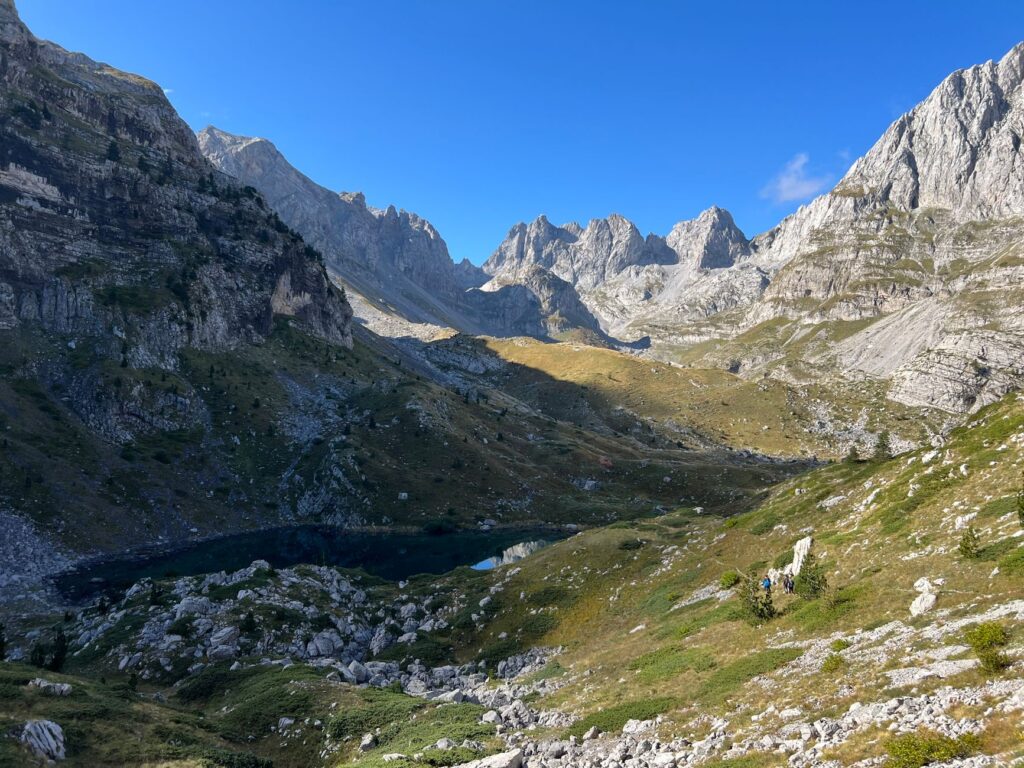
To grasp the magnitude of its existence, one must venture into enclaves where winter extends its dominion far beyond the calendar. Wind-swept ridges and hanging valleys sculpted by ancient glacial action form a unique geological mosaic. Here, vegetation shrinks to sparse nitrophilous pastures, creeping juniper scrub, and rupicolous plants capable of cracking solid rock. Against this backdrop of gray limestone and persistent mists, the chamois deploys a prodigious anatomy: hooves with sharp edges and elastic pads acting as natural suction cups on frozen surfaces, and compact musculature designed for explosive propulsion over precipitous terrain.
The Architecture of Survival in Limestone Rock Faces
The evolutionary success of Rupicapra pyrenaica parva lies in its mastery of exploiting an ecological niche inaccessible to the vast majority of terrestrial mammals. During the summer months, when high-altitude pastures briefly green after the melting of the final snowfields, chamois take advantage of the nutritional richness of plant species adapted to intense ultraviolet radiation. Their diet is intensely selective; rather than grazing indiscriminately, they choose tender shoots, dwarf shrub leaves, and crustose lichens. This metabolic selectivity enables them to accumulate the fat reserves essential for facing the rigors of the Cantabrian winter—a season marked by absolute food scarcity and sub-zero temperatures.
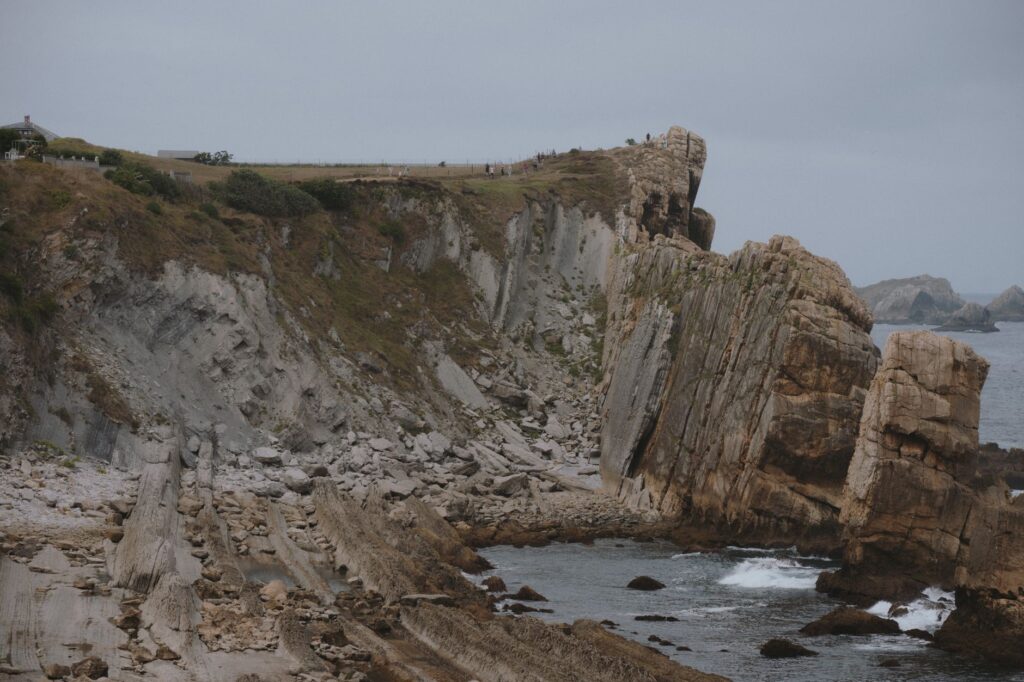
The social structure of the species responds directly to the need for constant vigilance against natural predators, such as the Iberian wolf (Canis lupus signatus) and large eagles. Adult females, accompanied by their kids of the year (known locally as chivos) and subadults, gather in maternal herds numbering over thirty individuals. These dynamic groups maintain unceasing watch; a single sharp, percussive warning whistle from one member triggers a synchronized flight toward the most vertical cliffs, where physics favors them and no pursuer can match their agility.
The Seasonal Cycle: From Generous Summer to Nival Winter Rigor
As autumn advances and the first snowfalls blanket the high mountain pastures, one of the most critical biological periods of the year unfolds: the rut. Adult males, which spend most of the annual cycle living solitary lives or forming small bachelor groups, abandon their traditional domains to seek out female herds. During the weeks of the rut, males step up pursuit chases, mark tree trunks and rocks with secretions from their horn glands—equipped with retro-cornual scent glands—and engage in territorial disputes that rarely result in fatal wounds but demand a colossal energy expenditure during a period of thermal decline.
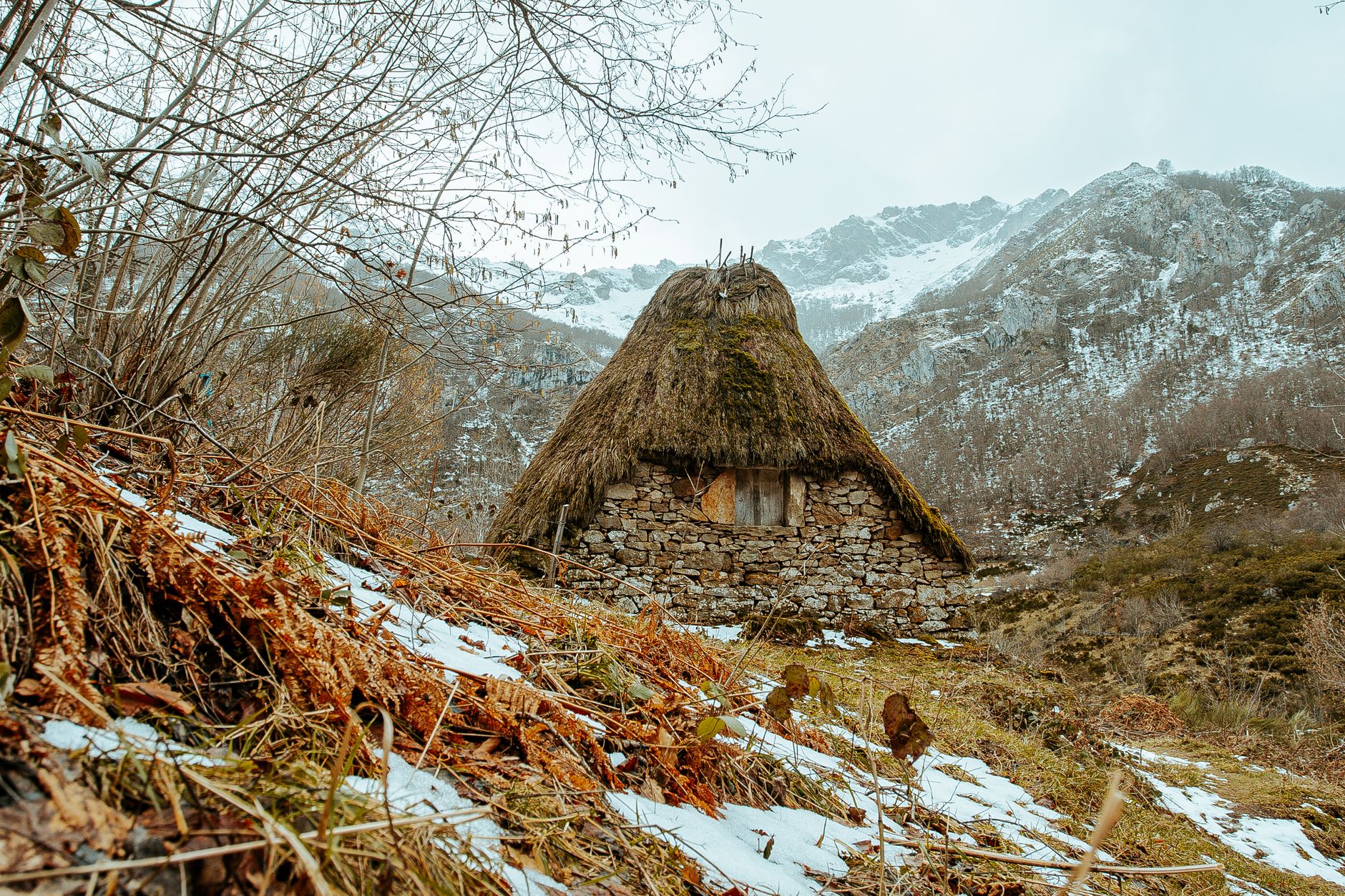
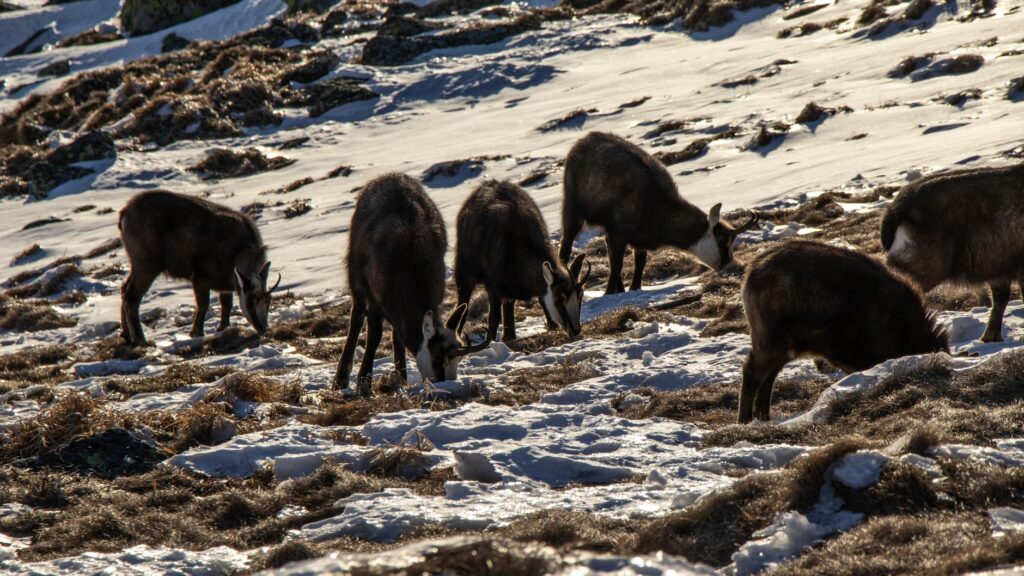
The Cantabrian winter tests the physiological limits of the species. With pastures completely buried under snow layers exceeding two meters at higher altitudes, chamois are forced to descend partially toward forested belts and wind-sheltered rock ledges locally known as solanas. Under these extreme conditions, their metabolic rate drops significantly—an energy-saving mechanism akin to light torpor that allows them to survive entire weeks consuming woody branches and hanging lichens. Winter mortality disproportionately affects older individuals and kids born the previous spring that failed to accumulate sufficient summer fat.
Genetics, Terrestrial Insularity, and Conservation in National Parks
The geographic isolation of Cantabrian populations from their Pyrenean relatives has shaped a genetic singularity of incalculable value. Rupicapra pyrenaica parva is morphologically smaller and exhibits specific adaptations to the Atlantic rigors of the mountain range. However, this very terrestrial insularity—fragmented by deep river valleys, roads, and extensive livestock pastures—poses complex challenges for managing genetic diversity. Connectivity between western population nuclei (such as the valleys of Somiedo and Fuentes del Narcea) and eastern ones (in Picos de Europa) is vital to prevent the undesirable effects of inbreeding.
blockquote>The conservation of the Cantabrian high mountains relies not only on legal protection on paper, but on human capacity to regulate recreational and tourism pressures that threaten the tranquility of rock faces during the most sensitive periods of the biological cycle.
Protection frameworks, articulated through national and natural parks, have proven effective in recovering species numbers following critical episodes of poaching and sarcoptic mange experienced in the late twentieth century. Nonetheless, environmental managers today face emerging global threats. Anthropogenic warming is altering nival precipitation patterns; late snowfalls are less frequent, summers record prolonged drought spells that prematurely dry out alpine pastures, and the advance of parasitic diseases finds ideal breeding conditions in warmer temperatures.
The Impact of Nature Tourism and Responsible Observation
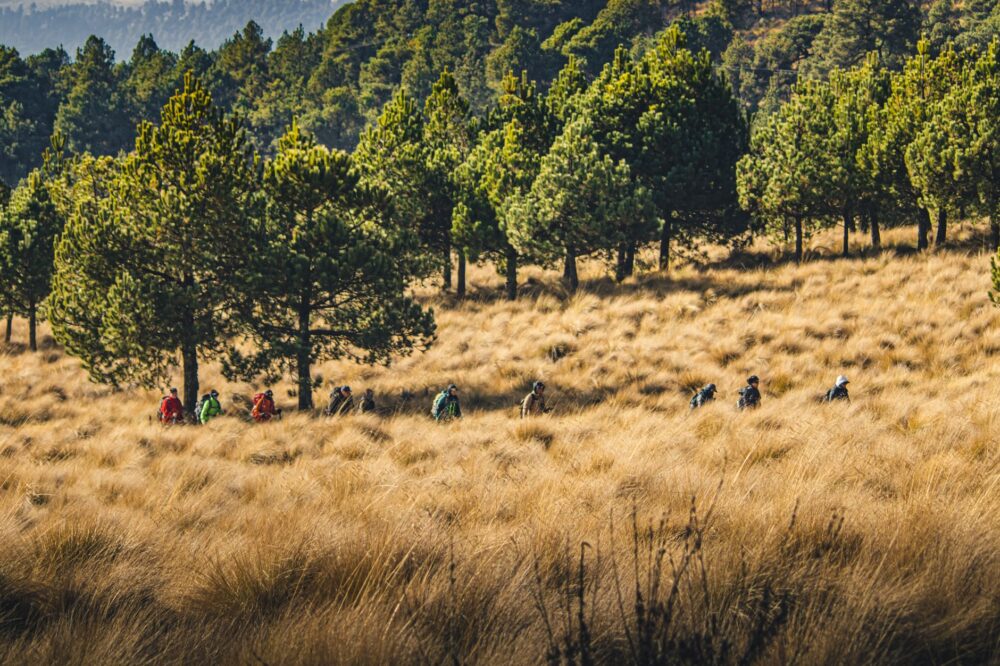
The scenic allure of the Cantabrian range draws thousands of hikers, nature photographers, and winter mountaineering enthusiasts every year. While this economic influx is crucial for the sustainable development of local rural communities, uncontrolled human presence in chamois foraging and breeding areas generates chronic stress in the animals. When a herd is repeatedly interrupted during daytime feeding hours, it is forced to spend precious calories on unnecessary flights, reducing winter survival probability and reproductive success in pregnant females.
In response, protected area authorities and local ecotourism operators promote rigorous guidelines for responsible observation. Maintaining safety distances greater than two hundred meters, using high-power optical gear (such as spotting scopes) instead of approaching on foot, and avoiding transit outside marked trails during the spring—a critical birthing season—are essential practices. Conservation tourism seeks to transform visitors into active allies, capable of appreciating the silence of the peaks and understanding that observing a chamois in its natural habitat is a privilege carrying deep ethical responsibility.
Practical guide
Planning a nature observation and wildlife photography trip into the domain of the Cantabrian chamois requires technical rigor, physical preparation, and deep respect for alpine meteorology.
Best time to visit: The months of May and June offer opportunities to observe females with newborn kids in high-altitude pastures, while autumn (October and November) allows visitors to witness rutting dynamics under exceptional photographic light.
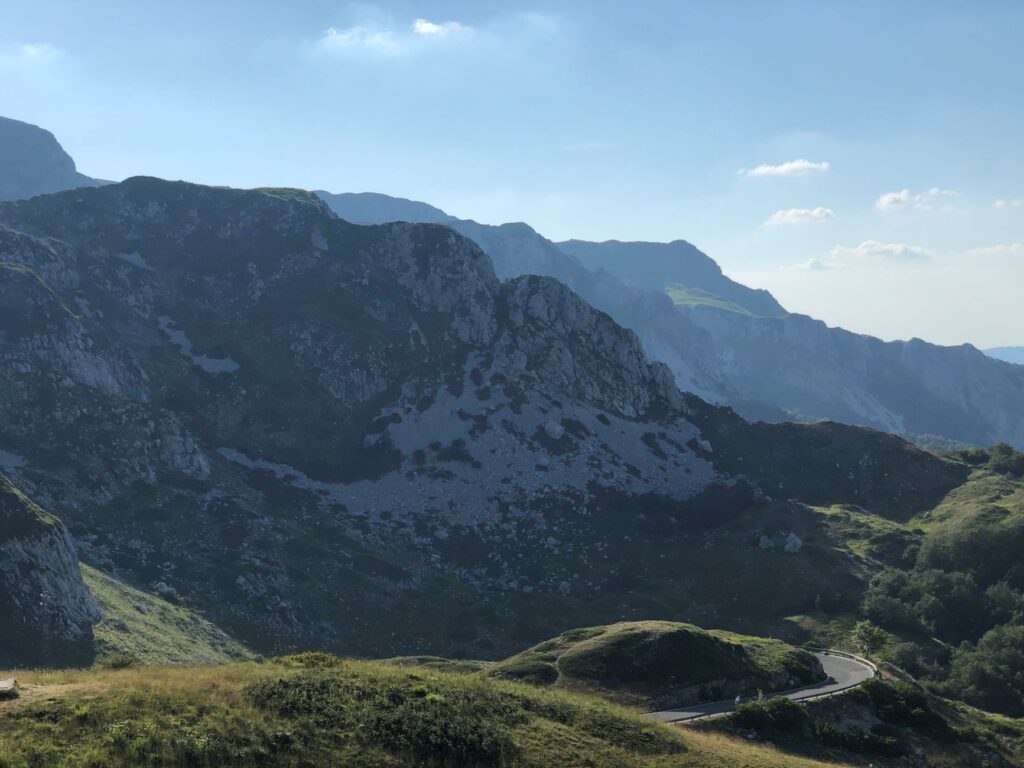
Main access routes: The most accessible and best-preserved enclaves are located in the Somiedo Natural Park (Asturias) and the Asturian sector of Picos de Europa National Park, departing from villages such as Poncebos or Caín.
Recommended photographic gear: An indispensable telephoto lens of at least 400mm or 500mm, a sturdy tripod to withstand strong ridge winds, and 10×42 binoculars for preliminary herd spotting across scree slopes.

Mountain safety: Cantabrian weather is extremely volatile; dense fog can materialize within minutes. Technical warm clothing, high-mountain footwear with sticky rubber soles, GPS, and detailed cartography are mandatory.
blockquote>Traveling to the Cantabrian heights is not about seeking urban comfort, but about submitting with humility to the laws of stone and wind, always remembering that we are mere guests in the ancestral home of the chamois.
As one contemplates the limestone cliffs tinged with ochre under the final rays of the setting sun, the mind grasps the true dimension of this rupicolous sanctuary. The Cantabrian chamois continues its silent march over the abyss, defying gravity and time with the same ancestral elegance with which its ancestors populated these peaks during Pleistocene glaciations. Protecting its habitat is, ultimately, preserving our own capacity for wonder before the wild and untamed nature still enduring in the heart of northern Spain.