
A short distance from the gentle flow of the Mondego River, within the narrow and steep alleyways of Coimbra’s historic old town, time seems governed by the measured rhythm of pressed cardboard, linen thread, and the sharp scent of vegetable tanning. Here, bookbinding is not merely an auxiliary trade of bibliophilia; it constitutes an undeniable pillar of Portugal’s intellectual identity. At the heart of one of Europe’s oldest universities, founded in the thirteenth century, the need to preserve written knowledge gave rise to a lineage of artisans whose hands have shaped the memory of the nation. Far from overcrowded tourist circuits, the traditional workshops of this city preserve millenary gestures that defy the dizzying obsolescence of digital formats.
The traveler who crosses the threshold of these spaces steps into a sanctuary of silence and concentration. The walls, crowded with noble wood shelving, house volumes with fire-gilded edges, calf and goat skins arranged in millimeter-thick stacks, and an infinite variety of metal tools bearing the luster of continuous use. This report delves into the active workshops of Coimbra to document the backstage of a craft in resistance, examine the generational transmission of technical knowledge, and understand how cultural tourism and heritage restoration are now becoming their finest economic and conceptual lifelines.
The Invisible Geography of Academic Knowledge
To grasp the magnitude of bookbinding in Coimbra, it is imperative to trace back to the definitive relocation of the University from Lisbon in 1537, by mandate of King John III. The massive concentration of students, professors, clerics, and jurists generated an unprecedented demand for manuscript and printed volumes. Binding workshops flourished around the emblematic Alta e Sofia, forming a symbiotic ecosystem with the printers and booksellers of the era. Each faculty required specific treatments for its legal codes, theological treatises, or medical compendiums, consolidating a typology of spines, raised bands, and stitches that today constitutes a bibliographic treasure unique to the Iberian Peninsula.
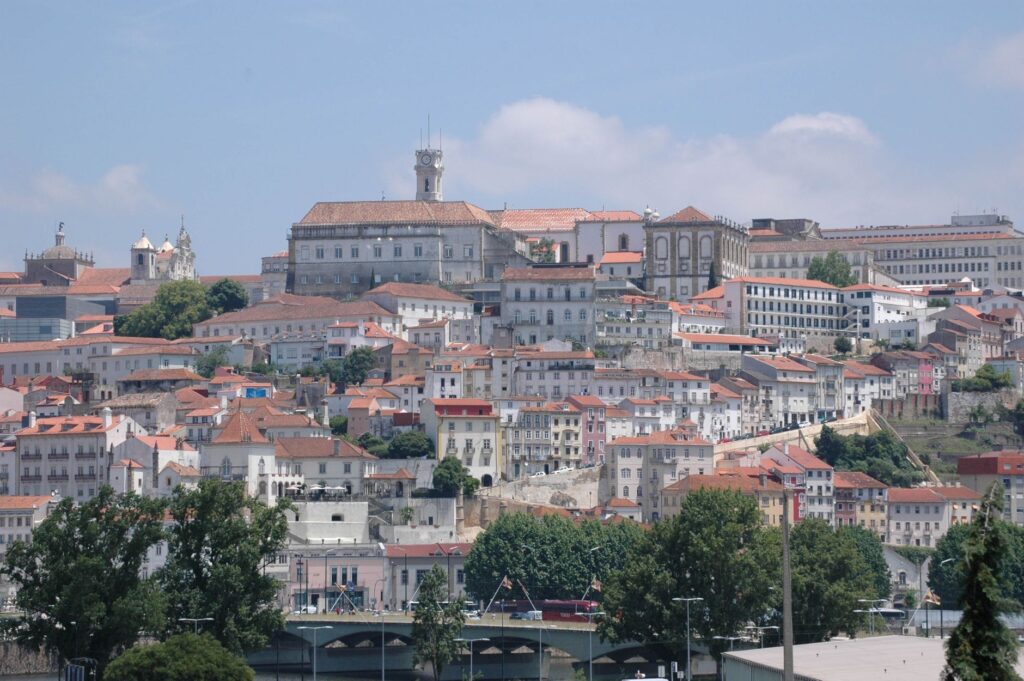
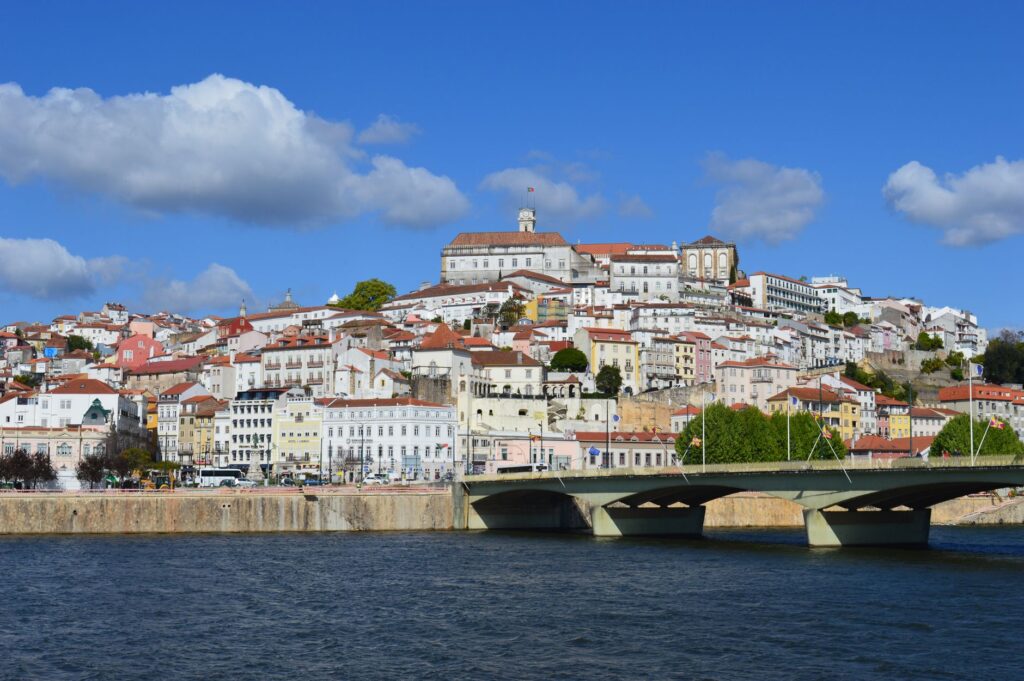
Nowadays, this guild topography survives scattered between the Baixa and the slopes ascending toward the Paço das Escolas. Although many former workshops have closed their doors due to real estate pressures and the massive digitalization of collections, the few studios that endure continue operating with the same standards of rigor as in the sixteenth century. These are not static museums, but living production spaces where doctoral dissertations in limited editions are bound alongside incunabula from the General Library of the University or municipal archives across the country.
Anatomy of a Craft: Between Flat Spines and Calfskin
The process of artisan binding in Coimbra is an exercise in geometric patience. At a local master craftsman’s workbench, every stage demands millimeter-level precision that leaves no room for improvisation. Everything begins with the manual unsewing and cleaning of ancient gatherings, a delicate task requiring special tweezers to remove traces of rust, fungi, or moisture without damaging the original rag paper fibers. Next, folios are repaired using Japanese paper grafts of neutral weight, applied with wheat starch paste prepared by hand every single morning.
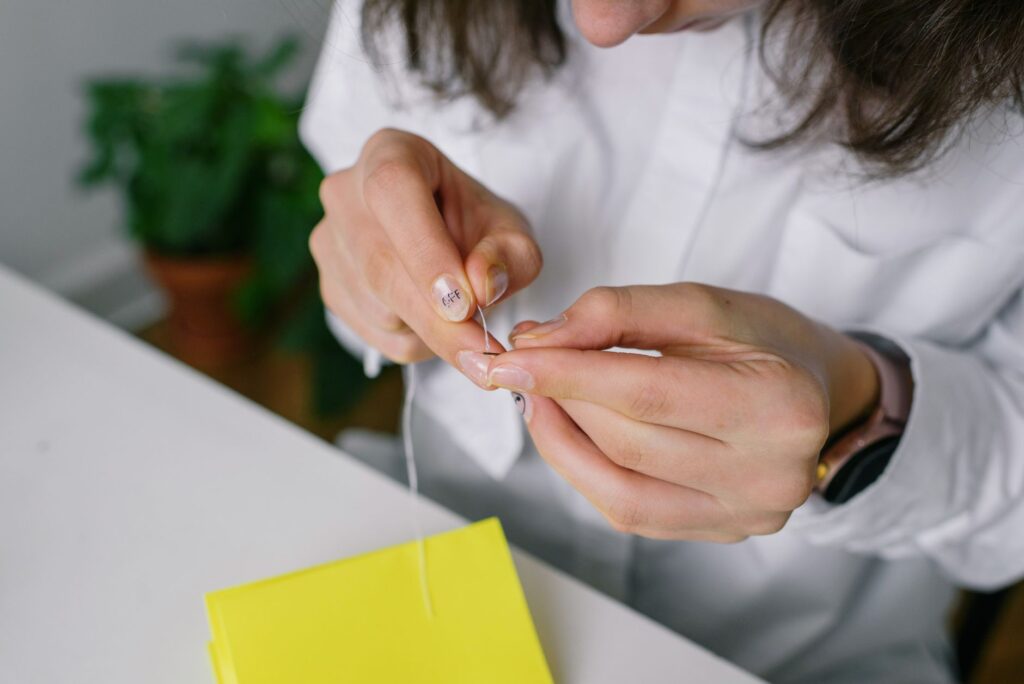
Sewing over hemp cords forms the true skeleton of the book. Using harness needles and waxed linen thread, the bookbinder interlaces the gatherings with an almost choreographed rhythm. This step determines the opening and longevity of the volume. Subsequently, the block of pages is pressed, rounded at the spine, and reinforced with leather or cotton gauze. It is during the covering phase that the artisan deploys their highest virtuosity: selecting the skin, whether full-grain calf, Moroccan goat, or the characteristic sheep parchment, which must adapt to the material’s natural tensions, shaving its edges with a paring knife so that corner joints remain entirely imperceptible.
The Joanina Library as Historical Client and Aesthetic Beacon
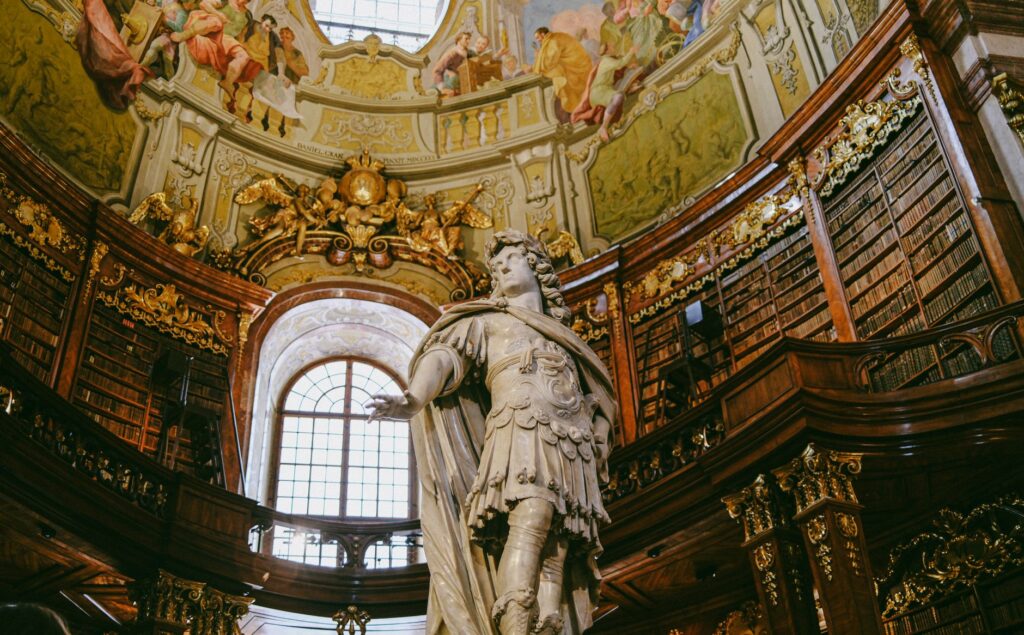
No approach to Coimbrese bookbinding would be complete without mentioning its symbiotic link with the Joanina Library, the jewel of Portuguese Baroque inaugurated in 1728. This bibliographic colossus, famous both for its gilded exotic wood shelving and its colony of resident bats—tasked with devouring xylophagous insects that threaten the collections—houses thousands of volumes dressed by the city’s historic workshops. The polished calfskin spines with fine gold stamping and red or green morocco spine labels constitute a unified visual language defining the aesthetics of major Portuguese Enlightenment culture.
Current restorers working for the University of Coimbra and its special collections confess that intervening on a Joanina volume commands reverential respect. Each intervention requires a prior technical report justifying the reversibility of the materials used. Natural dyes made from walnut hull and earths are employed to match the tone of new skins with centuries of natural wear, ensuring that repairs harmoniously dialogue with the original patina without falsifying the object’s material history.
Generational Relay: Apprentices in the Age of Screens
One of the greatest challenges facing Coimbra’s artisan community is the scarcity of generational relay. For decades, the transmission of knowledge occurred from master to apprentice through direct immersion in the workshop over several years. Today, the pull of younger generations toward digital jobs or quick-return employment has considerably diminished the flow of vocations. However, recent years have witnessed an encouraging phenomenon: young designers, restorers trained in Fine Arts, and book-object enthusiasts are arriving in Coimbra drawn by specialized courses and brief residencies.
Local polytechnic institutes and cultural foundations have begun formulating regulated training programs combining preventative conservation theory with intensive workbench practice. These young apprentices not only repeat inherited gestures but incorporate complementary analog technologies, such as modern hydraulic presses or spectrometric analysis to identify historical glue compositions, proving that tradition and applied science can walk hand in hand for the benefit of heritage.
Bookbinding is not a shield against time, but the elegant acceptance of its passage through noble matter.
This balance between respect for the past and methodological openness is what allows Coimbra’s workshops to continue attracting international commissions. Bibliophiles from Paris, Madrid, and London send their most precious copies to these Portuguese studios knowing that the cost of intervention is offset by a technical mastery practically extinct in large industrial book production circuits.
Conscious Cultural Tourism: Visiting Workshops Without Disrupting Them
The rise of cultural tourism in Portugal has transformed the perception of traditional trades. Coimbra, traditionally overshadowed by tourist flows between Porto and Lisbon, has successfully positioned itself as a destination for high-value experiences. Nevertheless, this growth poses a delicate dilemma for binding workshops: how to open doors to curious travelers without interrupting the millimeter precision required when handling fragile documents?
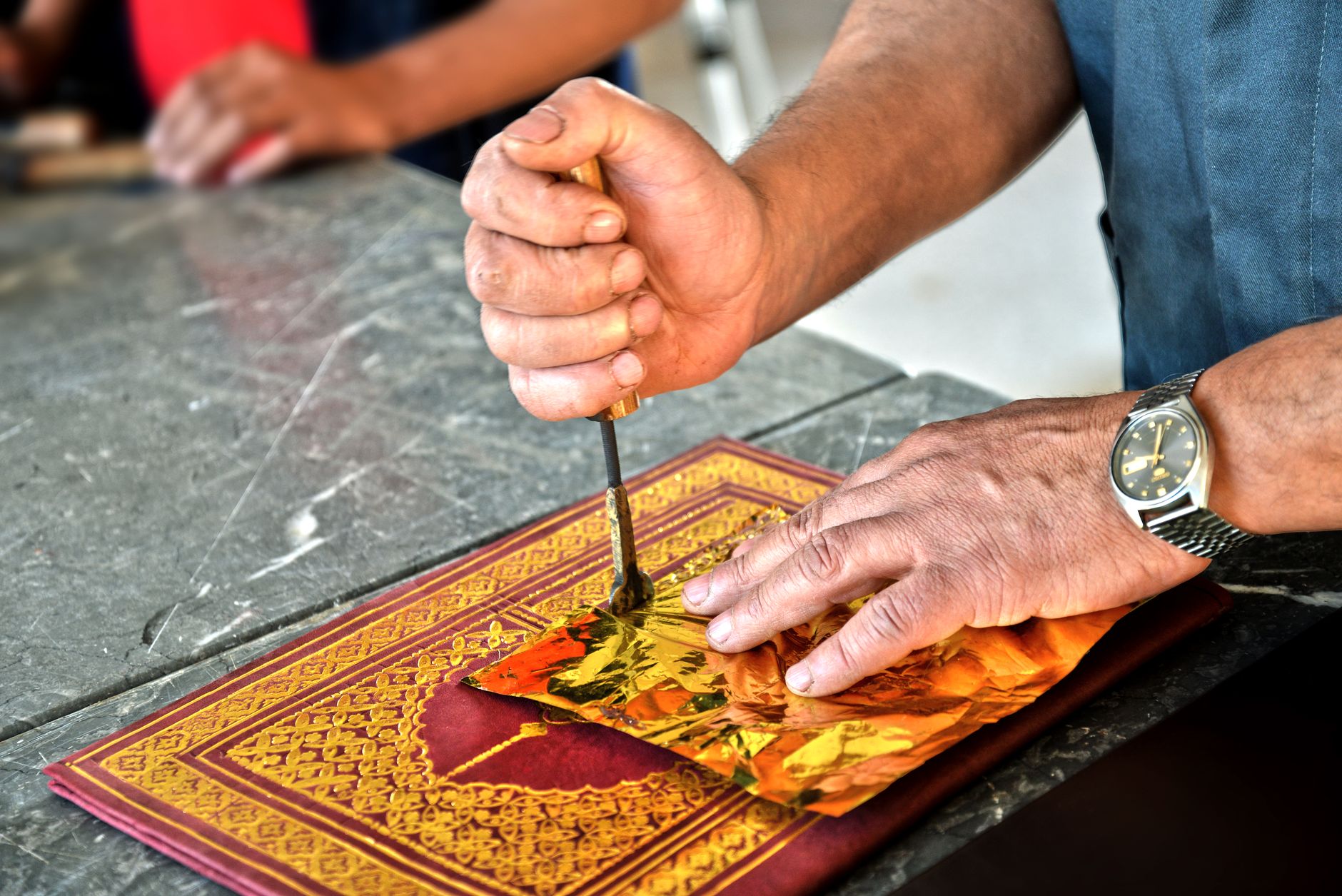
Master artisans have responded by creating concerted and limited circuits managed through local tourist offices and specialized intangible heritage tour operators. These visits are not mere photographic showcases, but open studios where travelers can closely observe the beating of gold leaf, the handling of bone folders, or the preparation of traditional pastes. It is a respectful form of tourism that educates visitors in understanding the real time required for artisan production, steering them away from mass-produced standardized souvenirs.
Practical guide
How to get there: Coimbra features excellent rail connections via Alfa Pendular and Intercidades trains linking directly with Porto (approximately 1 hour) and Lisbon (1 hour 45 minutes). Coimbra-B station is the main hub for long-distance routes, while Coimbra-A (Coimbra-Cidade) places travelers just meters from the historic center.
When to visit: The spring months (April to June) and autumn (September to November) offer mild weather ideal for walking the steep streets of the university city, avoiding summer crowds and allowing visitors to enjoy the workshops with greater peace of mind.
Workshop route: Traditional studios are primarily concentrated around Rua da Sofia, the Baixa (on streets such as Corucheiros and Direita), and the upper university district. Advance contact or booking through specialized local agencies is recommended, as many workshops operate behind closed doors for concentration and collection safety reasons.
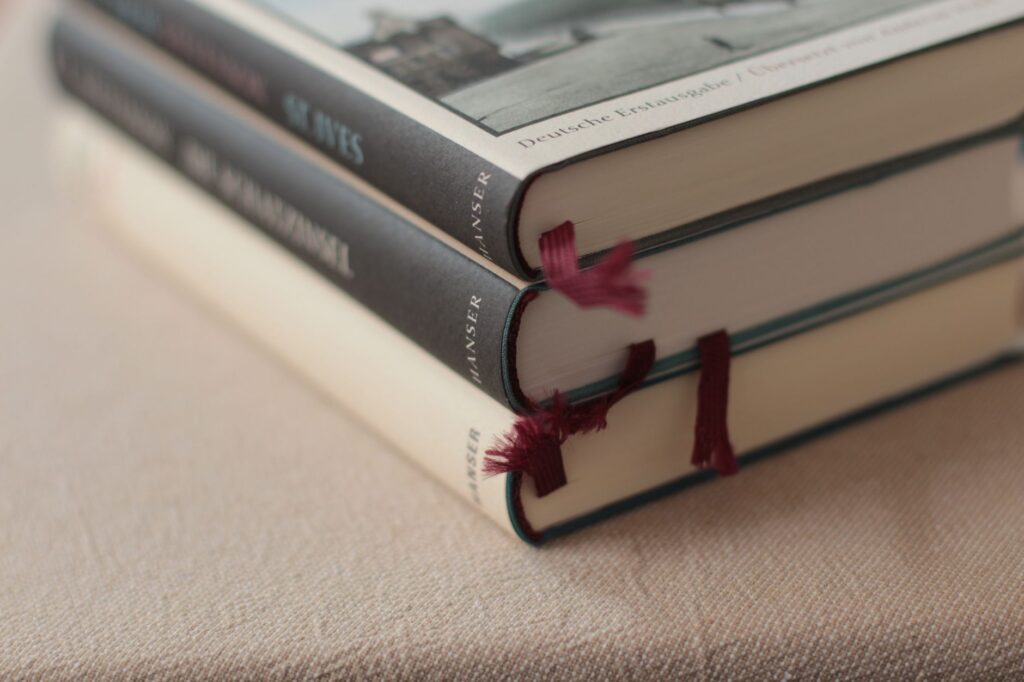
Readings and context: Before embarking on the journey, consulting the historical catalogs of the General Library of the University of Coimbra and monographic publications on the history of the book in Portugal edited by the University Press proves extremely useful.
Accommodation and gastronomy: Opting for small boutique hotels or restored manor houses in the historic center enriches the heritage experience. Gastronomically, traditional Coimbrese cuisine offers hearty dishes such as *chanfana* (kid goat stewed in red wine) and the emblematic convent sweets of local monasteries.
The Echo of Handmade Paper in the 21st Century
At dusk, when the final rays of sunlight strike the stone facade of the University and amber lights begin tracing the geometries of the Baixa, Coimbra’s workshops turn off their desk lamps. Inside these studios, the bound books completed during the day rest under pressure, absorbing the firmness of the covers and consolidating a structure destined to defy coming decades. In an era obsessed with the ephemeral and the instantaneous, the persistent rustling of hand-sewn paper along the banks of the Mondego stands as a radical vindication of slowness and beauty built with patience, reminding us that written culture continues to pulse thanks to the steady rhythm of those who still know how to sew time between two leather covers.