
There is a singular moment in the timelessness of grand hospitality that precedes habit, the wear of use, and the sedimentation of guest anecdotes. It is the exact second when a magnetic key opens a hardwood door for the first time, when the scent of sandalwood and freshly pressed linen drifts through a room no human has ever inhabited, and room service awaits with the elegant tension of a newly rehearsed choreography. At Condé Nast Traveler, we set out to document this inaugural moment through a rigorous selection of establishments where high-end luxury is no longer measured by accumulated gold, but by the capacity to reinterpret territory and offer a sanctuary of absolute privacy.
This feature is not a complacent catalog of hotel novelties, but rather a journalistic X-ray of the current state of high-performance travel. From restored Venetian palazzos to floating eco-lodges in remote archipelagos and historic townhouses in vibrant metropolises, each of these openings poses a fundamental question: how should the traveler of the 21st century stay without giving up the sense of discovery? Through our own experiences crossing these thresholds for the first time, we analyze the architectural codes, curatorial decisions, and service philosophies redefining the art of hosting.
The art of waiting and the genesis of space
The process leading up to the opening of a high-end hotel is a choral work of architects, historians, local artisans, and visionaries of management. When we first visited these properties before they welcomed their second guest, the initial impression was the creative friction between the building’s past and its commercial future. It is not simply a matter of restoring walls, but of injecting them with a contemporary pulse that respects the genius loci of the surroundings.
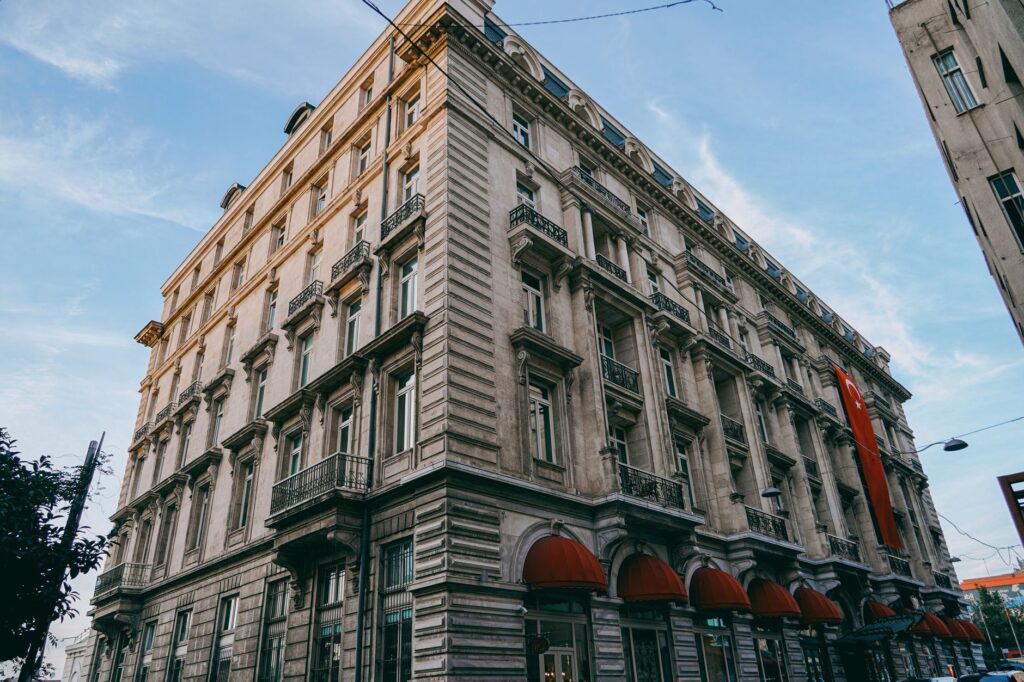
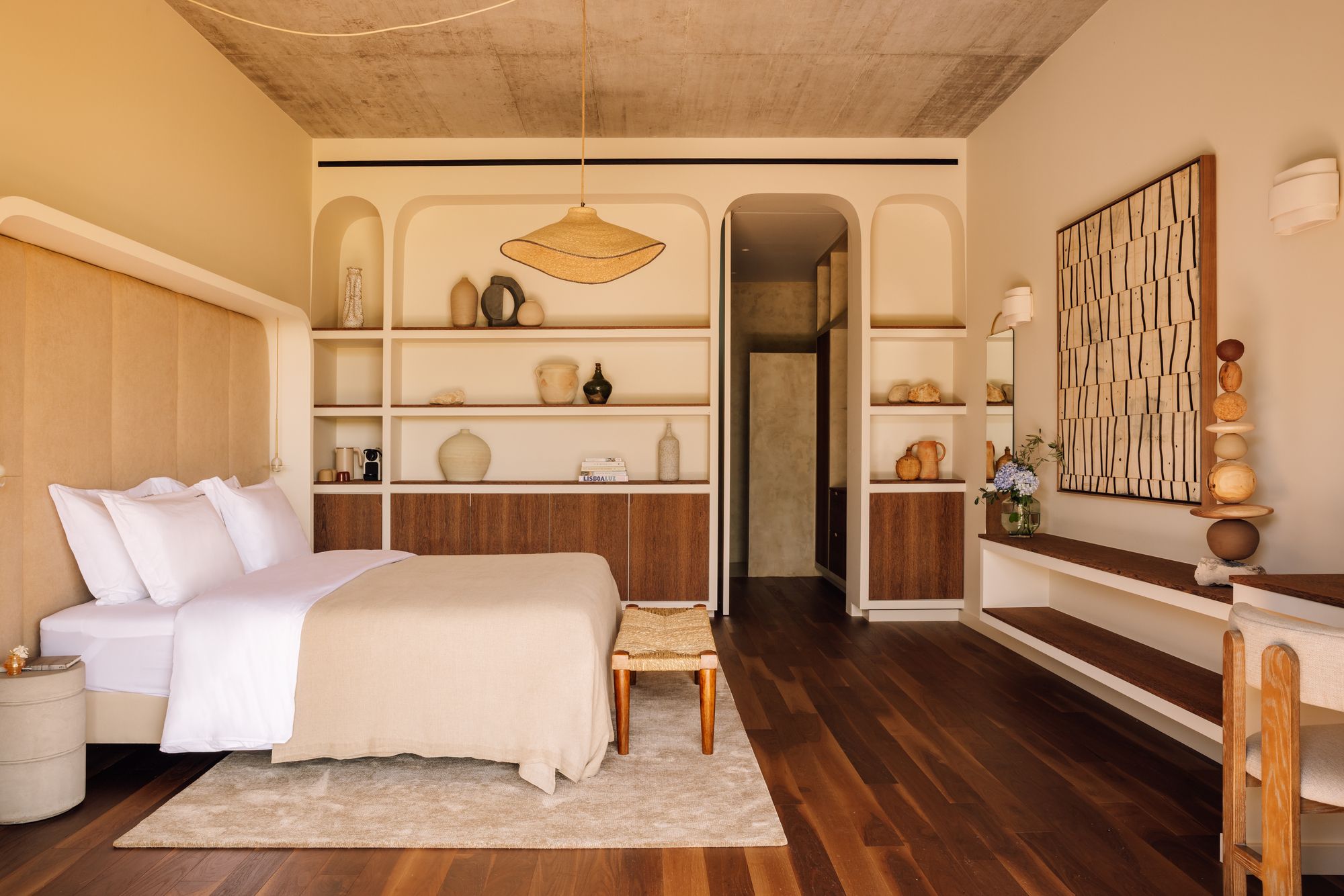
In major European capitals, the dominant trend has moved away from cold minimalism in favor of a cultured maximalism. Walls are clad in fabrics from centuries-old houses, floors recover oak floorboards free from industrial symmetry, and contemporary design pieces converse with antiques rescued from local flea markets. This approach seeks tactile authenticity over ostentation. Modern travelers look to touch noble materials—local limestone, washed linen, brushed bronzes—that connect the interior space with the exterior geography.
Invisible architecture as a statement of principles
During our initial check-ins, we verified that contemporary luxury is, above all, invisible. Technology does not impose itself; it hides behind domotic wooden panels, imperceptible climate control systems, and lighting that mimics the exact solar cycle of the exterior with mathematical precision. The architects signing these projects understand that the greatest luxury available today is the absence of visual and mental friction.
True luxury in contemporary hospitality does not reside in an abundance of superfluous elements, but in the absolute stillness of space and the precision with which human desire is anticipated before it is spoken.
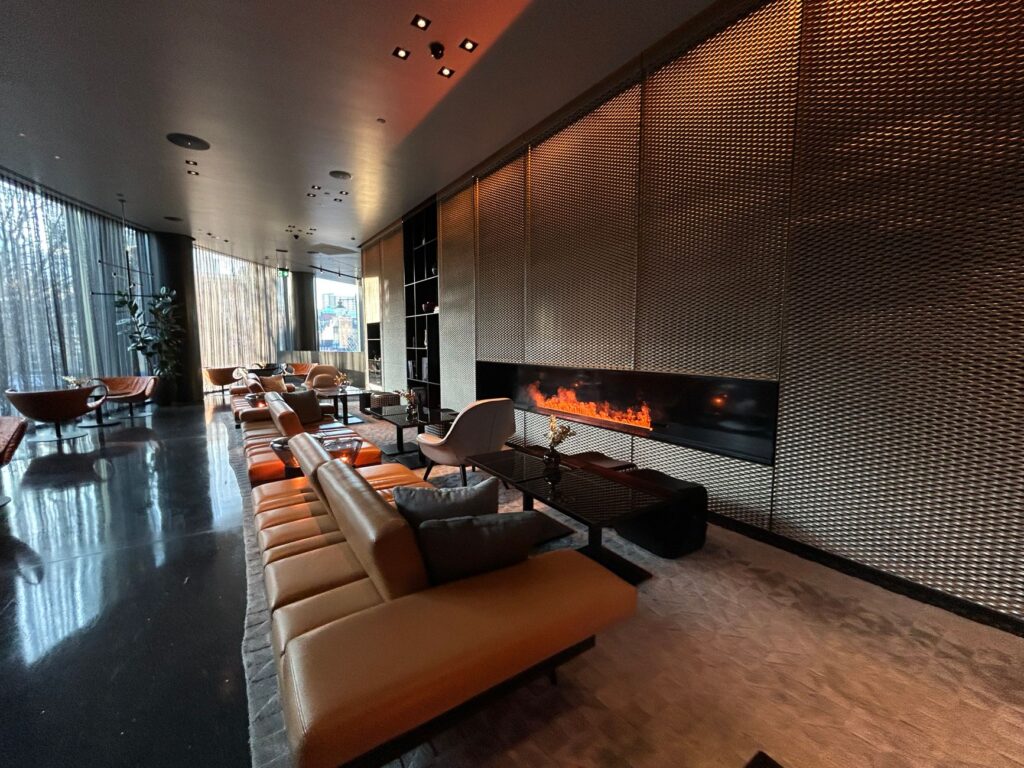
This invisibility extends to the design of public areas. Traditional, bustling, and impersonal lobbies have been replaced by residential salons where check-in takes place with a glass of biodynamic wine in hand, seated by a fireplace or in an interior courtyard shielded from urban traffic. Reception ceases to be a counter separating the client from the employee, transforming instead into a shared welcoming table.
Nature sanctuaries: The luxury of absolute isolation
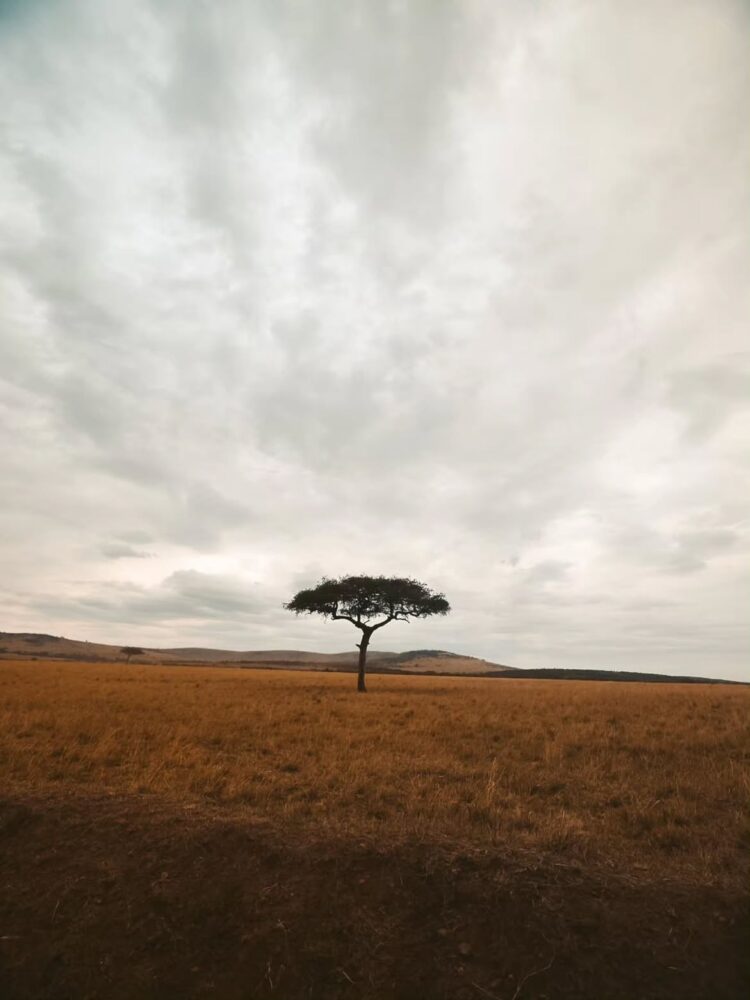
Beyond urban borders, hotel vanguardism moves toward enclaves where solitude is the primary asset. During our inaugural stay in lodges raised on stilts across wild archipelagos and in discreet camps in the middle of the savannah, we confirmed that the new luxury consists of disappearing from the map without sacrificing absolute comfort.
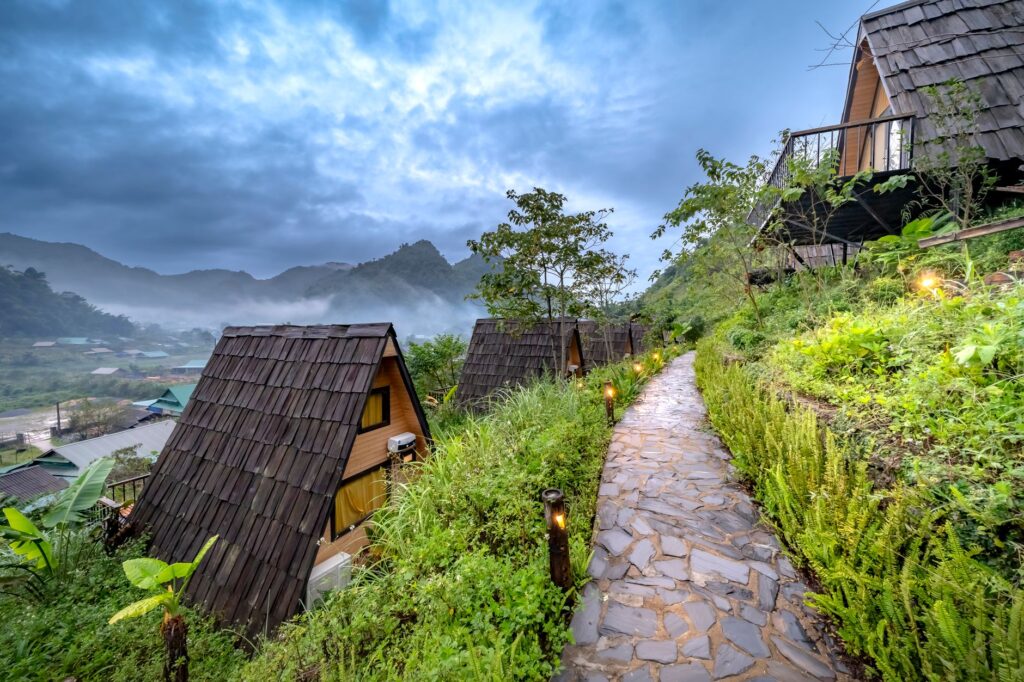
These projects are built under strict minimum-intervention criteria. Stilts are hammered by hand to avoid altering the seabed; materials come from a radius of less than one hundred kilometers; and energy comes entirely from solar or wind sources seamlessly integrated into the landscape. Sophistication in these cases lies in the ability to contemplate wild nature from a bed wrapped in organic cotton sheets, with floor-to-ceiling windows that erase the boundary between inside and outside.
Sustainability as both an aesthetic and ethical demand
Far from commercial eco-posturing, the openings we analyzed integrate sustainability into their very structure of costs and daily operations. The property’s own vegetable garden is not a decorative resource for the chef’s menu, but the backbone of the hotel’s circular economy. Organic waste is composted to fertilize local vineyards or orchards, and water is purified and bottled on-site in artisan hand-blown glass.
This ethical approach also translates into the employment and training of local communities. Management and operational positions are entrusted to regional talent, ensuring that the economic impact of luxury tourism directly benefits the surrounding social fabric. During our conversations with general managers in these early days, one constant was repeated: the long-term viability of a hotel depends on its community roots and absolute respect for its surroundings.
The renaissance of historic homes and urban memory
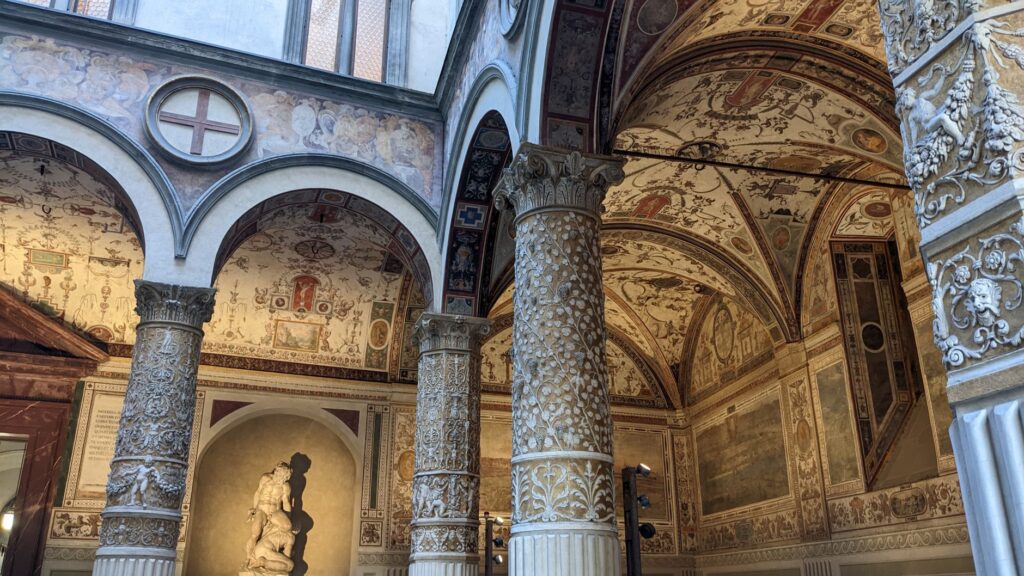
In the heart of historic cities, recent grand openings focus on recovering palaces, convents, and ancient manor houses. These buildings, laden with layers of history, pose a major technical challenge for interior design studios, which must navigate strict heritage regulations while introducing modern infrastructure.
Our experience in these establishments reveals that the greatest draw lies in the historical narrative they house. Sleeping in a chamber where political treaties were once decided or where romantic poets sought inspiration brings an intellectual dimension to travel. Hotels thus become habitable museums where the guest is not a mere spectator, but a temporary inhabitant of history.
Gastronomy with identity: When the restaurant leads the project
One of the most notable transformations in these recent inaugurations is the leading role played by the culinary offering. Once a secondary service to satisfy the lazy guest, today the hotel restaurant is the conceptual engine of the entire property and a focal point for locals.
The chefs heading these openings favor short menus deeply rooted in local produce and traditional techniques reinterpreted with contemporary precision. The wine list, meanwhile, is built with an auteur criterion, prioritizing small producers, minimal-intervention wines, and forgotten denominations of origin that tell the geological story of the territory.
Practical guide
How to plan your visit: Recent openings typically operate with a soft-opening period ranging from three to six months. During this phase, it is advisable to contact the guest relations department directly to find out which services and facilities are fully operational.
Rates and reservations: Prices in grand luxury establishments vary considerably by season, but initial rates usually reflect the brand’s positioning of exclusivity. It is recommended to book at least four months in advance to secure the most unique room categories, especially those with historic views or terraces.
Requirements and accessibility: Most of these new properties have adapted their infrastructure to guarantee universal accessibility, though restrictions derived from heritage protection in historic buildings may limit certain access points. Consulting specific requirements before confirming your reservation is essential.
The intimate pulse of the first traveler
There is something profoundly moving about being the first to leave a fleeting footprint in a space conceived for wonder. As we zipped our bags at the last of our inaugural destinations, while the sunset light dyed the newly restored moldings in amber and staff said goodbye with the warmth of those who have shared a well-kept secret, we understood the true value of this journalistic exercise.
Hotels are not mere containers of sumptuousness, but stages where we rehearse new ways of being in the world. By inaugurating their rooms, we have witnessed the genesis of a narrative that now belongs to those who decide to cross their doors. Luxury, after all, is not what one possesses, but the intensity with which one experiences the moment when everything begins.
Source in Condé Nast Traveler.