
Beyond the usual circuits of family tourism
When planning a vacation with children and older adults, the tourism industry usually prescribes a predictable formula: all-inclusive beach resorts, European metropolises connected by efficient airports, or smooth coastal drives. However, geographies exist where travel becomes an exercise in deep immersion, forcing a rethinking of family bonds through distance, slowness, and surprise. Trading the comfort of modern amenities for the steady rattle of a historic railway line in East Africa is a decision not without apprehension, but it represents a unique opportunity to transform leisure into shared learning.
The account of this journey, documented by creators such as Adriana Muela on Alan x el Mundo platforms, dismantles the prejudice that East Africa is reserved exclusively for extreme backpacker expeditions or inaccessible luxury safaris. The railway network, inheriting colonial layouts in many cases but appropriated by the daily pulse of its inhabitants, acts as a backbone connecting breathtaking landscapes with complex human realities. Boarding one of these trains as a family requires abandoning absolute control of the itinerary and accepting the rules of African time, where patience ceases to be a virtue and becomes an indispensable passport.
The railway as a living organism and territorial memory
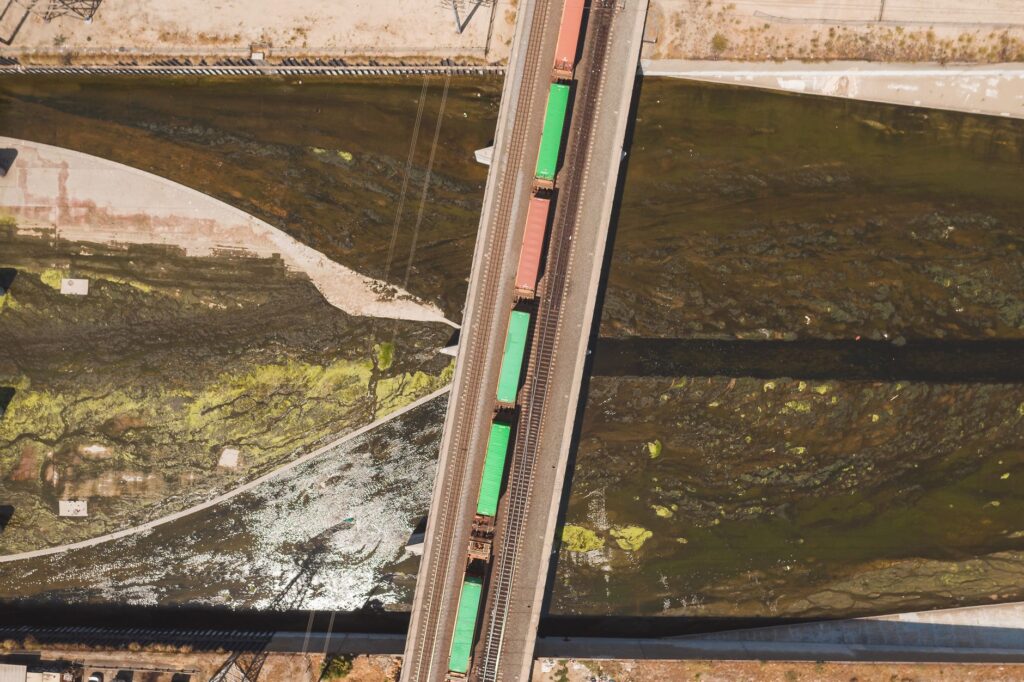
The train is not merely a means of transportation to get from point A to point B in these territories; it is a traveling market, an intergenerational meeting point, and a rolling archive of the region’s recent history. From the moment one steps onto the platform, the atmosphere differs radically from the coldness of contemporary air terminals. Here, local merchants carrying bulky goods, students returning home, and increasingly curious travelers willing to look beyond the traditional tourist postcard live side by side.
Traveling by train through Africa with family forces one to strip away rigid expectations and tune in to the real rhythm of the territory.
For the youngest members of the family, the contrast is radical and fascinating. Digital screens take a back seat to the window framing an infinite savanna, dusty villages where children wave as the convoy passes, and bustling stations filled with intense aromas. Adults, meanwhile, find in this leisurely pace the proper space for unhurried conversation, which rarely finds a place in the frantic urban routine of the West. Every kilometer covered on the rails accumulates anecdotes and shortens emotional distances between parents, children, and grandparents.
Rolling architecture and the challenge of rail logistics
Tackling the logistics of a train journey in this part of the African continent requires realistic planning and the acceptance that unforeseen events are an intrinsic part of the experience. Railway infrastructure combines modernized sections with recent international investments and old branch lines that retain undeniable railway romanticism, albeit with limited technical services. Knowing in advance the categories of the carriages, the conditions of the bunks, and the availability of basic water or food is crucial to ensure the well-being of the most vulnerable members of the family group.
International mobility experts remind travelers that British or Central European punctuality does not apply in these corridors. Delays can last for hours due to freight traffic, track maintenance, or seasonal climatic factors. In this context, the role of adults is to remain calm and convey a flexible attitude to minors, transforming the wait into an opportunity to observe the dynamics of secondary stations, interact with local vendors, and sample typical products offered through the windows.
The landscape as an open-air classroom: savannas, valleys, and wildlife
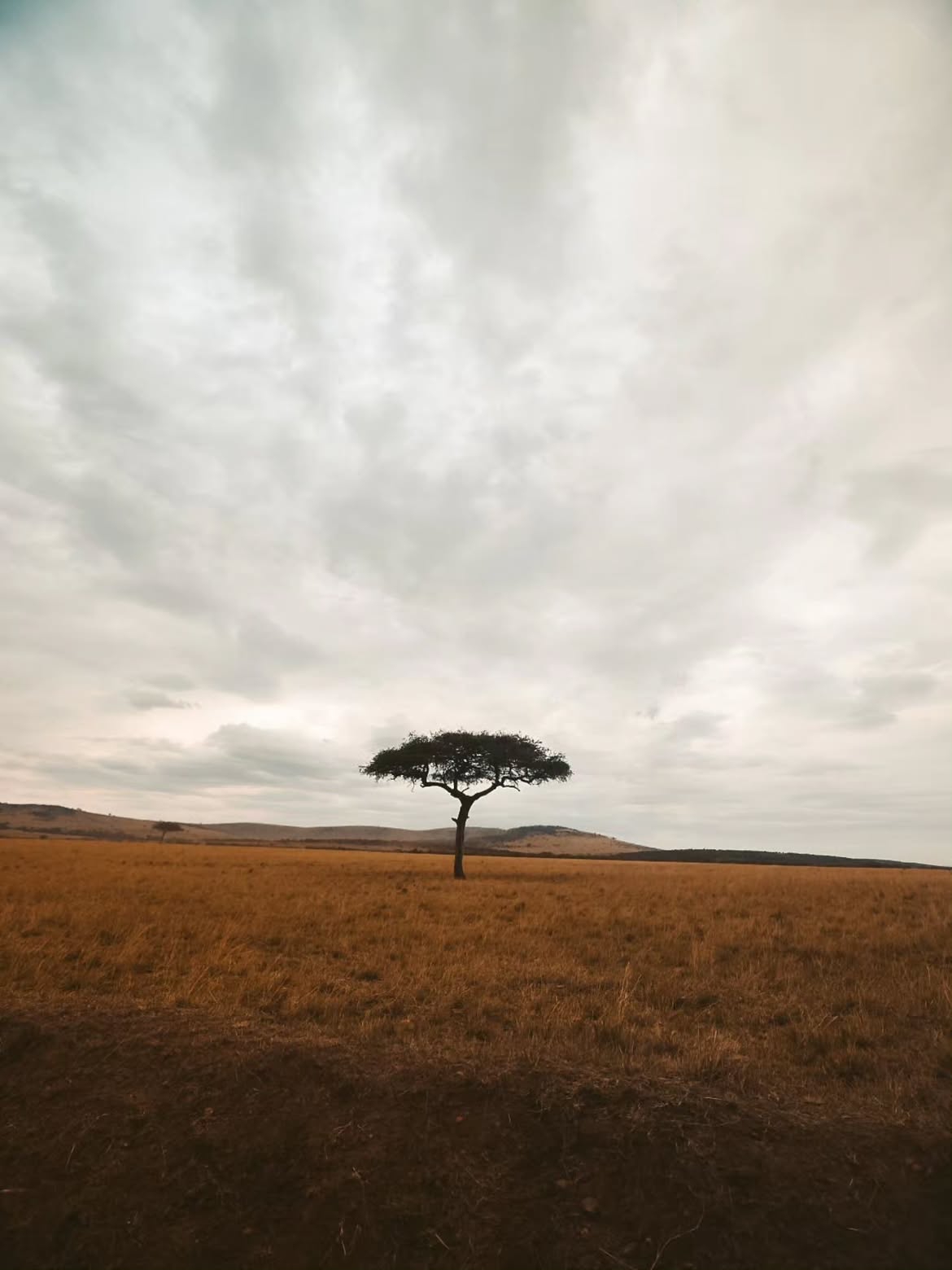
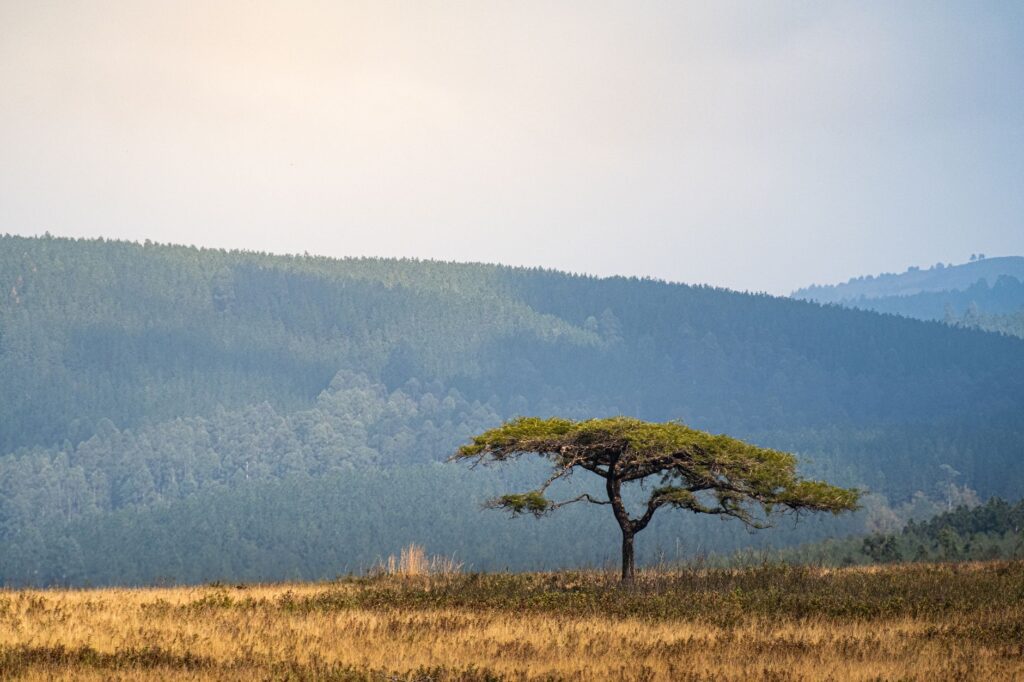
Few natural settings offer pedagogical value as immediate as the one unfolding behind the windows of a moving train in East Africa. The ecosystem changes subtly yet constantly: from lush volcanic highlands to arid plains where the savanna seems to merge with the horizon. For children and adolescents, watching herds of native fauna crossing at a prudent distance from the track or spotting migratory birds in adjacent wetlands far surpasses any school lesson in geography or biology.
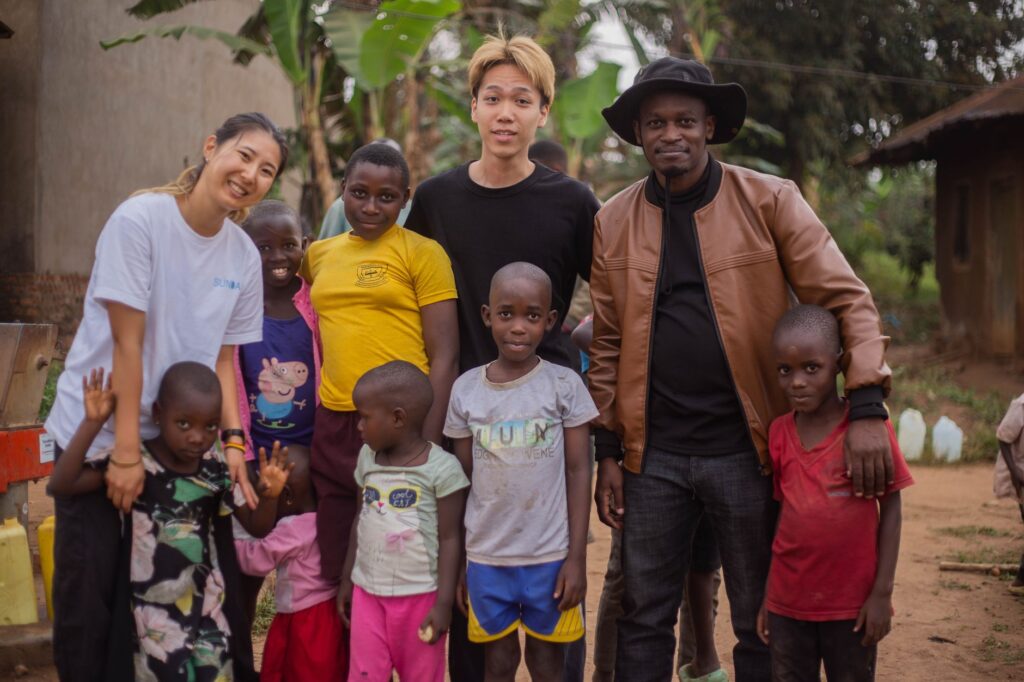
This landscape approach also allows us to gauge the environmental fragility of the region and understand the conservation challenges facing local communities. Local guides and travel accounts emphasize the importance of respectful tourism that neither disrupts biological corridors nor commercializes wildlife. Unlike mass tourism in large hotel complexes, the train travels less intrusively through the territory, allowing nature to be observed in its daily dynamics without the urgency of off-road vehicles chasing the perfect photograph.
Human encounter: hospitality, language, and crossed gazes
The true engine of this route lies not only in the beauty of its landscapes, but in the quality of human interaction. Aboard the train, cultural barriers vanish with surprising ease. A kind gesture, a shared smile, or the curiosity of local children toward foreign travelers generate immediate bridges of communication, despite language differences. English and Swahili act as linking tools, but body language ultimately structures coexistence during the hours of shared travel.
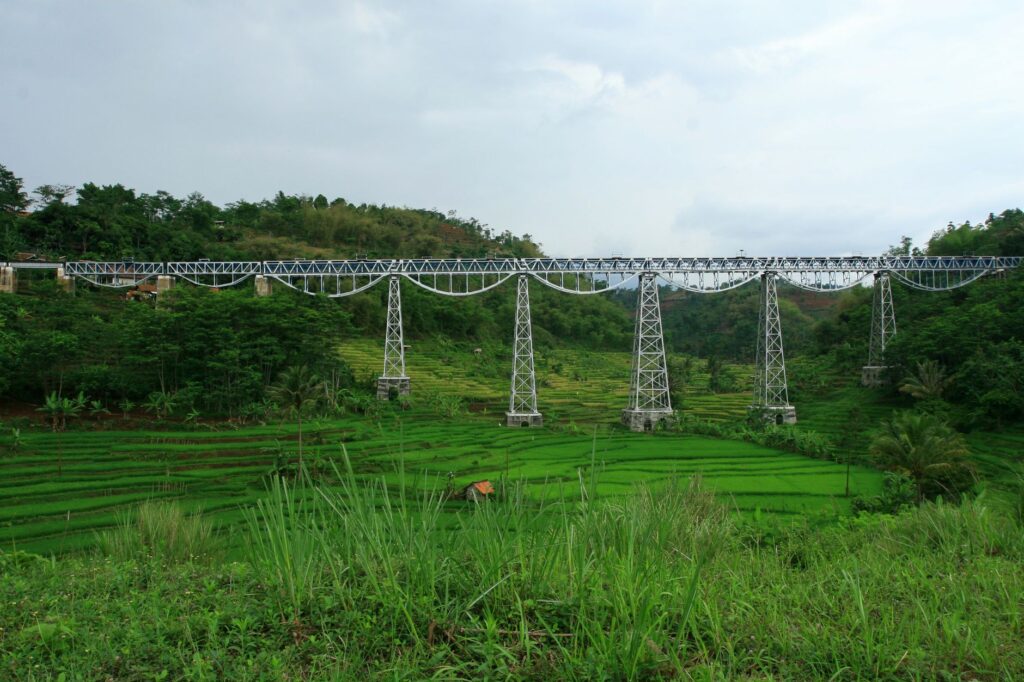
For families, this direct coexistence with diverse socioeconomic realities fosters empathy and constructively questions privileges of origin. Minors learn to value resources as everyday as drinking water or continuous electricity, while discovering the richness of cultures where community and neighborly solidarity remain the pillars of daily survival. Far from generating fear, these experiences strengthen the personal security of young travelers and broaden their geopolitical vision of the contemporary world.
Practical guide
Organizing a family rail journey through East Africa requires rigor, anticipation, and a proper evaluation of available resources. Below are fundamental guidelines based on experiences documented by specialized platforms and field reports:
- Route planning: Verify the operational status of railway lines in advance, as modernization and rehabilitation projects frequently alter schedules and available sections unexpectedly.
- Cabin selection: Opt for private compartments or first-class berths whenever possible to ensure the rest and safety of minors and older adults in the group.
- Provision of supplies: Carry sufficient bottled water, energy snacks, basic medications for stomach ailments, and personal hygiene items, as supplies on board are often scarce or nonexistent.
- Documentation and visas: Ensure compliance with mandatory health requirements—such as the yellow fever vaccine—and process corresponding electronic visas weeks in advance.
- Flexible attitude: Assume that delays are part of the trip and design an itinerary with wide time margins that prevent exhaustion and family stress.
Family memory and the close of a transformative journey
When the train finally stops at the destination station and bags are hoisted back onto shoulders, the family group’s general feeling is usually far from accumulated fatigue. What prevails is the certainty of having shared a contemporary rite of passage, an experience that reshapes how parents and children understand the world and their place in it. Photographs imprinted in memory far surpass digital snapshots: the smell of wet earth after a tropical storm viewed from the carriage, laughter shared with strangers who offered a piece of fruit, and complicit silence upon contemplating a reddish sunset over the infinite tracks of Africa.
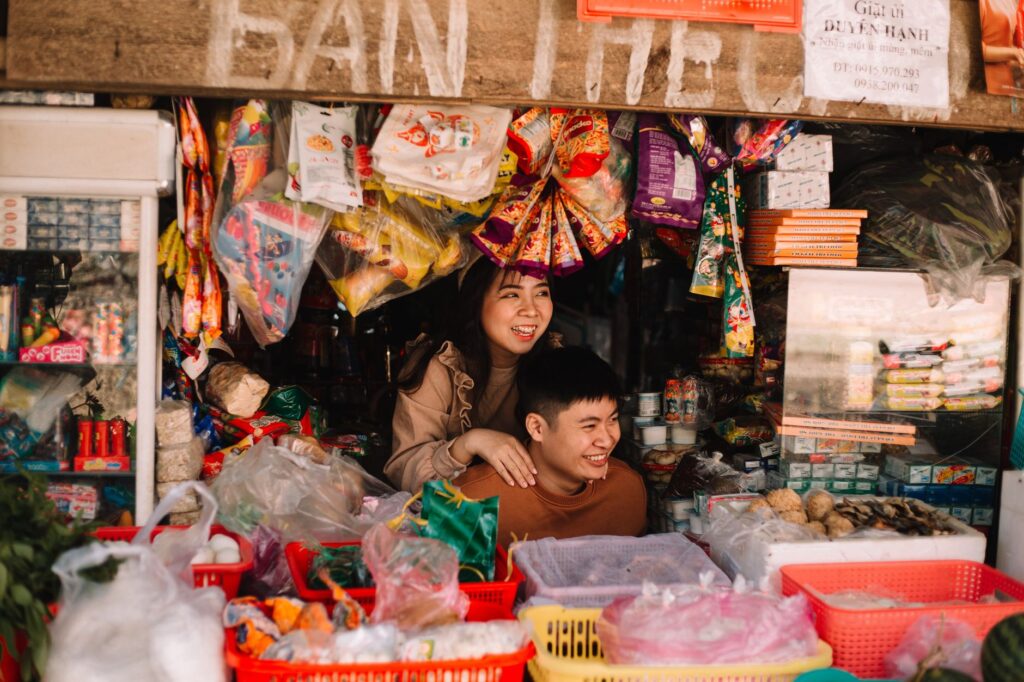
The best life lessons are not learned in protected classrooms, but by daring to cross the borders of the known in good company.
These types of journeys demonstrate that traveling with children and youth does not have to be limited to predictable, safe scenarios. On the contrary, opening the door to less conventional destinations through mediums as human as the train fosters resilience, intellectual curiosity, and genuine respect for global diversity. At the end of the journey, the improbable route ceases to be a risky bet and becomes the most valuable and enduring anecdote of family history.
Source: Alan x el Mundo.