

The Invisible Geography of the Altiplano
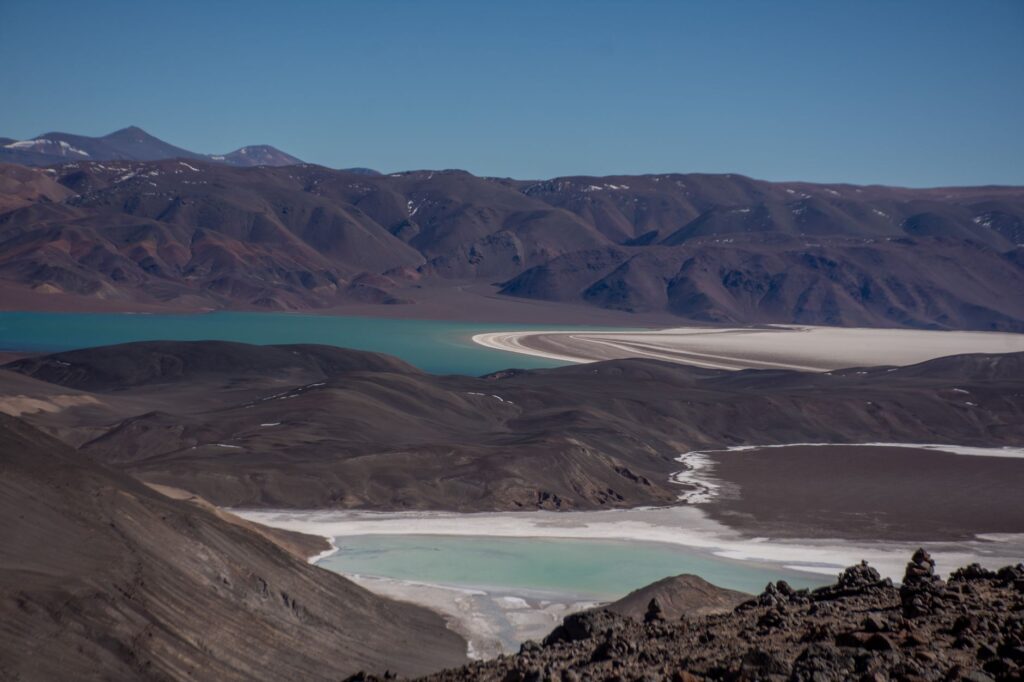
At over three thousand five hundred meters above sea level, mobility is never merely a matter of infrastructure; it represents a fragile pact with gravity, wind, and history. Across the high-altitude plateaus surrounding the imperial city of Cuzco, the communities inhabiting the high valleys and surrounding mesas have depended for centuries on unpaved tracks, overloaded freight trucks, and a precarious network of informal transport that isolates mountain villages during the rainy season. Today, however, this remote territory is witnessing a silent transformation that redefines the concept of connectivity in high-mountain environments through the integration of electric fleets adapted to extreme gradients and the recovery of ancient pre-Hispanic pathways.
The geographical and climatic challenges of the region impose severe conditions that any modern transport strategy must successfully navigate. Daily thermal variations frequently exceed twenty-five degrees Celsius, and the steep slopes connecting agricultural valleys with high-alpine passes demand highly specific mechanical and energetic solutions. Far from imposing models imported from European lowlands, the new mobility paradigm in the altiplano is rooted in co-creation with local communities, combining ancestral knowledge of seasonal flows with cutting-edge engineering in electric traction and solar energy storage.
From Isolation to the Community Solar Network
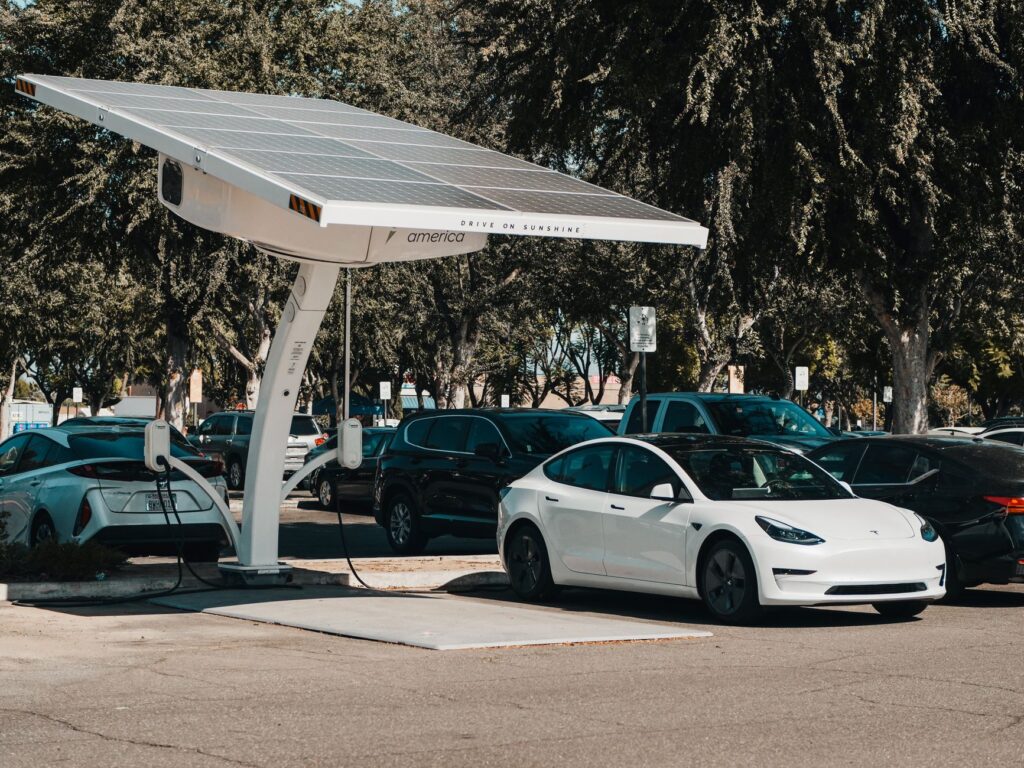
For decades, public transport in the rural areas of southern Peru has been characterized by energy inefficiency and high dependence on expensive, polluting fossil fuels. Traditional diesel vehicles suffer a drastic loss of power due to high-altitude oxygen scarcity, which increases local emissions of fine particulate matter and accelerates the degradation of fragile Andean soils. To address this reality, a consortium formed by local agricultural cooperatives, regional universities, and electromobility technicians has promoted the creation of photovoltaic solar micro-grids strategically distributed at key points throughout the inter-Andean valleys.

These autonomous charging stations power a fleet of electric minibuses equipped with high-torque symmetric motors and regenerative braking systems capable of recovering energy during prolonged descents into the valleys. The architecture of these units has been specifically engineered to withstand the mechanical demands of compacted dirt roads and loose gravel routes. The cornerstone of the system lies in energy decentralization: each community manages its own charging station, which not only guarantees the continuous operativity of the routes but also generates local employment in technical maintenance and the administration of community energy resources.
Integrating Ancestral Trails
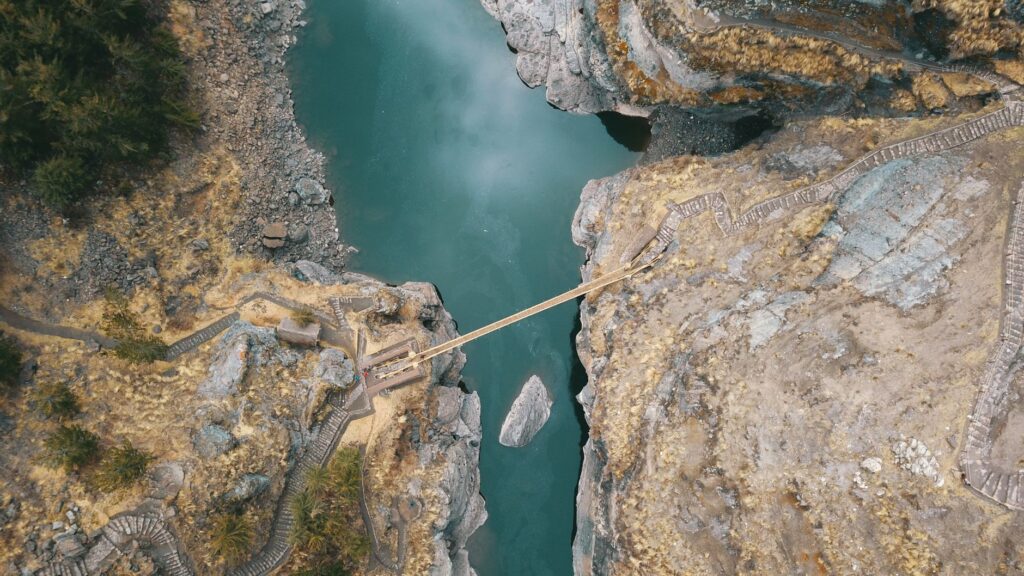
The modernization of transport in the Cuzco altiplano is not limited to asphalt or the replacement of thermal engines; it also encompasses a profound recovery of the territory through ancient Inca trails, or qhapaq ñan. Far from turning them into mere tourist enclaves, mobility planners have integrated these dry-stone pathways as greenways and soft-transport corridors to connect villages once isolated by insurmountable geographical barriers.
These pedestrian and cycling routes, rehabilitated using traditional masonry techniques to prevent water erosion, allow the safe transit of farmers and local goods through the use of light electric-assist bicycles and optimized human-powered cargo carts. In this way, a clear mobility hierarchy is established where heavy and medium-distance transport is channeled along electrified main roads, while short-range neighborhood connectivity is resolved through ecological corridors that respect the landscape integrity of the sacred valley and its surroundings.
Architecture and Technology Against Climatic Adversity
Implementing a zero-emission transport network in an environment characterized by nocturnal frosts and extreme ultraviolet radiation requires rigorous technical solutions. Traditional lithium-ion batteries typically lose efficiency and suffer structural damage when continuously exposed to sub-zero temperatures. To resolve this hurdle, engineers have developed passive thermal insulation systems based on local materials and temperature management technologies that utilize the residual heat of solar inverters to keep accumulators within their optimal operating range.
Likewise, road support infrastructure has been redesigned to mitigate the impact of seasonal torrential rains. Sustainable drainage systems featuring infiltration trenches and porous pavements have been installed at charging points and transit stops, preventing nutrient runoff and the formation of gullies on cultivated slopes. This integration between civil engineering and environmental stewardship demonstrates that transport development in vulnerable zones can become a catalyst for soil protection and efficient stormwater management.
True innovation in high-Andean transport does not lie in importing high-end technology, but in the capacity to adapt energy efficiency to the ancient rhythm of the land and its communities.
Socioeconomic Impact on Local Communities
The transition toward an electrified and decentralized transport model has generated a profound shift in the economic structure of high-altitude villages. Traditionally, the cost of fossil fuels accounted for up to forty percent of the income of families dedicated to transporting agricultural products to urban markets in Cuzco. With the introduction of flat tariffs based on self-generated solar energy, this margin has been drastically reduced, allowing producers to retain a larger share of the value of their native potato, quinoa, and giant white corn harvests.
Furthermore, the creation of local technical schools to train young people from the communities in electromobility, solar panel maintenance, and fleet management has noticeably curbed migration toward urban poverty belts. Women, traditionally excluded from decision-making processes in the transport sector, now lead the operational management of several community charging stations, consolidating a more equitable and resilient social fabric in the face of regional economic fluctuations.
Pending Challenges and Network Expansion
Despite remarkable progress in the pilot valleys, expanding the model to the most remote communities of the mountain range presents considerable challenges. The extremely rugged topography of the highest ecological zones prevents four-wheel vehicle access, forcing a rethinking of last-mile logistics. Currently, the viability of incorporating solar-powered cable transport systems and light cargo drones to supply hamlets situated above four thousand meters is under active investigation.
Another critical aspect is the tariff and digital integration of the network. Although payment through local barcodes and community currencies has functioned well in rural settings, connection with Cuzco’s metropolitan transport system requires interoperable technological gateways that do not exclude users with lower digital literacy. Ongoing dialogue tables between regional authorities, private operators, and community leaders continue to work on regulatory frameworks that guarantee equitable access and long-term environmental protection.
Practical Guide
How to get there: The natural starting point for exploring sustainable mobility routes in the altiplano is the city of Cuzco. Alejandro Velasco Astete International Airport receives daily flights from Lima. From downtown Cuzco, the new community electric transport connections operate from specific peripheral terminals.
When to visit: The dry season, spanning from May to October, offers the best weather conditions for traversing trails and valleys, featuring clear skies and lower risk of rainfall. Nevertheless, the rainy season (November to April) showcases the high-Andean landscape in its ultimate green expression, though it demands caution during travel.
Travel requirements: It is essential to secure travel insurance covering activities at altitudes exceeding 3,500 meters. An acclimatization period of at least forty-eight hours in the city of Cuzco is strongly recommended before embarking on any route through the high valleys.
Mobility tips: Utilize exclusively accredited community transport services and respect solar charging schedules. For walking journeys along ancient Inca trails, hire certified local guides who collaborate directly with the preservation of heritage routes.
The Horizon of the High-Andean Landscape
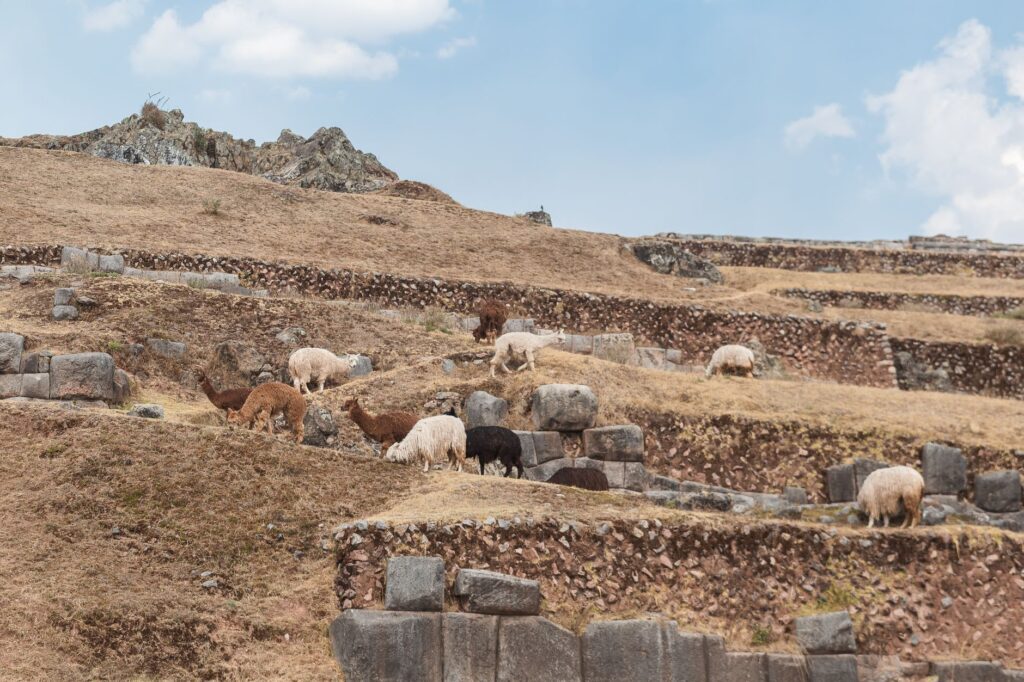
As evening falls, when the golden light of the Andean sun refracts across high-altitude lagoons and terraced crop fields, the silence of the plateau is barely interrupted by the nearly imperceptible murmur of an electric minibus gently ascending the slope. There is no trail of black smoke or the deafening roar of aging combustion engines that for decades marked the rhythm of the region. Instead, the landscape breathes with a recovered calmness, demonstrating that modernity and sustainability can merge into a single horizon.
This delicate balance achieved in the altiplano of Cuzco transcends the local sphere to become a global benchmark for how mountain regions worldwide can confront the climate crisis without renouncing their identity. Territorial reconnection, driven by science and sustained by collective memory, charts a clear path toward a future where travel and conservation form part of an unbreakable journey.