
The Invisible Evolution at Security Checkpoints
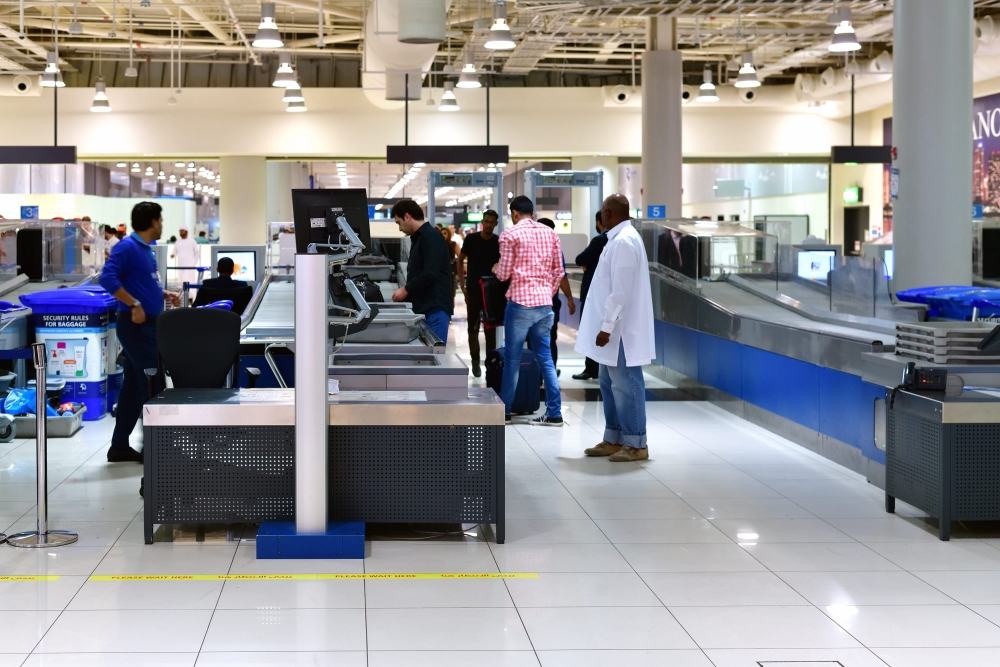
For decades, passing through an airport security checkpoint in Europe has been associated with a stressful ritual. Stripping off coats, extracting tablets and laptops, and lining up small bottles of liquids inside transparent plastic bags formed a precise choreography devised in the wake of early-century security incidents. However, the global routine of commercial aviation is undergoing a profound transformation thanks to the gradual deployment of technology designed to streamline passenger flow without compromising protection standards.
The new screening systems based on three-dimensional computed tomography (commonly known as C3 scanners) operate on a principle similar to medical hospital scanners. Instead of offering a flat, two-dimensional image of luggage contents, these units generate high-resolution volumetric images that allow security operators to rotate and examine objects from any angle. This surgical precision makes it possible to distinguish clearly between organic materials, inorganic substances, and potential threats.
The primary operational advantage of this technological breakthrough lies in its capacity to analyze contents without requiring passengers to alter the layout of their belongings. Travelers no longer need to empty their backpacks with habitual urgency or fragment their items across multiple plastic trays. Next-generation technology processes the density and chemical composition of items within seconds, dramatically reducing false alarm rates and the subsequent manual checks of luggage.
The End of the One-Hundred Milliliter Limit and the Incomplete Transition
Alongside the abolition of the requirement to remove electronic devices, one of the greatest expectations generated among frequent flyers has been the relaxation of restrictions applied to liquids and gels. Traditionally, bottles had to strictly adhere to a maximum capacity of one hundred milliliters and be packed together inside a single, resealable transparent bag with a one-liter capacity.
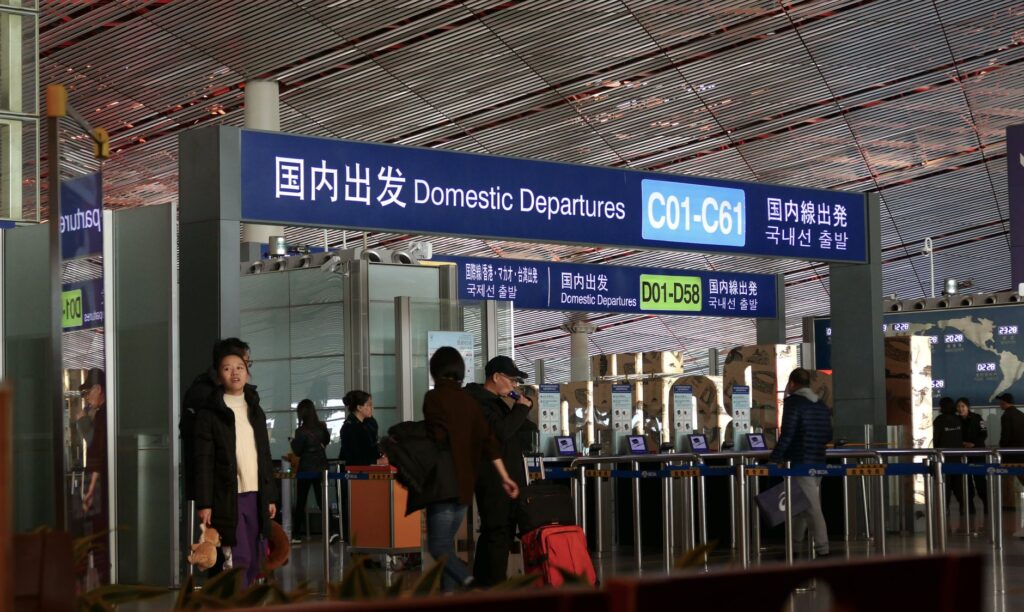
With the arrival of computed tomography systems, several international airports have begun to raise this threshold, allowing users to transport larger bottles and even medicinal liquids or water without emptying them before passing through the checkpoint. Nevertheless, this advantage is not applied uniformly across the entire European airspace, constituting a critical factor of confusion for those taking connecting flights or mixing airlines.
Deploying the required infrastructure demands multi-million-euro investments from airport authorities in each country, a process proceeding at wildly varying speeds. While some European Union member states have completed the modernization of their principal transport hubs, others continue to rely on conventional X-ray technology, forcing the continuation of classic restrictions to prevent operational bottlenecks at transfer points.
The Regulatory Labyrinth: When Modernization is Not Universal
The primary challenge facing the contemporary traveler is not the technical complexity of the new equipment, but the profound regulatory disparity currently prevailing. A passenger might board at an aerodrome equipped with cutting-edge three-dimensional technology where laptops stay in backpacks and water bottles are permitted, only to encounter a traditional checkpoint on their return flight that strictly enforces the classic rulebook.
This regulatory fragmentation requires advance planning by users, who must specifically check the technological status of every airport involved in their itinerary. International air transport associations and civil aviation bodies emphasize the importance of reviewing local guidelines before heading to the terminal, reminding the public that asymmetrical installation timelines will persist for the next few years.
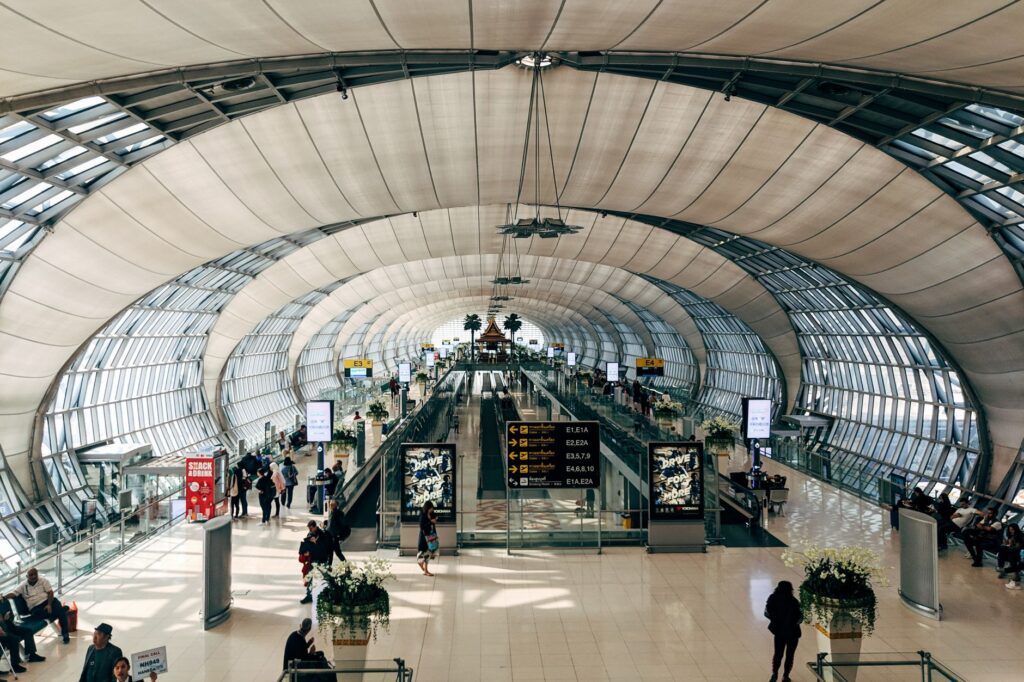
The modernization of airport security is not a synchronous process, but a complex mosaic where technological vanguard and traditional inspection methods coexist side by side.
Security operators also remind travelers that despite the enhanced analytical capacity of scanners, human judgment still prevails. If an algorithm detects anomalous density or an object whose reading remains inconclusive for the automated system, ground personnel will manually open the bag, regardless of technical upgrades integrated into the screening line.
National Infrastructures and the Impact on Waiting Times
The adoption of these advanced inspection systems has a direct impact on passenger traffic fluidity. Preliminary statistics gathered at pioneering airports in Western Europe indicate a notable reduction in the average time each user spends clearing security filters, decreasing bottlenecks during peak hours and optimizing ground staff deployment.
However, the transition period toward the new model occasionally generates extra delays due to passengers’ own learning curves. Many travelers, accustomed for decades to systematically extracting devices and liquids, hesitate before new staff instructions, momentarily slowing down the flow at entry trays.
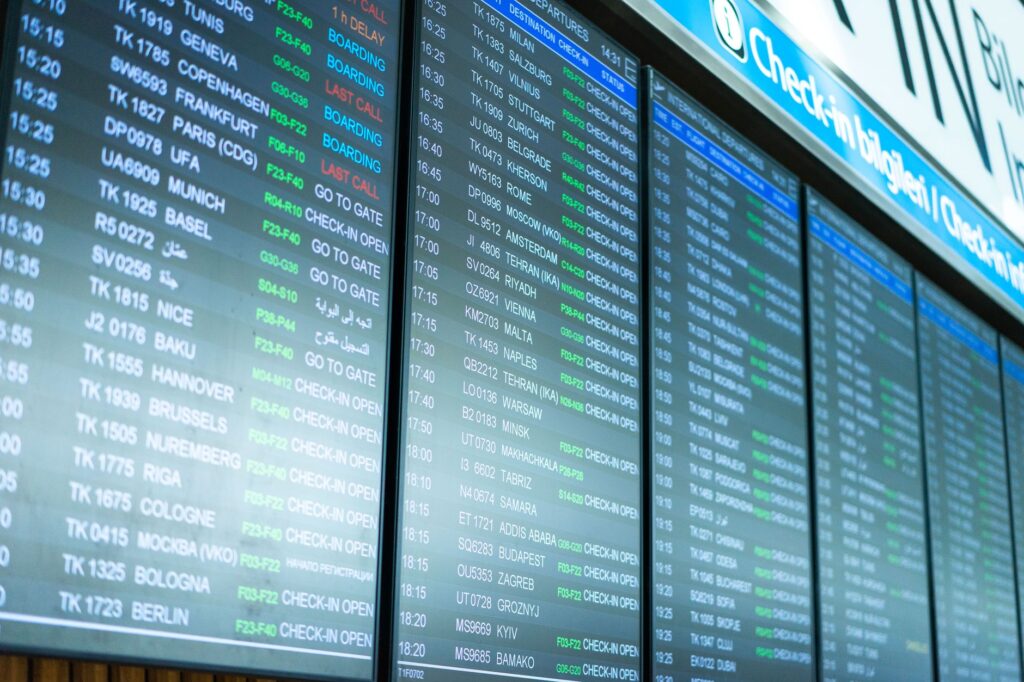
Visual communication within terminals has become a key element in educating passengers in real time. Interactive digital signage, multi-language guidance, and assistance personnel deployed near access lines attempt to steer users toward maximizing the benefits of the new technology while avoiding automated habits that are no longer necessary in modernized facilities.
Sustainability and Plastic Waste Reduction at Checkpoints
Beyond comfort and operational efficiency, the gradual easing of liquid rules at airports equipped with advanced technology brings an environmental byproduct of considerable relevance for the tourism industry.
For years, the mandate to carry liquids in containers under one hundred milliliters has fueled mass consumption of tiny single-use plastic bottles and disposable transparent bags that frequently overloaded recycling systems within airport facilities or generated unnecessary volumes of difficult-to-manage waste.
The ability to travel with larger reusable bottles or standard-capacity containers fosters a more sustainable travel model aligned with the circular economy policies promoted by the European Union across various economic sectors. By removing the need to purchase bottled water after security or discard personal care products for exceeding legal limits, travelers enjoy greater autonomy and reduce their plastic footprint throughout the journey.
Cybersecurity and Privacy Challenges in Three-Dimensional Analysis
The incorporation of body and luggage scanners based on computed tomography also opens a necessary debate concerning privacy and data management generated during airport inspection processes across European territory.
Unlike traditional analog methods, modern computer systems digitally process and store massive volumes of three-dimensional information regarding citizens’ personal belongings. Community regulatory bodies have established strict compliance frameworks to ensure these images are used exclusively for security purposes and are automatically deleted after analysis is completed without incident.
The protection of personal data within civil aviation demands a constant balance between defensive efficacy and absolute respect for travelers’ fundamental rights.
Security equipment manufacturers must certify that their algorithms comply with European data protection regulations, avoiding any risk of data leakage or commercial exploitation of information gathered at the continent’s airport checkpoints.
Practical guide
- Verify airport equipment: Check the official website of your departure and connection airports to confirm if they feature C3 scanners before assuming you do not need to unpack your backpack.
- Maintain caution with liquids: Assume the general 100 ml rule remains in force by default unless explicit signage indicates otherwise at your terminal.
- Keep devices accessible: Even if the airport features advanced technology, keep your laptop or tablet close at hand in case the system requires a complementary manual check.
- Use reusable containers: Consider carrying refillable water bottles to take advantage of hydration stations located after passing security filters.
- Follow ground staff instructions: Strictly adhere to verbal and visual cues from security operators, as rules may shift according to terminal congestion.
The Human Factor and the Evolving Travel Experience
The horizon of European aviation is shaped by a trend toward deeper technological integration aimed at simplifying bureaucratic and operational procedures tied to international mobility. The modernization of security controls reflects a commitment to adapting infrastructure to growing passenger volumes without sacrificing public safety.
For the traveler, this transition period represents an opportunity to rediscover the pleasure of moving with reduced bureaucratic friction, provided they maintain an informed and flexible attitude toward diverse regulatory standards. Ultimately, the transformation of airports is not merely a matter of sophisticated machinery, but a profound shift in the trust relationship between citizens and twenty-first-century control systems.
Source: Alan x el Mundo (https://alanxelmundo.com/asi-quedaron-las-nuevas-reglas-p-equipaje-de-mano-en-europa).