

The mechanical hum of the baggage carousel at the arrival gate often dictates the rhythm of an inevitable end. For many, this sound does not represent a comforting return to the warmth of home, but rather the beginning of a silent and frequently misunderstood process: the post-travel syndrome. After weeks or months of constant stimuli, chance encounters, and near-absolute freedom, returning to work and domestic routines feels like a towering grey wall. A deep sense of longing settles in, raising the inevitable question of whether real life is experienced on the road or merely dragged through daily monotony.
This phenomenon, technically known as post-travel depression or post-travel blues, is not a simple whim of unsatisfied souls, but a documented psychological state that affects thousands of globetrotters every year. The transition between the hyper-stimulation of travel and the predictability of daily life creates a cognitive and emotional void. However, seasoned travelers know that this slump does not have to mean the end of the adventure, but rather a necessary phase of assimilation that, if managed well, can become the catalyst for profound personal growth.
The Explorer’s Paradox: When Home Feels Foreign
Returning home means confronting a physical space that has remained completely identical, yet suddenly feels entirely foreign. Crossing the threshold, everyday objects, the arrangement of furniture, and even familiar scents seem to belong to another lifetime. The traveler has changed, incorporating new perspectives and life rhythms, but the home environment remains exactly where it was left. This cognitive dissonance is the first symptom of the return syndrome, manifesting as a deep sense of alienation.
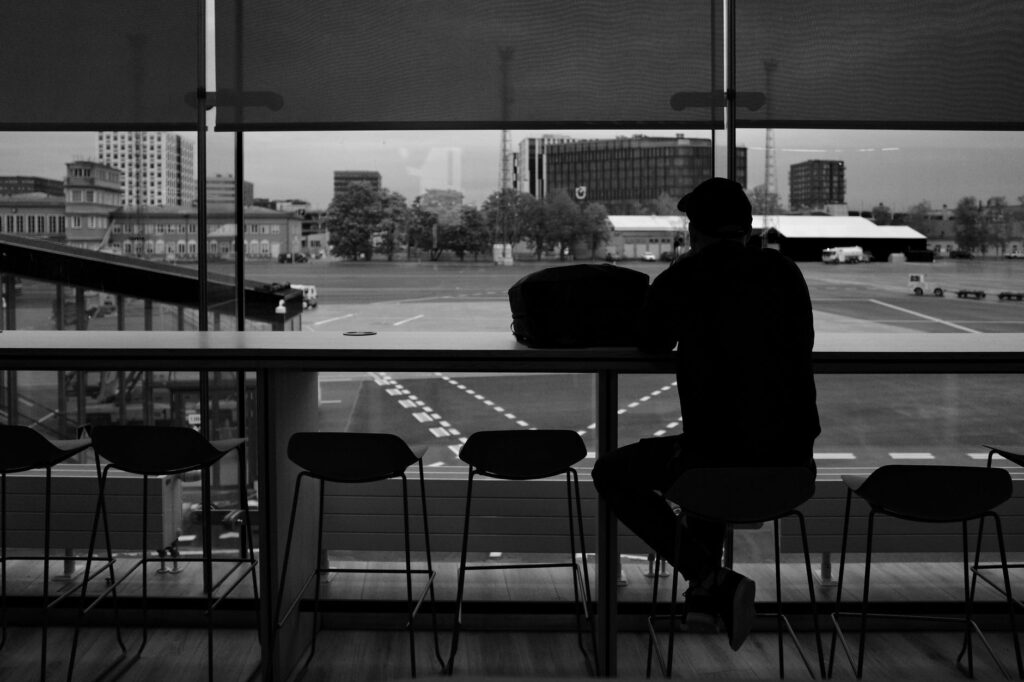
Sociologists refer to this process as reverse cultural shock. During a journey, the mind is forced to constantly adapt to new codes, languages, and customs, fostering immense mental flexibility. Upon return, this flexibility clashes directly with the rigidity of pre-established routines. The contrast between the excitement of daily discovery and the monotony of daily obligations produces an emotional fatigue that is often mistaken for apathy or a lack of interest in one’s immediate social circle.
The Chemistry of Return: Why the Brain Longs for the Road
From a neurobiological perspective, travel acts as a continuous injection of dopamine and endorphins. Every new landscape, every conversation with a stranger, and every successfully resolved mishap activates the brain’s reward systems. On the road, the brain operates in a state of mindfulness and active curiosity, which significantly reduces cortisol—the stress hormone. Travel forces us to inhabit the present moment in a way that daily life rarely permits.
Upon returning, this chemical stimulation ceases abruptly. The brain, accustomed to a steady stream of novelty, experiences a form of sensory withdrawal. Repetitive tasks and the absence of immediate challenges cause dopamine levels to drop, giving way to listlessness and melancholy. Understanding that this sadness has a physiological basis is the first step toward demystifying it and treating ourselves with compassion.
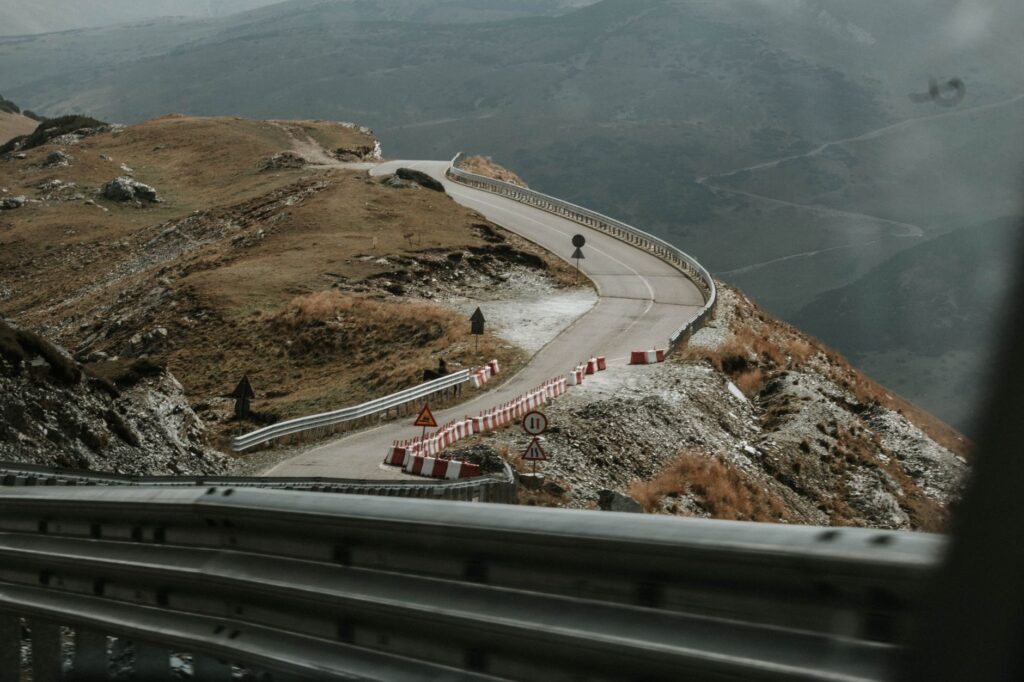
The Empty Suitcase Syndrome Under the Psychological Lens
Psychologists point out that the discomfort of returning often masks a pre-existing dissatisfaction with one’s regular lifestyle. Travel frequently serves as a temporary parenthesis of happiness or even an escape route from unresolved issues, workplace stress, or personal crises. Once the journey ends, those conflicts that were suspended in time re-emerge with greater force, amplified by the contrast of the freedom experienced abroad.
“The real voyage of discovery consists not in seeking new landscapes, but in having new eyes, and it is precisely upon returning that those eyes must learn to look at the everyday.”
To prevent this longing from becoming chronic, it is essential to analyze which aspects of the journey we miss most intensely. If we yearn for genuine human connection, the absence of rigid schedules, or contact with nature, the challenge lies in integrating those elements into our daily routines rather than viewing them as exclusive to the travel experience.
Creative Alchemy: Writing, Photographing, and Documenting the Path
One of the most effective tools for channeling the energy of return is the process of editing the trip itself. Organizing photographs, writing a travel journal, or designing a personal blog allows travelers to relive the experience from a reflective distance. By transforming scattered memories into a coherent narrative, the brain processes the adventure not as something lost and finalized, but as a personal asset integrated into one’s identity.
Writing about what was lived forces us to find the exact words to describe the emotions felt, helping to digest the lessons of the road. Creating a photo book or publishing chronicles on a digital platform not only preserves the memory of the journey but also prolongs its satisfaction for weeks or months, serving as a creative bridge between the distant destination and the desk at home.

Sharing the Weight: The Value of the Traveling Community
A lack of understanding from one’s social environment is one of the biggest hurdles to overcoming the return syndrome. Friends and family, though polite listeners, can rarely empathize with the depth of internal transformations experienced by someone returning from a long journey. Phrases like «it’s great to have you back» or «now back to work like everyone else» can feel dismissive, causing the traveler to retreat into isolation.
For this reason, socializing with fellow travelers becomes an essential therapy. Participating in travel forums, attending travel talks, joining hiking clubs, or collaborating with cultural associations allows one to share experiences with people who fully understand the mix of nostalgia and vitality that characterizes the newly returned. In these spaces, the travel narrative is not perceived as boastful, but as a source of mutual inspiration.
Micro-Adventures: Keeping the Nomadic Spirit Alive in Your Hometown
The most common mistake upon returning is assuming that exploration is only possible thousands of miles away. The spirit of travel does not depend on the destination, but on the observer’s gaze. A highly effective way to combat apathy is to plan micro-adventures within our own geographical area: exploring an unfamiliar neighborhood, trying the cuisine of a distant country at a local restaurant, or hiking a nearby trail over the weekend.

These small getaways break the inertia of routine and prove that curiosity and wonder can be practiced daily. By treating our own city with the same attentive, respectful gaze we reserve for exotic destinations, we discover nuances, histories, and corners that previously went unnoticed, keeping the nomadic spark alive without needing to board a plane.
Return as a Transition, Not a Rupture
For great globetrotters, returning is not the end of the journey, but an intrinsic part of it. One cannot truly return from a place unless one has truly gone there, and the journey is only complete when one returns to the starting point to evaluate the inner change. Returning home should be understood as a fallow period, a necessary time for lived experiences to take root and transform into practical wisdom for daily life.
“To travel is to return changed so that you can transform the place you left, giving a new meaning to what previously seemed ordinary.”
Accepting the sadness of return as a legitimate and temporary emotion, rather than fighting against it, reduces its intensity. It is an indicator that we have lived intensely, exposed ourselves to the world, and allowed it to affect us. Far from being a weakness, this sensitivity is a traveler’s greatest wealth.

Practical guide for a smooth emotional landing
To minimize the impact of returning and facilitate the psychological transition back to routine, it is advisable to follow a series of practical guidelines that help soften the emotional impact:
- The buffered return: Do not return to work the day after landing. Reserve at least two or three transition days at home to unpack without rushing, regulate sleep cycles, and adjust to the local time zone.
- Trip editing: Dedicate daily time to organizing your memories. Sort your photos, write down anecdotes you do not want to forget, or create a physical map of the route taken. This creative exercise helps the brain process the closure of the experience.
- Maintain healthy habits from the road: If you walked several hours a day, spent time outdoors, or socialized easily during your trip, try to maintain those practices in your daily life. Do not abandon the habits that made you feel good.
- Read travel literature: Reading great travel writers and experts helps rationalize your own feelings and find comfort in the words of those who have experienced the same sense of displacement.
- Plan the next destination without obsessing: Having a new goal on the horizon, even a short weekend getaway or a long-term project, generates excitement and helps shift focus away from the nostalgia of the trip that just ended.
The Inner Horizon: The Final Frontier of Travel
Ultimately, the most difficult and truly important journey is the one taken inward. Landscapes change, borders are crossed, and passports fill with stamps, but the ultimate destination of any journey is self-discovery. Those who learn to live with the melancholy of return and successfully transform that energy into a creative force discover that true freedom does not depend on a plane ticket, but on the capacity to inhabit the world with eyes wide open and a heart ready for wonder.
Source: El Viajero in EL PAÍS