
Introduction to the Amphibious Pulse of the Delta
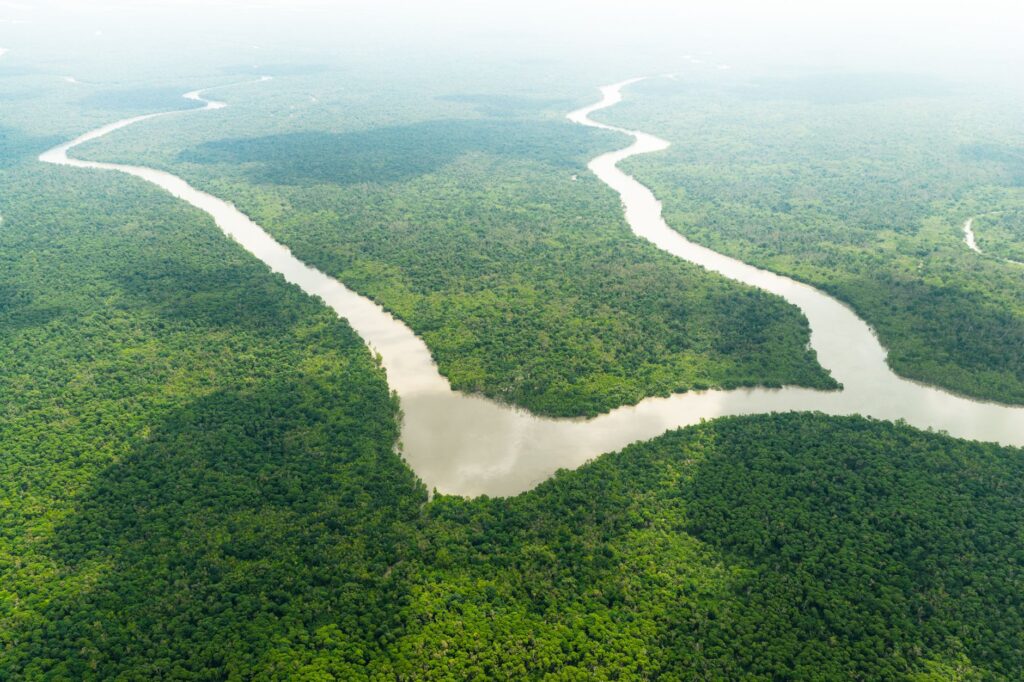
The Senegal River Delta is not merely a natural boundary between two nations, but a vast amphibious territory where land and water are negotiated on a daily basis. In this western corner of Africa, mobility is governed not by conventional road maps, but by the whims of tides, sediment accumulation, and the seasonal rhythm of floods. From the historic colonial island of Saint-Louis to the labyrinthine, mangrove-lined channels known as bolongs, transportation constitutes an act of permanent resistance and adaptation. Formal infrastructures give way to a complex choreography of mechanical and artisanal vessels that stitch together an archipelago of communities cut off from firm ground.
Understanding mobility in this region requires shedding Western notions of speed and efficiency. Here, time is measured by the high tide and the available draft for flat-bottomed craft. Each journey between riverside villages, floating markets, and border checkpoints is the result of a delicate intermodal balance. This report examines how fiberglass dugouts, four-wheel-drive trucks adapted to quagmires, and improvised walkways configure a vital network that keeps the economic and social heart of the delta beating.
The Engineering of Dugouts: From Hollowed Trunk to Outboard Motor
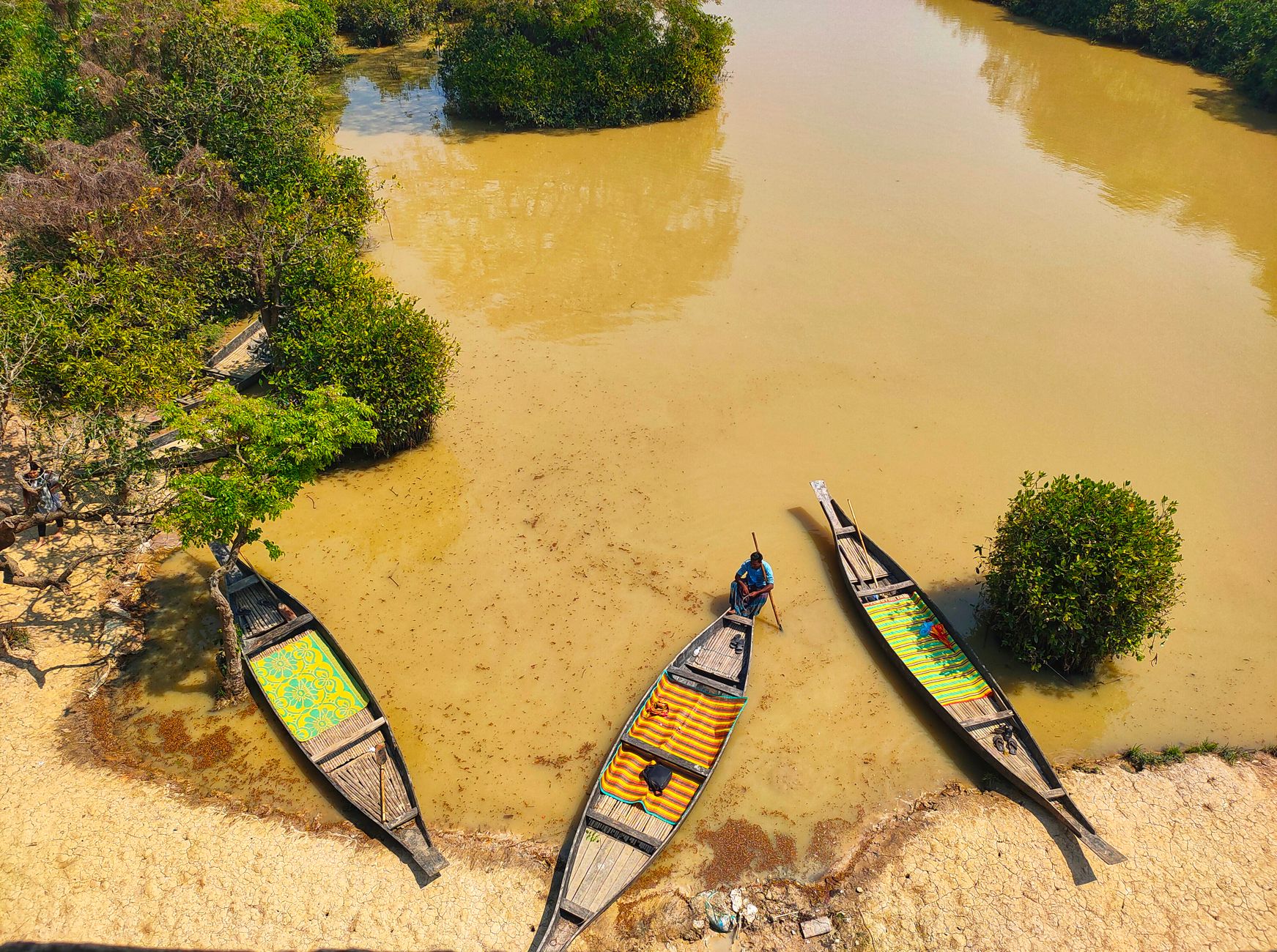
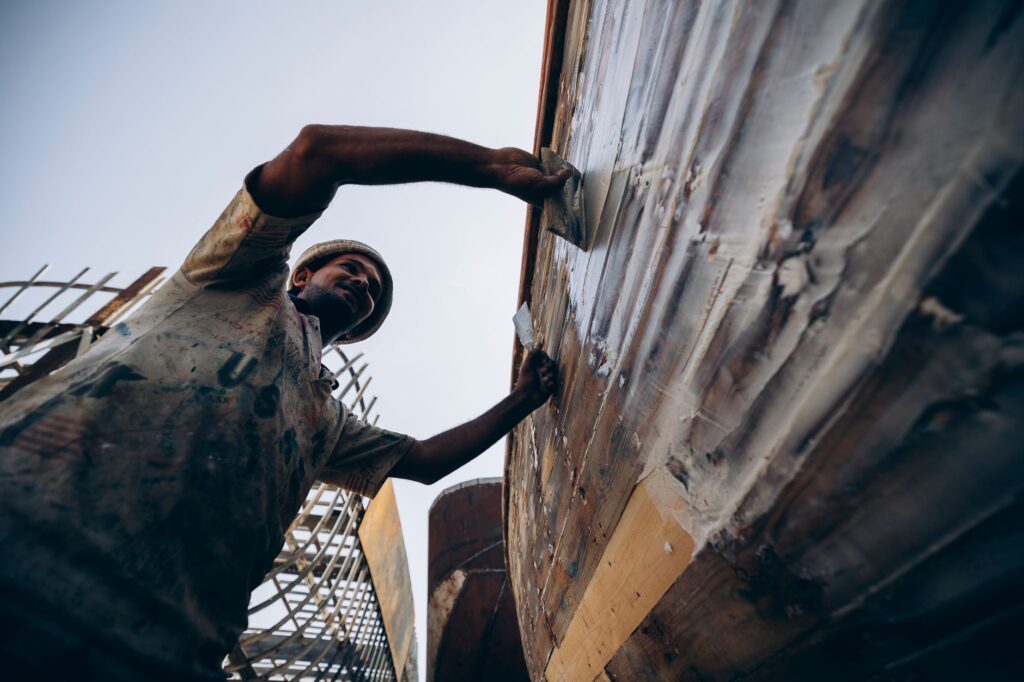
For centuries, the dugout canoe carved from ceiba wood was the sole vehicle capable of defying the currents of the Senegal River. Today, tradition has been transformed through the industrial adoption of fiberglass, a material that lightens vessels and multiplies their payload capacity without compromising their flexibility in shallow waters. Artisanal shipyards located in the suburbs of Saint-Louis mold streamlined hulls up to fifteen meters long, specifically designed to navigate both narrow river channels and the formidable surf at the river mouth, where fresh water collides with Atlantic swells.
Propulsion has also evolved drastically. Long wooden oars have been displaced by two-stroke outboard motors, primarily imported from Asian markets and maintained through local mechanical ingenuity using recycled spare parts. These engines roar at dawn, when entire fleets depart laden with sacks of millet, fuel drums, and passengers crammed onto wooden benches. Maintaining these units is an art of survival: carburetors cleaned with fine wire and propellers repaired with hammer blows on the muddy bank itself ensure that the supply chain never stops.
Low-Tide Tracks and the Challenge of Terrestrial Infrastructure
While water articulates life in the main channels, the transitional zones between the river delta and the surrounding desert depend on a precarious network of dirt tracks. During the dry season, these routes permit the transit of crowded pick-up trucks and heavy cargo trucks transporting salt, dried fish, and horticultural produce. However, the arrival of seasonal rains and annual floods transforms the clay soil into an impassable quagmire that completely isolates dozens of settlements for weeks.
Faced with this geographical vulnerability, local authorities and community cooperatives have tested various low-cost engineering solutions. Elevated embankments have been constructed using volcanic stone and sandbags, although the constant erosion of brackish water typically undermines the foundations within months. Terrestrial connectivity thus becomes a seasonal exercise of perpetual reconstruction where agricultural tractors act as last-resort tugs to rescue civilian vehicles trapped in the mud.
The Crucial Role of Low-Tide Barges and Transshipment Points
At points where river branches reach their greatest width yet lack stable bridges, low-tide barges operate as the sole mechanical links capable of transporting four-wheeled vehicles. These floating platforms, driven by manual pulleys or small diesel tugboats, operate under strict schedules dictated by tidal currents. A miscalculation in departure time can mean running aground on a sandbar for hours, paralyzing commercial flow between the northern and southern banks.
Transshipment docks are veritable human anthills. In these improvised piers made of wooden planks and rusted metal pilings, imported goods, livestock, and passengers converge in chaos that appears untamed but is rigorously structured by informal codes. Local porters, organized into traditional unions, transport heavy loads over their heads with astonishing precision, while customs agents verify cargo documentation at desks set up beneath the shade of weathered tarps.
The Invisible Economy of Minor Cabotage and Regulated Smuggling
Beyond the official transport of passengers and goods, the delta operates as a dynamic corridor of informal trade that defies official border lines between Senegal and Mauritania. Small cabotage vessels, locally known as motorized almadías, circulate along secondary routes, evading main surveillance posts. They transport everything from manufactured goods and medicines to subsidized fuel, taking advantage of the labyrinthine complexity of the mangroves to maintain flexible, decentralized supply fleets.
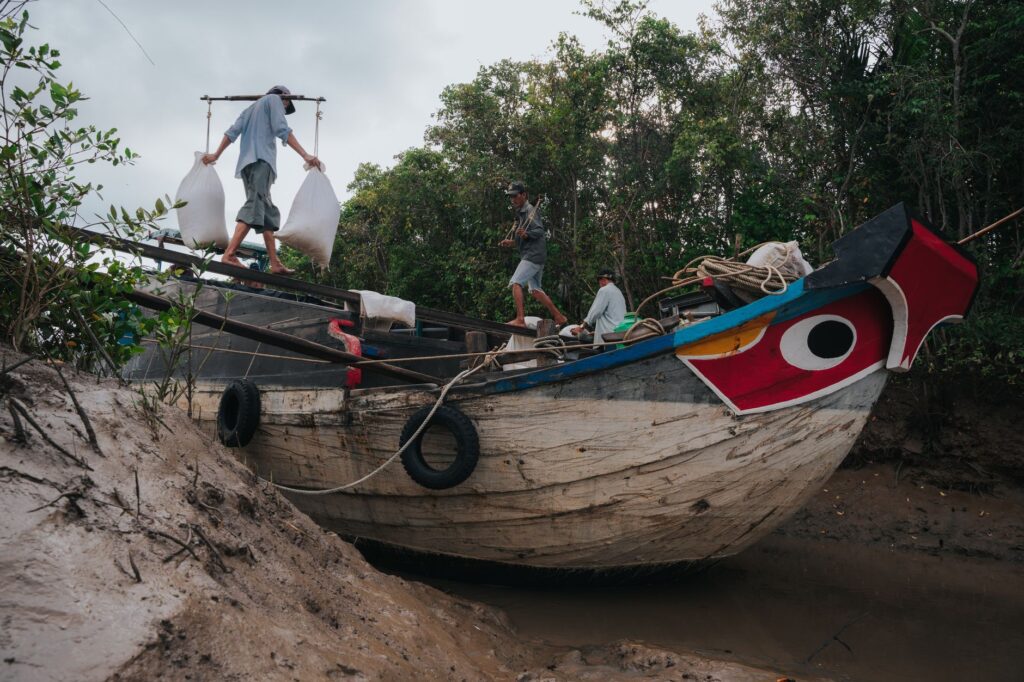
This submerged economy is not an anomaly, but the pillar supporting the subsistence of thousands of riverbank families. The captains of these vessels know every submerged sandbar, every cross-current, and every shortcut through flooded forests. Their nautical expertise far outweighs the absence of official signage or satellite navigation systems, turning ancestral territorial knowledge into the most reliable transport tool in the entire lower basin.
Sustainability and Climate Change: The Erosion of Ancestral Routes
Over the past decade, the delta’s transport system has been profoundly altered by extreme environmental factors. The combination of sea-level rise, upstream dam construction, and mangrove deforestation has accelerated riverbank erosion, altering historical navigable channels. Routes that once allowed medium-sized vessels to pass unhindered are now choked with sediments, forcing navigators to make lengthy detours through open sea or manually dredge the most critical passes.
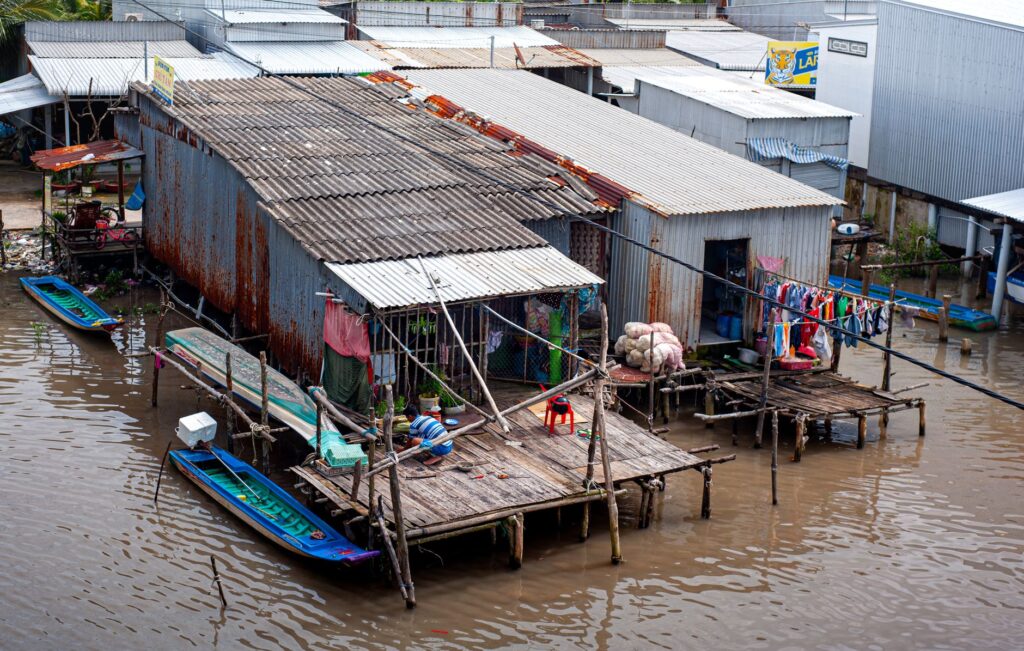
Likewise, the progressive salinization of agricultural soils has forced interior communities to rely even more heavily on river transport to receive basic foodstuffs from urban centers. The fragility of the intermodal system thus manifests as a direct symptom of broader ecological crises, where any disruption in the river’s hydrological regime immediately impacts ticket prices, crossing safety, and the economic viability of the entire delta region.
Practical guide
How to get there: The main entry point for exploring the Senegal River Delta is the historic city of Saint-Louis, located about four hours by road from Dakar. Regular shared taxi services (sept-places) and interprovincial minibuses connect the capital to Saint-Louis continuously.
When to travel: The optimal time to study and tour the river transport system comprises the dry season months, from November to May. During this period, terrestrial tracks are navigable and river currents are more predictable for navigation in smaller craft.
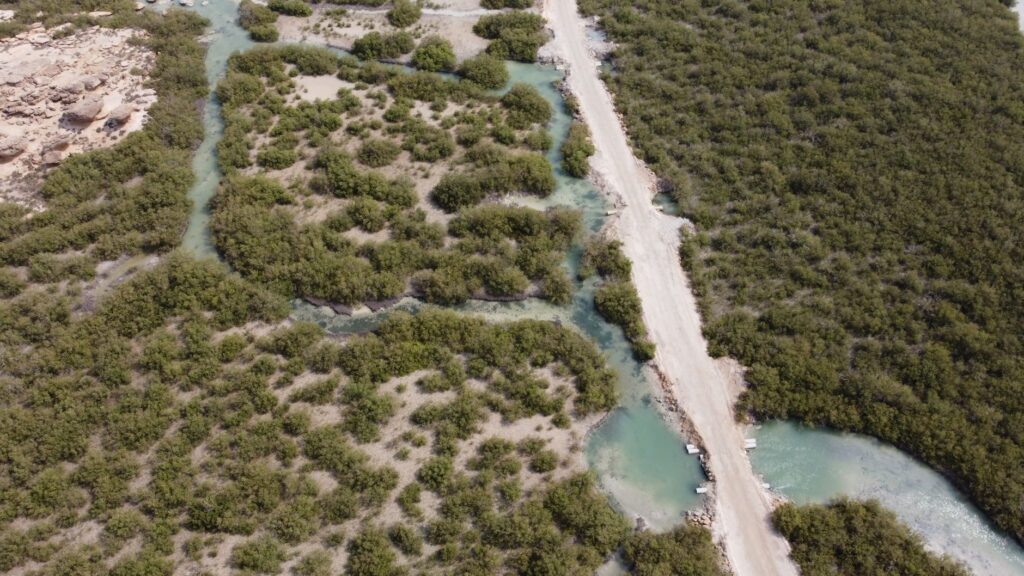
Local transport logistics: To move between delta villages and explore the bolongs, it is necessary to hire local dugout canoes directly at authorized docks in Saint-Louis or Diama. It is recommended to negotiate rates in advance with the assistance of a certified local guide and always verify the condition of life jackets.
Requirements and security: Carrying identity documentation at all times is essential, as the region features numerous river and land checkpoints due to its border proximity. Health precautions are strongly advised, including drinking bottled water and holding travel insurance that covers emergency transfers in remote areas.
Fluvial Epilogue Under the Ashen Twilight Light
As the sun begins to set over the Senegal River Delta, dyeing the water in ashen and leaden hues, the rhythm of outboard motors slows to a distant hum. In the docks of Saint-Louis, the last passengers disembark with clothes splashed in mud and foam, carrying bundles and hopes toward the colonial alleys of worn cobblestones. In this borderland where geography changes at the whim of the tide, every completed journey is a silent victory against isolation. The fiberglass dugouts oscillate gently, tied to wooden pilings, resting for a few hours before the water cycle once again demands, with relentless punctuality, the awakening of this complex and fascinating amphibious machinery.