
Rammed earth architecture in Provence: the return to essential matter
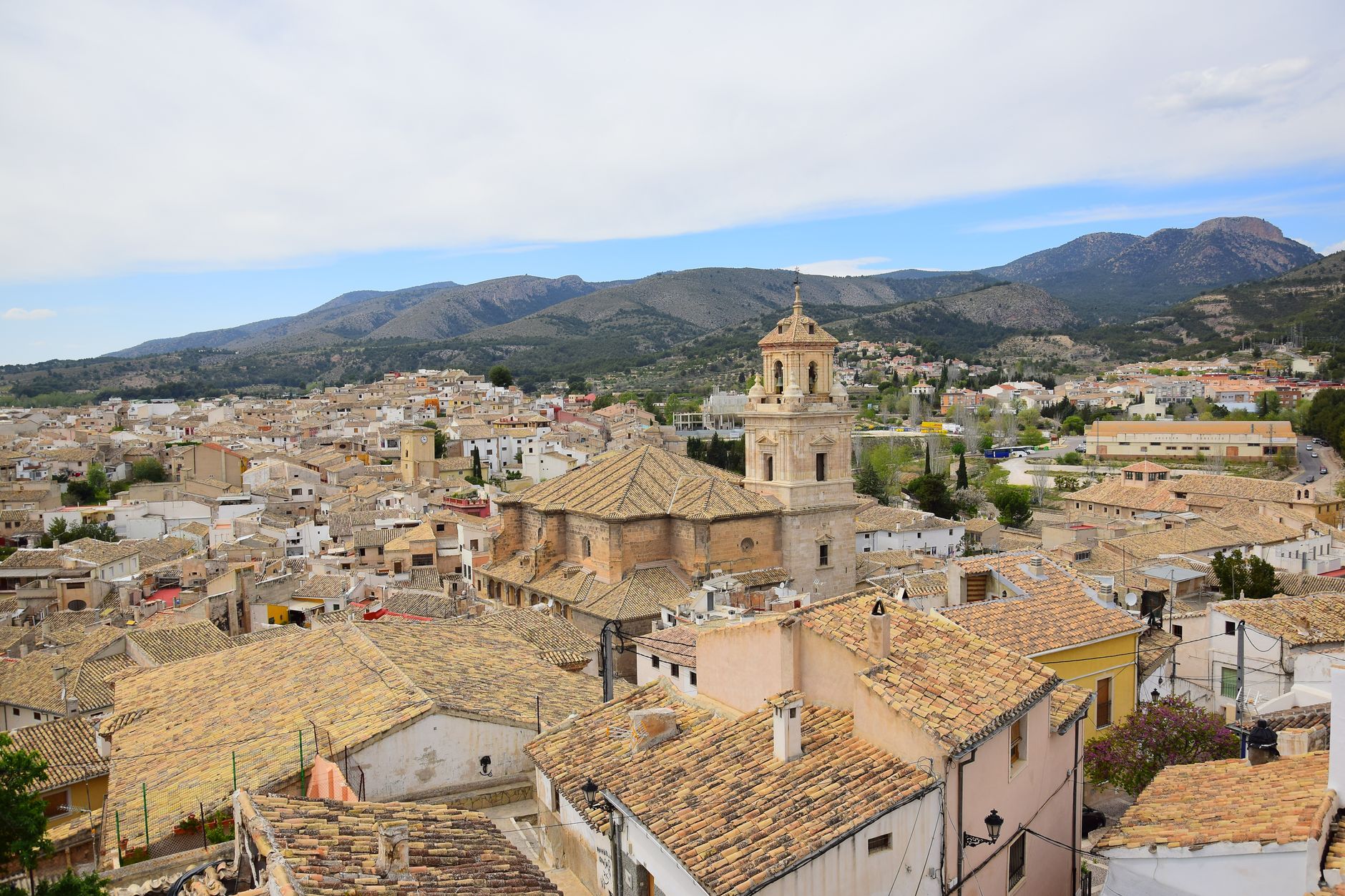
In the quietest corners of southern France, where the mistral wind sculpts lavender fields and centuries-old olive trees, a silent revolution is transforming the landscape of contemporary design. This is not a matter of towering steel structures or high-tech glass monoliths, but rather the revival of rammed earth—an ancient construction system based on compacting raw soil within wooden formwork. This Provençal territory, traditionally associated with summer luxury and carved limestone, now hides a network of workshops and experimental architecture studios where earth is understood not as a relic of the past, but as the most advanced material of the 21st century. Faced with the climate emergency and the planned obsolescence of industrial building, local master builders and architects prove that thermal comfort, material beauty, and negative carbon footprints become achievable when one trusts the wisdom of local geology.
The question guiding this journey through the valleys of the Luberon and the foothills of the Alpilles is far from trivial: can vernacular mud architecture sustain the rigors of contemporary living without losing its artisanal purity? The thesis defended here argues that the renaissance of earth architecture in Provence is not an exercise in patrimonial nostalgia, but a rigorous technical vanguard that fuses modern materials science with the millennial intuition of the artisan. Through advanced geotechnical analyses, natural stabilization with lime, and meticulous control of manual and mechanical compaction, these creators are building homes, cultural centers, and public pavilions that breathe, regulate indoor humidity autonomously, and defy the passage of time with stony dignity.
The geology of the territory: extracting memory from the Provençal soil
The construction process of rammed earth begins long before the first formwork plank is raised; it starts in the exact geological stratum of the site where the structure will stand. Provençal master builders act as contemporary geologists and alchemists, analyzing the precise proportion of clay, silt, sand, and gravel composing the local soil. Too much clay would cause unmanageable shrinkage cracks during drying; an excess of sand would leave a structure fragile and incapable of supporting gravitational loads. The perfect balance, sought inch by inch across the region’s quarries and terraces, undergoes rigorous laboratory testing to guarantee structural cohesion before the first batch is poured.
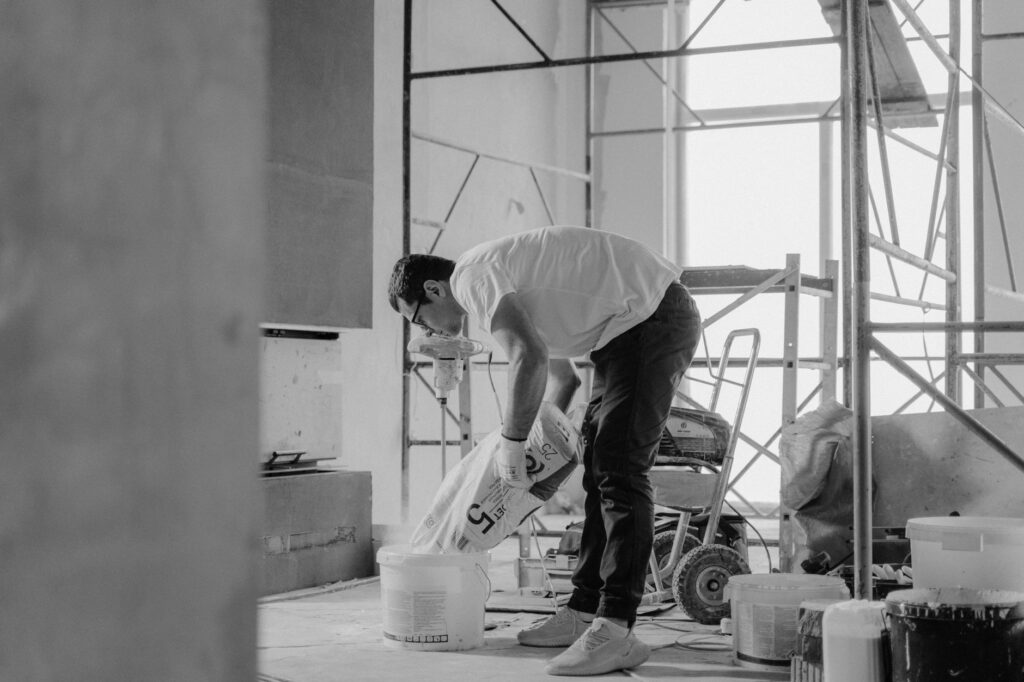
This indissoluble bond with the surrounding geography completely redefines the economics of transport in construction. While conventional architecture hauls materials across thousands of kilometers, Provençal rammed earth feeds on the site itself or its immediate radius, drastically reducing emissions associated with logistics. In the workshops of Carpentras and Avignon, architects collaborate closely with soil engineers to map out the clay deposits of the Rhône basin. This invisible cartography not only preserves the visual identity of the landscape but also ensures that each wall maintains the specific chromatic tone of its surroundings: from the golden ochres of Roussillon to the subtle grays of marly stone.
The art of formwork: geometry and tension in the workshop
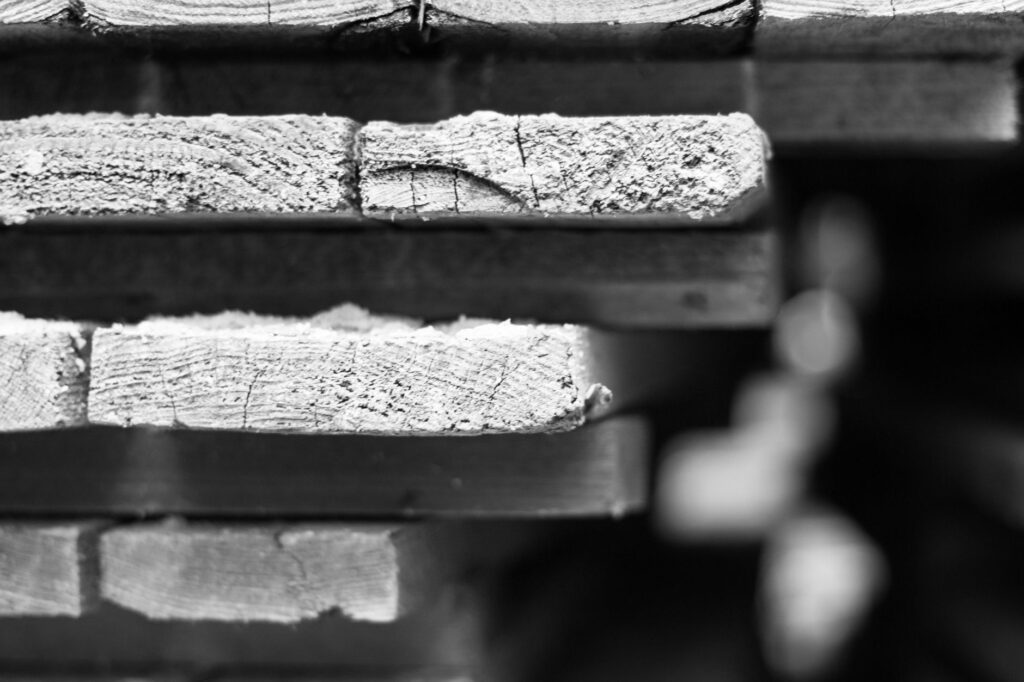
Once the optimal earth mix has been selected and moistened, the next link in this technical chain is the formwork—a heavy timber frame acting as the temporary mold where the material acquires its definitive character. Carpenters specialized in rammed earth structures design spruce and maritime pine panels reinforced with metal ties and wooden wedges capable of withstanding immense pressures without deforming. Every centimeter of deviation in the mold translates into a structural imperfection in the finished wall, making carpentry precision as demanding as that of a high-end cabinetmaker.
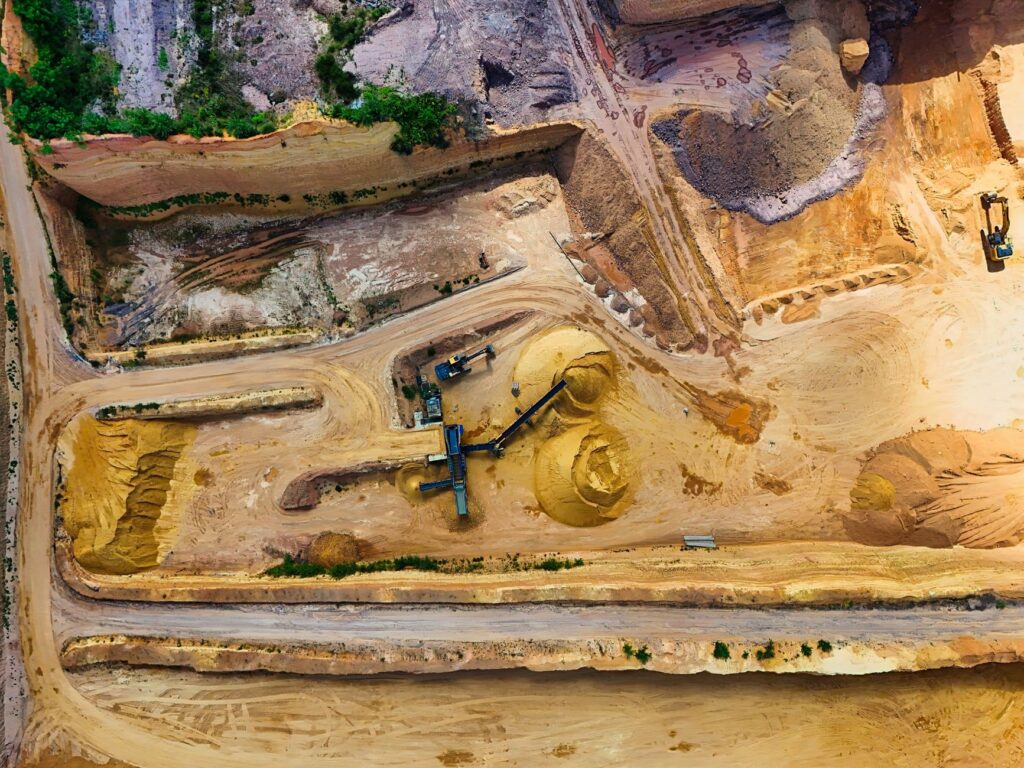
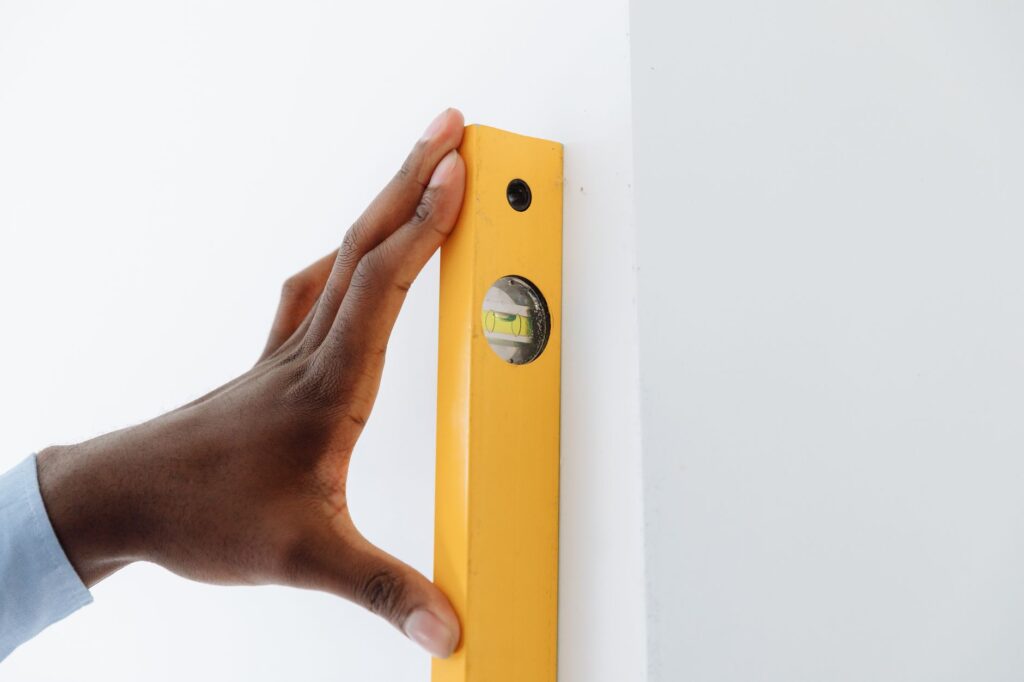
Assembling the formwork requires a meticulous choreography between master builders and crew members. The panels are placed atop pre-existing stone foundations—which isolate the earth from rising ground moisture—and aligned using laser levels and traditional plumb lines. It is precisely at this moment that manual craftsmanship intersects with parametric design. Many contemporary studios in Provence use three-dimensional modeling software to anticipate expansion joints, utility chases, and complex window openings, integrating electrical and plumbing conduits directly inside the mold before the earth is poured and compacted layer by layer.
The dance of the rammer: force, rhythm, and density
The physical core of the craft lies in compaction, a task requiring a seamless blend of physical endurance, rhythmic synchrony, and tactile sensitivity. The earth is poured into the formwork in horizontal layers ranging from fifteen to twenty centimeters of loose thickness. Operators then compact the material using pneumatic rammers or, in the most purist restorations, heavy manual iron and wooden rammers with ergonomic handles. The sound of the blow against the earth is the artisan’s infallible thermometer: a dull, low-pitched thud indicates insufficient density, while a dry, metallic ring confirms that the stratum has achieved the optimal degree of compression.
This process is repeated tirelessly, layer after layer, until the formwork is filled. At that moment, the wedges are loosened, the wooden panels are delicately stripped, and the wall emerges into view with a striated, living texture—a direct testament to the hands that shaped it. The horizontal lines marking the passage of each layer and the subtle trace of wood grain imprinted in the raw mud constitute the unmistakable aesthetic of modern rammed earth. No two walls are alike; each facade is an unrepeatable geological and historical document, a contemporary fossil breathing to the rhythm of the Mediterranean climate.
Earth is not a poor substitute for stone or concrete, but a material with its own voice, teaching the contemporary architect the limits of patience, natural thermodynamics, and the beauty of the perishable.
Invisible chemistry: stabilization and climate durability
One of the greatest technical challenges faced by rammed earth architects in southern France is ensuring the durability of structures against increasingly extreme weather events characterized by torrential rains and scorching summer heat. To resolve this vulnerability without resorting to synthetic paints or plastic coatings that stifle the wall’s breathability, Provençal workshops have revived and refined historical mineral stabilization techniques, incorporating controlled doses of aerial lime and natural pozzolans directly into the mix.
Lime reacts chemically with the clay minerals of the earth in a slow carbonation process that exponentially increases mechanical compressive strength and surface impermeability, without losing the material’s hygroscopic capacity. This means the rammed earth wall acts as a passive thermal lung: it absorbs ambient humidity when the air is saturated and slowly releases it during dry daylight hours, stabilizing the interior temperature of buildings naturally. The result is a constant indoor microclimate that drastically reduces the need for artificial climate control systems, a crucial achievement in current sustainable architecture.
A dialogue of contrasts: integration with historic heritage
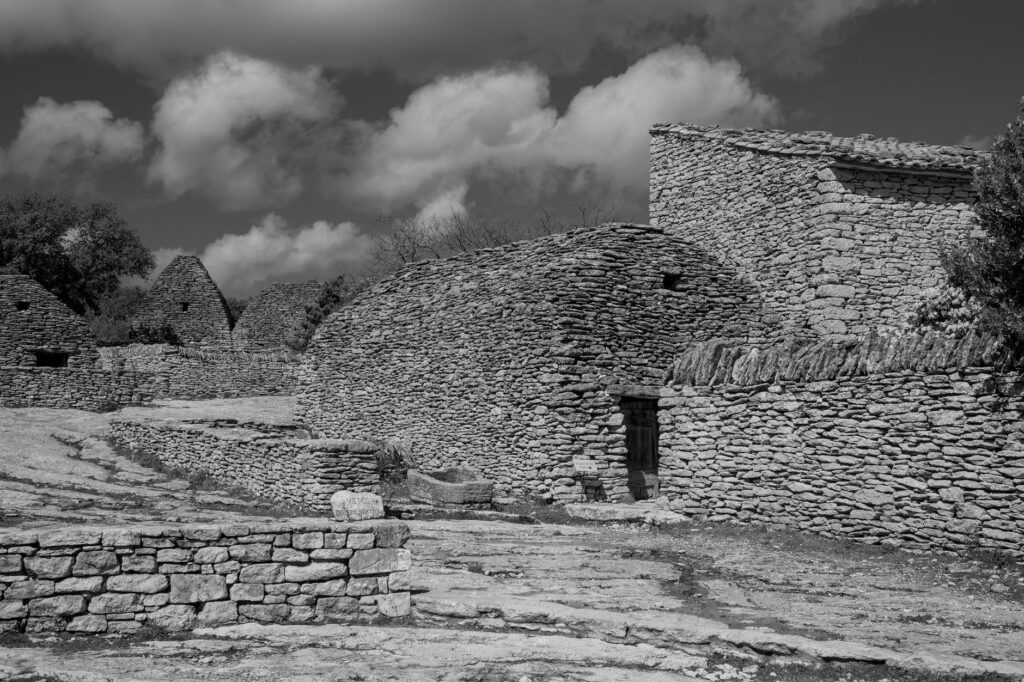
The renaissance of rammed earth in Provence is not limited to new construction in rural settings; its most fascinating and complex application occurs within the realm of restoration and expansion for protected historic buildings. In medieval villages like Gordes or Les Baux-de-Provence, urban planning regulations are extremely strict, demanding absolute respect for traditional materiality. Far from proving an obstacle, architects have shown that contemporary rammed earth dialogues with absolute fluidity alongside dry stone, barrel tiles, and the aged wood of historic town centers.
In these surgical interventions, new raw earth volumes are coupled to centuries-old foundations using flexible joints and hidden structural anchors that absorb minor seismic movements or ground settlements. The tactile contrast between sixteenth-century carved stone and the striated texture of the recent rammed earth wall generates an aesthetic tension of immense narrative richness. Visitors and residents thus discover that heritage architecture is not a static set frozen in time, but a living organism capable of assimilating ancestral techniques to guarantee its own structural survival in centuries to come.
Practical guide
Getting there: The heart of the Provençal region dedicated to rammed earth is situated in the triangle formed by Avignon, Carpentras, and Cavaillon. Marseille Provence Airport (MRS) is the main international gateway, located about 70 kilometers to the south. From there, renting a vehicle is the most efficient option to tour the workshops and studios scattered across the Luberon valleys.
When to visit: Spring (from April to June) and autumn (from September to November) offer ideal weather conditions for visiting ongoing construction sites and open-air workshops, avoiding extreme summer temperatures that complicate the controlled curing of mud and clay.
Workshop and studio route: It is recommended to book appointments months in advance at the region’s experimental earth architecture centers, such as specialized studios around Apt and traditional craft training centers in Avignon, which periodically organize open house days and formwork and ramming demonstrations.
Designer accommodation: For a complete immersion in local sustainable architecture, look for rural houses restored using raw earth and lime techniques in the villages of Bonnieux, Goult, and Lourmarin, where the fusion between contemporary design and agricultural heritage is exemplary.
The echo of mud: a legacy for the design horizon
The journey through the Provençal workshops concludes at dusk, when the oblique rays of the sun caress freshly stripped earth walls in a rural workshop at the foot of the Luberon. In that moment of absolute silence, where the scent of damp clay and framed pine mixes with the aroma of wild thyme fields, the true dimension of this constructive renaissance becomes clear. Rammed earth represents neither a retreat backward nor an aesthetic alibi for nostalgic fans of rustic the past; it is a lucid and rigorous wake-up call addressed to twenty-first-century architects, designers, and travelers.
It teaches us that true sophistication in design no longer consists of accumulating opaque technologies and unalterable materials, but rather in the capacity to dialogue with local matter, understand its geological timescales, and accept the breathtaking imperfection of what has been made by hand. When the last worker cleans their iron rammer and the workshop lights go out, the earth walls remain firm and silent, guarding the memory of the soil and projecting toward the horizon a future where building and inhabiting once again become a profound act of harmony with the planet.