Introduction to the Walls of Dolomite
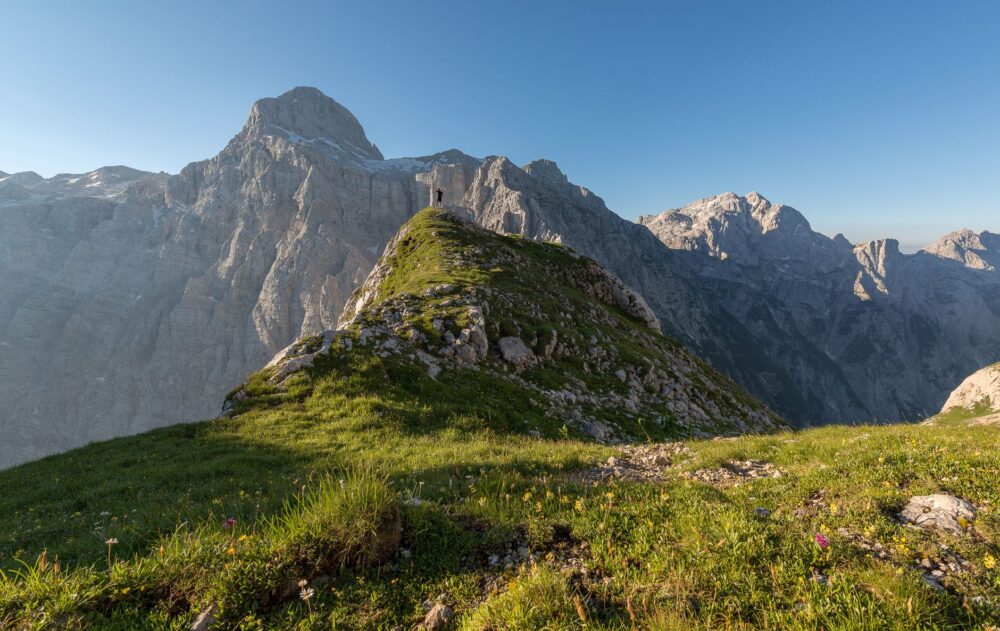
The northeastern horizon of the Italian Alps is dominated by one of the most stunning geological cathedrals on the planet: the Sesto Dolomites (Dolomiti di Sesto). Located on the border between the autonomous province of Bolzano-South Tyrol and the province of Belluno, these light-colored stone colossi not only define the landscape of the Sexten region and the Pusteria Valley, but also represent a fundamental chapter in Earth’s geological history. Unlike the granitic folds of other European mountain ranges, these mountains were born beneath the surface of a tropical sea more than two hundred million years ago.
The key element giving these peaks their characteristic pale pink and light gray hue is dolomite, a sedimentary rock composed of calcium and magnesium carbonate. This mineral formed from the massive accumulation of skeletons of marine organisms, corals, and algae in prehistoric atolls that subsequently underwent a process of diagenesis. The tectonic forces that uplifted the Alps pushed these ancient marine reefs toward the sky, sculpting them through glacial erosion and chemical weathering into vertical towers, sharp spires, and desolate plateaus that today form part of the UNESCO World Heritage.
Approaching this territory requires understanding that we are not dealing with a simple seasonal leisure destination. The Sesto Dolomites are a complex and fragile ecosystem, where alpine fauna, flora adapted to high altitudes, and the cultural legacy of the Ladin and Austro-Italian communities coexist in a delicate balance. The management of this alpine environment demands constant effort by local authorities, mountain refuges, and hikers themselves to mitigate tourist pressure and preserve the geological and biological integrity of the surrounding natural park.
The Shadow of History: Trenches of the Dolomite Front
The landscape of the Sesto Dolomites is deeply scarred by the military history of the 20th century. During the First World War, these impassable summits became the setting for one of the most unusual and brutal confrontations of the conflict: the so-called White War. Between 1915 and 1918, the front line between the Austro-Hungarian Empire and the Kingdom of Italy crossed these ridges at over two thousand five hundred meters of altitude, forcing military engineers and soldiers to carve tunnels into the living rock, install improvised cable car lines, and fortify vertical walls that seemed impossible to inhabit.
Today you walk along trails that were once military supply routes, such as the galleries of Mount Paterno (Paternkofel) or the fortified positions of Col de Locia. This historical heritage, far from glorifying the conflict, has been integrated into the trail network from a perspective of historical memory and education. Informational panels placed along the routes recall the harsh climatic and geographic conditions endured by soldiers on both sides, many of whom perished not from weapons, but from avalanches, rockfalls, and extreme temperatures.
The mountain understands neither flags nor trenches; its severity is the same for all who dare to challenge its heights, turning wartime scars into monuments to human memory.
The preservation of these wartime structures—tunnels, metal ladders, and ruined barracks—represents a technical and ethical challenge for conservation institutions. Restoration interventions are strictly limited to ensuring the safety of mountaineers without altering the testimonial value of the remains. Thus, traversing the region also involves an exercise in open-air military archaeology, where every col and every ridge holds the memory of a turbulent past that contrasts sharply with the current peace of the alpine landscape.
The Three Peaks of Lavaredo: Geological Icon and Tourist Pressure
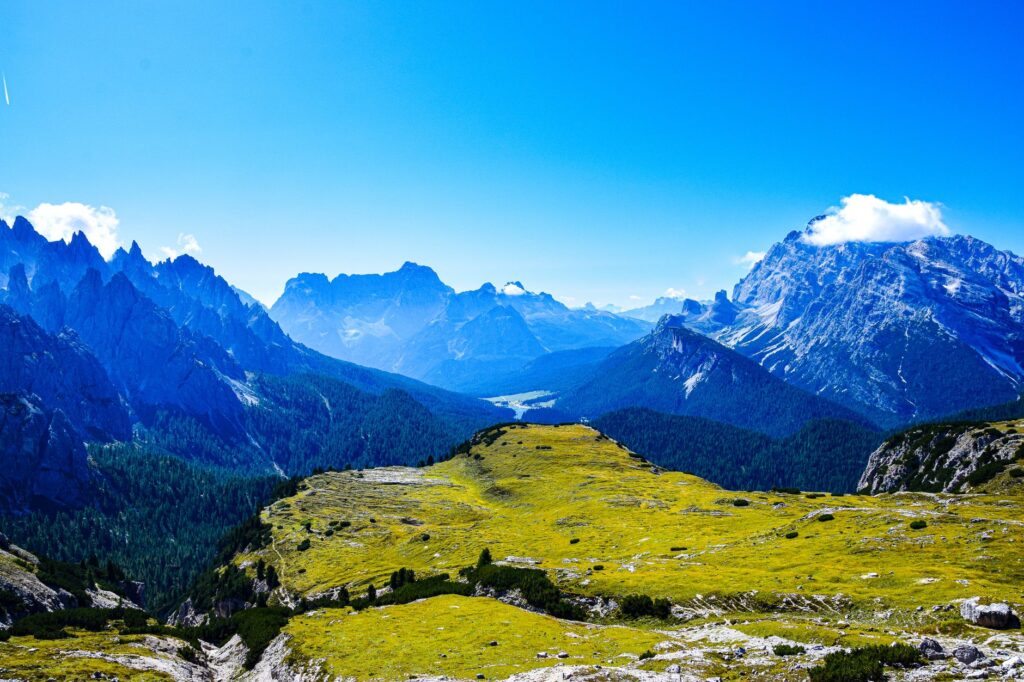
No description of the Sesto Dolomites would be complete without mentioning their most universal emblem: the Three Peaks of Lavaredo (Drei Zinnen). This trio of rock obelisks—Cima Grande, Cima Ovest, and Cima Piccola—stands imposingly over the high-altitude grasslands, constituting one of the most recognizable postcards of the European Alps. Their worldwide notoriety, however, has generated a critical challenge in terms of environmental management and tourism sustainability during the summer months.
Accessibility via the toll road leading to the Auronzo Refuge facilitates the massive arrival of day visitors, causing vehicular congestion and high traffic density on the perimeter trails. Local administrations in the provinces of Bolzano and Belluno have implemented traffic regulation measures in recent years, including limiting the number of vehicles permitted to access the upper parking lot and promoting shuttle bus lines from nearby valleys, such as Dobbiaco and Sesto.
Despite the influx, the environment retains its geological magnetism. The Three Peaks are an open book on alpine stratigraphy. The horizontal strata visible on their northern faces clearly show the original marine sedimentation. For climbers, these walls represent sacred ground where pioneers like Paul Grohmann and, later, the legendary Tyrolean alpinist Innerkofler laid the foundations of free and artificial rock climbing in the 19th and early 20th centuries.
Flora and Fauna at the Edge of Survival
Wildlife in the Sesto Dolomites has developed extraordinary adaptations to withstand the rigors of an alpine climate characterized by long winters and short, intense summers. Above the tree line, dominated by Norway spruce, larches, and Swiss stone pines, the vegetation transforms into high-altitude grasslands and rupicolous communities capable of rooting in the fissures of bare rock. Species such as edelweiss (Leontopodium nivale), gentian, and various varieties of saxifrage display their blooms during the brief summer thaw to ensure pollination.
Among the emblematic mammals of the area are the chamois (Rupicapra rupicapra), which climbs with unbelievable agility across the steepest rock faces, and the red deer, frequent in the mixed forests of the lower valleys. Likewise, the alpine marmot (Marmota marmota) inhabits high-altitude meadows, warning its peers with sharp whistles of the presence of predators such as the golden eagle (Aquila chrysaetos), which patrols the ridges in search of prey.
A notable aspect of conservation policy in this region has been the gradual return of large carnivores such as the brown bear and the occasional presence of wolves from ecological corridors connecting the Alps with the Balkans. This recovery of carnivorous biodiversity generates complex debates between local livestock farmers, who practice traditional summer grazing, and park conservation managers, underlining the need to implement effective damage prevention measures for livestock.
Trail Network and High Route Number 4
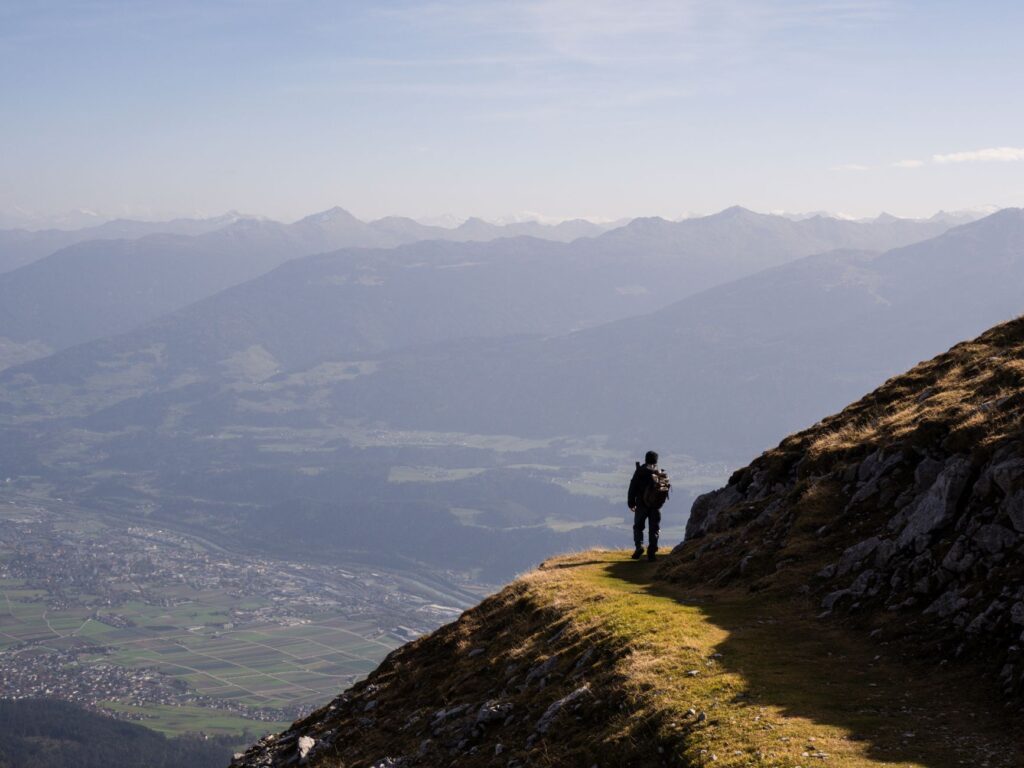
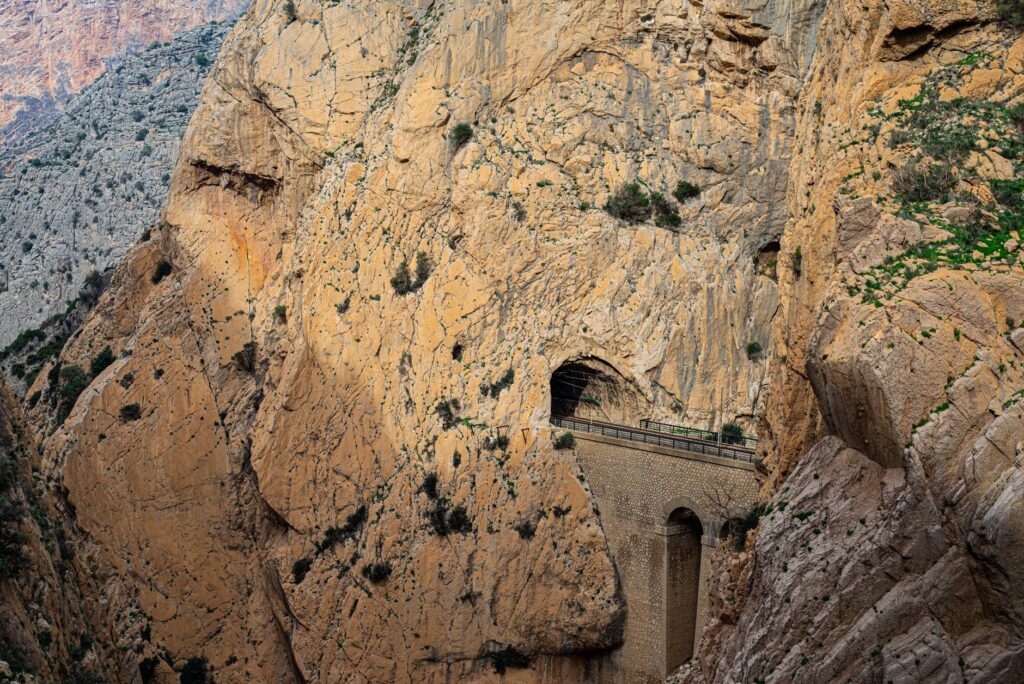
For the experienced hiker, the Sesto Dolomites offer one of the best-marked networks of paths and via ferratas in Europe. The backbone of this experience is Alta Via n. 4, also known as the Sesto Dolomites High Route, a multi-day itinerary connecting the Sesto refuge to the Auronzo refuge, winding through lunar landscapes, exposed cols, and suspended glacial valleys.
Via ferratas—routes equipped with steel cables, ladders, and rungs anchored to the rock—allow walkers equipped with proper safety gear (harness, energy absorber, and helmet) to access ridges and summits that would otherwise be reserved exclusively for expert climbers. Itineraries like the ferrata on Mount Paterno or the traverse of the Crode Fiscali combine physical demand with the contemplation of exceptional geological panoramas.
However, hiking in this region requires absolute respect for alpine safety rules and local weather. Summer thunderstorms are frequent and develop with startling speed in the afternoon, turning metal ridges into dangerous traps. Likewise, natural park regulations strictly prohibit wild camping, requiring overnight stays in the network of guarded mountain refuges, which function as authentic enclaves of alpine hospitality.
Traditional Architecture and Ladin Culture
The cultural landscape of the Sesto Dolomites is not merely natural; it is deeply intertwined with traditional architecture and the linguistic roots of its inhabitants. In the surrounding valleys, three main cultures coexist: German-speaking, Italian, and Ladin, one of the oldest linguistic minorities in the Alps, descended from the Romanization of ancient Raetian peoples.
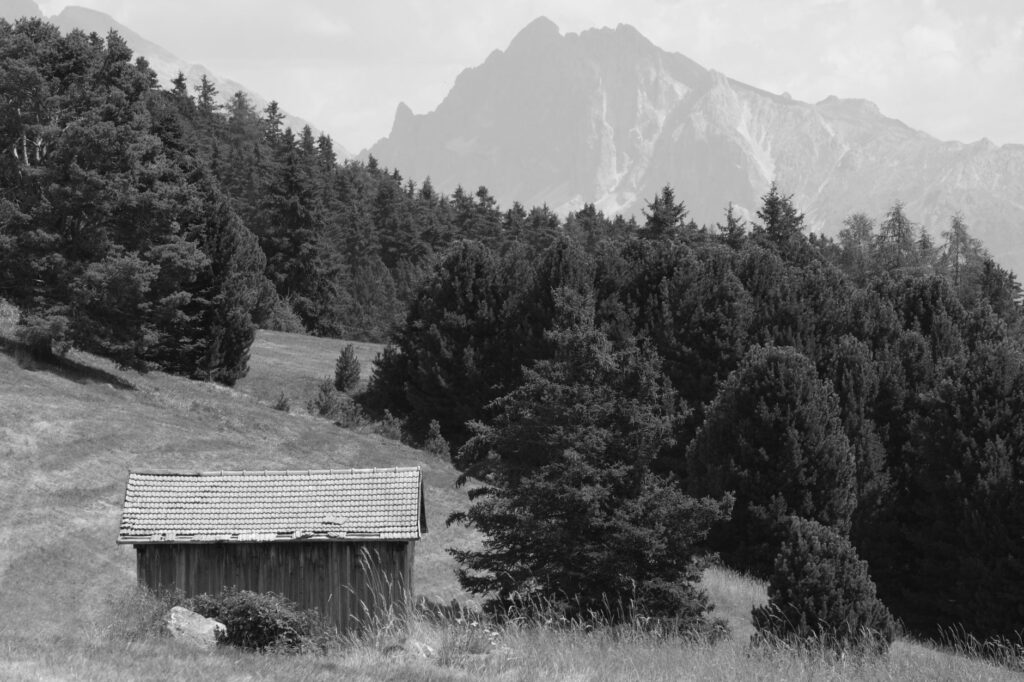
The vernacular architecture of the region is manifested in *tabià* (traditional wooden barns) and old stone and wood farmhouses with flowered balconies, designed to withstand heavy winter snows. The villages of Sesto (Sexten), San Candido (Innichen), and Villabassa retain historical centers where carpentry tradition and the sustainable use of local timber have defined a harmonious rural landscape, far removed from unchecked real estate speculation.
Local gastronomy similarly reflects this cultural confluence. Mountain flavors combine Tyrolean tradition with Mediterranean heritage. Dishes like *canederli* (bread dumplings with speck and cheese), *schlutzkrapfen* (ravioli filled with spinach and ricotta), and the use of wild high-altitude herbs demonstrate a relationship of historical self-sufficiency with the natural environment, where each ingredient comes directly from alpine forests and meadows.
Sustainable Mobility Strategies and Desaisonionalization
Given the increase in summer tourist pressure, sustainable management of the Sesto Dolomites has become an absolute priority for the provincial administrations of Bolzano and Belluno. The primary objective is to drastically reduce the carbon footprint associated with private transport and mitigate environmental impact on fragile grasslands and wildlife.
Current initiatives include strengthening rail transport and connecting bus lines in the Pusteria Valley, as well as implementing smart toll systems and limited access quotas on high-mountain roads. The concept of soft mobility is actively promoted, encouraging visitors to use e-bikes, walk, or employ low-impact ski lifts to access upper elevations without resorting to private vehicles.

True sustainability in high mountains does not consist solely in prohibition, but in educating the traveler to understand that their passage through these places must leave the smallest possible footprint, ensuring the landscape remains intact for future generations.
Another fundamental pillar of the conservation strategy is desaisonionalization. Authorities encourage tourism during late spring and autumn, times when the impact on flora and fauna is lower and the visitor experience is more authentic. September and October, in particular, offer stable weather conditions, cool temperatures for hiking, and an exceptional color palette thanks to changing larch needles.
Practical Information for the Responsible Traveler
Planning a trip to the Sesto Dolomites requires rigor, physical preparation, and deep respect for local regulations. Essential logistical aspects to ensure a safe and environmentally conscious stay are detailed below:
- How to get there: The nearest international airports with efficient rail connections are Venice (Marco Polo) or Innsbruck (Austria). From there, the Pusteria Valley railway line connects to the stations of San Candido and Sesto.
- Best time to visit: Late June to September for high-mountain routes with open refuges. September and October are ideal to avoid crowds and enjoy the alpine autumn.
- Accommodation: Advance booking months in advance is mandatory within the network of mountain refuges (*rifugi/hütte*) if planning a multi-day traverse. Wild camping is strictly prohibited throughout the natural park.
- Required equipment: High-cut trekking boots, layered technical clothing, quality rain jacket, high-SPF sunscreen, water, and—if transiting via ferratas—a certified kit with harness, energy absorber, and helmet.
- Code of conduct: Respect the ban on picking protected flowers like edelweiss, avoid loud noises that disturb wildlife, and always pack out your waste to the valley.
Conclusion: The Future of a Stone Sanctuary
The Sesto Dolomites represent much more than an alpine postcard destination; they are a living laboratory where ancient geology, historical memory, and contemporary mass tourism challenges converge. The survival of this exceptional landscape depends directly on collective capacity—among administrations, guides, refuges, and travelers—to adopt a management model based on absolute respect for the ecological limits of high mountains.
Visiting these walls of dolomite demands an attitude of humility and listening. Every trail walked with caution, every conservation regulation respected, and every refuge supported through local consumption contributes to keeping this fragile sanctuary alive. In the end, the true reward of the Dolomites lies not in conquering a peak, but in the deep understanding of belonging, even if only for a few days, to an ancient, imposing, and eternal world.