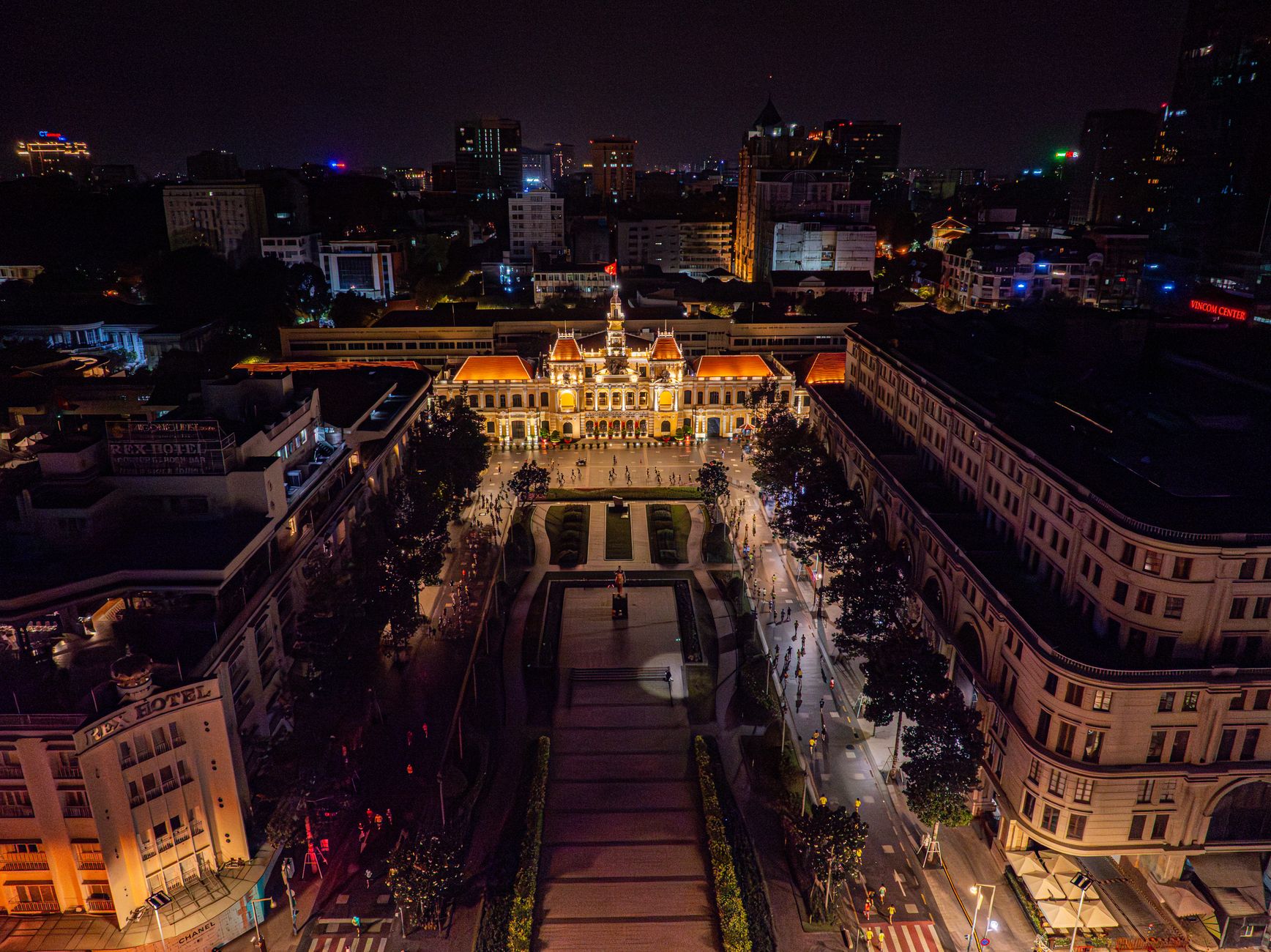

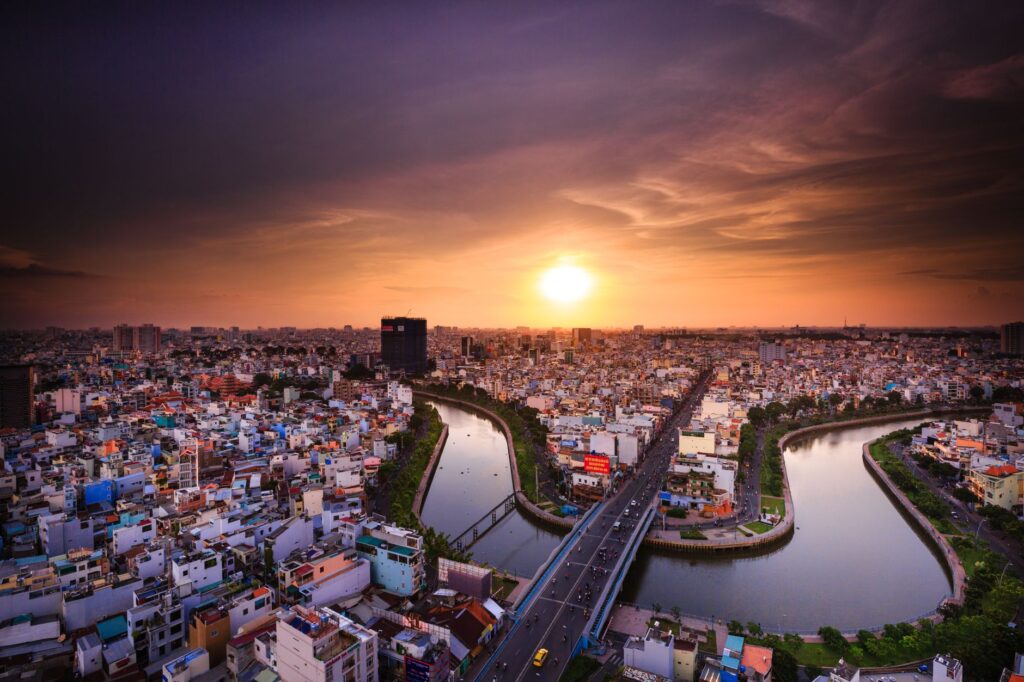
The feverish pulse of Ho Chi Minh City beats to the rhythm of the motorcycles overflowing its avenues, an unceasing torrent that for decades has functioned as the great economic engine and primary gateway for international tourism in Vietnam. However, within the offices of the Department of Tourism and the working tables of the country’s leading agencies, a profound transformation is underway: moving away from viewing the former Saigon as an isolated destination and turning it into the central node of a tourism network that extends, like a silk thread, toward the misty mountains of the North and the historic citadels of the Center.
This push for interregional integration responds not only to commercial ambition but also to a structural necessity to diversify the global traveler’s experience. While the South offers urban dynamism, nightlife, and the vast river network of the Mekong Delta, the Northern and Central regions safeguard the geological treasures of Ha Long Bay, the rice terraces of Sapa, the lantern-lit alleys of Hoi An, and the imperial legacy of Hue. Building bridges between these worlds requires unprecedented logistical coordination and a thorough revision of traditional tourism products.
The Metropolis as a Springboard and Logistics Heart
To understand this connectivity strategy, it is essential to analyze the role played by Ho Chi Minh City as the great distribution platform for visitors. With Tan Son Nhat International Airport operating at capacity limits and the future takeoff of Long Thanh on the horizon, the southern megalopolis receives the bulk of long-haul tourists. The key to the new model lies in retaining the visitor long enough to discover local identity before channeling them—via optimized air routes and combined packages—toward northern and central enclaves.
Local authorities and private operators have intensified consultative meetings to design fluid tourism corridors. It is no longer about offering fragmented itineraries where each province competes separately, but about building coherent travel narratives that connect the accelerated modernity of the metropolis with the ancestral traditions of the northern highlands and the patrimonial memory of the central strip.
Geographical Contrast: From River Delta to Karst Peaks
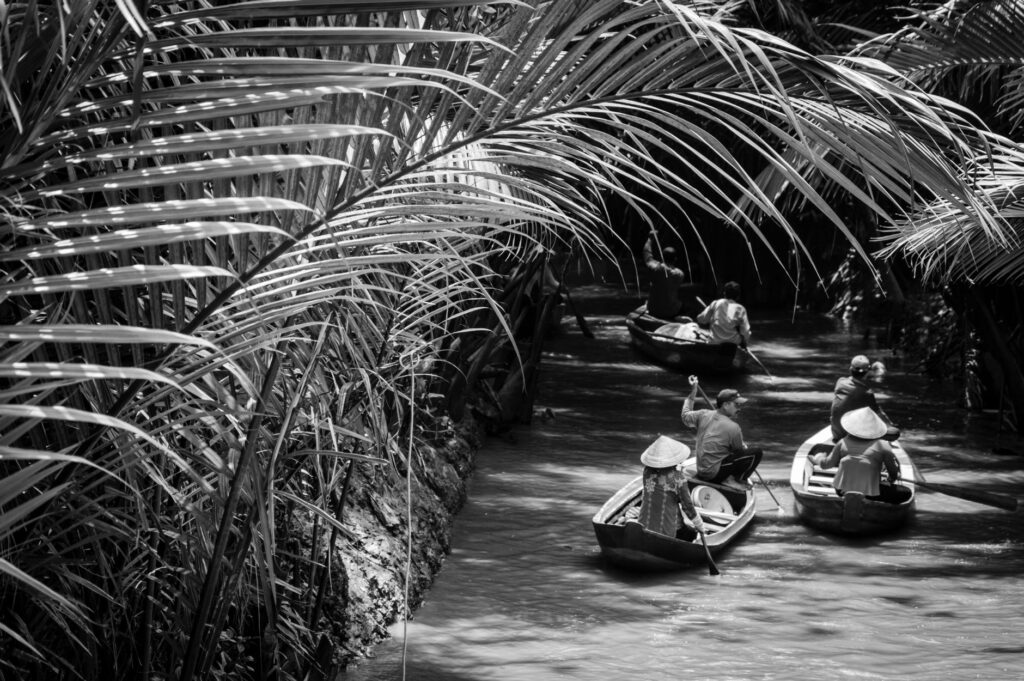
The transition between the South and the North of Vietnam represents an extraordinary landscape and climatic leap. Those who leave behind the tropical heat and muddy channels of the Mekong Delta encounter, just a few hours of flight later, the steep peaks and limestone gorges of Ha Giang or Cao Bang. This extreme diversity is precisely the primary asset that the new strategy seeks to leverage, allowing visitors to experience the country’s ecological transition within a single structured journey.
Tourism planning experts insist that integration must respect the carrying capacity of each ecosystem. While Ho Chi Minh City absorbs massive tourist flows with colossal hotel infrastructure, the northern mountain provinces require low-density tourism that respects the ethnic minority communities inhabiting the slopes, whose livelihoods risk being disrupted by unchecked massification.
The Historical Heritage of the Center as a Cultural Bridge
At the axis of this major interregional route, the Central region acts as the indispensable cultural bridge balancing the equation. Enclaves such as the imperial city of Hue, the My Son sanctuary, or the ancient town of Hoi An provide a historical density that contrasts with both the commercial hyperactivity of the South and the rugged rurality of the North.
Connecting these points involves not only improving rail frequencies and coastal connections but also training local tourism operators to present central heritage not as a secondary stop, but as a fundamental chapter of a unified national narrative. The challenge lies in synchronizing festival calendars and climatic seasons so that visitor flows are distributed in a balanced manner throughout the year.
The Voice of Local Operators and the Associative Fabric
Behind high-level institutional agreements, the true machinery of interregional tourism relies on receptive agencies, independent hotels, and community cooperatives. In recently held sector forums, industry professionals have underscored the urgency of standardizing service quality along the entire north-south corridor, ensuring that travelers experience a homogeneous standard of hospitality and security regardless of whether they stay in a boutique hotel in Ho Chi Minh City’s District 1 or a traditional lodge in Lao Cai province.
Vietnam’s true wealth does not lie in the sum of its isolated attractions, but in the capacity to weave a common narrative uniting the Asian delta with the misty summits of the north.
Furthermore, the need to digitalize the joint offer has become evident. Unified platforms allowing the booking of combined experiences—such as a culinary tour in Saigon followed by a trekking route in the northern mountains—are essential to capture contemporary travelers accustomed to immediacy and itinerary personalization.
Logistical Challenges and Sustainability Amid Growing Flows
Despite institutional enthusiasm, the ambitious interconnection plan faces considerable logistical and environmental challenges. National transport infrastructure, although undergoing constant modernization, suffers bottlenecks in certain rail and airport nodes. The increase in air and land traffic necessary to sustain these tourist flows directly contradicts the sustainability and emission-reduction objectives demanded by the global sector itself.
On the other hand, the massification of certain emblematic destinations in the Center and North requires the implementation of strict visitor management policies. Authorities in Ho Chi Minh City and partner provinces must demonstrate that this integration effort prioritizes the conservation of cultural and natural heritage over mere quantitative growth in tourist arrivals.
Practical guide
How to get there: Ho Chi Minh City features Tan Son Nhat International Airport (SGN), directly connected to major hubs in Europe, Asia, and Oceania. From there, multiple daily domestic flights operated by national carriers connect to Da Nang (Center) and Noi Bai in Hanoi (North).

Best time to visit: Due to Vietnam’s extensive longitudinal spread, the climate varies drastically. For a comprehensive itinerary spanning South, Center, and North, the months between February and May offer the most stable conditions in terms of precipitation and temperature.
Internal transport: The state railway network (Vietnam Railways) connects Ho Chi Minh City with central and northern provinces via the historic Reunification line, a recommended option for unhurried travelers looking to contemplate the landscape. For long journeys and time optimization, domestic flights are recommended.
Accommodation: The offer is extremely diverse, ranging from luxury hotels and colonial boutiques in Ho Chi Minh City to family homestays managed by ethnic minorities in the northern mountain regions.
Recommended gastronomy: Each region possesses its own culinary identity. The South stands out for sweet and sour flavors with a strong presence of fresh herbs; the Center offers a spicier, more complex cuisine inherited from Hue’s imperial tradition; and the North is characterized by clear broths, balanced use of ginger, and traditional dishes like northern-style phở.
Booking and planning: It is advisable to hire registered local agencies that guarantee responsible tourism practices and direct support to host communities.
The Emotional Horizon of a Nation in Motion
As evening falls in Ho Chi Minh City, when the bustle of street markets begins to merge with the glow of glass skyscrapers, it becomes evident that this city has never been a final endpoint, but rather a threshold. Contemplating the steady flow of faces coming and going along the Saigon River embankment is witnessing the great metaphor of contemporary Vietnam, which refuses to fragment into disconnected postcards. Connecting the dynamism of the South with the memory of the Center and the imposing majesty of the North is, ultimately, an exercise in geographical and cultural reconciliation; a reminder that the invisible threads of history and landscape can unite to offer the traveler an experience as vast and complex as the territory itself.
Source in EN: Vietnam.vn